

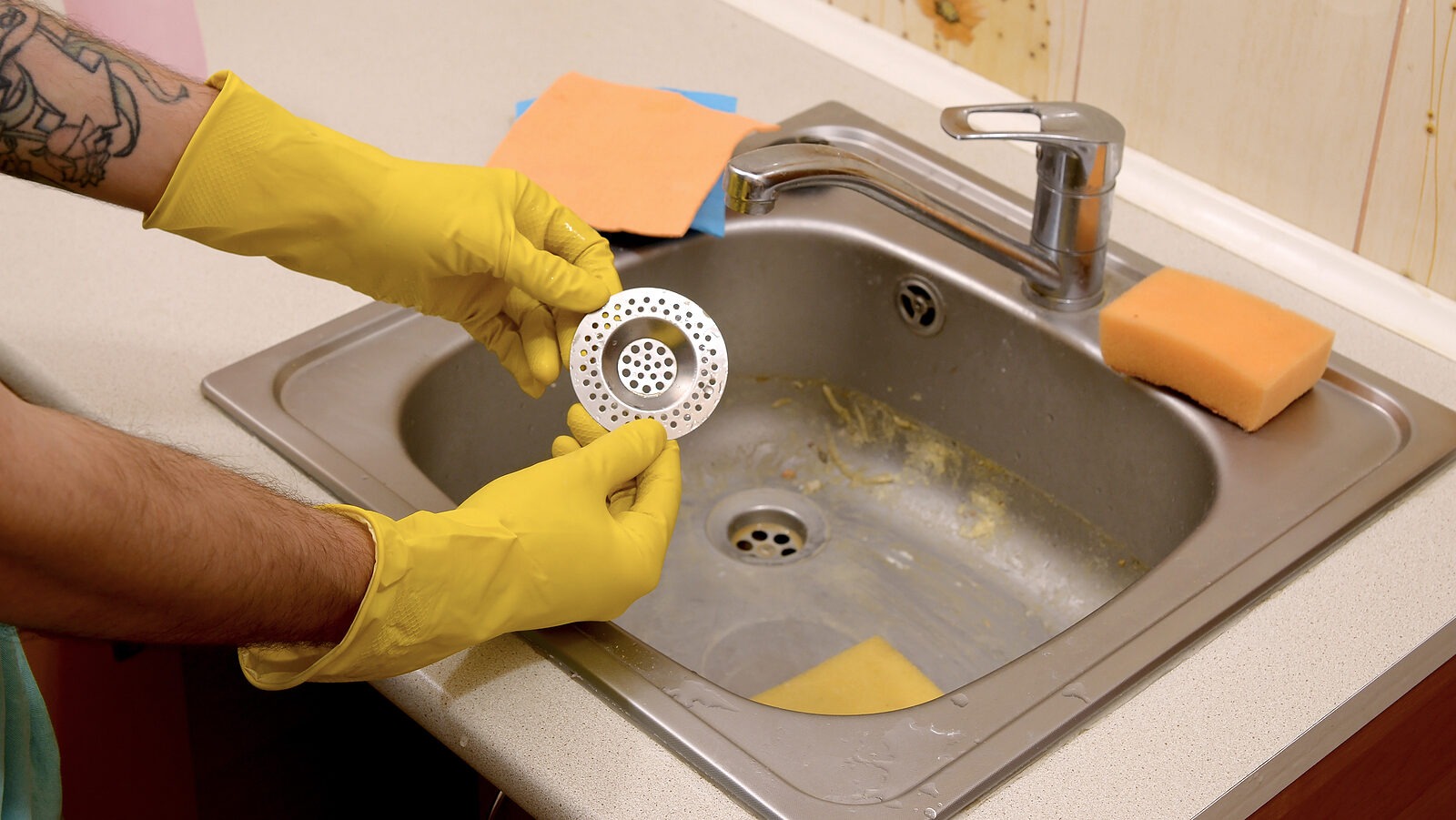
A slow drain is one of those small household annoyances that most people ignore until the sink suddenly refuses to empty. The most common drain blockages are caused by everyday materials like grease, hair, soap residue, and food particles gradually sticking to pipe walls and restricting water flow.
Many homeowners assume clogs appear overnight, but in reality they usually build slowly through daily habits. A little cooking grease here, a bit of hair there, and over time your pipes start narrowing like arteries under pressure.
The good news is that most kitchen and bathroom clogs can be avoided. With a few practical habits and occasional maintenance, you can keep drains flowing smoothly and avoid expensive plumbing visits.
What Usually Causes Household Drain Clogs

Before discussing prevention, it helps to understand what actually blocks a drain. Most clogs are not caused by a single item but by a slow buildup of several materials sticking together inside pipes.
Kitchen drains tend to collect grease, oils, and food particles. Bathroom drains usually accumulate hair, soap residue, and mineral deposits from hard water. Over time, these substances create a sticky surface that traps additional debris.
- Grease and cooking oils cool inside pipes and stick to the pipe walls, capturing food scraps that pass through later.
- Food particles, especially pasta, rice, and coffee grounds, can expand with water and create stubborn blockages.
- Hair easily catches on rough pipe surfaces and begins forming dense clumps that slow drainage.
- Soap residue reacts with minerals in water and forms a sticky film called soap scum.
- Hard water minerals slowly narrow pipes by forming scale along the interior walls.
Soap residue can create a sticky layer inside pipes that traps hair and debris, gradually restricting water flow.
When a Professional Plumber Might Be Necessary
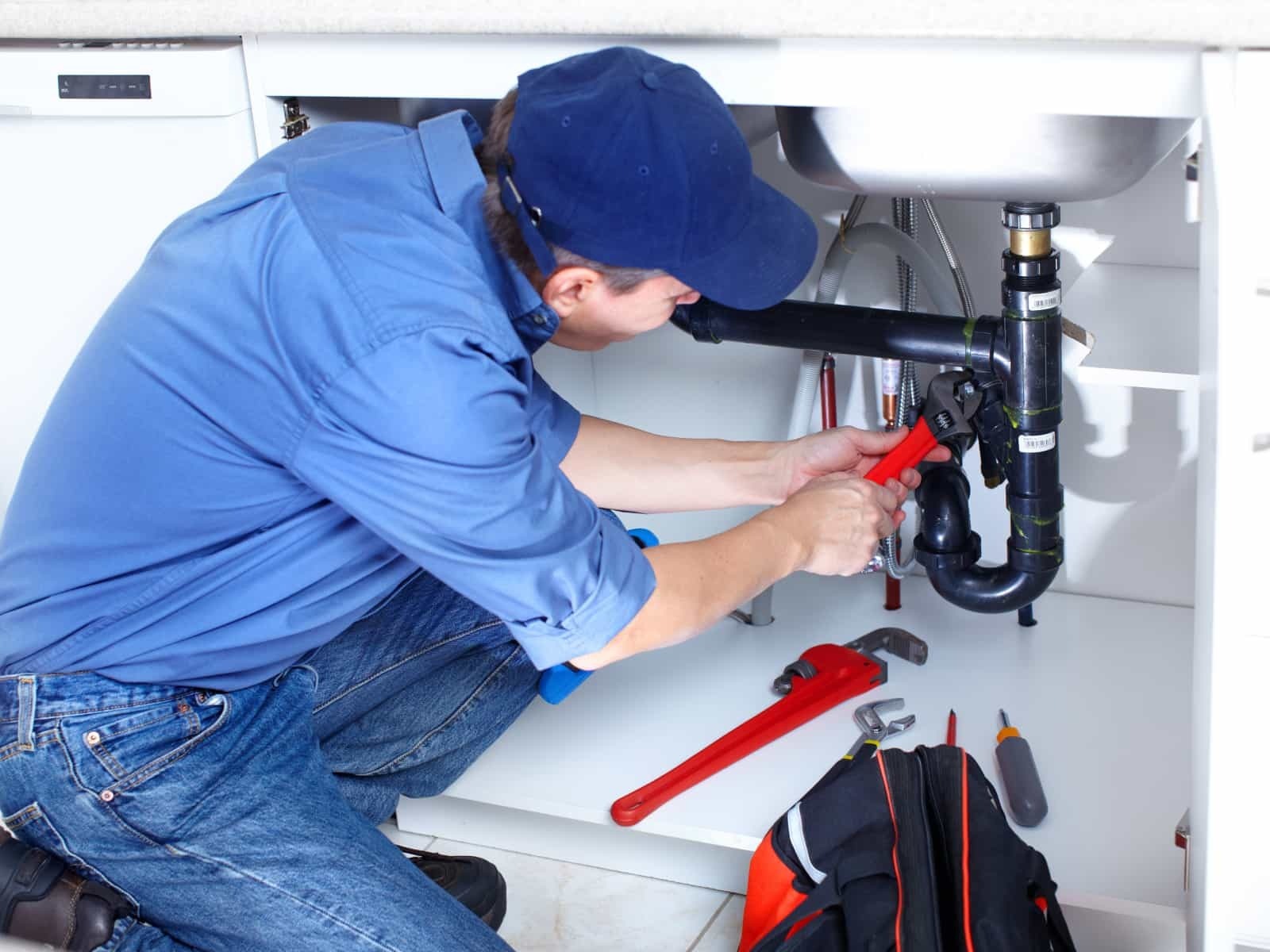
Even with careful habits, some drain problems still require professional help. Pipes may already contain heavy buildup, or older plumbing systems might have hidden blockages deeper in the line.
When a sink repeatedly drains slowly, many homeowners start searching for local plumbers near me to inspect the issue and clear the pipes before a complete blockage occurs. Professional plumbers can use tools like drain cameras and hydro-jetting equipment to locate and remove stubborn buildup that household tools cannot reach.
Calling a professional early often prevents larger plumbing repairs later.
Simple Habits That Prevent Kitchen Drain Clogs
Kitchen sinks deal with grease, food scraps, and dishwashing residue every day. Preventing clogs here mainly involves controlling what goes down the drain.
A few simple habits make a big difference.
- Scrape food leftovers into the trash before rinsing dishes in the sink
- Never pour grease or cooking oil down the drain
- Run hot water for about 20 seconds after washing greasy dishes
- Use a sink strainer to catch food particles before they enter the pipe
Cooking grease deserves special attention. When hot grease is poured into a drain, it cools quickly and solidifies along the pipe walls. Over time it traps other debris and creates a thick obstruction.
A better approach is simple: pour grease into a disposable container, let it cool, and throw it in the trash.
Preventing Bathroom Drain Blockages

Bathroom drains face a different type of buildup. Hair, soap, toothpaste residue, and cosmetic products slowly accumulate inside the pipe.
A little attention during daily routines can prevent most of these issues.
- Install a drain cover to catch hair before it enters the pipe
- Clean the drain stopper or trap regularly
- Rinse sinks and tubs with warm water after shaving or brushing teeth
- Avoid flushing wipes, cotton swabs, or hygiene products
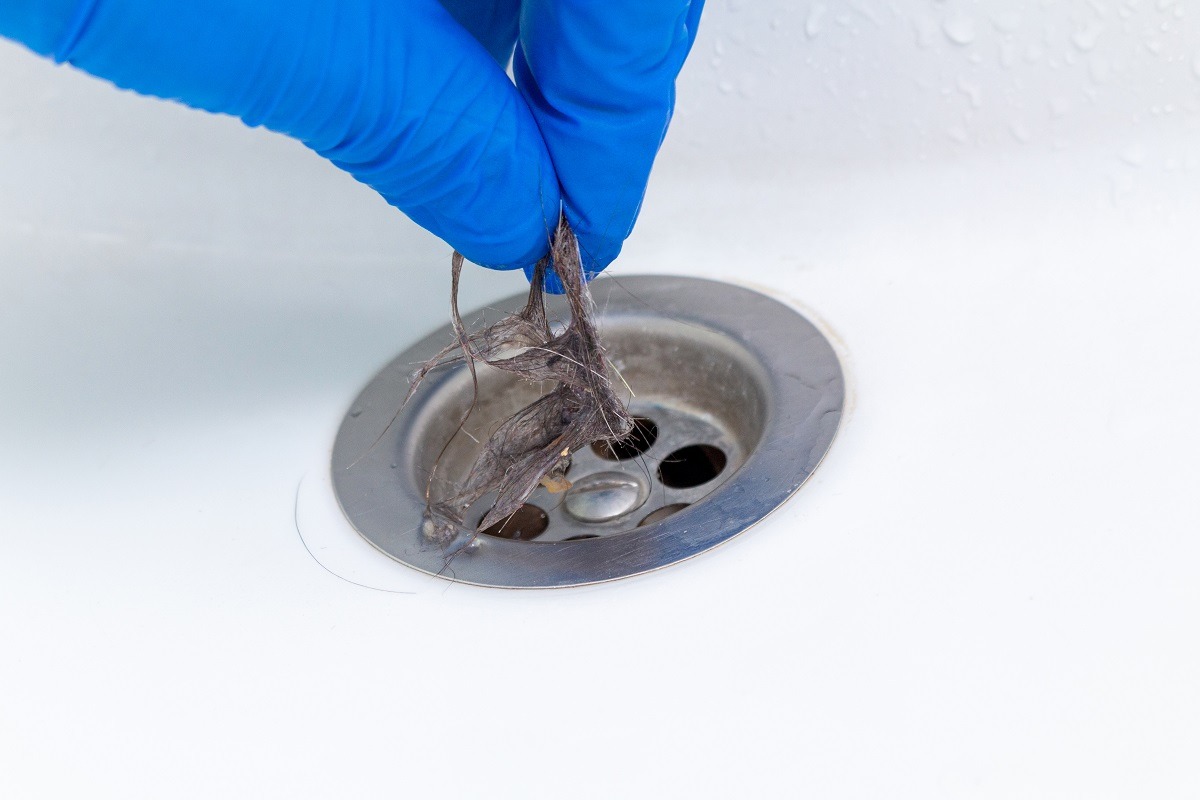
Hair is particularly problematic because it tangles easily. Once a few strands catch inside the drain, soap residue and debris stick to them and form a dense clog.
Did you know?
Hair can act like a net inside pipes, trapping soap residue and debris that gradually restrict water flow.
Using a simple drain cover can eliminate most of this buildup.
Easy Drain Maintenance You Can Do at Home
Even when drains are used carefully, small amounts of buildup still develop over time. Regular maintenance helps remove this buildup before it becomes a serious blockage.
A simple weekly routine is often enough.
- Flush kitchen and bathroom drains with hot water once a week
- Clean sink strainers and drain covers regularly
- Use baking soda followed by vinegar occasionally to break down residue
- Remove visible hair from shower drains before it enters the pipe
The following table shows a basic drain maintenance schedule homeowners can follow.
| Maintenance Task | Recommended Frequency | Purpose |
| Hot water flush | Weekly | Helps dissolve grease and soap buildup |
| Clean drain strainers | Weekly | Prevents debris from entering pipes |
| Baking soda and vinegar treatment | Monthly | Breaks down mild buildup |
| Drain inspection | Monthly | Detects early slow drainage |
Regular maintenance keeps pipes clear and reduces the risk of sudden blockages.
Warning Signs a Drain Is Starting to Clog
Drain problems rarely appear suddenly. Pipes usually show warning signs before a full blockage occurs.
Paying attention to these early signals can save time and frustration.
- Water draining slowly from the sink or shower
- Gurgling sounds inside pipes
- Unpleasant odors coming from the drain
- Water pooling around the drain opening
These symptoms often indicate that debris is already collecting inside the pipe. Addressing the issue early with cleaning or maintenance prevents the clog from becoming severe.
Ignoring slow drainage is one of the main reasons minor buildup turns into a major plumbing problem.
Common Mistakes That Lead to Drain Problems
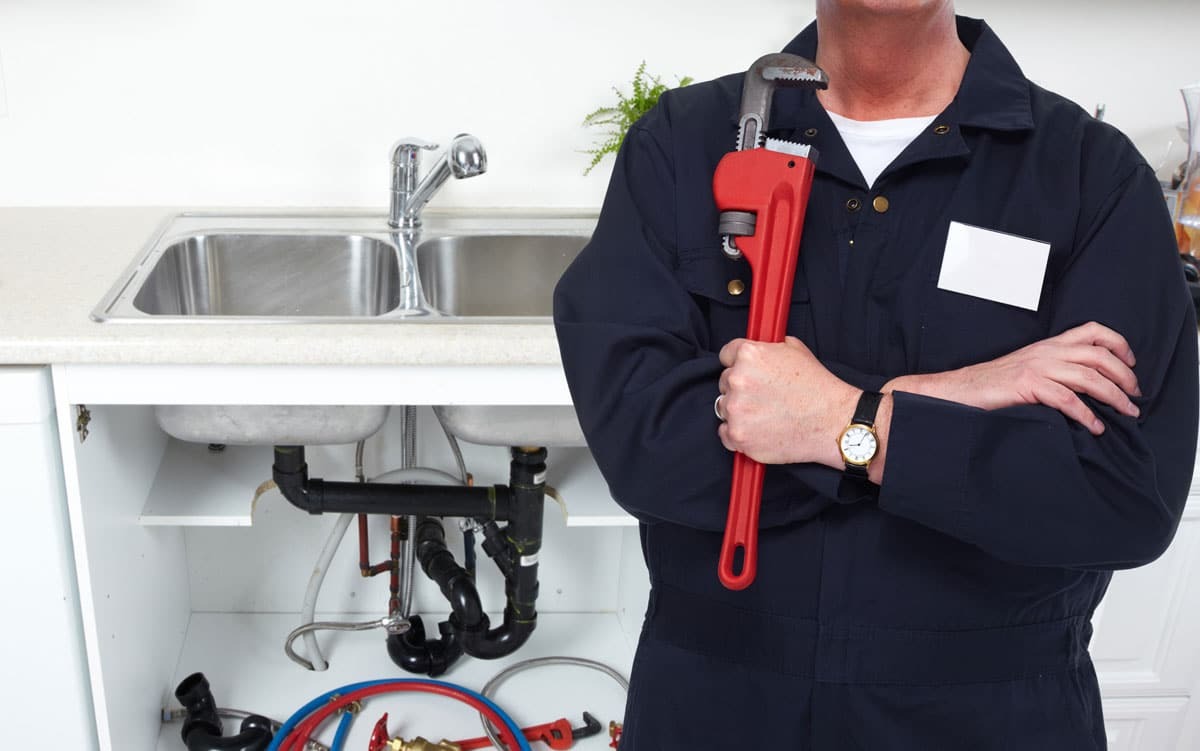
Many clogged drains happen simply because people underestimate how easily pipes collect debris. A few common mistakes repeatedly lead to blockages in both kitchens and bathrooms.
- Pouring grease or cooking oil down the sink
- Washing large food scraps down the drain
- Letting hair accumulate in shower drains
- Relying heavily on chemical drain cleaners
Chemical cleaners may dissolve small clogs, but they can also damage pipes when used frequently. These products often contain strong alkaline chemicals designed to break down organic material like hair and fats.
Using them occasionally is fine, but relying on them regularly often indicates that the drain maintenance routine needs improvement.
Preventing buildup in the first place is always the better solution.
Keeping Your Drains Flowing for Years
Most clogged drains are not caused by complicated plumbing failures. They usually develop slowly from everyday habits in the kitchen and bathroom.
A few simple changes can make a significant difference. Keep grease out of the sink, catch food scraps before they enter the drain, use drain covers in showers, and flush pipes with hot water regularly.
These small habits may seem minor, but they keep debris from building up inside your plumbing system. With consistent attention and basic maintenance, kitchen and bathroom drains can remain clear and functional for many years without major repairs.