

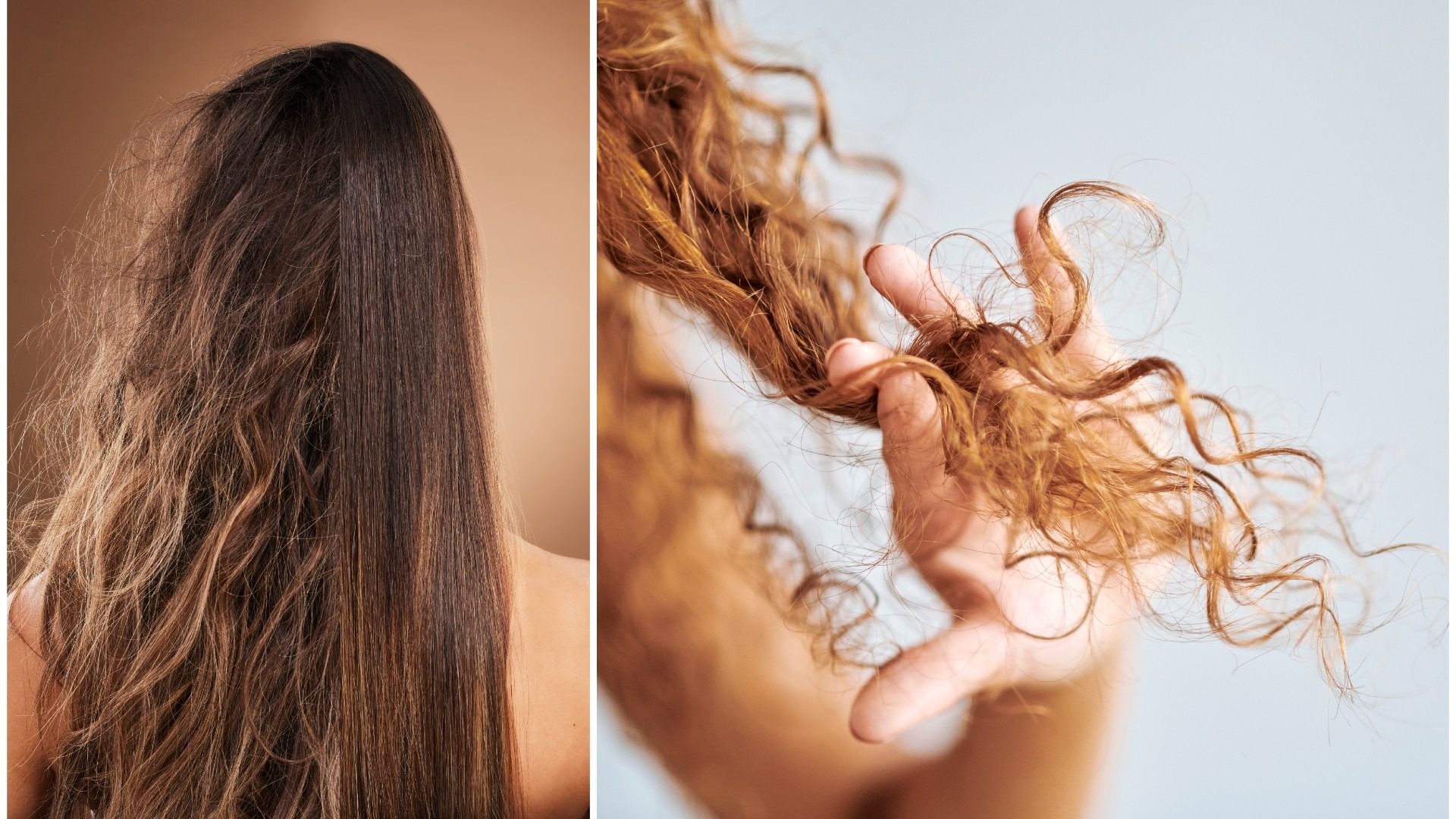
Ever notice how your hair can look smooth when you leave the house, only to turn frizzy within minutes outside? You are not imagining it. Scientific research shows that humidity allows moisture to enter the hair shaft, swelling the strand and disrupting the internal bonds that hold hair smooth and shaped.
Many people respond by applying heavier creams or oils. That can sometimes make hair look flat or greasy, especially if it is fine or naturally wavy. The real trick is lighter control. Smooth hair does not require thick products or complicated routines. The goal is managing moisture while keeping the hair cuticle calm and aligned.
Once you understand why frizz happens, the solution becomes simpler. A few adjustments in washing, styling, and product choices can help reduce frizz while keeping hair soft and lightweight.
Why Hair Becomes Frizzy in the First Place

Before trying to reduce frizz, it helps to understand what actually happens inside the hair strand.
Each strand of hair has a protective outer layer called the cuticle. When the cuticle lies flat, hair reflects light and looks smooth. When it lifts, moisture can enter the strand unevenly, causing swelling and a rough texture.
Humidity is one of the biggest triggers.
- Water in the air forms hydrogen bonds with keratin proteins in the hair
• The hair shaft absorbs that moisture and expands
• Strands bend or separate instead of lying smoothly
That is why hair that looks perfectly styled indoors can change shape the moment humidity rises.
Hair fibers actually expand as they absorb moisture. Studies show that swelling of the hair cuticle increases in humid conditions, which is one reason frizz becomes more visible when the air is damp.
Damage, dryness, and rough styling habits can make the problem worse because they weaken the outer layer that normally protects the strand.
Choosing Lightweight Styling Products for Sensitive Scalps
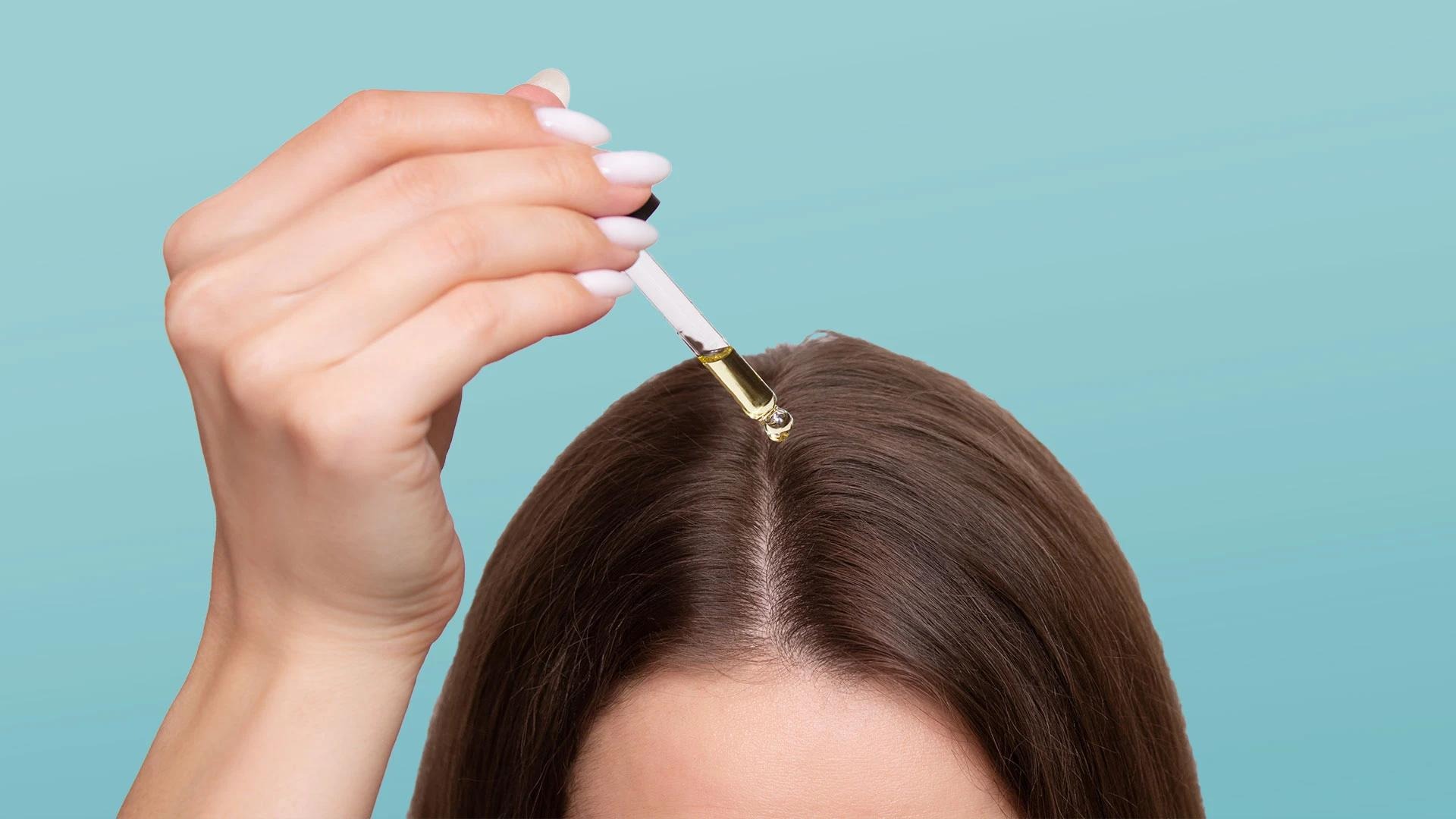
One of the most common mistakes people make when trying to reduce frizz is applying too many heavy styling products. Thick oils and waxy creams may smooth hair temporarily, but they often leave strands limp or greasy, especially if the hair is fine.
A better approach is choosing lightweight formulas that control moisture without coating the hair.
For people with scalp sensitivity, this balance becomes even more important. Many styling products contain alcohols or strong fragrances that can irritate the scalp while still weighing hair down. In those cases, a gentle styling option such as a hair gel for sensitive scalp can help hold shape and control flyaways while remaining comfortable for the skin.
Light gels or fluid serums often work better than thick creams because they form a flexible layer that smooths the cuticle without making hair stiff.
7 Lightweight Ways to Reduce Frizz Without Heavy Products
Many people accidentally create frizz through everyday styling habits. A few small adjustments can make a noticeable difference.
The following techniques help control moisture while keeping hair light and natural.
- Use a moisturizing but lightweight conditioner
Conditioners smooth the cuticle and help hair hold moisture evenly. Lightweight formulas hydrate without flattening the hair shaft. - Apply leave-in products to damp hair
Hair absorbs products better while damp. A small amount spreads evenly and prevents overuse. - Switch from thick oils to lightweight serums
Serums often contain silicones or plant extracts that coat the cuticle lightly and block humidity. - Dry hair with a microfiber towel or a cotton T-shirt
Traditional towels create friction that lifts the cuticle. Microfiber fabric reduces friction and helps prevent frizz. - Avoid brushing dry hair
Brushing curls or waves after drying separates the pattern and creates flyaways. - Use a diffuser while blow-drying
A diffuser spreads airflow evenly and keeps curls intact. - Finish with a light anti-humidity spray
A thin protective layer can help hair resist moisture from the environment.
Small technique changes like these are often more effective than adding more products.
Ingredients That Help Smooth Hair Without Weight
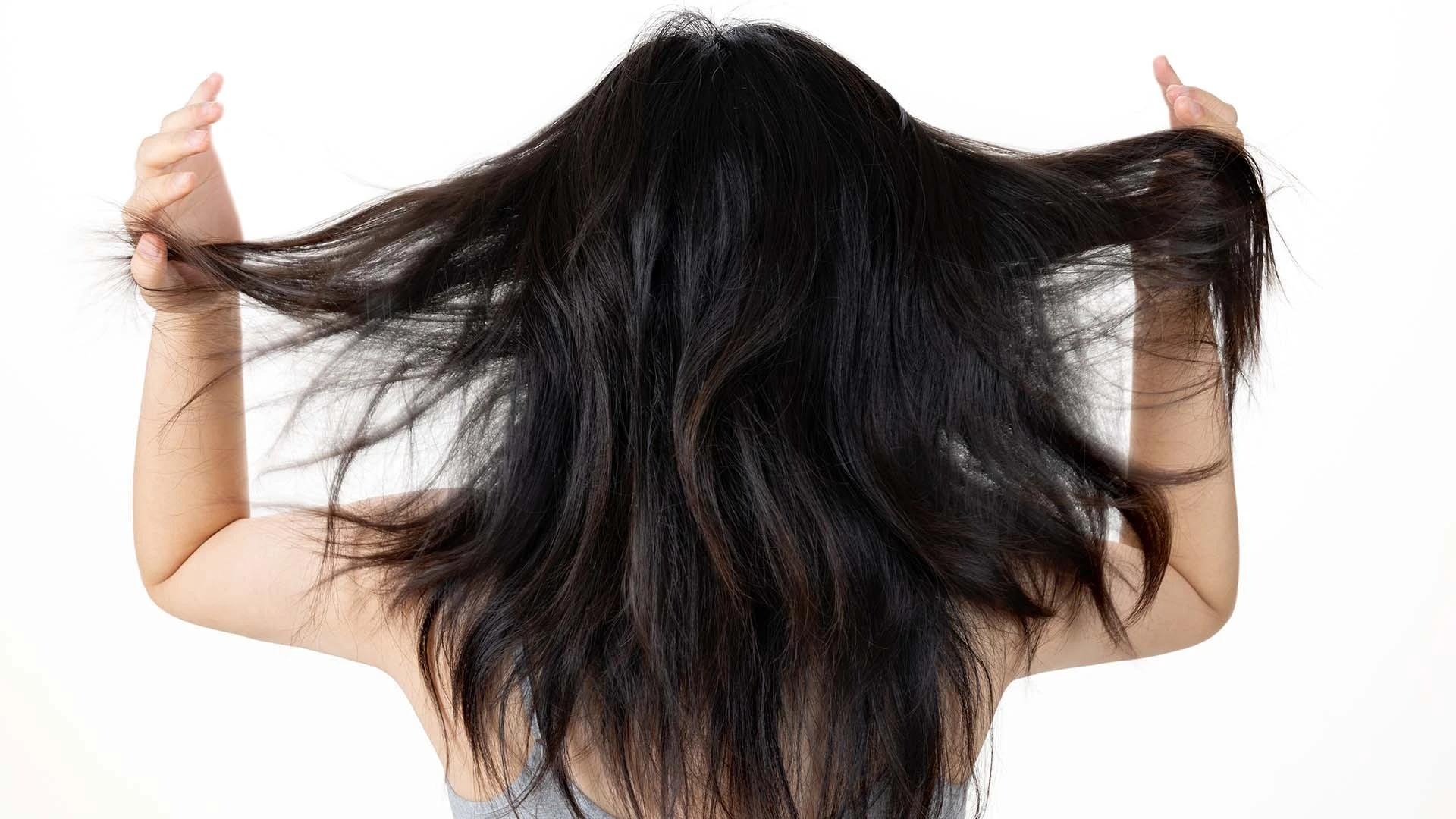
Many modern hair frizz treatment formulas focus on hydration rather than heaviness. The goal is to help hair maintain balance so it does not absorb moisture from the air.
Some lightweight ingredients commonly used in anti-frizz hair routine products include the following.
| Ingredient | Why it helps | Hair type benefit |
|---|---|---|
| Glycerin | Attracts moisture in controlled amounts | Wavy and curly hair |
| Hyaluronic acid | Provides hydration without oiliness | Fine hair |
| Aloe vera | Smooths and lightly conditions | Sensitive scalp |
| Lightweight silicones | Seal the cuticle against humidity | Most hair types |
These ingredients work best when used sparingly. Too much product can build up on the hair and create the very heaviness many people are trying to avoid.
After applying a product, distribute it evenly with fingers or a wide-tooth comb. That prevents concentrated buildup in one area.
Hair Care Mistakes That Make Frizz Worse
Many people focus on products but overlook everyday habits that cause frizz.
Several common mistakes can lift the cuticle and make hair more reactive to humidity.
- Overwashing hair – Frequent washing strips natural oils that help protect the cuticle.
- Using harsh shampoos – Strong detergents can dry the hair shaft and increase porosity.
- Excessive heat styling – Heat tools weaken the outer hair layer and create a rough texture.
- Applying too much product – Layering multiple creams and oils can weigh hair down and attract dirt.
- Brushing textured hair when dry – This separates curls and causes the familiar fluffy halo of frizz.
Correcting these habits often improves hair texture even before changing products.
Many clients notice less frizz simply by reducing heat styling frequency and switching to gentler drying techniques.
A Simple Anti-Frizz Routine That Keeps Hair Light

A consistent routine helps maintain smooth hair throughout the day. The goal is hydration, gentle styling, and minimal buildup.
A simple morning routine might look like this:
- Wash hair with a gentle sulfate-free shampoo
- Apply a lightweight conditioner and rinse thoroughly
- Blot hair gently with a microfiber towel
- Apply a small amount of leave-in conditioner or serum
- Air dry or diffuse on low heat
This routine supports lightweight frizz control because each step protects the cuticle instead of coating the hair with heavy ingredients.
For people with fine hair, using smaller product amounts is especially important. A pea-sized amount of product often works better than a full pump.
How to Manage Frizz in Humid Weather
Humidity is one of the most challenging triggers for frizz. When moisture levels in the air increase, hair naturally absorbs water and swells, disrupting the bonds that maintain its shape.
Managing frizz in humid weather usually requires a few extra precautions.
- Use anti-humidity sprays that create a light protective barrier
- Choose protective hairstyles such as braids or loose buns
- Avoid layering multiple products, which can trap moisture
- Refresh hair with a light mist of water and leave-in conditioner
These strategies help keep the cuticle smoother even when environmental moisture rises.
Some people also find that diffusing hair fully rather than leaving it slightly damp reduces humidity-related frizz.
Conclusion
Smooth hair does not have to feel heavy. Frizz control is mostly about moisture balance and gentle handling rather than thick creams or oils.
When the cuticle stays smooth and hydrated, hair naturally holds its shape better and reacts less to humidity. Lightweight conditioners, thoughtful styling habits, and minimal product layering often make the biggest difference.
Also read: Vitamins and Nutrients for Stronger Hair Growth
With a simple routine and a few adjustments to daily habits, it becomes much easier to reduce frizz while keeping hair soft, natural, and full of movement.