

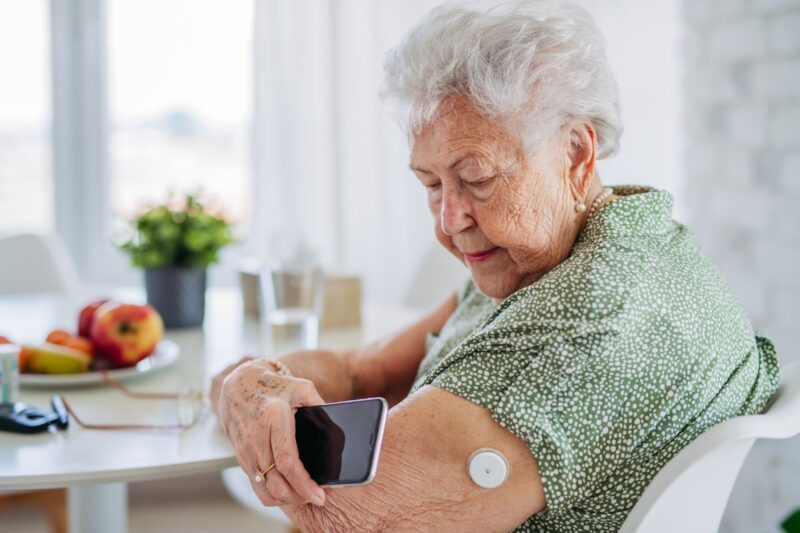
Remote monitoring has quietly become one of the most practical shifts in addiction recovery over the last few years. Instead of relying only on in person visits or self reporting, recovery programs can now observe progress in real time, respond faster to warning signs, and reduce the burden on patients who are trying to rebuild daily routines.
If you have ever wondered whether recovery support can extend beyond clinic walls without becoming invasive or overwhelming, remote monitoring offers a thoughtful middle ground. It combines structure with flexibility, accountability with privacy, and clinical oversight with everyday life.
This guide walks through how testing, digital check ins, and adherence tools actually work in practice, and why they matter for long term recovery outcomes.
Why remote monitoring matters in modern recovery programs
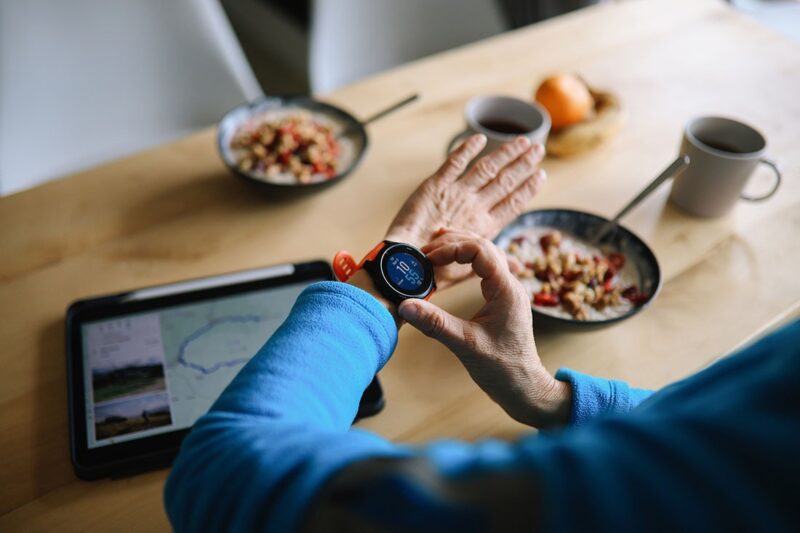
Remote monitoring fills a gap that traditional recovery models often struggle with. Between appointments, people are largely on their own, even during the most fragile phases of early recovery. That gap can allow small lapses to grow into major setbacks.
By introducing structured remote oversight, recovery teams gain continuity. Patients gain support without constant clinic visits. The goal is not surveillance, but early awareness and timely intervention.
Remote monitoring helps programs achieve several core objectives:
- Maintain regular contact without daily travel
- Detect early signs of relapse or disengagement
- Support adherence to treatment plans
- Reduce pressure on in person services
- Improve long term retention in care
In the context of substance use disorders, including opioid addiction, this approach aligns well with outpatient and hybrid treatment models. It allows individuals to remain engaged in work, family, and community life while still receiving meaningful clinical oversight.
Remote drug testing and biological verification tools
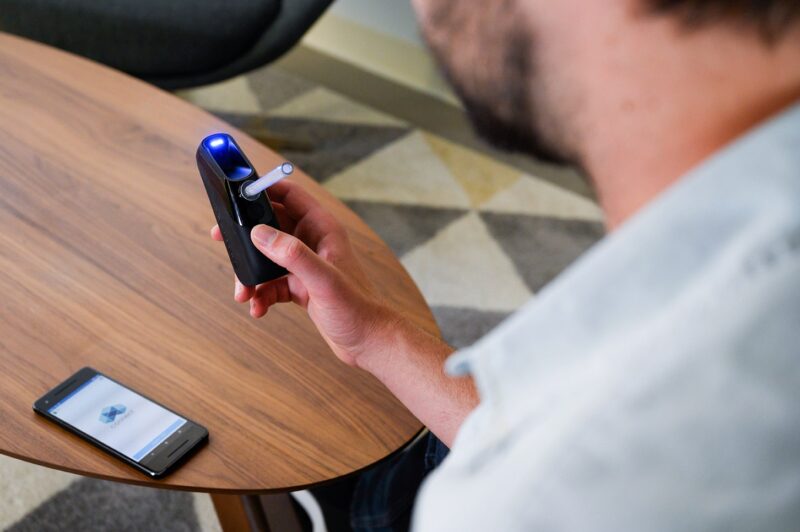
Drug testing remains a foundational element of many recovery programs, but remote testing changes how it is delivered. Instead of frequent clinic visits, individuals can complete scheduled or random tests at home under controlled digital supervision.
These systems typically combine test kits with identity verification and timestamped reporting. Results are transmitted securely to care teams, reducing delays and administrative friction.
Common remote testing methods include:
- Saliva based tests with video verification
- Urine tests paired with mobile app supervision
- Breath analysis devices for alcohol monitoring
- Wearable sensors for physiological indicators
A key advantage is consistency. When testing becomes easier to complete, adherence improves. Programs also gain clearer longitudinal data, which helps clinicians identify patterns rather than isolated results.
Remote biological monitoring focuses on trend awareness, not punishment. The goal is early support, not enforcement.
When implemented thoughtfully, remote testing supports trust while maintaining clinical integrity.
Digital check ins and structured self reporting
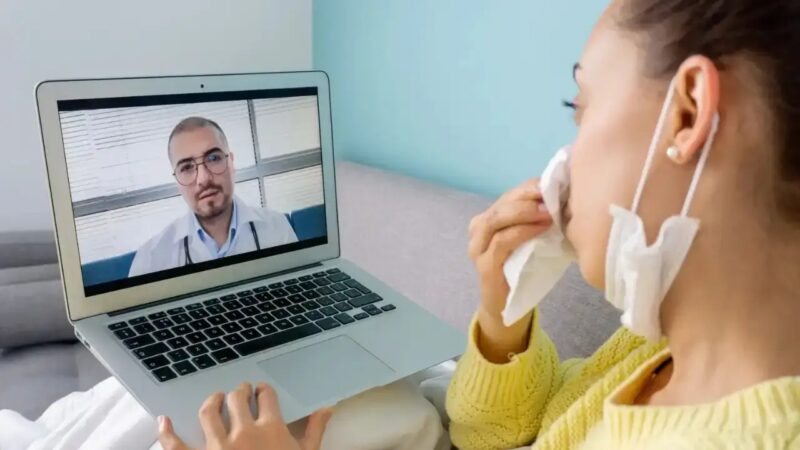
Testing alone does not capture the full recovery picture. Digital check ins add context by tracking mood, cravings, stress levels, and daily functioning. These short, structured touchpoints create a rhythm of reflection and communication.
Most platforms use brief daily or weekly prompts that take only a few minutes to complete. Over time, patterns emerge that are far more informative than occasional conversations.
Digital check ins typically assess:
- Emotional state and stress levels
- Craving intensity and triggers
- Sleep quality and routine stability
- Medication side effects or concerns
- Engagement with support activities
For clinicians, this data supports proactive care. For individuals, it reinforces self awareness. Many people report that simply answering consistent questions helps them recognize early warning signs before they escalate.
Check ins also reduce stigma. Reporting a difficult day through an app often feels safer than admitting it face to face.
Medication adherence tools and smart reminders
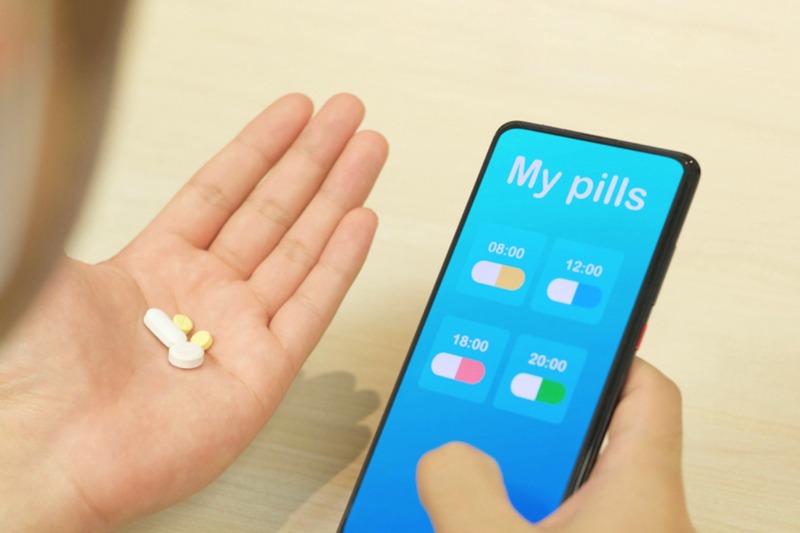
Medication adherence is one of the most challenging aspects of recovery, particularly in outpatient settings. Missed doses, incorrect timing, or intentional non use can undermine treatment effectiveness without immediate visibility.
Remote adherence tools address this gap by combining reminders, confirmation mechanisms, and clinician alerts. These systems are designed to support, not police, medication use.
Common adherence features include:
- Scheduled reminders via app or text
- Dose confirmation through check ins
- Smart pill containers with time tracking
- Alerts for missed or delayed doses
- Secure messaging with care teams
When adherence issues arise, clinicians can respond quickly with adjustments or additional support. This prevents minor disruptions from becoming treatment failures.
Importantly, adherence tools also reduce cognitive load. Recovery already demands emotional and behavioral effort. Automating reminders frees mental energy for healing and daily life.
Wearables and passive monitoring in recovery care
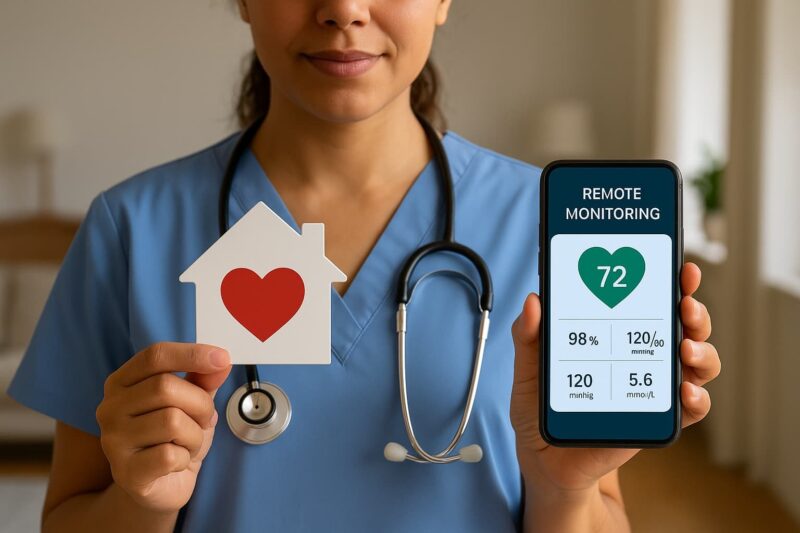
Wearable devices add another layer of insight by capturing physiological signals without requiring constant input. These tools are especially valuable for identifying stress responses, sleep disruption, and activity changes that often precede relapse.
Rather than focusing on substance use directly, wearables track patterns associated with wellbeing. This indirect approach respects privacy while offering meaningful data.
Wearables commonly monitor:
- Heart rate variability
- Sleep duration and quality
- Physical activity levels
- Rest patterns and circadian rhythm changes
When combined with self reported data, wearables help differentiate between temporary stress and sustained risk. For example, declining sleep quality paired with rising cravings may signal the need for intervention.
Passive monitoring works best when users understand how data supports care rather than replacing human judgment.
Data privacy, consent, and ethical boundaries
Remote monitoring only works when trust is preserved. Privacy, consent, and transparency are not optional features. They are structural requirements.
Ethical programs clearly explain what data is collected, how it is used, and who can access it. Participants retain agency and can ask questions or opt out of specific components.
Key ethical principles include:
- Informed consent before enrollment
- Clear limits on data sharing
- Secure data storage and transmission
- Purpose driven data use only
- Human oversight of automated alerts
Programs that treat monitoring as a partnership see better engagement. Those that frame it as enforcement often face resistance and dropout.
Trust is especially critical in recovery, where autonomy and dignity are central to long term success.
Integrating remote monitoring into clinical workflows
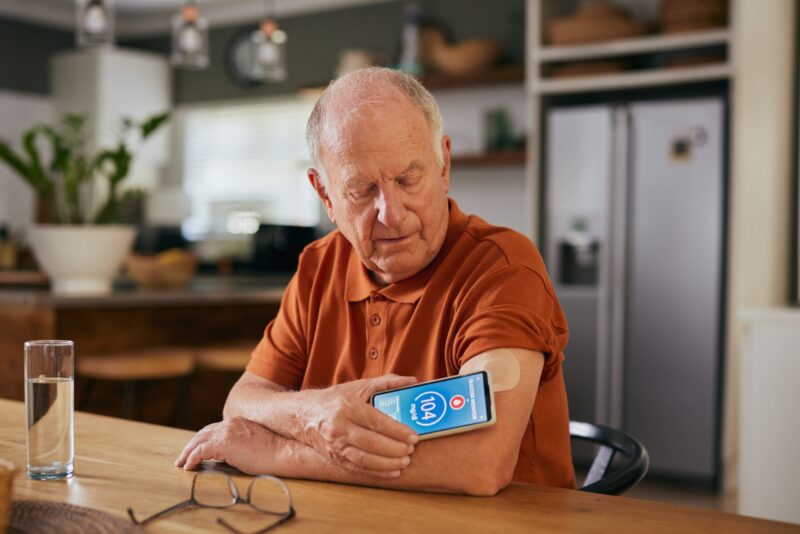
Technology alone does not improve outcomes. Integration into clinical workflows determines whether remote monitoring becomes a burden or a benefit.
Successful programs assign clear roles for data review, response protocols, and follow up actions. Clinicians should know when to intervene and when to observe.
Effective integration includes:
- Defined thresholds for alerts
- Scheduled data review times
- Clear escalation pathways
- Documentation alignment with care plans
- Ongoing staff training
Remote monitoring should support clinical judgment, not overwhelm it. When data flows into existing systems smoothly, care teams spend less time managing tools and more time supporting people.
Consistency across providers also prevents mixed messages and confusion for participants.
Benefits and limitations of remote recovery monitoring
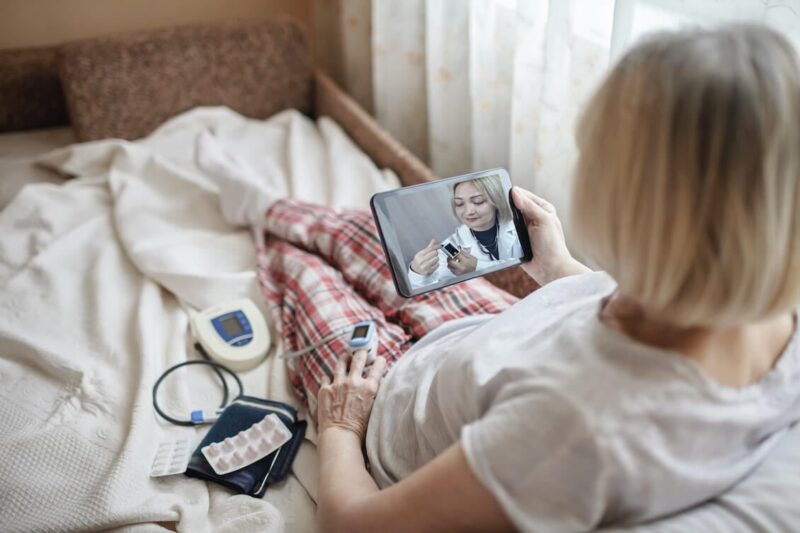
Remote monitoring offers real advantages, but it is not a universal solution. Understanding both strengths and limitations helps set realistic expectations.
Benefits include improved continuity, earlier intervention, reduced travel burden, and richer longitudinal data. Many individuals feel more supported between visits.
Limitations include technology access barriers, data fatigue, and the risk of over monitoring if boundaries are unclear.
A balanced view recognizes that:
- Remote tools complement, not replace, human care
- Not all individuals benefit equally
- Flexibility and personalization matter
- Opt in models support better engagement
Programs that adapt monitoring intensity over time tend to achieve better retention and satisfaction.
Conclusion
As recovery models continue shifting toward outpatient and community based care, remote monitoring will likely become standard rather than optional. Its value lies in adaptability.
Future developments are expected to focus on smarter alerts, reduced data burden, and more personalized feedback. The emphasis will remain on support rather than surveillance.
Ultimately, remote monitoring works best when it fades into the background of daily life. When tools feel helpful rather than intrusive, recovery becomes more sustainable.
The most successful programs remember that technology is only a bridge. Human connection remains the foundation.