


Have you ever paused over your morning coffee and asked yourself which food business really brings home the bacon in 2025?
Whether you’re a seasoned entrepreneur or someone dreaming up a restaurant idea, it’s a smart question. With skyrocketing labor costs, shifting consumer tastes, and evolving technology in play, knowing where profits lie is essential.
If steaking your savings on a food business is something you’re seriously considering for 2025, you’re probably wondering which path actually brings in more money. Owning your own place has a certain charm, but franchises come with built-in advantages that are hard to ignore.
So let’s talk honestly about how profits move this year, from people who build their restaurant from scratch to those who step into a franchise system that’s already in motion.
What Makes Profit in Food Service in 2025
Brand power, operational efficiency, location, digital sales, and cost control all shape whether a business survives or thrives.
Independent restaurants give you creative control, but stress every decision from menu to marketing. Franchises, on the other hand, come with brand recognition, established supply chains, and training programs. This often translates into faster break-even timelines.
Studies show about 70% of new franchises reach profitability within two years, compared with around 45% of standalone restaurants hitting that mark in the same period.
If you’re setting up a physical location, choosing the right fixtures and seating plays a part too. Investing in high-quality commercial furniture not only elevates the customer experience but also ensures durability and lower long-term maintenance costs – an often-overlooked profit lever for restaurant owners.
Both models have energetic proponents, but the key to profit often lies in the fine print: how well you manage margins, control costs, and respond to consumer habits.
Independent Restaurant Profit ─ Freedom With Risk
Running your own restaurant often starts from a dream: your vision, your food, and your rules. That freedom is exhilarating, but in 2025 it also comes with steeper challenges.
Why independents struggle
Most standalone restaurants face higher volatility in revenue and slower paths to profitability. With supply chain issues still lingering and food costs elevated, many independent owners find margins razor-thin.
Without the benefit of bulk buying or centralized marketing, negotiating better costs for ingredients or attracting consistent customer traffic is harder than it looks. Add rising wage pressure and utilities to the mix, and you’ll find a very real cost puzzle that each owner must solve on their own.
Franchise Ownership ─ Structure That Often Equals Profitability
Now let’s flip to franchise ownership. A franchise gives you a proven blueprint, recognizable branding, commercial support, and often a faster path to stable revenue. Many popular franchises also have robust digital ordering pathways and loyalty engines already built in.
Franchises typically achieve profitability faster than independent restaurants. Around 70% of franchised locations in 2025 hit profitability within two years – significantly higher than the roughly 45% of standalone restaurants.
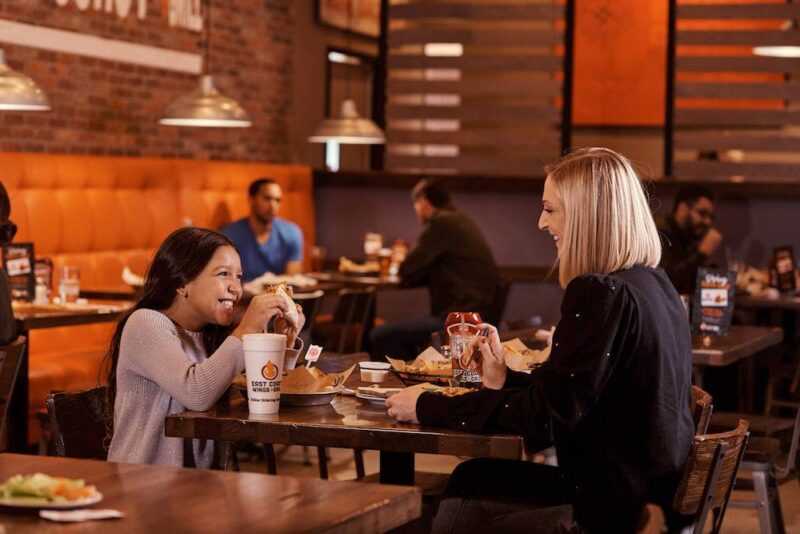
Why franchises often perform better
Here’s a quick table comparing key factors that influence profit potential:
|
Metric |
Independent Restaurant |
Franchise Model |
| Brand Recognition | Low | High |
| Supplier Pricing | Negotiated per owner | Bulk, centralized |
| Marketing Support | Owner-funded | System-wide programs |
| Training and Operations | Owner-developed | Standardized and proven |
| Break-even Timeline | Often 2+ years | Often 1–2 years |
| Risk Variability | High | Lower |
Even though franchises require royalties and fees – sometimes significant upfront franchise fees and ongoing royalties – the support ecosystem helps many owners scale more predictably.
Hybrid Models and Future Profit Trends
The restaurant landscape in 2025 isn’t binary. Hybrid models are gaining traction, such as ghost kitchens, combined brands under one roof (like Applebee’s with IHOP), and digital-first concepts. These setups aim to boost profits by maximizing utilization and diversifying revenue streams.
For example, dual-branded restaurants that serve breakfast through dinner under one roof have shown owners can earn two to three times the revenue versus operating a standalone breakfast concept. That additional top-line growth often translates directly into profit when managed correctly.
Ghost kitchens and delivery-first operations
Lower overhead and smaller footprints reduce capital expense dramatically, but this comes with a focus on digital discovery, marketing, and delivery logistics. For today’s diners, convenience often drives choice, and businesses that integrate delivery platforms and online ordering are capturing that demand.

Conclusion ─ Which Model Wins in 2025?
By now you can see that profitability isn’t just about picking “restaurant” or “franchise.” It’s about understanding your risk appetite, financial runway, and long-term goals. Franchises tend to offer a smoother path to profit, thanks to brand strength, supply chains, and operational support. Independent restaurants retain the allure of full creative control and potentially higher net profits – if you can execute well and manage costs smartly.
In 2025, the smart money is on models that combine structure with adaptability: franchises with strong brand demand, tech-forward independents, and hybrid operations that tap into modern customer behaviors.
The key? Make data-informed decisions, plan for long-term scalability, and always watch your margins.
FAQ Section
- What financial metrics should I track first when comparing a franchise and an independent restaurant?
Most new owners overlook early financial signals. The key metrics worth tracking from day one are average check size, labor percentage, food cost percentage, and customer acquisition cost. These numbers give you a realistic view of how quickly you can scale and whether your model can support long-term profitability. - Do franchises negotiate better lease terms than independent restaurant owners?
Often yes, but not always. Large franchise groups sometimes secure better rental conditions because landlords prefer the stability of a proven brand. However, this varies by area. Independent owners in smaller markets may still negotiate strong terms if their concept fills a local gap. - How important is location choice in determining which model becomes more profitable?
Location affects both models, but for franchises it’s tightly connected to brand playbooks and demographic requirements. Independents rely more on understanding neighborhood culture, competition, and unmet demand. A good location can compensate for weaker brand recognition, while a bad one can undermine even the strongest franchise. - Can I switch from an independent restaurant to a franchise later on?
It’s possible for some concepts, but it depends on branding, menu flexibility, and the requirements of the franchise you want to join. Many franchises prefer completely new builds or conversions that match their layout standards, so retrofitting an existing independent restaurant may require additional investment. - Which model makes it easier to expand into multiple locations?
Franchises generally offer a clearer path to multi-unit expansion because systems, supply chains, and training programs already exist. Independent restaurants can scale too, but operational complexity grows much faster unless you build internal systems that can be replicated.