

The first time that I had the realization that sports gear is not “just clothing” came on a dusty baseball field behind my high school.
It wasn’t a championship game. It wasn’t even a big crowd. Just a regular season game on a steamy afternoon when the sun seemed to be resting on your shoulders. We had plenty of talent, but we were inconsistent. Some days at least, we played like we were part of it. Other days, we were strangers who happened to be dressed in the same color scheme.
What coach did to us that day was a surprise. Instead of the usual castoff practice shirts, he distributed fresh jerseys — new, clean and sharp enough to make even the quietest kid stand a little taller. The room got louder instantly. People started smiling. “Now we look like a real team,” someone said.
And something shifted.
We went onto the field a different way. Shoulders back. Eyes up. Even in our warm-up throws we were cleaner. I’d think to myself, Why does this feel like such an ordeal? It’s just a jersey.
But it was not “just a jersey.” It was a sign — to ourselves and to anyone who would watch — that we were ready.
That is the power of the right attire in team sports. It’s not a magic level-up in skill, but it can undeniably shift your attitude and focus and performance.
The Psychology of “Feeling Ready”
Athletes don’t only exercise their bodies — they exercise their minds. And the mind is very much triggered by cues. Small ones. Repeated ones.
There’s a psychological principle called enclothed cognition, which is sort of the idea that what you wear — beyond just serving as clothing — influences how you think and feel and behave.
This is why people feel more confident in a suit at an interview. It’s the reason a doctor’s coat conveys authority. And in sports, it’s why the simple act of putting on a uniform can feel like you’ve just flipped a switch from everyday life to game mode.
For team sports, gear provides a mental trigger:
- I’m not just “me” right now. I’m part of a team.
- This isn’t casual. This is competition.
- It’s time to show up.
The body knows it, even if no one says so out loud.
Confidence In Sports: Not Just A Hype
But that’s not what sports confidence sounds like, and it isn’t loud trash talk or tiger-striped dramatic celebration. True confidence is more understated than that.
It looks like:
- taking the swing without hesitation
- throwing to first without second-guessing
“There are things that you won’t be afraid to do here, like calling for a ball when you know that you will get it reliable.”
recovering from a mistake as opposed to slumping
Confidence is a simple matter of body and mind telling you that you can achieve success in pressure. And it impacts everything — reaction time, decision-making ability and persistence.
The interesting part? Confidence is not only constructed through skill. It’s constructed through practice and setting.
And when they rolled up in it and looked good, felt good in it and were proud to represent the team on their backs yards well, then you weave that back into the culture here. It transmits to your brain: I’m supposed to be here. I’m prepared.+
Performance = Comfort: The Physiology of Gear
Now let’s talk about the bit most athletes don’t usually acknowledge until they’ve experienced it firsthand: bad gear can be game-destroying.
These are what you get for playing a sport long enough, chances are you’ve had at least one:
- a jersey that fits to your body like a glove
- suspenders that chafe the tender flesh of your underarms
- heavy fabric that traps heat
- pants that restrict movement
- collars that feel as if they are strangling you
- sleeves that ride up as you toss
These aren’t “small annoyances.” They’re distractions. And attention is costly in sports.
When your brain is occupied with: “This fabric is itchy.
- pitch selection
- footwork
- timing
- situational awareness
Instead, the right gear enables performance by doing one simple thing: It goes away. You don’t notice it. You move freely. You stay cool. You stay focused.
That’s why athletes care about:
- breathable materials
- moisture control
- lightweight construction
- flexible fit
Not because it’s special or fancy — but because it allows them to play without fighting their own uniform.
Team Identity: Is There Strength in Uniformity?
Let’s face it, one of the most undervalued and underappreciated aspects of team sports is identity.
A team never only is a players’ gathering. It’s a shared belief system:
- We work hard.
- We protect each other.
- We don’t quit.
- We are part of something larger than ourselves.
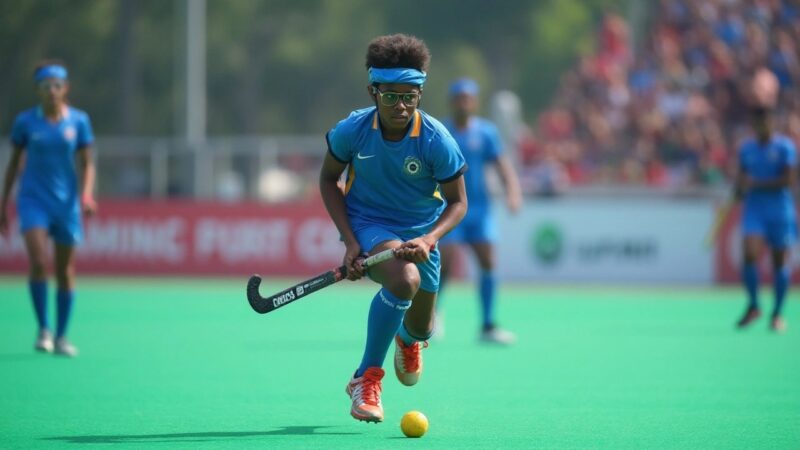
Uniforms help reinforce that identity. They erase differences and make things the same — in a good way.
When it’s everyone in the same color and design with the same name or logo, then there is a sense of “we.” That feeling can boost motivation and accountability.
It’s especially powerful for:
- youth sports teams
- school teams
- community leagues
- travel baseball squads
Because for so many athletes, the uniform is an emblem of belonging. It is the evidence that they have earned their place.
Why Fit Matters (More Than You May Think)
Fit isn’t just about looks. In sports, fit is a function.
In baseball especially, the fit affects:
- throwing mechanics (shoulders need freedom)
- bat swing (rotating the torso needs a certain flexibility)
- sprint (length of pants and jersey can influence comfort when you step)
- gliding (fabric & durability and how the fabric is placed matters)
But there is also a psychological element: body confidence.
Athletes—especially teenagers—can become self-conscious quickly. A jersey that’s too tight, or loose or awkwardly cut can make a player feel exposed. And that discomfort can impact posture, movement and even aggression in play.
When players like what they are wearing, no matter how outlandish it may seem to the rest of us, they stop thinking about their outfits and start feeling more comfortable with the game.
Gear as a Mental Cue: The “Game Mode” Switch
Every athlete has a personal ritual before the game.
It might be:
- taping wrists
- tying laces a certain way
- putting on a hat last
- listening to the same playlist
- warming up in a fixed routine
Gear is part of that ritual. It becomes symbolic.
Wearing a jersey can communicate:
- I’m ready to compete.
- I’m locked in.
- I’m representing my team.
This becomes even more important in team sports, of course, since your energy is contagious. When one player looks ready, others rise to meet it. Confidence is contagious.
The Perfect Gear for Your Team Sports: A Helpful Guide
If you’re picking out uniforms or team apparel, these are non-marketing factors that actually matter:
- Breathability: Opt for fabrics made to accommodate sweat and airflow.
- Range of motion: Shoulders and arms need to be loose, particularly with throwing sports.
- Moisture control: Sweat wants to evaporate, not hang around.
- Stitching quality: Weak or Tearable Seams Week seams tear out quickly, especially those in sliding sports and high movement sports.
- Fit options: Teams include different body types. Adjustable sizing is more comfortable for all.
- Durability: Uniforms should be able to withstand multiple washings and a lot of wear.
For many squads, customization is also identity — names, numbers and colors that bind their wearers. Some players feel that pride for the first time when their team makes a transition to custom jerseys, as it speaks volumes about how serious a team takes its culture and presence, such as from sources like USportsGear.
That’s not vanity talk — it’s about feeling some level of belonging and professionalism.
And it’s More than Just in Baseball: This is True of All Team Sports

Although this makes for a great baseball template, it holds true in just about every application:
- soccer kits affect your movement and confidence level
- hygiene and speed are influenced by comfort of basketball kits
- volleyball jerseys influence flexibility and sweat management
- hockey practice equipment affects safety and mobility
In all sports, it’s exactly the same:
And when comfort and identity meet confidence, performance succeeds.
Trust is in the (Small) Details
What about that high school game I mentioned earlier? We won. Not because the jerseys inherently imbued us with superpowers, but because they changed how we showed up.
We played with sharper energy. More communication. More belief.
And that’s the lesson: The right gear doesn’t supplant training — but it supports it. It helps athletes feel prepared. It reduces distractions. It strengthens team identity. And it can do so, often imperceptibly, building the kind of confidence required to perform when the time comes.
In sports — and in life — so much of confidence comes down to the repeated details, done consistently.
Sometimes, it begins with just being on the field and not feeling overmatched.