

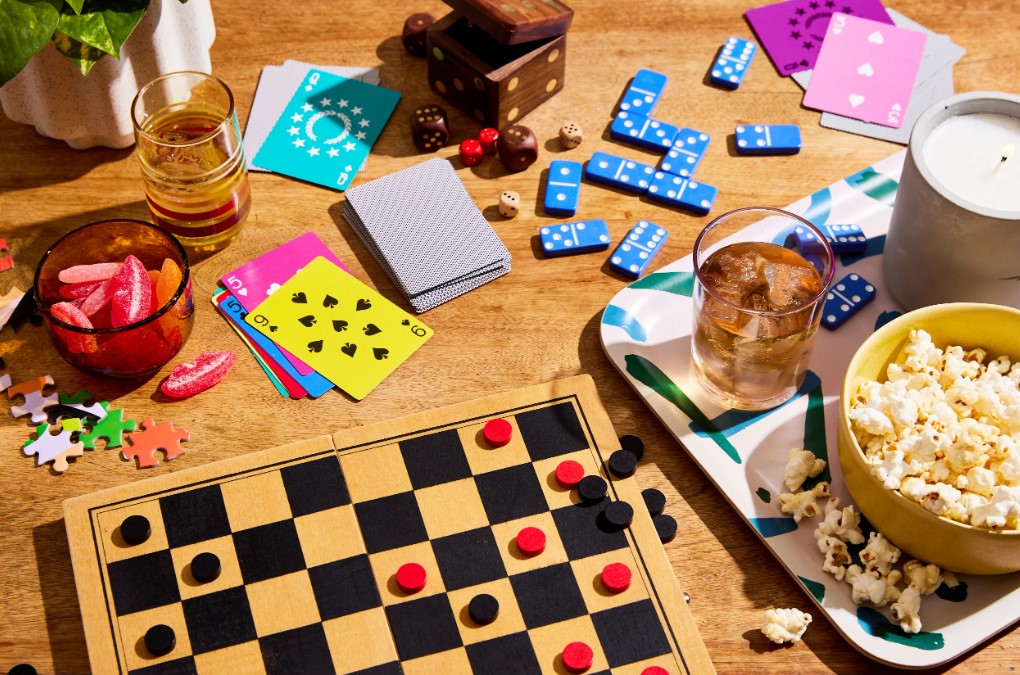
There’s something about sitting around a table with friends that just feels right. No pressure, no complicated setup, just laughter, a bit of competition, and those random moments that turn into inside jokes later. You don’t need a full board game collection or hours of planning to make a night memorable. Sometimes, the simplest table games are the ones that hit the hardest.
What makes these games special is how easy they are to jump into. No one feels left out, and even people who usually “don’t like games” end up getting pulled in. If you’re looking to upgrade your next hangout without overthinking it, these are exactly the kinds of games that bring energy, connection, and a lot of fun.
Dice games that bring out friendly competition
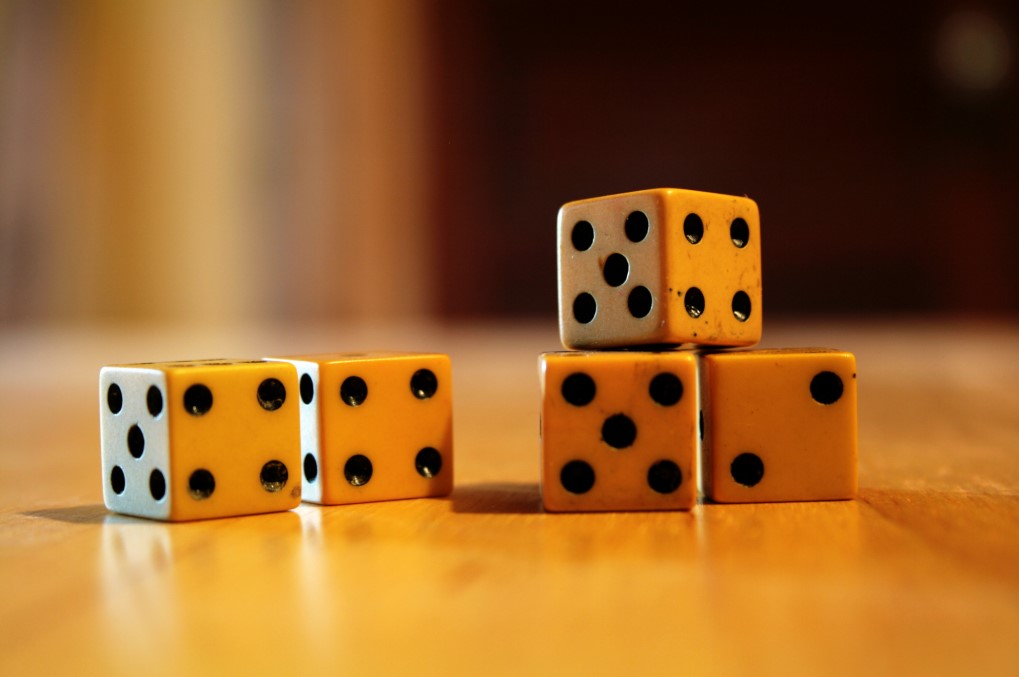
Dice games have a way of creating tension in the best possible way. Every roll feels like a tiny moment of suspense, and that unpredictability keeps everyone hooked.
Here’s a quick look at why dice games work so well:
|
Game |
Players |
Why it works |
| Yahtzee | 2+ | Mix of luck and strategy |
| Farkle | 2+ | Risk vs reward keeps it exciting |
| Liar’s Dice | 3+ | Bluffing adds social tension |
What makes these games special is how they build momentum. One lucky roll can turn the whole game around, which keeps even losing players invested. There’s always that feeling that the next turn might be the one.
Yahtzee is a classic that’s easy to learn but surprisingly strategic. If you’ve ever wondered how far you can push your luck, this breakdown of the highest score in yahtzee explains what’s actually possible and how players chase those perfect rolls. It’s a nice reminder that even simple games can have depth if you want them to.
After a few rounds, people start celebrating each other’s wins and groaning together at bad luck. That shared experience is what turns a simple dice game into a highlight of the night.
Card games that instantly get everyone involved
Card games are the backbone of casual game nights. You only need a deck, maybe two, and suddenly you’ve got endless possibilities. What makes them great is how adaptable they are to different group sizes and energy levels.
Some go-to options include:
- Uno for fast-paced, slightly chaotic fun
- Crazy Eights if you want something even simpler
- Poker if your group enjoys a bit of bluffing
- Go Fish for a relaxed, low-pressure vibe
What really matters is how quickly people can jump in. Within minutes, everyone understands what’s happening, and the table starts buzzing. The best part is that rules can evolve as you play. People add house twists, jokes become part of the game, and suddenly it feels like something unique to your group rather than just a standard card game.
Word and drawing games that spark creativity
If your group enjoys a bit of creativity, word and drawing games can completely change the energy of the night. They’re less about winning and more about expression, which often leads to the funniest moments.
Games like Pictionary or simple word association challenges work especially well. You don’t need artistic skill or a big vocabulary. In fact, the worse the drawing or the stranger the word choice, the better it usually is.
Did you know?
Some studies suggest that playful creative activities like drawing or word games can actually strengthen social bonds faster than competitive games. It makes sense when you think about how much people laugh during them.
These games shine because they lower the stakes. No one is worried about being perfect. Instead, people lean into the silliness, and that’s where the real fun happens.
Quick reaction games that keep energy high
Sometimes, you want something fast and a little chaotic. That’s where reaction-based games come in. They’re perfect when the group starts to get louder and more competitive.
A few easy ideas include:
- Slapjack, where speed matters more than strategy
- Snap, which turns into a battle of reflexes
- Spoon games, where players grab objects at the right moment
Quick reaction games work because they engage instinct rather than logic. Players don’t have time to overthink, which creates spontaneous and often hilarious moments.
These games are especially good later in the evening when everyone is more relaxed. They bring bursts of excitement and keep people on their toes. Even spectators get involved by cheering or laughing at near misses.
Minimal setup games for spontaneous fun
Not every game night is planned. Sometimes, you just want something you can start instantly without searching for materials or explaining rules.
A few reliable options include things like “Would You Rather,” simple guessing games, or even storytelling chains where each person adds a sentence. These might not seem like traditional table games, but they work incredibly well in a casual setting.
The beauty of these games is how flexible they are. You can play them anywhere, adjust them on the fly, and include anyone who joins late. There’s no pressure to keep score or even declare a winner.
These moments often become the most memorable part of the night because they feel natural and unforced. It’s just people enjoying each other’s company with a bit of structure to keep things flowing.
Mixing game styles for the perfect night
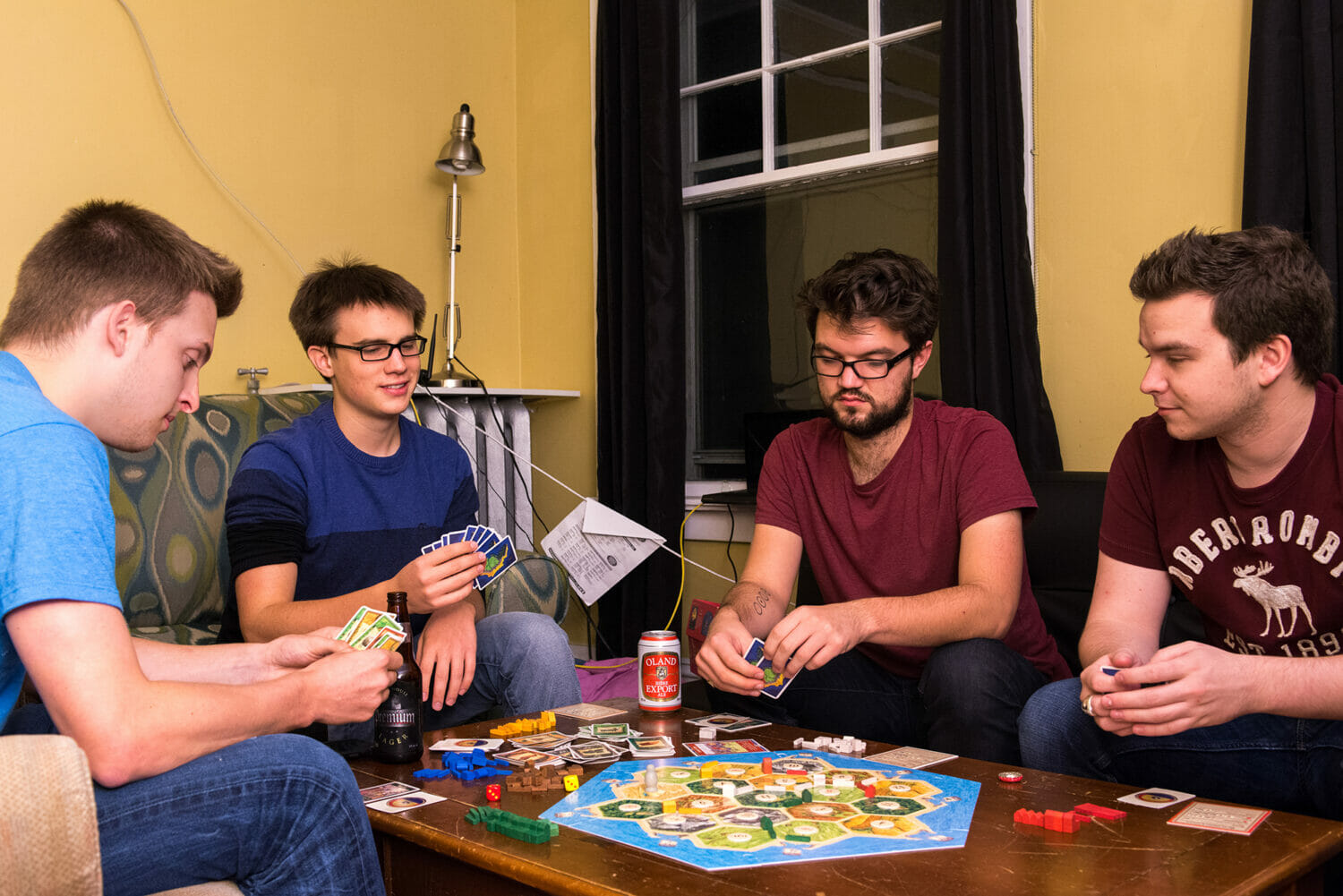
The best game nights rarely stick to just one type of game. Mixing things up keeps the energy balanced and prevents people from getting bored.
You might start with something light like a word game, move into a card game once everyone is settled, and then switch to a fast-paced reaction game later on. This variety keeps different personalities engaged.
Some people love strategy, others prefer creativity, and some just want quick laughs. By rotating game styles, you make sure everyone gets their moment.
It also helps the night feel like a journey rather than a single activity. Each game adds a different layer to the experience, and before you know it, hours have passed without anyone checking their phone.