

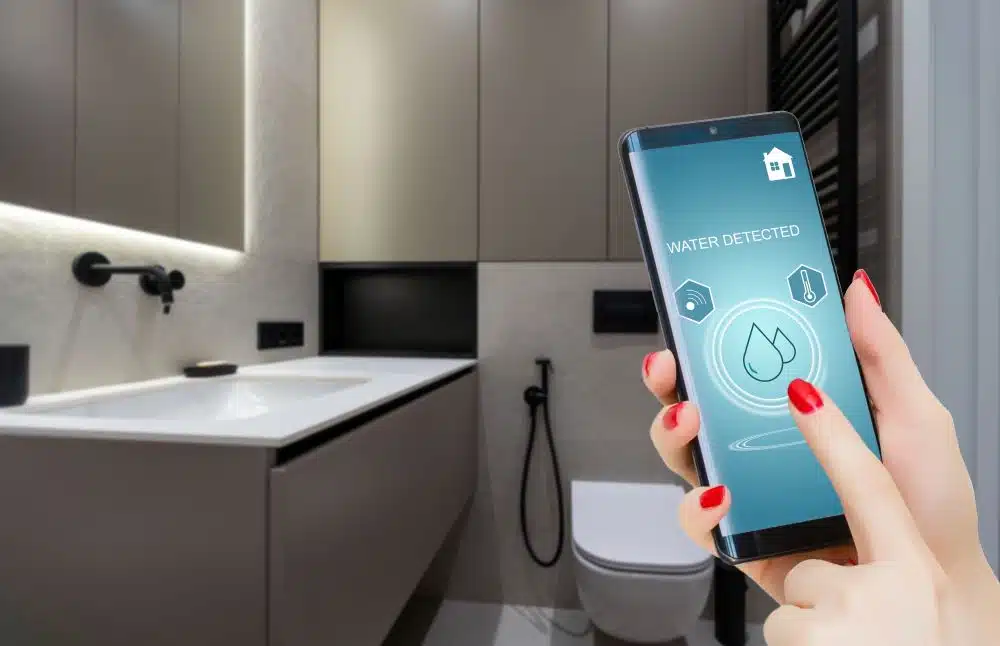
Smart home technology has evolved rapidly over the past decade. While early innovations focused on lighting, entertainment, and security, a quieter but equally important transformation is now taking place inside the walls and foundations of American homes: smart plumbing.
As homeowners face rising water costs, aging infrastructure, more extreme weather patterns, and higher insurance scrutiny, plumbing technology is shifting from reactive repairs to proactive protection. Smart plumbing systems are designed to monitor water usage, detect problems early, reduce waste, and prevent catastrophic damage before it occurs.
Industry data shows that water damage remains one of the most common and costly causes of homeowner insurance claims in the United States. According to insurance industry estimates, even a small, undetected leak can result in thousands of dollars in repairs if left unchecked.
In response, manufacturers, builders, insurers, and plumbing professionals are increasingly embracing smart plumbing solutions as a standard part of modern homes. Here are the most important smart plumbing trends shaping residential properties in 2026, and why homeowners should be paying attention.
1. Whole-Home Leak Detection Is Becoming a Baseline Feature
Leak detection has emerged as the single most impactful smart plumbing upgrade. Traditional plumbing systems rely on homeowners noticing visible damage, unusual sounds, or rising water bills. Smart leak detection systems change that equation entirely. Modern systems use a network of sensors placed at common failure points, including:
- Under sinks and toilets
- Near water heaters
- Along supply lines
- In basements, crawlspaces, and utility rooms
These sensors monitor moisture levels and flow rates continuously. If abnormal activity is detected (such as water running when no fixtures are in use), the system can alert the homeowner immediately through a mobile app. More advanced setups include automatic shutoff valves that stop water flow instantly, preventing extensive damage.
Plumbing companies such as Bizzy Bee Plumbing, who work with residential systems across North Carolina, note that homeowners are increasingly requesting leak detection installs after experiencing or witnessing costly water damage incidents.
2. Smart Water Meters Are Changing How Households Track Usage
Water conservation has become a financial necessity. Smart water meters provide homeowners with detailed, real-time insights into how water is being used throughout the home. Unlike traditional meters that offer limited monthly data, smart meters can:
- Track daily, weekly, and monthly consumption
- Identify sudden spikes or irregular patterns
- Detect silent leaks that don’t trigger visible damage
- Separate indoor and outdoor water usage
This level of visibility allows homeowners to make informed decisions, adjust habits, and identify inefficiencies early. As municipalities continue to raise water rates in many regions, smart metering is quickly becoming a practical tool for controlling utility costs.
3. Tankless and Smart Water Heaters Continue to Gain Market Share
Water heating typically accounts for a significant portion of a home’s energy usage. In response, tankless and smart water heaters are becoming increasingly popular in both new construction and retrofit projects. Tankless systems heat water only when it is needed, eliminating standby energy loss associated with traditional storage tanks. Smart water heaters go a step further by offering:
- Remote temperature adjustments
- Energy usage monitoring
- Maintenance alerts
- Failure warnings before breakdowns occur
These features help homeowners optimize performance while reducing the risk of sudden loss of hot water. As equipment prices stabilize and installer familiarity grows, adoption rates are expected to increase throughout 2026.
4. Greywater Recycling Moves From Niche to Mainstream Awareness
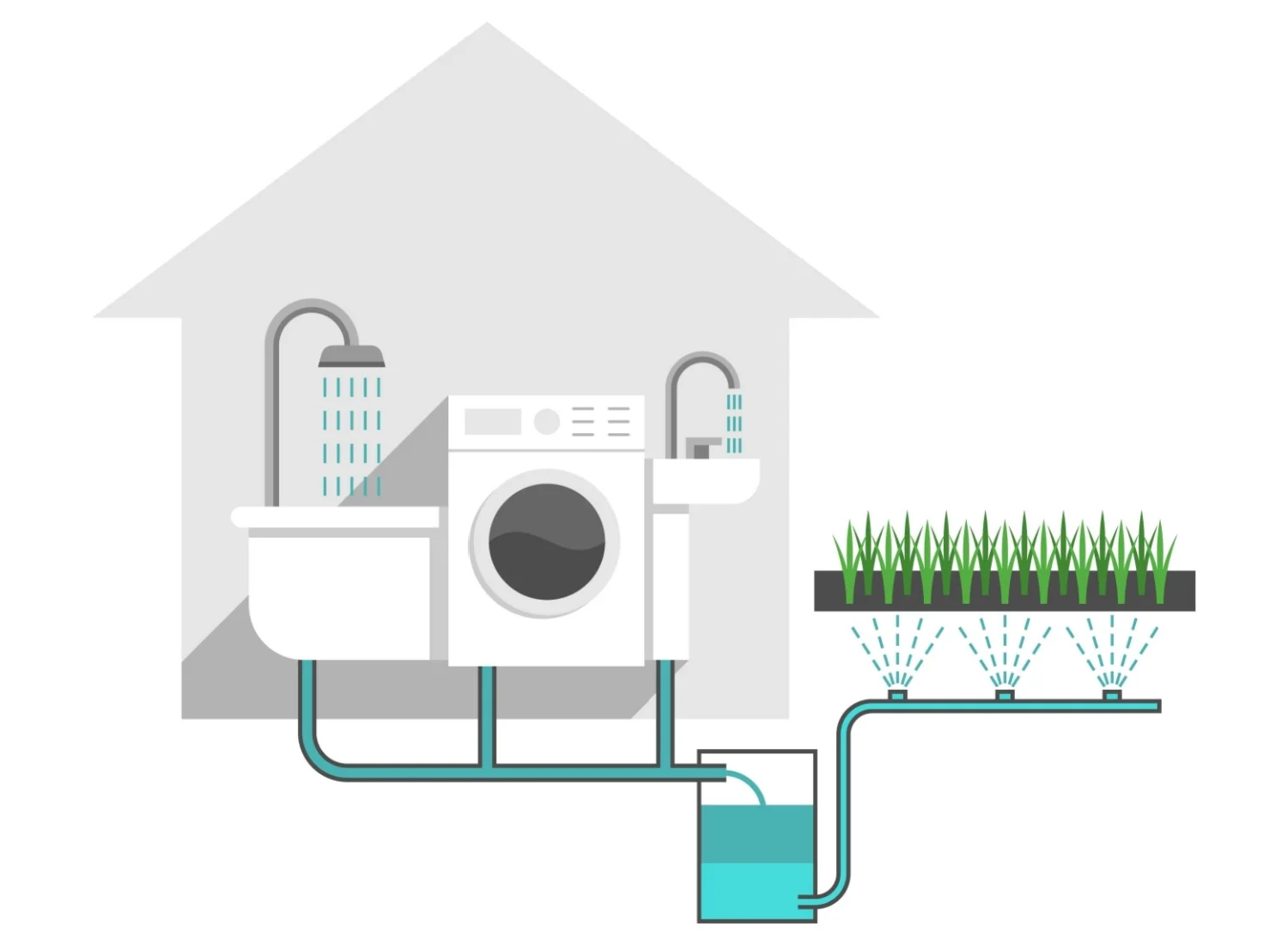
Greywater recycling systems, which reuse water from sinks, showers, and laundry for non-potable purposes like irrigation or toilet flushing, are gaining traction, particularly in areas facing water shortages.
While not yet standard in all jurisdictions, regulatory frameworks are evolving, and some municipalities now offer incentives for installation. Properly designed systems can reduce total household water usage by a significant margin, lowering both utility bills and environmental impact. Homeowners considering these systems must work with licensed professionals to ensure compliance with local codes and health regulations.
5. AI-Assisted Plumbing Diagnostics Are Emerging
Artificial intelligence is increasingly being integrated into smart home platforms, and plumbing is no exception. Advanced monitoring systems now analyze water usage data to identify subtle trends that might otherwise go unnoticed. AI-powered diagnostics can detect:
- Gradually worsening leaks
- Inconsistent water pressure
- Heater inefficiencies
- Seasonal usage anomalies
Over time, these systems learn household patterns and can alert homeowners when something deviates from the norm. While still developing, AI-assisted plumbing diagnostics are expected to become a common feature in new construction homes over the next several years.
6. Voice-Controlled Fixtures Expand Accessibility and Convenience
Voice control has moved beyond lighting and thermostats. In 2026, more plumbing fixtures are integrating with popular smart assistants, allowing homeowners to:
- Set precise water temperatures
- Fill tubs to specific levels
- Start or stop faucets hands-free
These features improve convenience and accessibility, especially for households with children, seniors, or individuals with mobility challenges. Hygiene benefits in kitchens and bathrooms also contribute to their growing appeal.
7. Smart Irrigation Systems Reduce Outdoor Water Waste
Outdoor water use often represents a substantial portion of total household consumption. Smart irrigation systems use real-time weather data, soil moisture sensors, and seasonal adjustments to optimize watering schedules. These systems help prevent:
- Overwatering
- Irrigation during rainfall
- Water loss from broken sprinkler heads
As drought conditions become more common in many regions, smart irrigation technology is playing an increasingly important role in responsible water management.
8. Predictive Maintenance Is Replacing Reactive Repairs
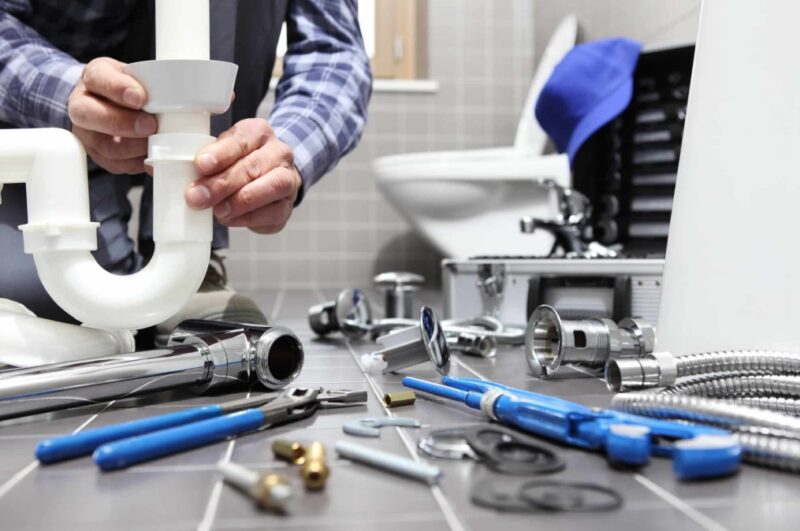
One of the most significant shifts in plumbing technology is the move from reactive repairs to predictive maintenance. Sensor-equipped systems can identify early warning signs of failure before a breakdown occurs. Examples include:
- Water heaters detecting abnormal heating cycles
- Pressure sensors identifying weak or stressed supply lines
- Flow monitors recognizing partial blockages
This approach reduces emergency repairs, lowers long-term costs, and minimizes disruption to daily life.
9. Insurance Companies Are Driving Adoption
Insurance providers are playing a major role in accelerating smart plumbing adoption. Many insurers now offer premium discounts for homes equipped with leak detection systems, automatic shutoff valves, and smart meters.
In some cases, insurers are beginning to require these systems for high-risk properties or homes with a history of water damage claims. As a result, smart plumbing is increasingly viewed as both a protective upgrade and a financial safeguard.
10. Builders Are Integrating Smart Plumbing Into New Homes
New residential construction is increasingly incorporating smart plumbing infrastructure from the outset. Common features include:
- Pre-installed shutoff valves
- Tankless or smart water heaters
- Water monitoring systems
- Pressure regulation technology
By 2026, smart plumbing is expected to be as standard in new homes as smart thermostats and energy-efficient lighting.
Endnote
Smart plumbing is a practical response to modern challenges facing homeowners. Rising repair costs, unpredictable weather patterns, aging infrastructure, and stricter insurance requirements are all contributing to its rapid adoption.
Whether through a simple leak detector or a fully integrated monitoring system, smart plumbing technology provides homeowners with greater control, visibility, and protection than ever before. Plumbing professionals, including companies like Bizzy Bee Plumbing, are seeing growing demand from homeowners who want to move beyond emergency fixes and toward long-term system reliability.
As 2026 unfolds, smart plumbing is poised to become a core component of responsible homeownership, quietly working behind the scenes to prevent disasters, reduce waste, and protect one of a home’s most valuable assets.