


In today’s ever-evolving market landscape, the difference between stagnation and growth lies in the strategies sales teams adopt. Transforming your sales approach isn’t just about creating a dynamic team; it’s also about incorporating the latest in technology, data analytics, and customer relationship management.
Upgrading your tactics can lead to greater efficiency, stronger customer relationships, and a significant increase in sales. In this article, we will explore practical strategies to revamp your sales process, drive your company’s success, and outpace the competition.
Below are insights and methodologies to rejuvenate your sales strategy in tactful and innovative ways.
Embracing Digital Transformation in Sales Strategy

The adoption of digital tools is no longer optional in contemporary sales strategies. Digital transformation can streamline sales operations, enhance communication channels, and offer new avenues for lead engagement. By incorporating modern sales software and embracing digital platforms, businesses can interact with customers more effectively. Transform Your Sales Strategy with Altify to deepen the integration of AI and machine learning tools and redefine your sales force’s potential.
Moreover, the digital transformation helps reach a global audience, enabling access to a previously untapped clientele. This global reach becomes particularly valuable for businesses looking to expand their market share and attract international customers.
Sales teams can also use digital tools for internal processes to optimize workflows and free up time to focus on client interactions and deal closing. For instance, sales automation can handle repetitive tasks, freeing up sales representatives to focus on strategy and lead engagement.
However, a successful digital transformation requires more than technology adoption; it requires a mindset shift toward innovation and continuous improvement. Companies need to be willing to experiment and learn from digital trends to stay ahead in a highly competitive sales environment.
Integrating CRM Systems for Streamlined Sales Processes
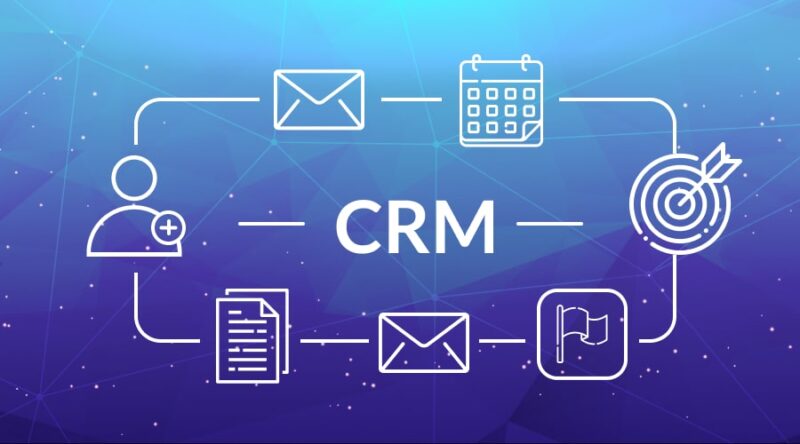
Customer relationship management (CRM) systems are a cornerstone of modern sales strategies. These systems consolidate customer information into a single platform, providing a comprehensive view of interactions, histories, and future opportunities for every prospect or client.
A strong CRM consolidates all customer data into one centralized system, providing teams with complete visibility into interactions, preferences, history, and upcoming opportunities. When information lives in one place, nothing is forgotten, responses are more strategic, and communication becomes more personalized.
A powerful CRM removes internal silos, encourages better collaboration, and ensures that every team member has access to the right insight at the right moment. Beyond improving customer experience, CRM tools significantly enhance forecasting, pipeline clarity, and performance tracking. With real-time visibility, leaders can anticipate future outcomes and allocate resources more intelligently.
Choosing the right platform matters. The system should be scalable, intuitive, secure, and easily adaptable to your organization’s needs. A thoughtfully implemented CRM is much more than software; it becomes the backbone of an efficient and future-ready commercial organization.
Tailoring Tactics with AI and Machine Learning
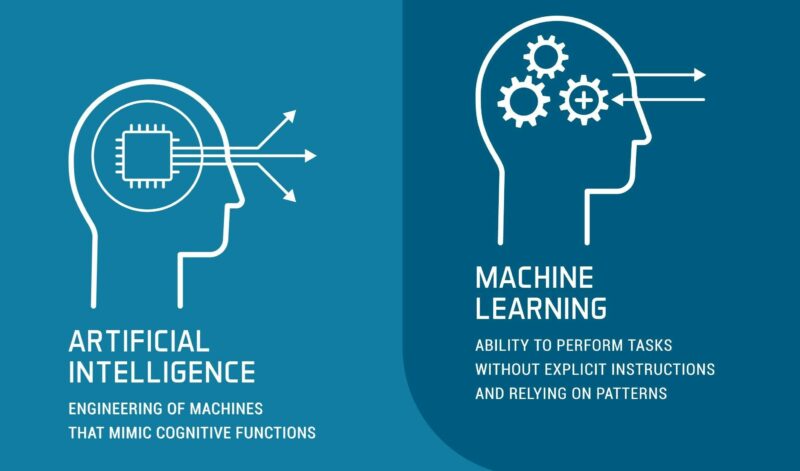
Personalization is one of the strongest drivers of modern business success, and artificial intelligence plays a huge role in making it possible. AI and machine learning analyze massive volumes of data, identify behavioral patterns, and predict what customers are likely to do next. This enables organizations to craft targeted campaigns, customize communication, and provide people with the right solution at exactly the right moment.
These advanced technologies support smarter pricing strategies, more accurate forecasting, and improved product or service recommendations. They also help identify the most valuable leads and prioritize efforts where the highest impact is expected. With intelligent segmentation, outreach becomes more relevant, engagement increases, and relationships deepen.
At the same time, AI frees human professionals to focus on creativity, negotiation, empathy, and problem solving—the parts of business development that technology cannot replace. The companies that combine human expertise with intelligent automation will continue to outperform competitors.
Strengthening Alignment Between Marketing and Revenue Teams
Commercial performance declines when departments operate independently. Alignment between marketing and business development functions ensures that messaging is consistent, lead quality is higher, and communication flows smoothly. When teams share goals rather than working separately, organizations experience fewer lost opportunities and stronger overall execution.
Key alignment benefits include:
• Marketing generates leads that actually match what representatives need
• Teams gain earlier insight into buyer behavior and intent
• Brand communication remains consistent across every channel
• Shared accountability improves decision making and collaboration
Unified reporting, shared KPIs, regular strategy sessions, and integrated tools create a healthier ecosystem where both functions support rather than compete with each other.
Leveraging Data to Guide Decision-Making
Organizations that treat data as a strategic asset outperform those that rely on instinct alone. Modern analytics clarify performance, highlight risk areas, and reveal untapped opportunities. Instead of guessing why something works or fails, leaders can see the truth in measurable form.
Data supports:
• Understanding win-loss trends
• Measuring customer lifetime value
• Tracking conversions at every buying stage
• Identifying the most profitable segments
• Adjusting tactics with confidence
Teams that review data regularly become more intentional, efficient, and effective. Decisions become proactive rather than reactive, which is a major advantage in competitive environments.
Fostering a Culture of Continuous Learning and Adaptability

The world of business development moves quickly. Methods that worked two years ago may already be outdated today. This is why organizations benefit most when they nurture curiosity, continuous learning, and flexibility. Professionals must stay up to date with market trends, emerging tools, negotiation approaches, and behavioral insights.
Adaptability matters just as much. Markets shift, competition evolves, and customer expectations change. Teams that can adjust strategies without fear maintain stronger long-term resilience. By encouraging education, experimentation, and constructive feedback, businesses build confident professionals who can thrive even in uncertain environments.
Ultimately, knowledgeable and adaptable individuals create smarter strategies, stronger customer trust, and durable success.
Enhancing Customer Experience as a Strategic Priority
Revenue follows relationships. When customers feel valued, supported, and understood, they stay longer, recommend more often, and engage more deeply. Experience quality is no longer a bonus—it is a strategic necessity.
Improving experience often includes:
• Faster and more thoughtful follow-up
• Clear and transparent communication
• Personalization instead of generic outreach
• Strong after-purchase care and nurturing
Organizations that place the customer at the center build loyalty, reputation, and repeat business. Over time, this creates stability and organic growth.
Final Thought

Transforming your sales strategy is not a single initiative—it is a comprehensive journey. By embracing digital transformation, using CRM intelligently, incorporating AI, aligning internal functions, relying on data rather than guesswork, investing in learning, and prioritizing customer experience, organizations build a foundation that supports long-term performance and reliable growth. Businesses that commit to these principles position themselves to thrive, not just compete, in an increasingly demanding market environment.