

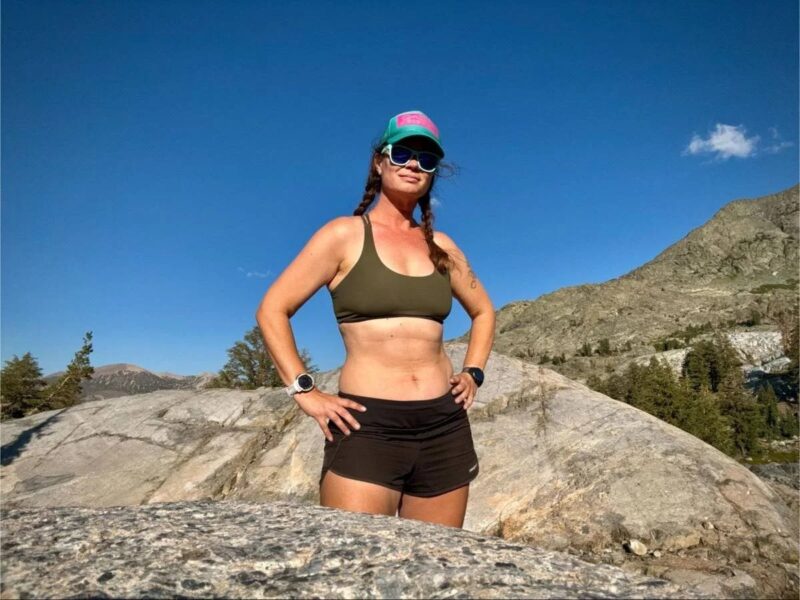
The first time I realized “being outdoors” does not necessarily mean “having fun,” I was on an all-day hike that I’d been fantasizing about for months.
The trail wasn’t even intense; it was hallucinatory, featuring rolling hills and wooded passages and a final lookout off which you could see for miles upon miles. I had loaded up on snacks, charged my phone and even packed a camera so I could take pictures as we went along.
But the second half of the hike, as it turns out, is when the fun was gradually let out of the day — quite literally.
Sweat slipped into my eyes and burned so much that I had to sit down every five minutes or so. My shirt felt heavy and damp. My backpack straps gave me raw shoulders. And instead of breathing in the fresh air, listening to birdsong, I could not stop thinking: How much longer until this is over?
It was at that moment that it struck me: outdoor adventures are not ruined by the big stuff. They are destroyed bit by bit, by heat and friction (they cook), by dehydration, by poor preparation.
The good news? Forest issues like these can almost entirely be prevented. It’s not about being “high maintenance.” Because it’s about getting wise — so your body doesn’t become the barrier between you and a great day outside.
Comfort Is Just Three Principles of Physics: Heat, Moisture and Friction
Whether it’s hiking, walking around a new city, biking a beautiful path or sitting on the beach all day, most outdoor discomfort can usually be chalked up to the same three culprits:
- Heat: Overheating depletes your energy rapidly and may result in headaches, dizziness and irritability.
- Moisture: Sweat and wet clothing makes one get chills in the wind, feel uncomfortable in the heat and experience skin irritation in both.
- Friction: Chafing, blisters and strap rubs can transform a delightful trip into misery.

When you know these three enemies of comfort, you can prepare for them as easily as for snacks and photos.
Dress Smart: What Works on Your Body
One of the most underrated outdoor skills is knowing it’s time to change clothes.
Some people are cotton-obsessed, because it’s soft and they just assume softness is always best. But cotton is moisture retentive — when you sweat, it remains wet. That’s why cotton can feel heavy and clingy on hot days, and unexpectedly cold when the wind blows.
Outfit options for greater outdoor comfort:
- Moisture-wicking (pulls sweat away from the skin)
- Breathable tops with ventilation
- Multiple light layers instead of one heavy outfit
- Wicking fabrics for shorts and socks
A lazy layering approach should be fine:
- Base layer: moisture control
- Mid layer: warmth if needed
- Outer shell: wind or rain protection
And if you’re walking around all day, don’t discount sun protection clothing — long sleeves and lightweight hats often feel cooler than skin in direct sunlight.
Fabric with Moisture Control: Sweated-wicking support to keep you dry and comfortable.
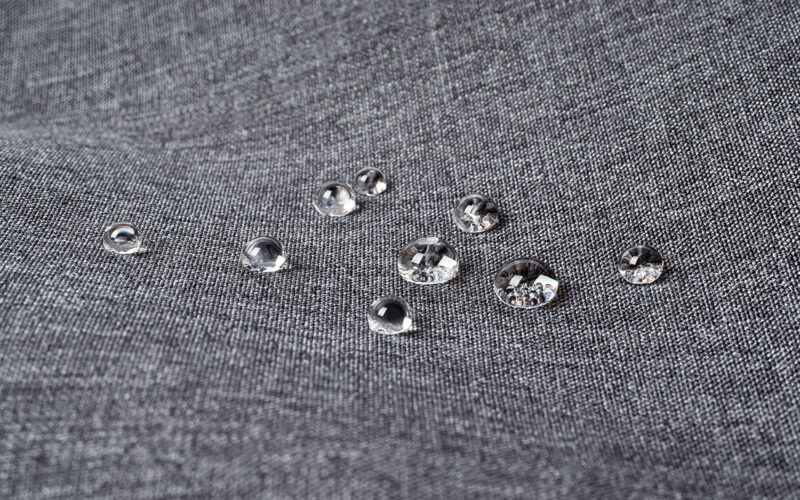
Sweat is healthy — it’s your body’s air-conditioning system. But sweat is when it becomes an issue; when it starts affecting your ability to concentrate and be comfortable.
Typical outdoor problems that sweat causes are:
- eyes stinging & visibility diminished due to sweat on forehead (it’s also impossible to see through and not flush absolutely everything out)
- slippery hands (less grip with trekking poles, bikes or climbing)
- damp clothing that increases chafing
- wet hair and head heat uncomfortable
Practical tips for dealing with sweat outside:
- cool off in the shade for a few minutes at a time
- sweat efficiently (hydration is linked to sweat efficiency)
- choose breathable clothing and hats
- carry a small towel or sweat-wipe cloth
Use sweat wristbands or forehead management tools
During one noontime city-walking session in the summer, I literally saw multiple humans out with sweatbands — and not for style. It all added up: If sweat is constantly distracting you, then you’re not in the here and now.
It’s also why sweat-friendly accessories that are customizable exist. For instance, 4inbandana sell sweatbands for active use — like what sports teams or people at outdoor festivals can use when they’re looking to stay cool without wiping their face with a shirt.
The Real Energy Secret: Hydration and Electrolytes
Outdoor adventures also tend to be more challenging than workouts because they’re both longer and less predictable. You may not realize how much you’re sweating until fatigue jolts you.
Early signs of dehydration:
- headache
- dry mouth
- dark yellow urine
- dizziness
- low energy
- irritability
One common mistake, they say, is to wait until you feel thirsty. Thirst is a late signal. Better is simply the old-fashioned drinking-on-a-schedule — particularly during long walks, hikes or sightseeing days.
When water is enough:
- short walks
- mild weather
- light activity under 60 minutes
When electrolytes matter:
- heavy sweating
- hot/humid conditions
- long hikes or runs
- outdoor sports tournaments
Electrolytes (in particular sodium) also assist in fluid balance and muscle function. If you are sweating profusely and only drinking water, you may be feeling weak because your body requires mineral replacement.
Sun And Your Skin: Comfort Now, Good Health Later
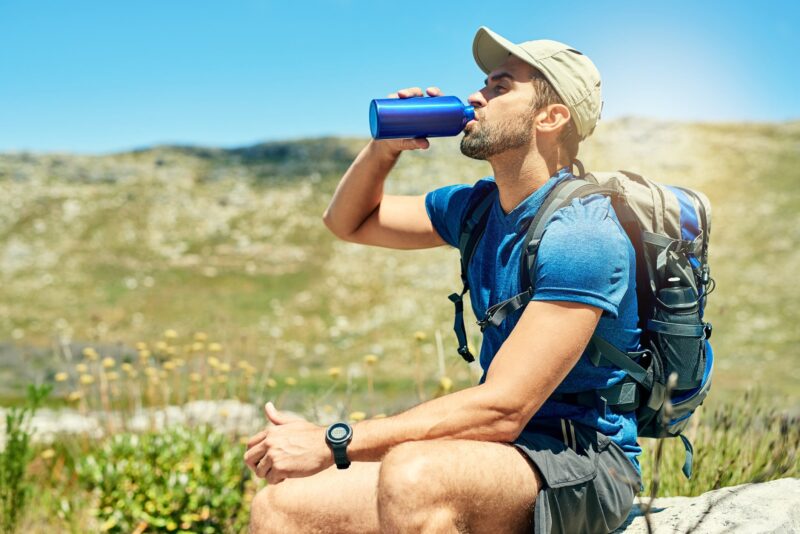
Sun exposure isn’t just about preventing long-term damage — it also plays a role in how you feel right now.
Too much sun can cause:
- fatigue
- headaches
- overheating
- skin irritation
- eye strain
Sun protection basics:
- use sunscreen 15–20 minutes before you go out
- reapply every two hours (more if we’re sweating or swimming)
- it’s2017 I shouldn’t have to ask for neck, ears, and hands smh
A lot of the time, protective clothing will be more comfortable than sunscreen:
- hats reduce scalp heat
- sunglasses reduce squinting and fatigue
- loving sleeves shield kids from the sun’s powerful rays and also keep skin cooler
Foot Comfort – Your Most Critical Adventure Saving Tool
If there is one thing that can ruin an outdoor trip faster than anything else, it’s foot pain.
Blisters and sore feet can ruin even short outings.
Foot comfort tips:
- pass up the opportunity to break in shoes
- opt for the right ventilated shoes in hot climate
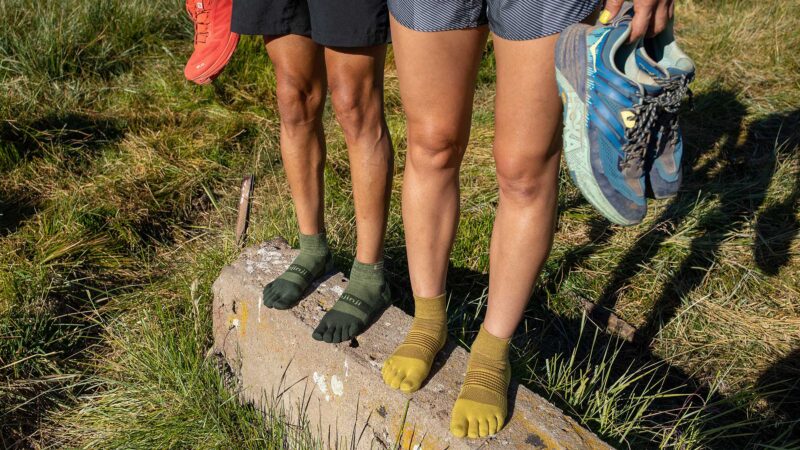
- steer clear of cotton socks (they hold in moisture)
- use moisture-wicking or wool-blend socks
- carry blister patches or tape as a back-up
It’s called a break for a reason! An easy trick: slip off your shoes for 5 minutes when you have an extended interruption. Let your feet breathe. It may not seem like much, but it acutely decreases swelling and pressure.
Preventing Chafing and Skin Irritation
Chafing is one of those not-talked-about things that you don’t care about until it happens to you.
Common chafing zones:
- inner thighs
- underarms
- waistband areas
- backpack strap contact points
Chafing prevention:
- wear well fitting clothes (not too tight or to lose)
- apply anti-chafe balm or vaseline
- bring skin in contact with (air)/ dry/ as possible
As soon as you can change into dry clothing
When irritation is painful or creates open skin — the minute you’re no longer dealing with “just discomfort” — it’s a risk for infection.
Items Recommended (Non-Promotional) Comfort Accessories That Actually Do Something
Some accessories are gimmicks. Others are lifesavers.
Here are the outdoor comfort items that actually work:
- sweatbands/headbands
- cooling towels
- hydration packs or bottles
- mini first-aid kit
- blister pads
- sunscreen stick
- sunglasses
- lightweight gloves for biking/hiking
- The trick is in the selection of items that are:
- breathable
- washable
- lightweight
- easy to pack
Recovery from the Adventure: Why You Shouldn’t Miss This Part
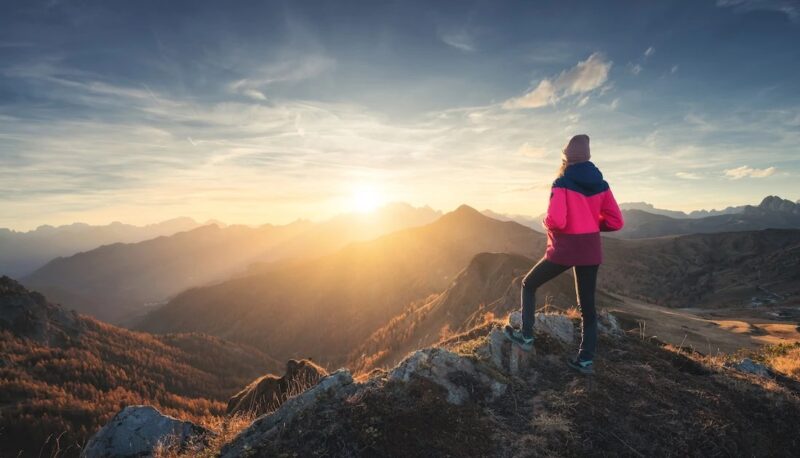
Most folks wrap up an outdoor adventure and crash — then wake feeling stiff, sore and spent the next day. (Recovery counts, too, especially if you’re traveling and hoping to be active again tomorrow.)
Easy recovery steps:
- hydrate after activity
- stretch calves, hips, shoulders
- shower and clean sweat-prone areas
- quickly address any hotspots or irritation
- prioritize sleep
More generally, be on the lookout for danger signs like nausea, serious dizziness or confusion — they can indicate heat-related illness.
Comfort Isn’t Extra—It’s Smart
That hike I mentioned earlier? I did it again the next year. Same trail, same lookout point, same thrill — only this time it was all different.
I dressed smarter. I drank water before I was actually thirsty. I packed blister patches. I’d found a way to sweat before it became an issue. And rather than waiting out the minutes until it was over, I found myself reveling in the journey.
Outdoor escapades aren’t meant to be survival gigs. They’re meant to be freedom.
And when you gear up for comfort — heat, moisture, friction — it’s not just that your body is shielded. You preserve the fun of it for both parties.