

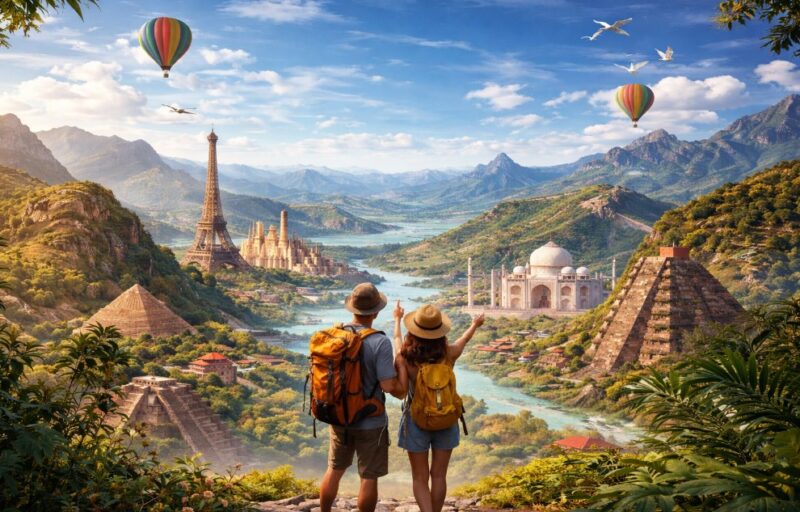
Some trips add photos to your camera roll. Others quietly rearrange how you understand people, time, and yourself.
The difference isn’t distance or budget. It’s exposure—being placed in situations that loosen assumptions and force attention outward. Travel that changes perspective doesn’t announce itself as transformative. It works slowly, through contrast, repetition, and moments that don’t fit neatly into expectation.
These experiences don’t just show you new places. They change the lens you use when you return home.
Why Certain Journeys Shift Perspective More Than Others
Perspective shifts when familiar frameworks stop working. At home, habits and beliefs reinforce themselves. Travel interrupts that feedback loop. When routines break, curiosity replaces certainty.
The most impactful journeys don’t overload the senses. They create space for observation.
Discomfort as a Teacher, Not an Obstacle
Mild discomfort—language barriers, unfamiliar customs, different rhythms—forces attention. It highlights assumptions you didn’t know you were carrying. This kind of friction, when manageable, expands empathy and patience.
Slower Travel Reveals More
Moving slowly through a place allows patterns to emerge. You stop seeing landmarks and start noticing people. That shift changes how destinations are remembered and understood.
Five Travel Experiences That Redefine Perspective
These experiences share a common trait: they remove control just enough to invite learning. Each one reshapes how travelers see culture, time, and their own role in the world.
Living Temporarily Inside Another Culture
Staying long enough to develop routine—shopping locally, navigating public transport, interacting without translation—changes how culture is perceived. It stops being aesthetic and becomes functional.
Living inside another system reveals how arbitrary many norms are. What felt “normal” back home becomes one option among many.
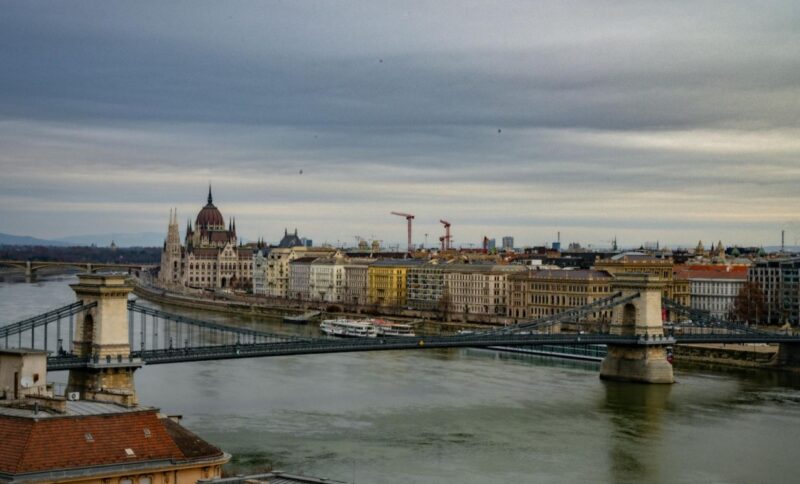
Taking a River Cruise Through Europe
This one reframes distance and history. Cities arrive gently, stitched together by waterways older than modern borders. When cruising on a calm European river, movement feels continuous rather than fragmented.
This format removes logistical distraction, allowing attention to settle on how regions connect. You begin to see Europe not as isolated destinations, but as a living network shaped by trade, migration, and shared time.
Traveling Through Nature Without Constant Mediation
Journeys centered on nature—deserts, mountains, coastlines—shift scale. Human concerns shrink when placed against geological time or expansive landscapes.
This kind of travel alters how problems are sized. Perspective widens, urgency softens, and patience grows.
Navigating Places Where You Don’t Speak the Language
Language barriers strip communication down to essentials. Gestures, tone, and observation replace words. Misunderstandings happen, but so do unexpected connections.
This experience builds humility. It teaches listening over speaking and highlights how much meaning exists beyond language.
Returning to Places Tied to Personal History
Revisiting places connected to earlier versions of yourself reveals internal change. The location stays mostly the same. You don’t.
This contrast deepens self-awareness and reframes personal growth as something lived rather than planned.
How These Experiences Reshape Daily Thinking
Perspective-altering travel doesn’t end at the airport. Its influence shows up quietly, in reactions and decisions weeks or months later.
Increased Tolerance for Difference
Exposure reduces judgment. After navigating unfamiliar systems, differences feel less threatening and more interesting. This tolerance often extends into everyday interactions.
Rethinking Time and Productivity
Travel experiences that slow pace recalibrate expectations around time. Efficiency stops being the only measure of value. Presence becomes equally important.
Five Places That Expand Perspective
Some destinations naturally unsettle assumptions, stretch understanding, and invite reflection. These five places challenge expectations while offering concrete experiences that shift how you see culture, time, and yourself.
Kyoto, Japan
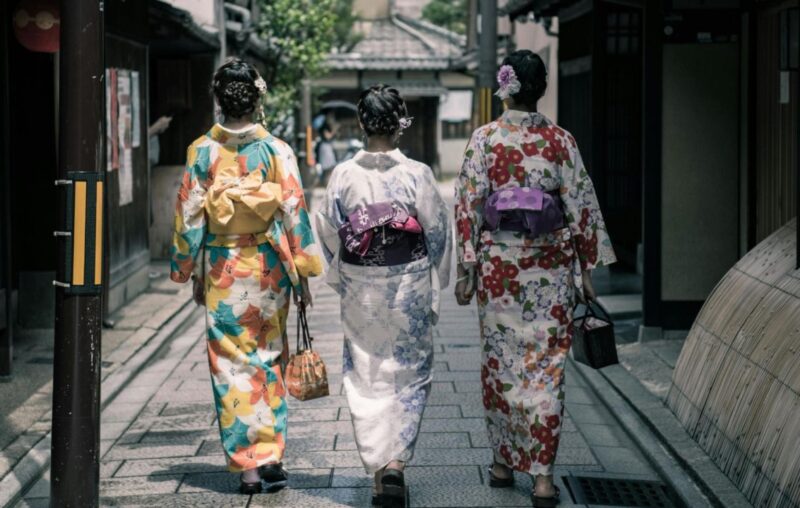
Kyoto is more than temples and gardens. Staying here, even briefly, immerses travelers in a society where subtle gestures, quiet routines, and unspoken social rules govern daily life.
Shopping at local markets, riding the city buses, or enjoying a traditional tea ceremony exposes the contrast between Western habits and deeply embedded Japanese norms.
The rhythm of city life encourages mindfulness, patience, and observation, teaching travelers to notice detail, restraint, and intention in ways that carry over to daily life at home.
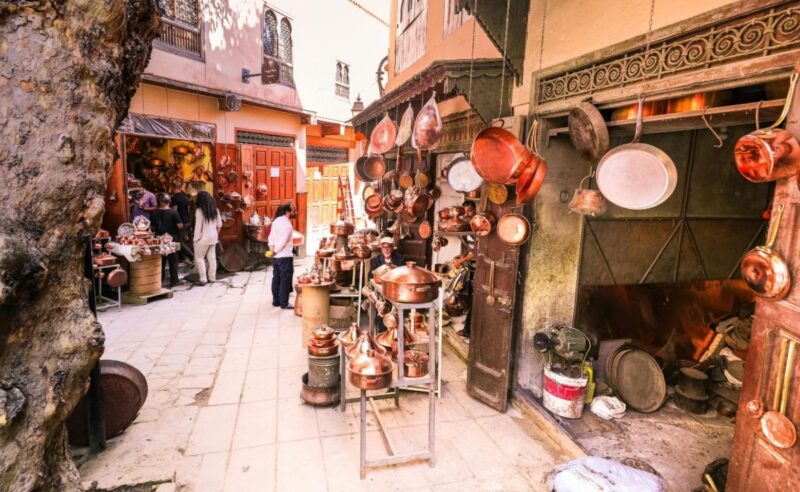
Marrakech, Morocco
The sensory intensity of Marrakech is unmatched. The medina’s winding alleys, crowded souks, and constant negotiation push visitors out of familiar comfort zones. Street sounds, fragrances of spices, and colorful textiles demand attention and adaptability.
Travelers who navigate language barriers, local etiquette, and bargaining learn humility and resilience. By embracing discomfort, even temporarily, Marrakech teaches how to read context, trust instincts, and find calm amid chaos.
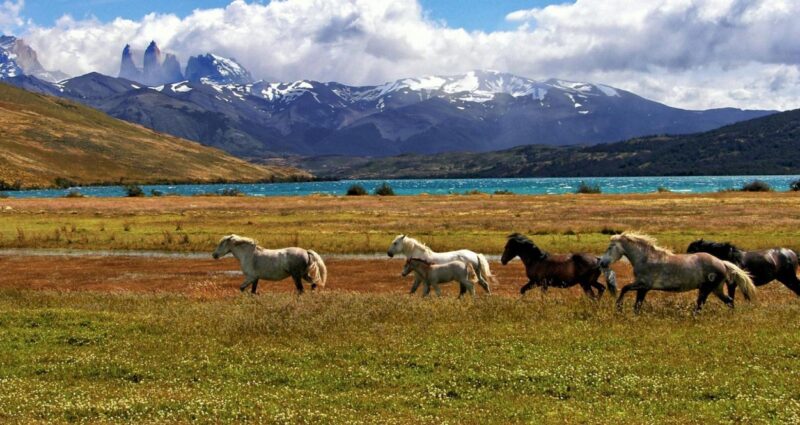
Patagonia, Chile & Argentina
Patagonia’s vast, open landscapes recalibrate scale and urgency. Hiking among glaciers, rugged mountains, and windswept plains reveals how small human concerns are against geological and temporal forces. Isolated trails and minimalist lodges provide uninterrupted time for reflection, free from the usual social and digital pressures.
Travelers often return home with a profound sense of patience, perspective on personal challenges, and a renewed appreciation for natural simplicity.
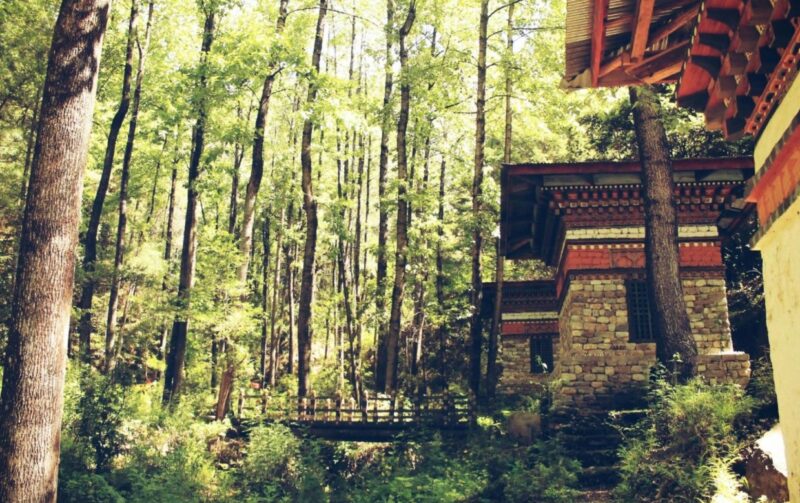
Bhutan
Bhutan offers a radical shift in how society measures success. The country’s Gross National Happiness index, emphasis on sustainability, and deep connection to Buddhist culture challenge conventional assumptions about productivity, consumption, and progress.
Participating in local festivals, observing monastic routines, or hiking the Tiger’s Nest monastery trail reveals a world where personal and collective well-being are prioritized over efficiency. Such exposure encourages travelers to question their own values and daily priorities.
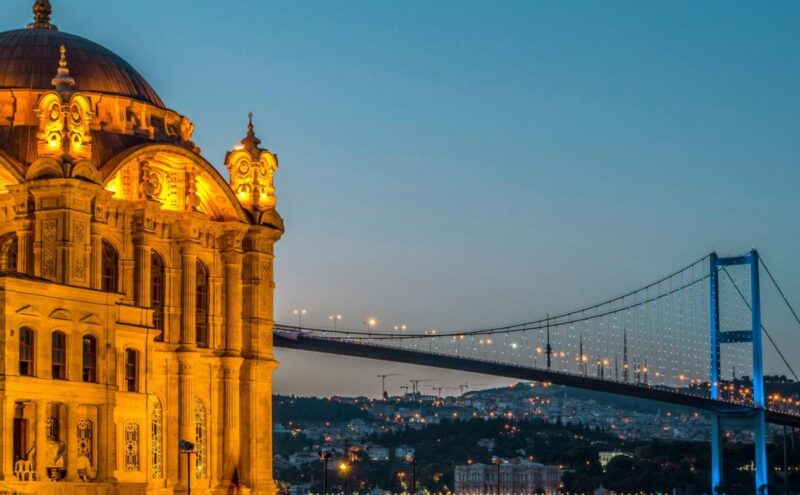
Istanbul, Turkey
Istanbul sits at the intersection of continents, faiths, and histories. Walking through the city’s neighborhoods, from the bustling Grand Bazaar to quiet corners along the Bosphorus, demonstrates how multiple layers of culture coexist in tension and harmony. The remnants of Byzantine churches, Ottoman mosques, and modern cafes reveal how civilizations overlap and influence one another.
Travelers experience how identity, tradition, and change can intertwine seamlessly, deepening awareness of complexity and cultural nuance.
Why Perspective Is the Most Lasting Souvenir
Objects wear out. Photos fade into archives. Perspective stays active. It changes how news is interpreted, how conversations unfold, how choices are weighed.
Seeing Complexity Without Needing Resolution
Perspective travel teaches comfort with complexity. Not everything needs to be categorized or solved. Some things can simply be understood from multiple angles.
Carrying the World Home With You
The real impact of transformative travel appears in ordinary moments. Patience in traffic. Curiosity in disagreement. Gratitude in routine.
Choosing Travel That Expands Rather Than Consumes
Not every trip needs to change your worldview. But when the goal is growth rather than escape, choices matter.
Selecting Experiences That Reduce Control
Experiences that limit micromanagement create more learning. Less control often means more insight.
Allowing Space for Reflection
Perspective requires processing. Leaving room for stillness—during and after travel—allows insights to settle rather than rush past.
When Travel Becomes Education Without a Classroom
Travel that changes how you see the world works because it teaches without instruction. Lessons emerge through contrast, observation, and lived experience.
These journeys don’t tell you what to think. They change how you think.
And once that shift happens, the world doesn’t look the same again.