


Online gambling platforms face constant pressure from credential stuffing attacks, account takeovers, and automated fraud. A 2023 Verizon Data Breach Investigations Report showed that more than 80 percent of account breaches across consumer platforms still start with reused or weak passwords.
Casino accounts remain a prime target because a single breach often leads to direct financial loss. Two factor authentication changes that equation by adding a second verification step that attackers struggle to bypass, even when login details leak.
The guide below breaks down how two factor authentication works for casino accounts, how to set it up correctly, and which habits keep protection effective over time.
| 2FA Element | What It Protects | Risk If Skipped |
| Password | Basic access control | Credential stuffing |
| Second factor | Identity verification | Account takeover |
| Backup codes | Account recovery | Permanent lockout |
| Device trust | Login convenience | Phishing exposure |
| Monitoring | Early threat detection | Silent fraud |
What two factor authentication actually does for casino accounts
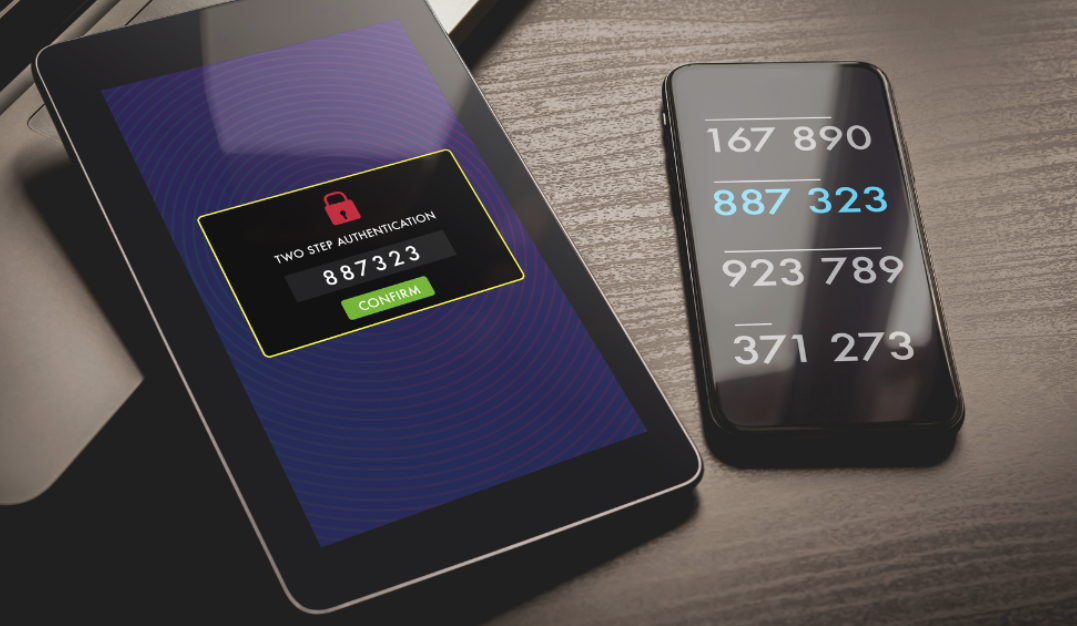
Two factor authentication for casino accounts adds a verification step beyond a password. Access requires something known, usually a password, and something possessed, such as a mobile device or hardware key. Attackers who buy leaked credentials cannot log in without that second factor.
Casinos value two factor authentication because account access often connects directly to balances, bonuses, and withdrawal methods. A compromised account rarely stays idle. Fraudsters typically change email settings, reset payout details, or exploit loyalty perks within minutes.
Key benefits include:
- Strong protection against reused password attacks
- Reduced success rate of phishing emails
- Clear alerts when unauthorized access attempts occur
Did you know?
Google security research showed that SMS-based two factor authentication blocks over 90 percent of automated attacks and nearly all bulk credential abuse.
Password strength still matters before two factor authentication
Two factor authentication does not replace password discipline. Weak passwords reduce overall protection and increase the chance of social engineering attacks that target the second factor. Casinos still rely on passwords as the first gate.
A strong casino password uses length over complexity. Twelve to sixteen characters with random wording outperform short complex strings. Unique passwords matter even more. Reuse across betting, email, or banking platforms creates a chain reaction when one site suffers a breach.
Best practices before 2FA setup:
- Use a password manager for unique storage
- Avoid casino-related words or usernames
- Never reuse email account passwords
A solid password ensures that two factor authentication works as reinforcement, not as a patch for poor security habits.
Choosing the right two factor authentication method
Casinos usually offer multiple two factor authentication options. Each method balances convenience and security differently. Picking the right one depends on betting frequency and risk tolerance.
Common options include:
- SMS codes sent to a registered phone
- Authenticator apps such as Google Authenticator or Authy
- Email verification codes
- Hardware security keys on advanced platforms
Authenticator apps offer stronger protection than SMS because they resist SIM swap attacks. SMS still improves security but remains vulnerable to phone number hijacking. Email-based 2FA works only if the email account already uses strong security controls.
A practical rule favors app-based authentication for regular players and SMS as a fallback rather than a primary option.
How to set up two factor authentication correctly
Most casinos place two factor authentication inside account security or profile settings. Setup takes only a few minutes but mistakes during setup weaken protection later.
Follow a clean setup process:
- Log in through a trusted network
- Enable two factor authentication in security settings
- Scan the QR code with an authenticator app
- Save backup recovery codes offline
- Confirm setup with a test login
Many platforms prompt users to enable two factor authentication after the first secure login, such as the Fairgo Casino login process. That moment offers the best balance between usability and protection without friction during registration.
Backup codes deserve special attention. Store them offline, not in email or cloud notes, to prevent recovery abuse.

Device trust and login alerts as silent security layers
Modern casino platforms often add trusted device features once two factor authentication is active. Trusted devices reduce repeated verification prompts while still flagging unfamiliar access attempts.
Trusted device systems work by:
- Registering a browser or device fingerprint
- Skipping 2FA on known environments
- Triggering alerts on new device access
Login alerts matter just as much. Email or app notifications after login attempts provide early warning signals. Unexpected alerts often reveal phishing attempts before real damage occurs.
Important reminder:
A login alert without action often signals a failed attack. Repeated alerts require password changes and device reviews.
Combined with two factor authentication, alerts form a feedback loop that keeps users informed rather than reactive.
Managing two factor authentication during device changes
Phone upgrades remain a common cause of casino account lockouts. Two factor authentication depends on access continuity, so preparation matters before device changes.
Before switching phones:
- Disable 2FA temporarily if possible
- Transfer authenticator app accounts securely
- Verify backup codes remain accessible
Some authenticator apps support encrypted cloud sync, but offline backups remain safer. Hardware keys offer long-term stability but require careful physical storage.
Casinos usually provide manual identity verification for locked accounts, but recovery often takes days. Planning ahead avoids downtime during active betting periods or withdrawal windows.
Common two factor authentication mistakes to avoid
Many users enable two factor authentication and then undermine it unintentionally. Small oversights create large attack surfaces.
Avoid these common errors:
- Storing backup codes in email inboxes
- Using SMS as the only factor on high-balance accounts
- Sharing verification codes during support chats
- Ignoring repeated login alerts
Another overlooked risk involves phishing pages that mimic casino login screens. Two factor authentication reduces damage but does not stop users from entering codes on fake sites.
A simple rule applies: never share a verification code with anyone, including support agents. Legitimate casinos never request active codes.
Conclusion
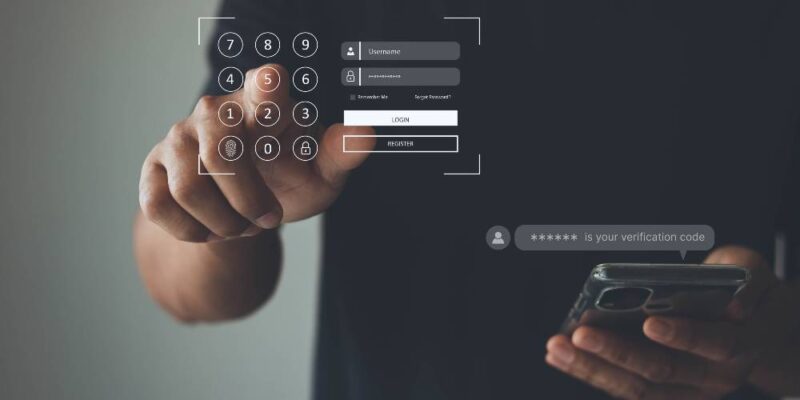
Two factor authentication turns casino account security from a hopeful assumption into a controlled system. A password alone no longer matches modern threat levels, especially on platforms that hold real money and verified identity data.
A second verification step blocks most automated attacks and limits damage even after credential leaks. Strong results come only with proper setup, safe backup storage, and alert awareness. Casino accounts deserve the same protection standards as digital wallets or online banking. Consistent habits keep access smooth and attackers locked out.