

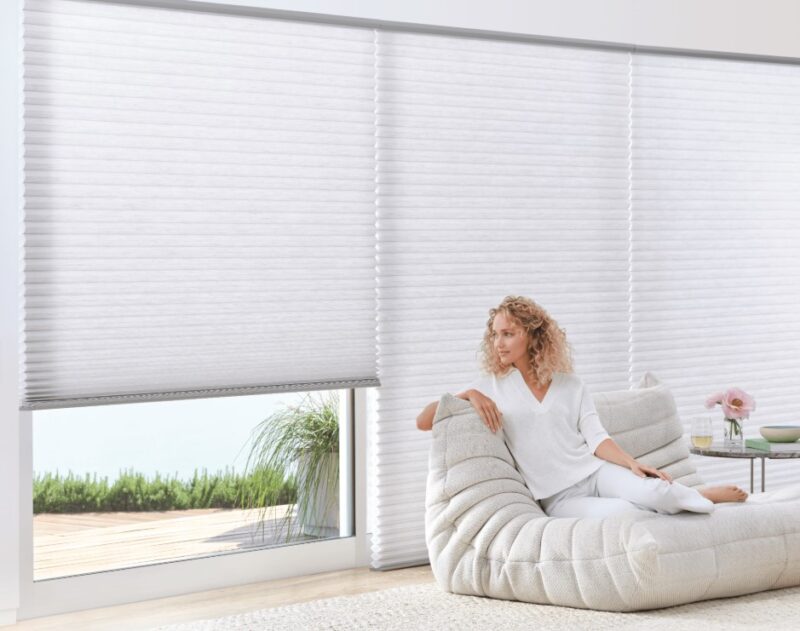
Choosing the right type of window shade is ultimately about understanding what each style does best and matching that function to the specific room you are decorating. In practical terms, roller shades offer the cleanest minimalist look, solar shades protect against heat and glare, cellular shades give you insulation and energy efficiency, and Roman shades offer a soft, elegant design.
That is the concrete answer from the start: each shade type solves a different real-world need, and the best choice depends on whether you want privacy, light control, energy savings, or a decorative statement. Once you match the features to your home’s layout, you stop guessing and start selecting shades that genuinely improve your comfort and daily living.
Roller Shades
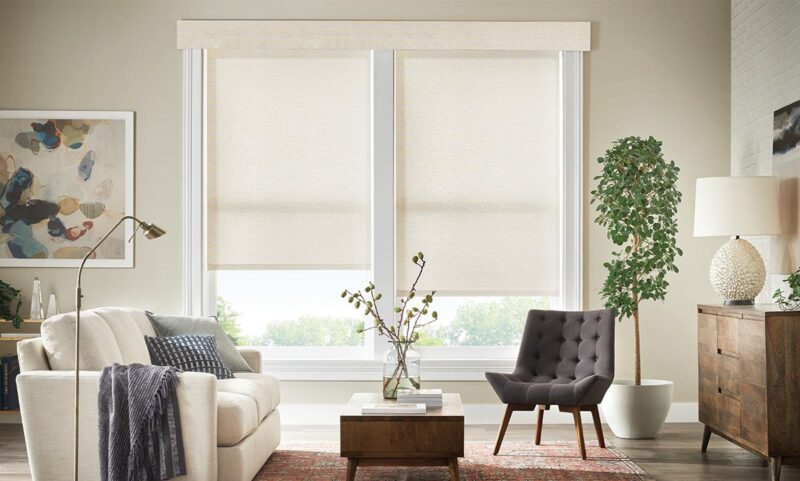
Roller shades are one of the most popular window treatments because of their simplicity. They consist of a single piece of fabric that rolls up onto a tube at the top of the window. The design looks modern, minimal, and clean, and it complements almost any interior style.
Roller shades work well in living rooms, kitchens, offices, and even bedrooms if you use blackout fabric. Their biggest strength is versatility: they come in hundreds of fabric types, from sheer to blackout, which lets you dial in exactly how much privacy and brightness you prefer. Many homeowners choose roller shades when they want a “no-fuss” look that blends into the background rather than becoming a focal point.
A practical advantage is how easy they are to maintain. Dusting or wiping them down is usually enough, and their mechanism rarely fails when properly installed.
|
Feature |
Rating |
Notes |
| Privacy | Medium to High | Depends on fabric opacity |
| Light Control | High | Sheer to blackout options |
| Maintenance | Easy | Wipeable fabrics |
| Style Impact | Clean, modern | Minimal visual presence |
Solar Shades
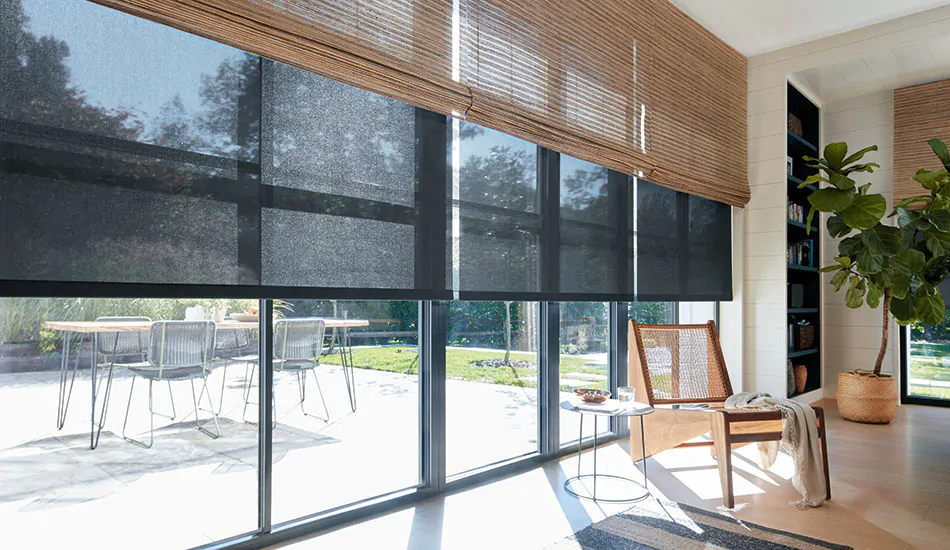
Solar shades are technically a subset of roller shades, but they use specialized screen-like fabrics designed to reduce glare, UV rays, and heat. If you have large windows with direct sunlight, solar shades can transform the way your space feels. They maintain your view of the outside while reducing harsh brightness, making them popular for home offices, living rooms with televisions, and any space where eye comfort matters.
People often underestimate how much temperature solar shades can regulate. In sunny climates, they can noticeably lower heat gain during hot hours. They are especially useful in coastal or southern cities where intense sunshine is a daily factor. For example, homeowners who shop for window coverings in San Diego often look for solar shades because they need to balance daylight with heat reduction.
Solar Shade Openness Levels (How Much You Can See Through)
|
Openness |
Light Filtering |
Privacy |
Best Use |
| 1% | Strong glare control | High | Bedrooms, media rooms |
| 3% | Balanced view + shading | Medium | Living rooms |
| 5% | Clear view outside | Lower | Offices, kitchens |
Solar shades are also available through Stoneside’s San Diego office, which offers modern screen fabrics that block heat without darkening the room. These are sometimes listed as “performance solar shades” in product catalogs.
Cellular (Honeycomb) Shades
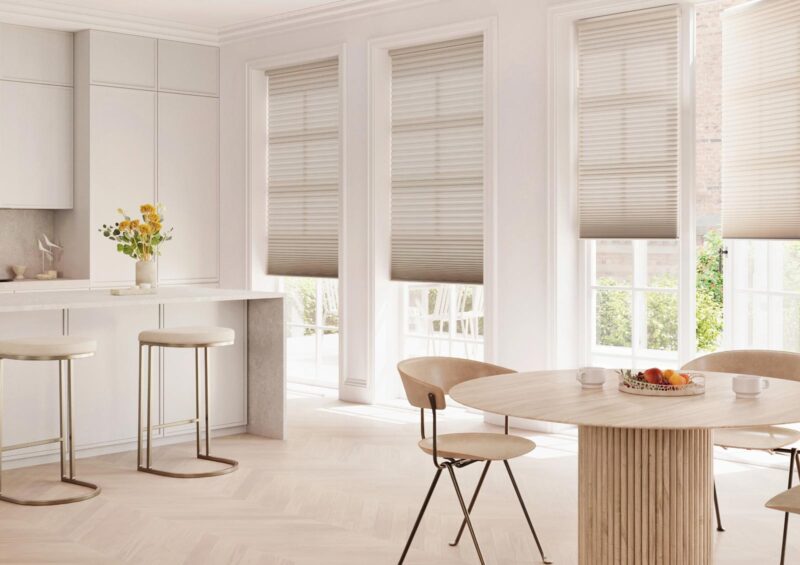
Cellular shades are the best choice when insulation matters. Their unique honeycomb structure traps air inside the shade, creating a natural thermal barrier. In winter, they keep warm air indoors; in summer, they reduce heat from entering the home. That means lower energy bills and more consistent indoor comfort.
Cellular shades come in single-cell, double-cell, and even triple-cell designs. The more cells they have, the better their insulation. They also offer excellent sound absorption, which is a hidden benefit for homes near busy streets or apartment buildings where outside noise is noticeable.
Another advantage is their slim, soft look. They fold neatly when raised and expand smoothly when lowered, giving a luxurious and structured feel without appearing heavy.
|
Shade Type |
Insulation Level |
Energy Savings |
Best For |
| Single-Cell | Moderate | Good | Mild climates |
| Double-Cell | High | Great | Most homes |
| Triple-Cell | Very High | Excellent | Cold regions |
Roman Shades
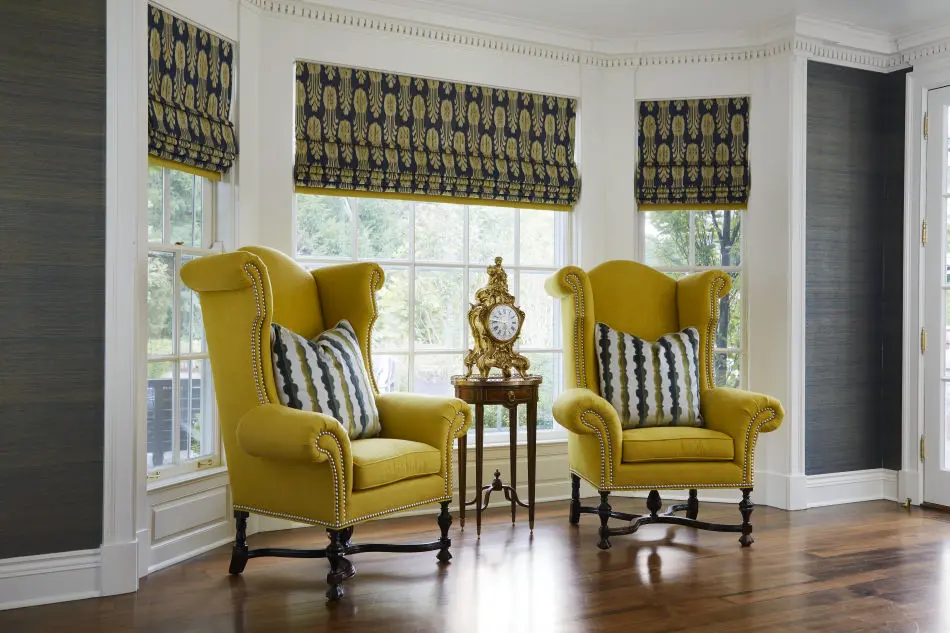
Roman shades are all about elegance and soft texture. When raised, they stack in neat folds; when lowered, they create a smooth fabric panel across the window. They add personality and warmth to a room, something harder, more minimal shades cannot do as effectively.
They are a favorite in dining rooms, bedrooms, and living rooms where aesthetics matter as much as function. Roman shades come in many fabric weights, from linens to velvets, and can be lined for better privacy or blackout performance. If you want a decorative shade that feels tailored and upscale, Roman shades are the best pick.
|
Type |
Look |
Best For |
| Flat | Smooth, modern | Minimalist interiors |
| Hobbled | Soft cascading folds | Traditional or cozy rooms |
| Relaxed | Slight curve at the bottom | Bohemian or soft designs |
Roman shades require slightly more care because they include more fabric and folds, but the visual reward is large. They can become a statement piece in a way that roller or solar shades rarely do.
Layered (Zebra) Shades
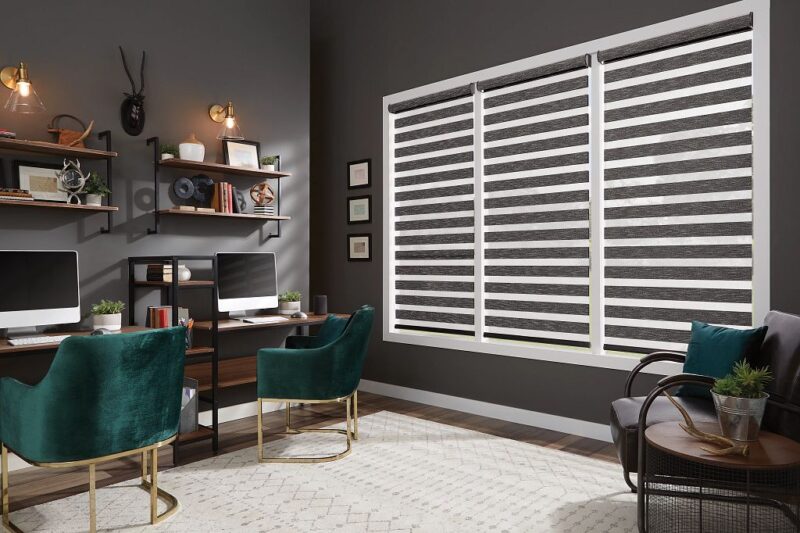
Layered shades, often called zebra shades, use alternating bands of sheer and opaque fabric. As you shift the layers, the bands overlap to create either filtered light or full privacy. This makes layered shades both functional and contemporary looking, ideal for modern homes that want something visually dynamic.
They work particularly well in rooms where you need frequent adjustment throughout the day. Unlike roller or solar shades that are either up or down, layered shades allow micro-adjustments that let you control brightness with precision.
Woven Wood Shades
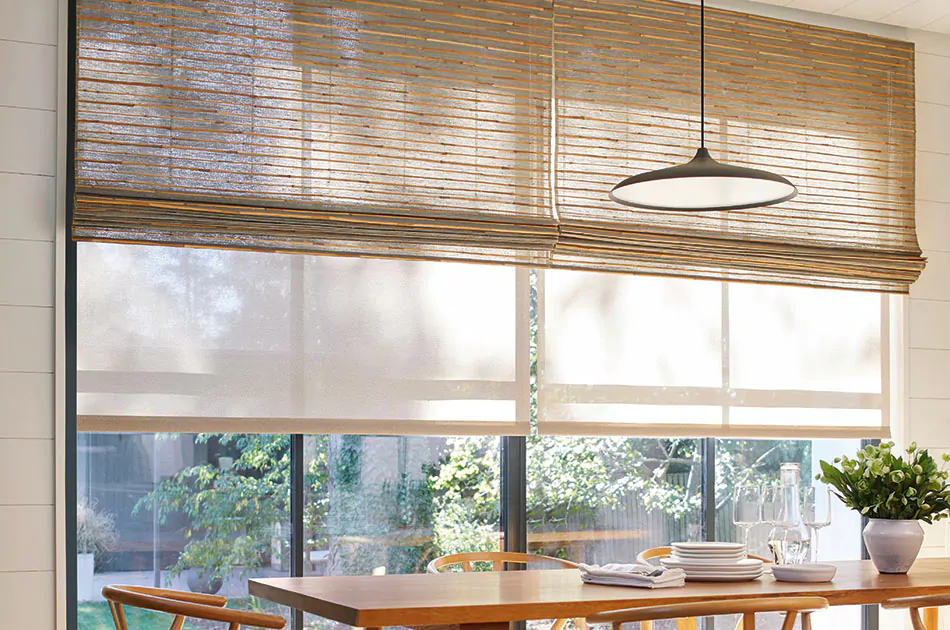
Woven wood shades introduce organic warmth to a space. Made from bamboo, grasses, or natural fibers, they add texture and earthy personality. Despite being decorative, they also filter light beautifully, creating a gentle glow that feels natural rather than artificial.
These shades work great in living rooms, sunrooms, bedrooms with natural themes, and coastal spaces. They pair especially well with white walls or minimalist interiors because they bring balance and texture without adding clutter.
Liners can be added for privacy or blackout performance if needed.
Sheer Shades
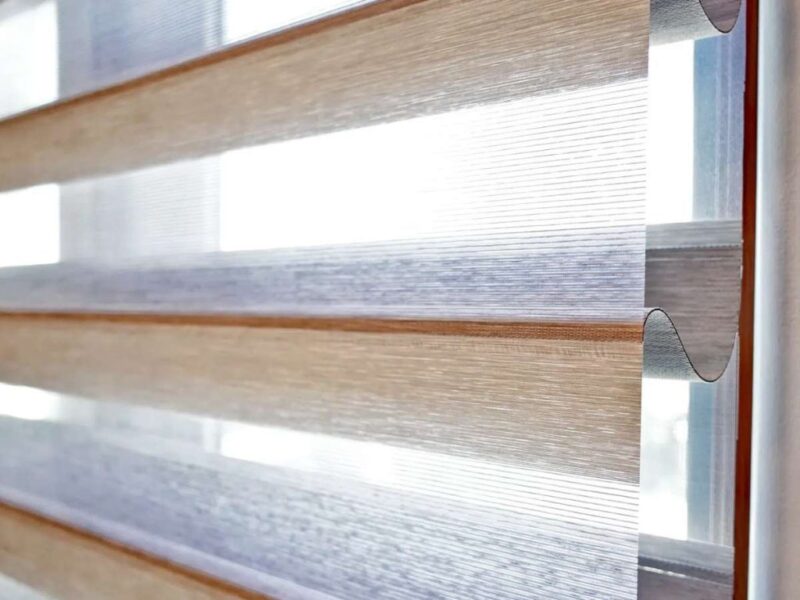
Sheer shades combine the softness of fabric with the functionality of blinds. They typically use two layers of sheer fabric with horizontal vanes in between. You can tilt the vanes to control the light while enjoying gentle, diffused brightness.
They are excellent for rooms where you want privacy during the day but do not want to block out natural light entirely, like living rooms or home offices.
How to Choose the Right Shade for Each Room
When selecting window treatments, matching features with the room type is the most effective approach. Below is a practical table that helps simplify the choice.
|
Room |
Best Shade Type |
Why It Works |
| Bedroom | Cellular, Roller Blackout, Roman with Liner | Maximum privacy and darkness |
| Living Room | Solar, Roman, Sheer | Soft natural light and aesthetic flexibility |
| Kitchen | Roller, Solar, Woven Wood | Easy maintenance, heat control, style |
| Home Office | Solar or Sheer | Reduces glare on screens |
| Dining Room | Roman or Woven Wood | Warmer visual tone |
This room-by-room strategy ensures each space gets what it needs without overcomplicating the selection process.
Final Thoughts
The variety of window shades available today makes it easy to match the right product to your lifestyle. Roller shades deliver simplicity and versatility, solar shades tackle heat and glare, cellular shades excel at insulation, and Roman shades elevate the visual feel of a room. Woven wood, layered, and sheer shades add personality, structure, and softness depending on your design preferences.
By understanding the strengths of each type, you can make confident choices that improve comfort, aesthetics, and energy performance. The key is to think about what each room requires: privacy, brightness, temperature control, or décor, and choose the shade type engineered for that job.