

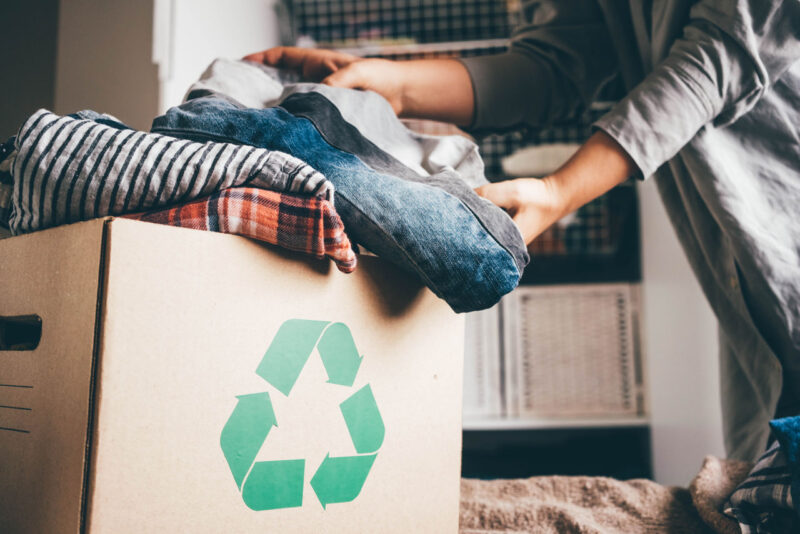
Textile waste has evolved from a manageable industrial byproduct into one of the most pressing environmental crises of the modern age. As global clothing production continues to accelerate, driven by rapid trend cycles and the rise of ultra-fast fashion, garment lifespans have drastically shortened.
Consequently, households and businesses are generating unprecedented quantities of unwanted fabric every year. A staggering percentage of this material ends up in landfills or incinerators, contributing to severe soil contamination, microfibre pollution in our waterways, and avoidable carbon emissions.
Addressing this issue requires more than just passive awareness; it demands a fundamental shift in how we view the lifecycle of our belongings and the implementation of accessible systems for proper textile recovery. Understanding how fabrics are disposed of, reused, and repurposed is the critical first step toward reducing the cumulative burden of waste on our planet.
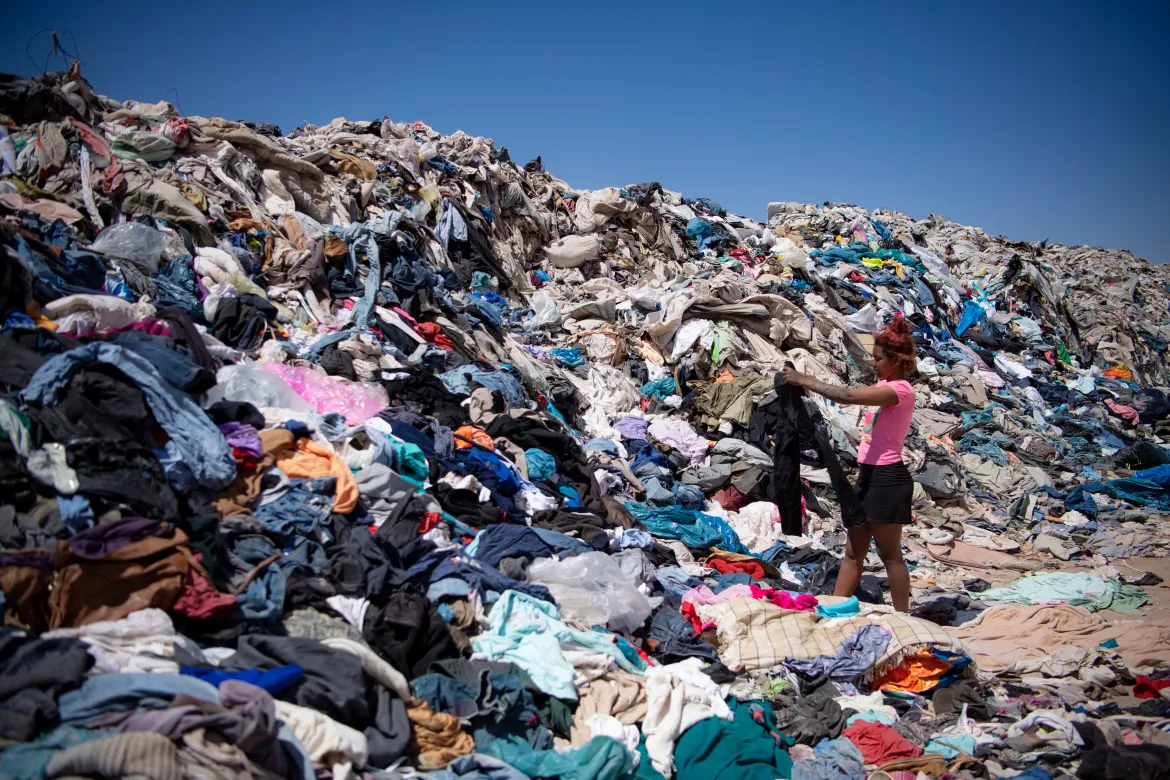
The Mechanics of Accumulation
Textile waste accumulates through a complex web of interconnected factors. The dominance of the “take-make-waste” model has normalised rapid purchasing patterns, encouraging consumers to buy low-cost garments that often lack durability. This planned obsolescence means clothes are often discarded after only a handful of wears. However, the problem extends beyond fashion. Damaged or outdated household textiles, such as heavy curtains, worn bedding, and towels, significantly add to the overall volume.
Commercial entities also generate vast amounts of fabric waste through product returns, manufacturing offcuts, and retired uniforms. Without clear and convenient disposal routes, these distinct streams of materials are frequently mixed with general household rubbish, rendering them impossible to separate and recycle effectively once they reach a landfill.
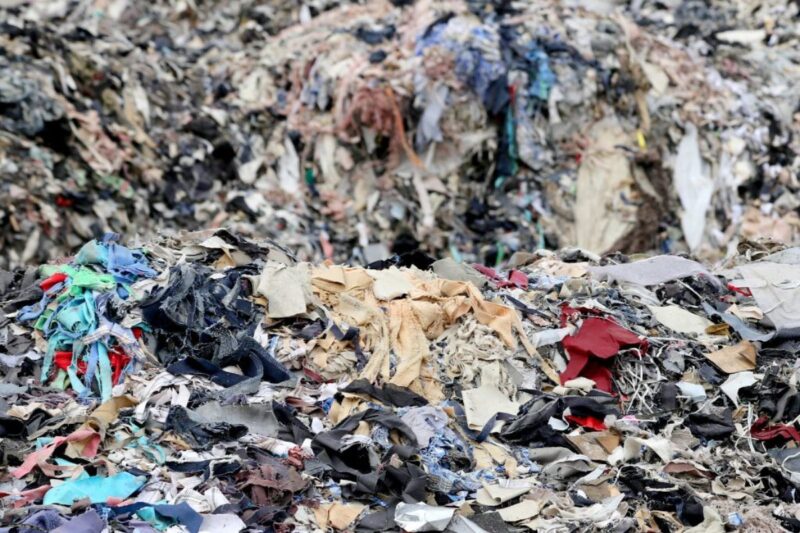
The composition of modern fabrics exacerbates the problem. Many garments are made from complex blends of natural and synthetic fibres (such as poly-cotton blends). When these degrade in a landfill, synthetic components like polyester linger for centuries, releasing microplastics into the soil.
Meanwhile, natural fibres trapped in oxygen-poor landfill environments decompose anaerobically, releasing methane, a potent greenhouse gas. The presence of toxic dyes, waterproofing coatings, and heavy metals adds further environmental complications, making responsible diversion far more beneficial than standard disposal.
Routes for Textile Recovery and Infrastructure
To mitigate the strain on municipal waste systems, various pathways exist for diverting unwanted fabrics from the scrap heap. Reuse is invariably the most sustainable option. Charities, social enterprises, and vintage shops are the backbone of this system, accepting clothing and textiles that remain in serviceable condition. These organisations act as vital community hubs, distributing items locally or internationally to provide affordable goods while extending the practical life of the textiles.
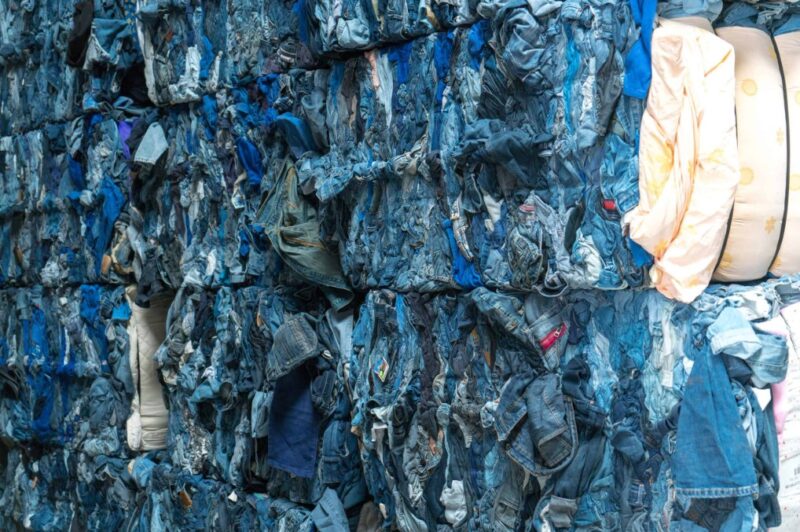
However, for items that are torn, stained, or worn out, recycling becomes the necessary route. This sector is advancing, though challenges remain. Mechanical recycling shreds fabrics back into raw fibres, which are then repurposed into insulation materials, mattress stuffing, industrial cleaning cloths, or lower-grade yarns. Chemical recycling is an emerging frontier, offering the potential to break down complex fibre blends at a molecular level to create virgin-quality materials. Both approaches are essential for “closing the loop,” reducing the demand for raw resource extraction and decreasing the immense energy and water consumption associated with textile production.
Local textile-specific collection points play a pivotal role in bridging the gap between the consumer and these recovery technologies. Facilities designed for fabric and clothing disposal ensure that the materials are sorted, handled, and processed correctly rather than contaminating other recycling streams.
In discussing practical disposal choices, many individuals search for locations such as a cloth recycle bin near me, as designated drop-off points allow for easy participation in responsible waste management. Access to these local bins is often the deciding factor in whether a bag of old clothes is recycled or thrown in the trash.
What Can Be Placed in Textile Collection Points
There is often confusion regarding what is acceptable for donation. Most textile collection points accept a much broader range of items than the average consumer realises. Beyond wearable clothing, these bins typically welcome linens, curtains, towels, paired shoes, and accessories like belts and bags. Crucially, items do not always need to be in perfect condition. Professional sorting facilities are equipped to grade materials: high-quality items are directed toward reuse, while damaged or worn textiles are funnelled into industrial recycling streams.
However, hygiene is paramount. Heavily soiled textiles, wet materials, or items contaminated with oil, solvents, or paint are generally unsuitable and can ruin an entire batch of recyclables by spreading mould or mildew. Keeping textiles dry and placing them in clean, tied bags helps maintain quality and ensures they can be processed effectively. Consumers are always encouraged to check local guidelines, but the general rule is to keep textiles separate from general waste to ensure they enter the correct recovery stream.
Environmental Outcomes and the Circular Economy
Increasing participation in textile recovery systems yields profound environmental benefits. Primarily, it diverts massive volumes of waste from landfills, directly mitigating soil pollution and greenhouse gas production. Secondly, recycling conserves finite resources. Cotton production is notoriously water-intensive and reliant on pesticides, while synthetic fibres like polyester are derived from fossil fuels. By reprocessing existing materials, we significantly lower the environmental footprint of the manufacturing sector.
Furthermore, responsible disposal supports a circular economy, a system where materials are kept in use for as long as possible. Reusing textiles provides social and economic benefits by supporting charity shops and community initiatives, creating green jobs, and offering affordable clothing to those in need.
Supporting Long-Term Change
Ultimately, technology alone cannot solve the textile waste crisis; it requires a cultural shift. Long-term reduction depends on changing consumer behaviour. This involves embracing “slow fashion”, choosing higher-quality garments, repairing damaged items, and normalising the buying of second-hand goods. It also means resisting the impulse of instant gratification that fast fashion provides. Businesses must also step up by offering take-back schemes, designing products that are easier to recycle (eco-design), and taking responsibility for the end-of-life of their products.
Collectively, these actions support a transition towards stewardship rather than mere consumption. As public awareness grows and infrastructure improves, textile recovery can become a routine, reflexive part of everyday life, helping to preserve our resources and protect the environment for future generations.