

Many parents notice a pattern during the toddler years. A child climbs out of a crib earlier than expected. Sleep becomes uneven. Bedtime turns into a struggle.
Research on early childhood development often links independence with emotional regulation and better rest. That raises a practical question for families with young children. Can the sleep setup support independence instead of limiting it.
Montessori education offers one answer that continues to gain attention among parents of children ages 1 to 6. Understanding how Montessori beds work begins with understanding the philosophy behind them and the role of the sleep environment in early learning.
Core ideas behind the Montessori approach
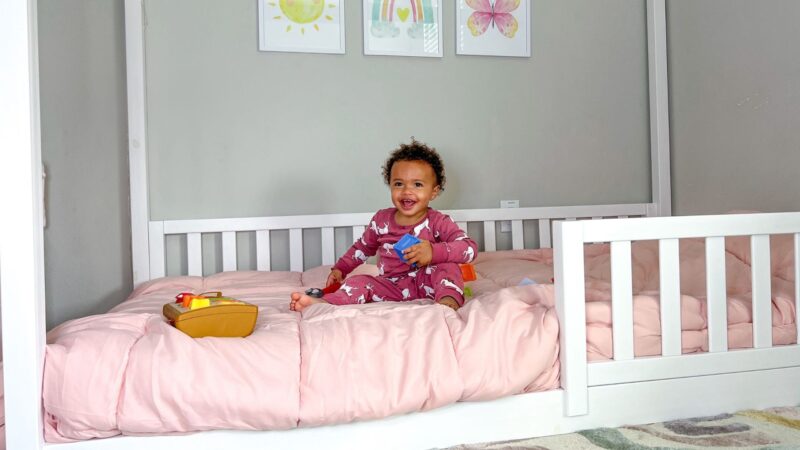
Montessori education centers on respect for the child as an active participant in learning. Children learn best through movement, choice, and repetition within clear boundaries. The environment carries equal importance to adult guidance. Furniture and layout should match the child size and abilities. That principle applies to play, daily routines, and rest.
Independence does not mean absence of structure. It means offering freedom within limits that feel safe and predictable. When a child can move, choose, and self correct, confidence develops naturally. Sleep becomes part of that process rather than a separate rule driven activity. A Montessori inspired sleep space supports calm transitions and self initiated rest instead of enforced sleep.
What Montessori beds actually are
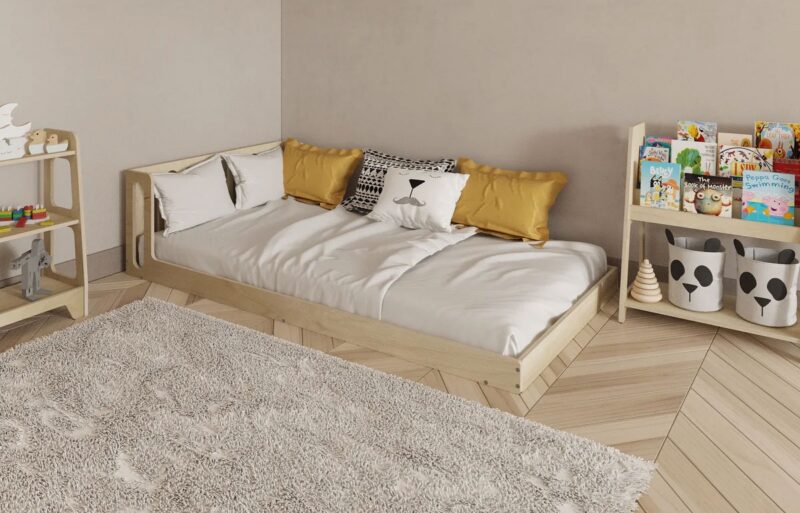
A montessori bed is designed to support independence during rest. It sits low to the ground. Some designs rest directly on the floor. Others use a very low frame. The goal stays the same. The child can get in and out without help.
Parents often encounter the term while researching early childhood furniture. A well made montessori bed fits the Montessori principle of child accessible design without sacrificing stability or safety. Some families explore options through small curated collections like the one found at Montoddler where low profile wooden designs reflect this philosophy.
The bed does not train sleep. It supports self regulation through access and consistency.
Montessori beds compared to traditional cribs
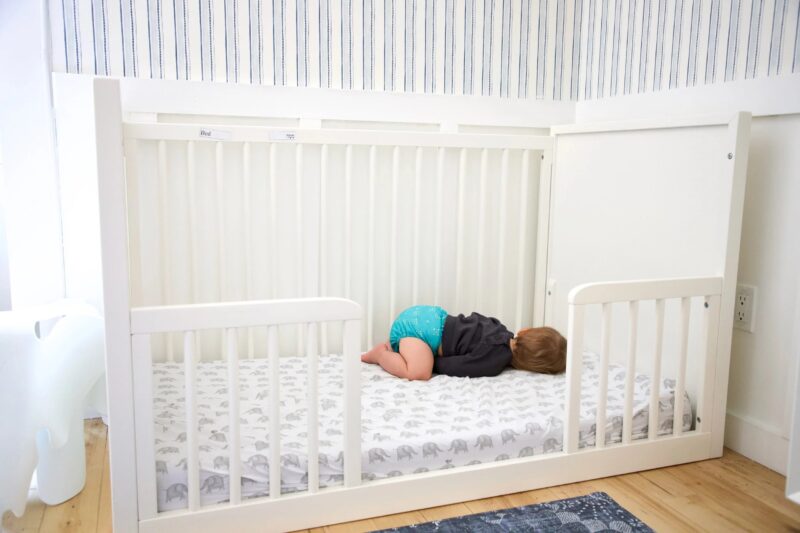
Traditional cribs focus on containment. Montessori beds focus on access. That single difference affects behavior and emotional development over time.
A crib restricts movement for safety. A Montessori bed removes height while keeping safety in mind. Children learn how to enter and exit calmly. Falls become unlikely due to minimal distance from the floor.
Another difference appears in nighttime waking. A child in a crib often calls for help. A child in a Montessori bed may resettle independently. That process takes time and patience. Results vary by temperament and age.
Parents shifting from cribs often report an adjustment period. Clear routines and room preparation support the transition. The bed itself does not solve sleep challenges but it removes physical barriers that limit autonomy.
Why sleep spaces matter in Montessori homes
Sleep influences behavior, attention, and emotional balance. Montessori education treats rest as a biological need rather than a scheduled task. A child who feels secure in the sleep space often settles more easily and wakes with fewer disruptions.
Traditional cribs place sleep under adult control. Entry and exit depend on permission. Montessori sleep spaces remove unnecessary barriers while keeping safety in focus. The room becomes accessible and predictable. Children learn where sleep happens and how their bodies feel when tired.
A thoughtfully prepared sleep area also reduces overstimulation. Fewer visual distractions support calmness. Natural materials contribute to a grounded atmosphere. Sleep becomes part of daily rhythm instead of a battle of wills.
Floor beds and freedom of movement
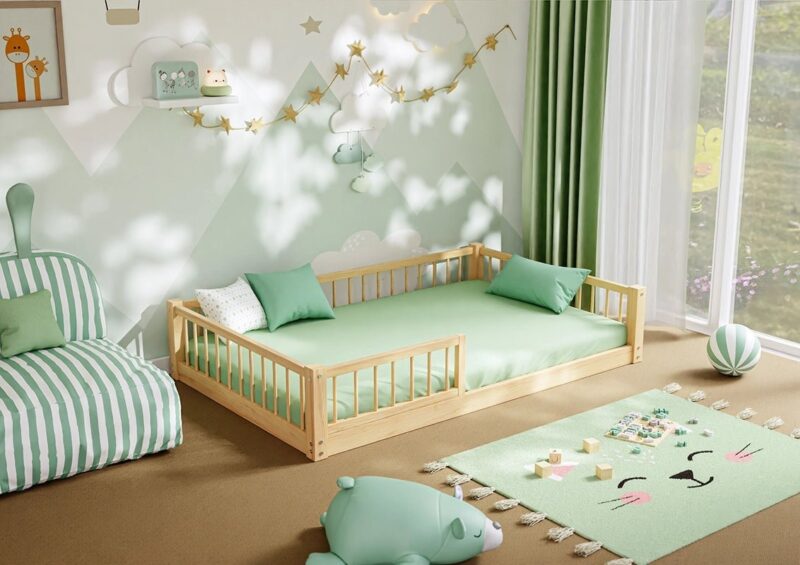
The Montessori floor bed remains the most recognized version. The mattress rests directly on the floor or on a very low base. Movement stays natural and unrestricted. Children can stretch, roll, and reposition freely.
Freedom of movement supports body awareness. Children learn spatial limits through experience. Over time they gain control and confidence. The floor bed also encourages independent morning routines. A child may wake and engage quietly with books or toys before calling for an adult.
Safety remains essential. The room must function as a safe sleep zone. Outlets covered. Furniture secured. Soft rugs placed nearby. A floor bed works best when the entire room supports child led movement.
Safety considerations and setup guidance
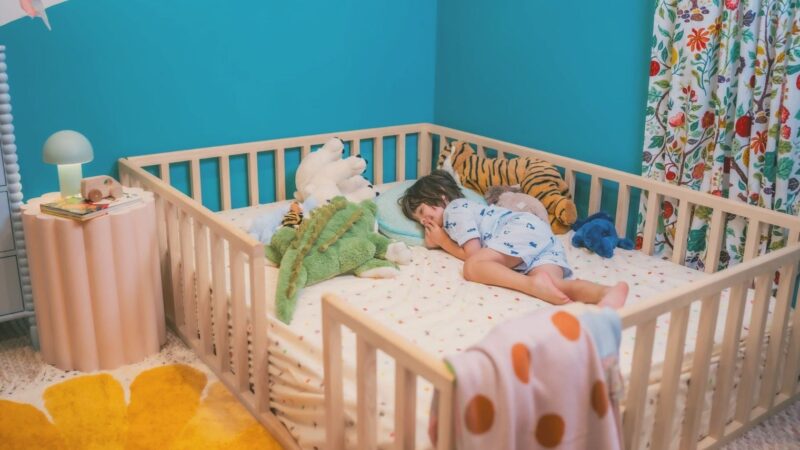
Safety guides every Montessori decision. A Montessori bed setup requires attention to the whole room. The bed height stays minimal. The mattress stays firm and breathable. Natural materials such as wood support durability and airflow.
Important considerations include
- Secured furniture to prevent tipping
- Covered outlets and cords out of reach
- Minimal bedding to reduce risk
- Clear floor space for movement
The goal involves reducing hazards rather than restricting movement. Supervision and observation guide adjustments over time. Safety evolves as the child grows. Parents remain active participants in preparing the environment rather than passive observers.
Natural materials and simple design
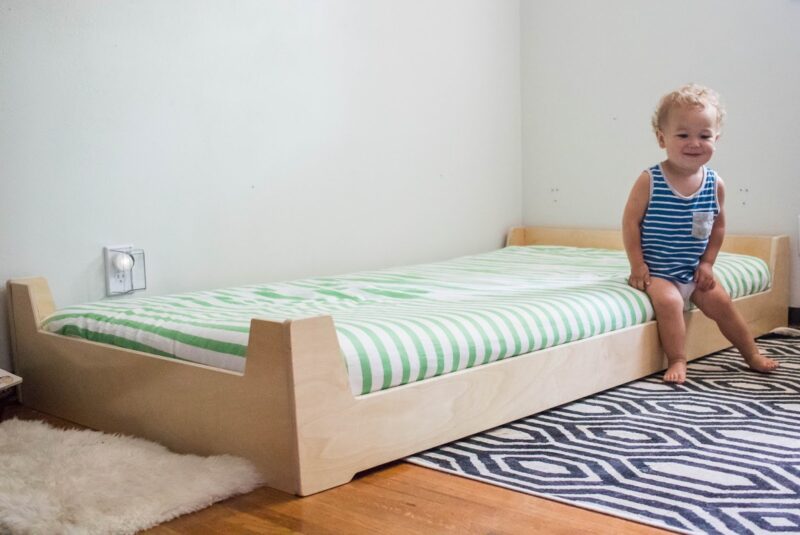
Montessori environments value simplicity and authenticity. Beds made from solid wood align with that approach. Natural materials feel warmer to the touch. They age well. They avoid excess finishes and artificial colors.
Simple design reduces visual noise. The bed does not dominate the room. It blends into the environment. That supports calm transitions and rest. A cluttered or decorative bed frame distracts rather than supports sleep.
Minimalism does not mean emptiness. It means intentional choices. Each item serves a purpose. A Montessori bedroom often includes a bed, a low shelf, and soft lighting. Everything stays within reach and scaled to the child.
Montessori bedroom ideas that support sleep
A Montessori bedroom extends beyond the bed. The room becomes a peaceful and functional space that encourages autonomy and calm behavior. Layout matters as much as furniture choice.
Common Montessori room ideas include
- Low shelves with a few rotating books
- Soft lighting near the bed
- Neutral colors and natural textures
- Floor mirrors secured safely
The bed anchors the room. Everything else supports routine and predictability. Children feel ownership when the room matches their scale. That sense of belonging often translates into smoother bedtime routines and fewer power struggles.
When a Montessori bed may not fit
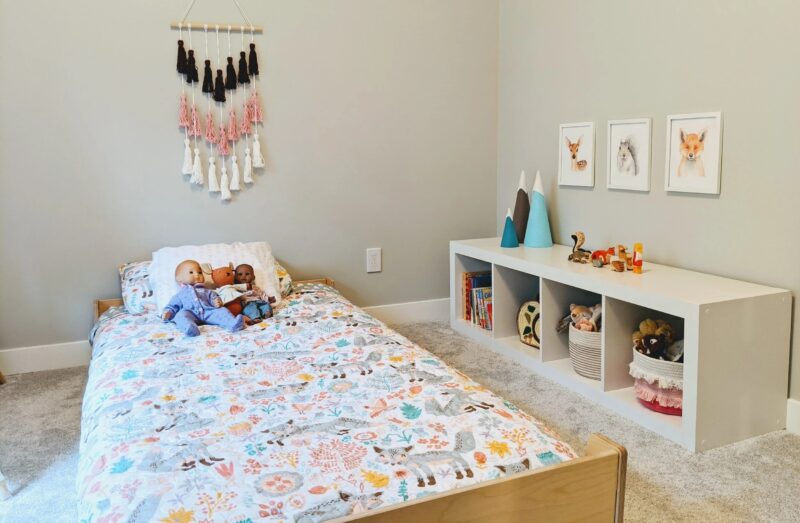
Montessori beds do not suit every family or every child. Some children require more structure during sleep transitions. Others respond strongly to environmental changes. Parents working through frequent night waking may prefer gradual changes.
A Montessori bed works best when paired with consistency and patience. It does not replace bedtime routines or emotional reassurance. Parents remain involved guides.
Families living in small shared spaces may need creative adaptations. Floor beds can work in shared rooms with thoughtful layout. The philosophy adapts to context rather than demanding rigid rules.
Montessori education views independence as a gradual process shaped by environment and trust rather than forced milestones.
Conclusion
Montessori beds reflect a broader view of childhood development. Sleep becomes a shared rhythm rather than a controlled event. Low beds support independence, movement, and confidence while keeping safety central. The environment does part of the teaching through access and simplicity.
For parents interested in Montessori education, the sleep space offers a practical starting point. A Montessori bed alone does not guarantee better sleep. Combined with calm routines and a prepared room, it can support healthier rest habits over time. The focus stays on respect for the child needs and trust in their growing ability to self regulate.