

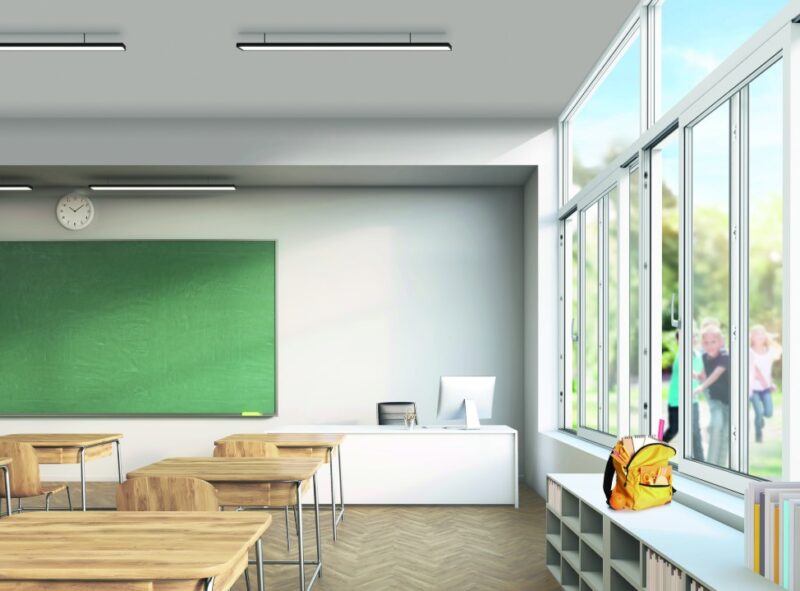
School glazing refers to the glass and glazed systems used throughout educational environments. This includes windows, doors, partitions, skylights, and curtain walling. Unlike standard residential glazing, glazing in schools must meet specific performance requirements relating to safety, durability, thermal efficiency, and acoustic control.
These requirements are influenced by building regulations, health and safety guidance, and safeguarding considerations unique to educational settings.
Safety, Fire Protection, and Impact Resistance
One of the most critical aspects of glazing in schools is safety. Glass used in areas accessible to pupils is required to be safety glass, typically toughened or laminated. Toughened glass is designed to shatter into small, less harmful pieces if broken, while laminated glass holds together due to an interlayer, reducing the risk of injury and maintaining a barrier even after impact.
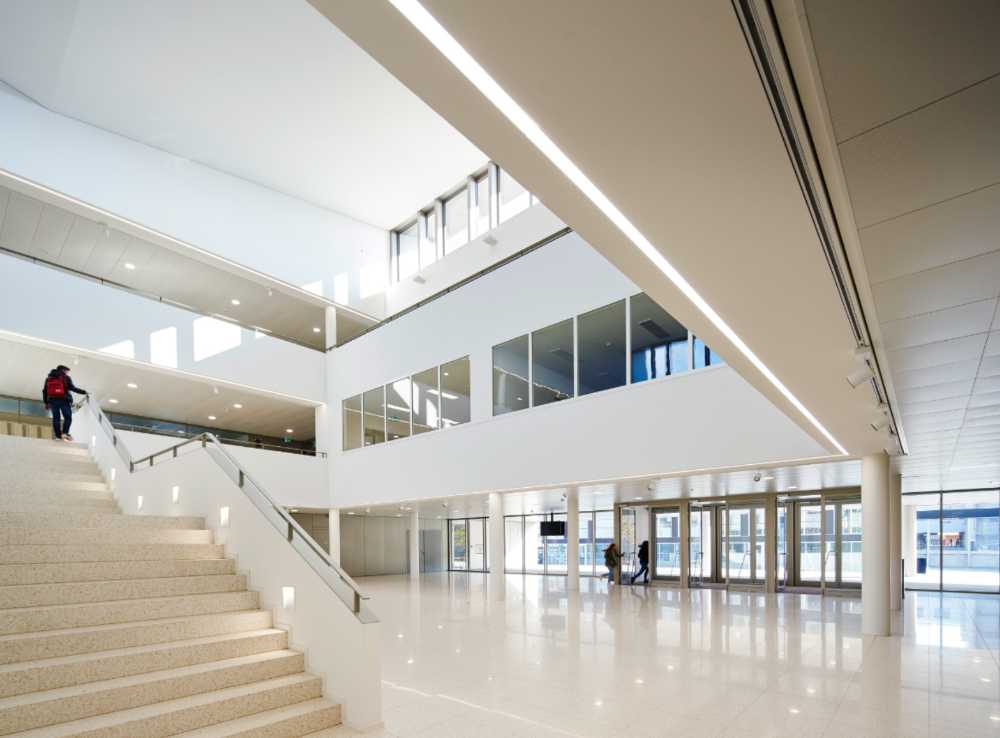
Distinct from impact safety is the requirement for fire-rated glazing. In school corridors, stairwells, and atriums, which often serve as primary escape routes, glazing must maintain its integrity against flames and smoke for a specified period, typically 30 to 60 minutes.
Advanced fire-rated systems also offer insulation properties, preventing the transfer of radiant heat that could ignite materials on the other side of the glass. This allows architects to maintain open, light-filled designs without violating strict fire compartmentation rules.
Impact resistance remains particularly important in high-traffic areas such as corridors, sports halls, and playground-facing windows. Accidental knocks, ball strikes, and general wear mean that glazing must withstand regular use without compromising safety.
Thermal Performance, Ventilation, and Air Quality
Modern school glazing contributes significantly to thermal performance. Double or triple glazing helps reduce heat loss, supporting energy efficiency targets and improving internal comfort. This is especially relevant in older school buildings where single glazing may still be present. Low-emissivity coatings, argon-filled units, and thermally broken frames all help regulate indoor temperatures.
Closely tied to thermal performance is the role of glazing in ventilation strategies. Poor indoor air quality and elevated CO2 levels are known to significantly impede cognitive function and cause drowsiness in students. Operable glazed units, whether manually controlled or linked to automated building management systems (BMS), are essential for purging stale air. Modern window actuators can automatically open high-level windows to facilitate stack ventilation, drawing fresh air in at a lower level and expelling warm, stale air from above, thereby maintaining a healthy internal climate without compromising security.
Natural Light, Biophilia, and Learning Environments
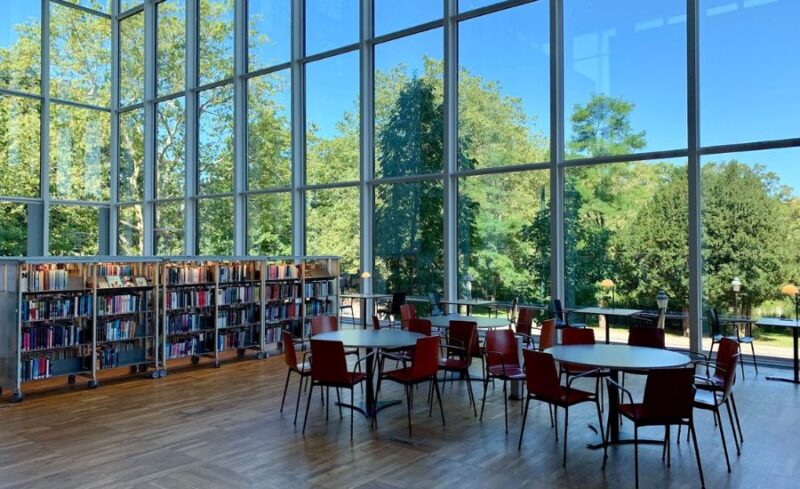
Access to natural light is widely recognised as beneficial for learning and wellbeing. Well-designed glazing allows daylight to penetrate classrooms and communal areas, reducing reliance on artificial lighting. This can improve concentration, reduce eye strain, and support a positive atmosphere for both pupils and teachers.
Beyond the physiological benefits of light, the psychological impact of glazing is profound. Access to views of nature or dynamic outdoor scenes can significantly lower stress levels among students, a concept known as biophilic design.
Glazing acts as the interface between the controlled classroom environment and the natural world, providing “micro-restorative” visual breaks that help reset attention spans during long lessons. Consequently, the placement of windows is just as important as the glass specification; sill heights are often lowered in primary schools to ensure younger children can see out.
However, managing glare is equally important. Glazing solutions may include solar control glass, window films, or integrated shading to balance light levels and prevent discomfort during sunny conditions.
Acoustic Considerations in Schools
Noise management is another key factor influenced by glazing. Schools are busy environments, often located near roads or residential areas. Acoustic glazing can help minimise external noise intrusion, supporting better focus within classrooms.
Internally, glazed partitions are commonly used to create flexible learning spaces while maintaining visual supervision. Acoustic laminated glass can reduce sound transfer between rooms, allowing collaboration without excessive disruption.
Security, Innovation, and Safeguarding
School glazing must also support safeguarding and security requirements. Laminated glass can provide increased resistance to forced entry, helping protect pupils and staff. In some cases, specialist security glazing is used in reception areas or perimeter windows to enhance protection without creating a fortress-like appearance.
Technological innovation is also reshaping this sector. Switchable privacy glass, which turns from transparent to opaque at the flick of a switch, is increasingly used in sensitive areas like nurse’s stations or exam halls, replacing dust-gathering blinds. Visibility remains an important aspect; glazed panels and vision panels in doors allow staff to monitor spaces while maintaining privacy where necessary.
Maintenance, Retrofitting, and Longevity
Durability and ease of maintenance are practical considerations for schools with limited budgets. High-quality glazing systems are designed to withstand frequent use and require minimal upkeep. Modern coatings can reduce dirt build-up and make cleaning easier, which is particularly beneficial for large glazed areas.
Replacing or upgrading glazing can also address issues such as condensation, draughts, and frame deterioration. For the widespread refurbishment of Victorian and mid-century schools, heritage-style double glazing is now available.
These slim-profile units mimic the aesthetic of original single-pane windows while delivering modern thermal efficiency, allowing historic schools to reduce their carbon footprint and extend the lifespan of the building fabric without losing their architectural character.
Compliance and Regulations
School glazing must comply with UK building regulations, British Standards, and guidance specific to educational premises. This includes requirements around safety glazing locations, thermal performance, and fire resistance where applicable. Ensuring compliance is essential not only for legal reasons but also for the wellbeing of building users.
The Role of Glazing in Modern Schools
As educational spaces continue to evolve, glazing remains central to creating environments that are safe, efficient, and adaptable. Whether used to improve natural light, enhance security, or support flexible teaching methods, school glazing is a key component in shaping how schools function today and into the future.