

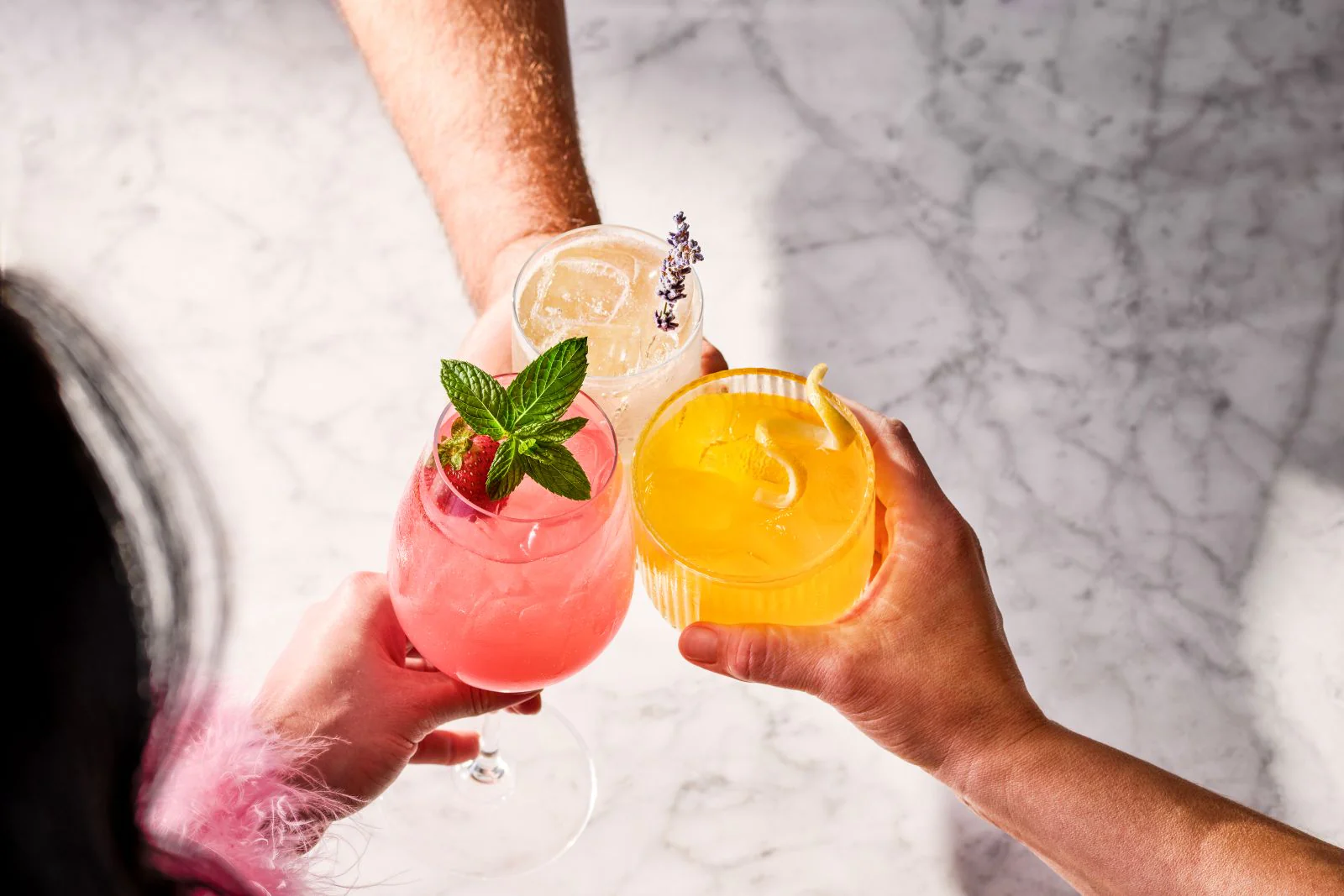
Something subtle but important has shifted in the way younger people approach drinking. If you spend time around Gen Z, you start noticing it quickly. The glass in their hand often looks like a cocktail, but it is not. It might be a mocktail with herbs, a sparkling botanical drink, or something marketed as a “functional tonic.”
This is not about quitting alcohol completely. It is about redefining what drinking even means. For many, it is less about getting a buzz and more about how they want to feel the next day. That alone changes everything.
A Shift in Gen Z Drinking Habits That Is Actually Measurable
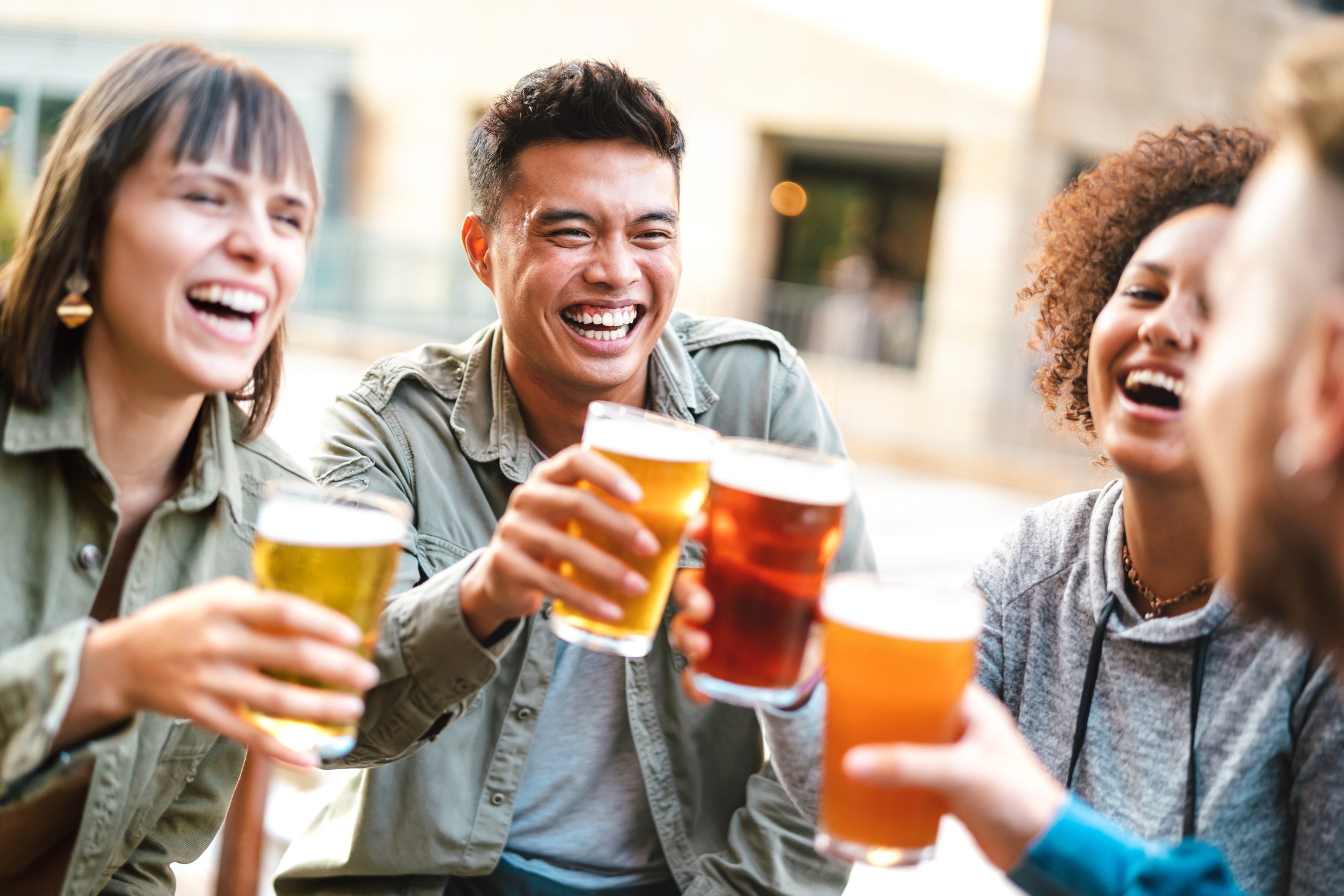
Around 3 in 5 Gen Z individuals drink rarely or not at all, and a significant portion choose alcohol-free options regularly.
Even more telling, over half of Gen Z consumers now order mocktails when they go out, and many actively try to reduce alcohol intake.
And it shows up in everyday choices too. Some people alternate alcoholic and non-alcoholic drinks during the same night, just to avoid the usual side effects like fatigue or hangovers.
That said, this does not mean Gen Z never drinks. It is more accurate to say they drink differently. Moderation is the pattern, not abstinence.
Nicotine, Alternatives, and the Broader “Less Harm” Mindset
If you zoom out a bit, this shift is part of a bigger pattern where people look for alternatives that feel more controlled or less disruptive.
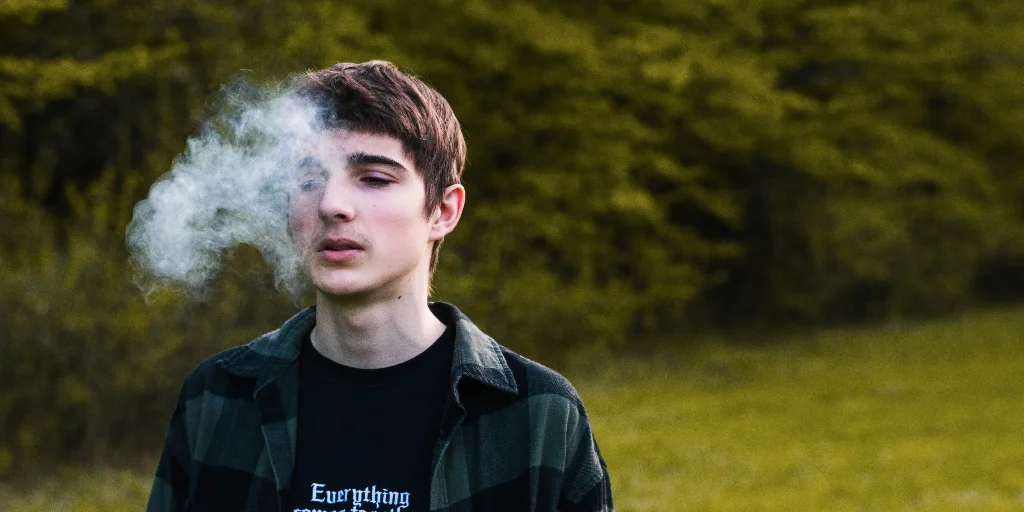
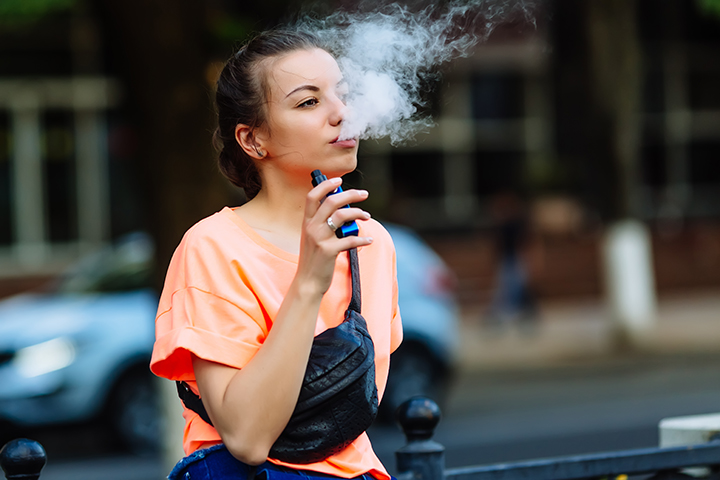
You see it with caffeine, with supplements, and even with nicotine. Some users move toward foggers vape, not necessarily because they are harmless, but because they perceive them as more manageable or predictable compared to traditional habits.
The same logic applies to drinks. It is less about perfection and more about reducing downsides. Fewer crashes, fewer regrets, more control over how the body feels afterward.
That mindset, once you notice it, explains a lot about why mocktails and herbal tonics are suddenly everywhere.
What Happens in the Body When You Choose Alcohol or Not

Alcohol is a substance that the body has to actively process, primarily through the liver.
When you drink, a few things happen:
- The liver prioritizes breaking down alcohol over other metabolic tasks
- Sleep quality drops, even if you fall asleep faster
- Stress hormones can increase the next day
- Brain signaling shifts, especially around dopamine and inhibition
Now compare that to most herbal tonics. Some contain ingredients like adaptogens or bitter herbs that may support stress response or digestion, though evidence varies.
Important: Most herbal drinks are not miracle solutions. Some effects are supported by early research, but many claims are still under investigation.
So the difference is not that one is magical and the other is harmful. It is that alcohol has well-documented downsides, while herbal alternatives tend to have milder, more subtle effects.
The Psychology Behind Drinking Less Without Feeling Left Out
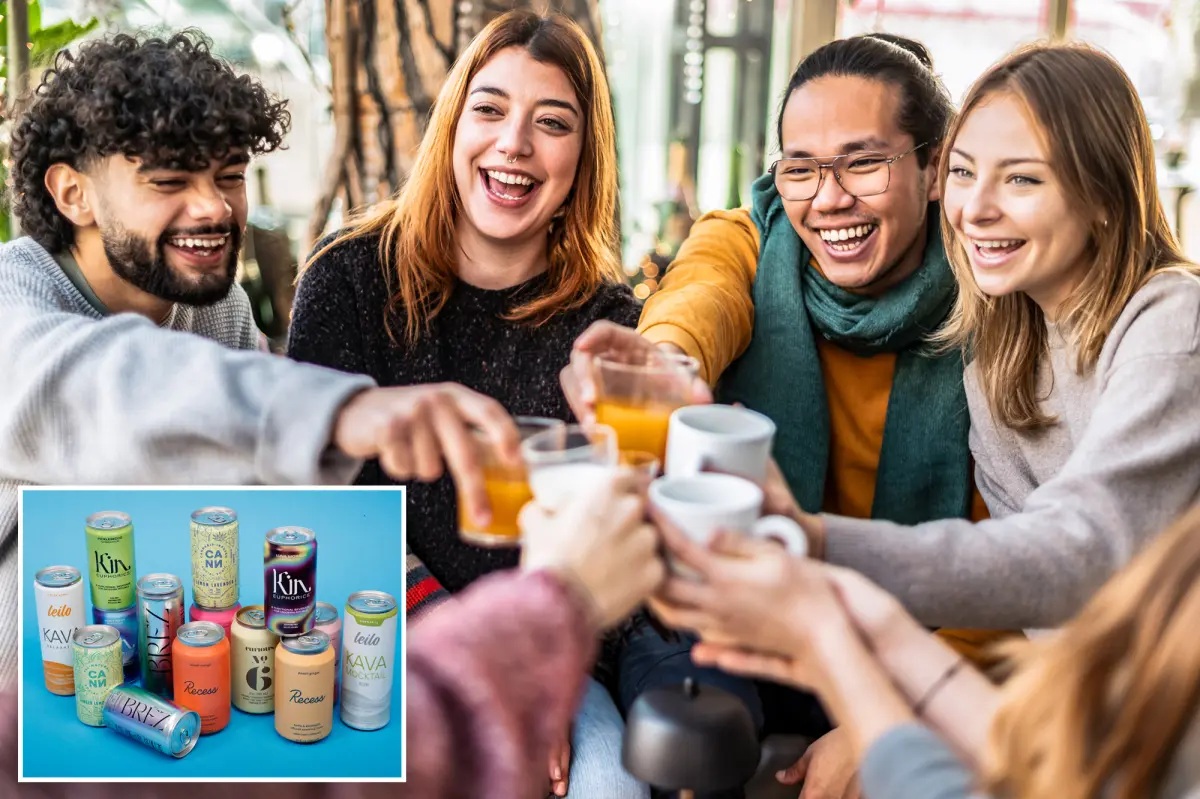
Gen Z is not avoiding alcohol because they dislike socializing. In fact, they still value shared experiences just as much.
What changed is the need for alcohol to make those experiences happen.
Many young people now associate drinking heavily with:
- Loss of control
- Reduced productivity the next day
- Social media exposure of embarrassing moments
At the same time, there is a stronger focus on mental clarity and emotional stability. For some, alcohol just does not fit into that equation anymore.
About a third of Gen Z say health and lifestyle are the main reasons they choose non-alcoholic drinks.
It is not about restriction. It is about alignment with how they want to feel.
Mocktails and Herbal Tonics: Healthier or Just Different?
This is where things get a bit more nuanced. Not every alcohol alternative is automatically “healthy.”
Some mocktails can be surprisingly high in sugar. Some herbal tonics rely more on branding than actual physiological impact.
Here is a simple way to think about it:
| Drink Type | Main Benefit | Potential Downside |
| Alcohol | Short-term relaxation | Sleep disruption, metabolic stress |
| Mocktails | Social inclusion without alcohol | Often high sugar |
| Herbal tonics | Mild functional effects | Limited strong evidence |
So yes, alternatives can be a better choice in certain contexts. But they are not all equal.
The real advantage is not that they are perfect. It is that they give people options.
Cultural Shift: Drinking Is No Longer the Default
This might be the most important piece. Alcohol used to be the default in social settings. Now it is just one option among many.
More than 60% of Gen Z prefer non-alcoholic drinks in social situations, which is a pretty dramatic shift compared to older generations.
And that changes behavior in subtle ways.
Bars now offer full mocktail menus. Social gatherings are less centered around drinking. Even the idea of a “night out” is evolving into something broader, like coffee, wellness drinks, or simply hanging out without alcohol.
Did you know?
The non-alcoholic beverage market has been growing rapidly and is projected to reach tens of billions in value, which suggests this is not a short-term trend.
This is not just about beverages. It is about identity and lifestyle.
So What Does This Actually Mean for You
You do not have to fully adopt this trend to understand it. But there is something useful in how Gen Z approaches drinking.
They treat alcohol as optional, not essential. They experiment with alternatives without assuming they are perfect. And they pay attention to how different choices affect their body and mood.
That alone is a meaningful shift.
Also read: How Soft Wellness Becomes Gen Z Identity Marker
If there is a practical takeaway, it is this. You can rethink your own habits without going to extremes. Maybe that means alternating drinks, choosing alcohol-free options sometimes, or simply being more intentional about when and why you drink.
No dramatic detox needed. Just a bit more awareness.