

A surprising number of people still underestimate how much information travels across the internet every second. According to the official Google Security Blog, secure HTTPS connections have been used as a ranking signal since 2014 because encrypted communication protects users and improves trust across the web.
Every time someone logs into a website, fills out a contact form, or submits payment details, data moves between the user’s browser and a web server. Without encryption, that information travels in readable form across networks, which makes interception possible.
This is where SSL and TLS security layers come in. SSL, and its successor TLS, encrypt the communication channel so that the transmitted data becomes unreadable to anyone who attempts to intercept it.
Modern websites rely on these security layers not as optional features but as the foundation of safe online communication.
How Data Travels Between Browsers and Servers
When a visitor loads a website, their browser sends a request to the server hosting that site. The server then returns data such as HTML pages, images, scripts, or API responses. This exchange happens constantly while the user interacts with the site.
If the connection uses standard HTTP, the data travels in plain text. Anyone monitoring network traffic could theoretically read or manipulate that information.
HTTPS changes this dynamic by introducing encryption through SSL or TLS protocols. HTTPS is essentially HTTP running over an encrypted layer that protects communication between the browser and server.
This encryption ensures that sensitive information like login credentials, personal details, and payment data cannot be easily intercepted.
A practical example
Many online services rely heavily on secure communication. Platforms where users interact with accounts, transactions, or gaming environments require encrypted connections to prevent unauthorized access and protect personal data.
That is one reason why environments that allow people to bet at home must maintain secure HTTPS connections and reliable SSL implementations. Visitors expect their sessions and personal information to remain private and protected while interacting with such platforms, which is why secure encryption layers are a core part of modern website infrastructure.
What SSL Security Actually Does
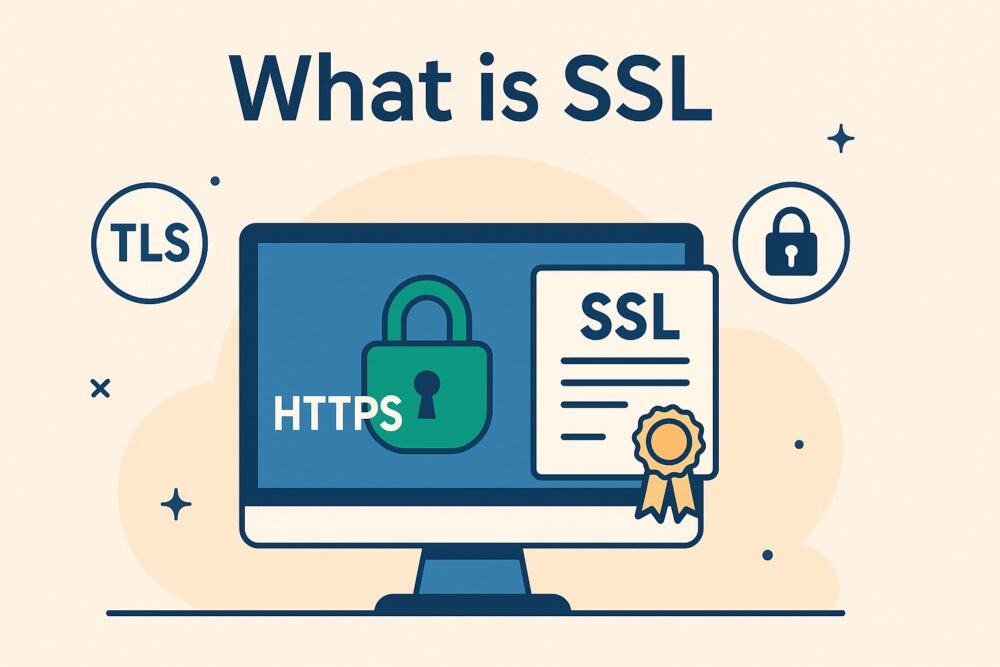
SSL and TLS are often described simply as encryption technologies, but their functionality goes deeper. These protocols establish a secure channel that protects three key aspects of communication between browsers and servers.
To understand their importance, it helps to look at the core security principles behind them.
Data Encryption
Encryption converts readable information into encoded data that only the intended recipient can decode. SSL uses cryptographic keys to protect data while it travels across networks.
When a browser connects to a secure website, the TLS handshake establishes encryption keys used to secure the communication session.
Because of this process:
- Intercepted traffic becomes unreadable
- Sensitive information remains protected
- Attackers cannot easily steal credentials or financial data
Authentication
SSL certificates also verify the identity of a website. A trusted certificate authority issues these certificates, confirming that a server actually belongs to the domain it claims.
Authentication prevents attackers from creating fake websites designed to steal user data.
Data Integrity
SSL protects the integrity of transmitted information. Hashing and message authentication codes detect any changes made during transmission.
If someone attempts to modify data while it travels across the network, the connection is flagged as invalid and rejected.
Important note
TLS security focuses on three guarantees: confidentiality, authentication, and integrity of transmitted data.
Together, these elements form the core foundation of secure web communication.
Why Strong SSL Security Layers Matter

Basic encryption alone is no longer sufficient for modern websites. Cyber threats have become more sophisticated, and attackers often look for weak configurations rather than breaking encryption itself.
A strong SSL implementation involves multiple layers of protection working together.
Some of the most important elements include:
- HTTPS enforcement across all pages
- Valid SSL certificates issued by trusted authorities
- Modern TLS versions such as TLS 1.2 or TLS 1.3
- Proper server configuration and cipher selection
- Continuous certificate monitoring and renewal
These layers help protect websites from several common attacks.
| Threat Type | What It Does | How SSL Helps |
| Man in the middle attack | Intercepts communication | Encryption blocks readable data |
| Session hijacking | Steals user session tokens | Secure cookies and HTTPS reduce risk |
| Phishing impersonation | Fake websites mimic real ones | Certificates verify domain identity |
| Data interception | Captures network traffic | Encryption hides sensitive data |
Encryption acts as the first defensive barrier in protecting online communication.
The SEO and Trust Benefits of SSL

Security does more than protect data. It also influences how users and search engines perceive a website.
Search engines prioritize secure browsing experiences, which is why HTTPS became part of Google’s ranking signals.
Secure websites often perform better in search results because they align with modern web standards.
Beyond SEO, SSL also improves user trust.
Browsers display a padlock icon in the address bar when a website uses HTTPS. This visual indicator reassures visitors that the site protects their information.
Did you know?
Many modern browsers actively warn users when they attempt to visit websites that still use unencrypted HTTP connections. These warnings often discourage visitors from continuing.
For businesses, that means a lack of SSL security can directly impact traffic, conversions, and reputation.
Key Components of a Strong SSL Security Strategy
Implementing SSL is straightforward in principle, but strong security requires careful configuration and ongoing maintenance.
A reliable SSL security strategy typically includes the following steps.
First, website owners install a trusted SSL certificate issued by a reputable certificate authority. These certificates contain the public keys needed to establish encrypted connections.
Next, HTTPS redirects ensure that all traffic automatically moves from HTTP to HTTPS. Without this configuration, users could still access insecure versions of the site.
Regular certificate renewal is also essential. Expired certificates trigger browser warnings and may block visitors entirely.
A good implementation plan usually includes:
- automated certificate renewal systems
- server configuration testing
- TLS version updates
- security monitoring tools
- vulnerability scanning
These practices ensure the encryption layer remains reliable and up to date.
Common SSL Misconceptions
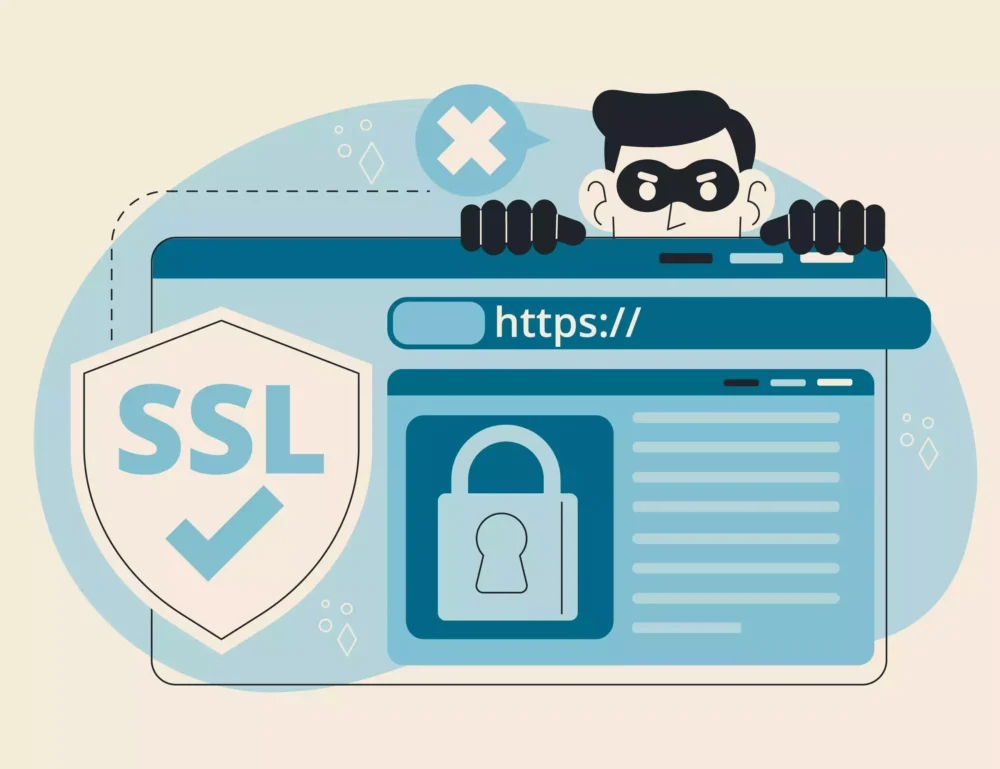
Despite its widespread use, several misconceptions still circulate around SSL security.
One common myth is that SSL only matters for ecommerce websites. In reality, any site that collects login credentials, contact forms, or analytics data benefits from encryption.
Another misconception is that HTTPS slows down websites. Modern TLS implementations are highly optimized, and performance differences are minimal in most environments.
A third myth suggests small websites do not need encryption.
In practice, smaller websites are often more vulnerable because they receive less security monitoring.
Encryption protects all types of websites, regardless of size or industry.
Final Thoughts
The internet has evolved into a highly interconnected environment where data moves constantly between users and servers. Without encryption, much of that information could be exposed to interception or manipulation.
SSL and TLS security layers solve this problem by creating encrypted communication channels that protect sensitive data, verify website identity, and ensure data integrity.
Strong SSL implementation also strengthens search visibility, improves user trust, and reduces the risk of common cyber attacks.
For modern websites, SSL is no longer optional infrastructure. It is one of the essential foundations of a secure and trustworthy web presence.