

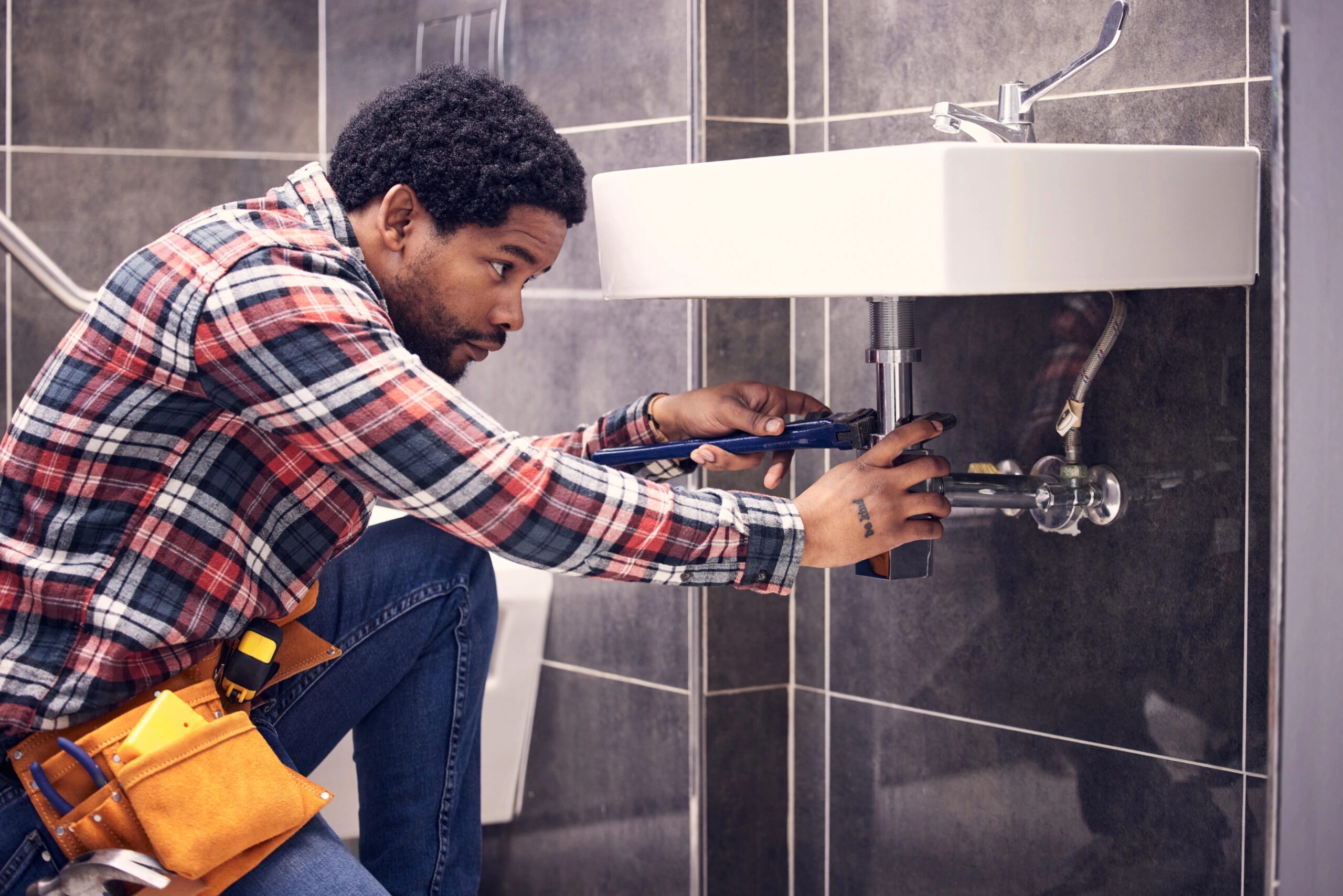
Most people only think about plumbing when something stops working. That usually means a leak, a clog, or no hot water when you need it. The problem is that by the time you notice those issues, efficiency has already dropped. Water is being wasted, energy use is higher than it should be, and parts of the system are wearing out faster.
Regular plumbing maintenance keeps everything running the way it should. It helps control water use, reduces energy demand, and prevents damage that leads to bigger repairs. Over time, that translates into lower bills and fewer disruptions.
Lowering Water Waste and Monthly Bills
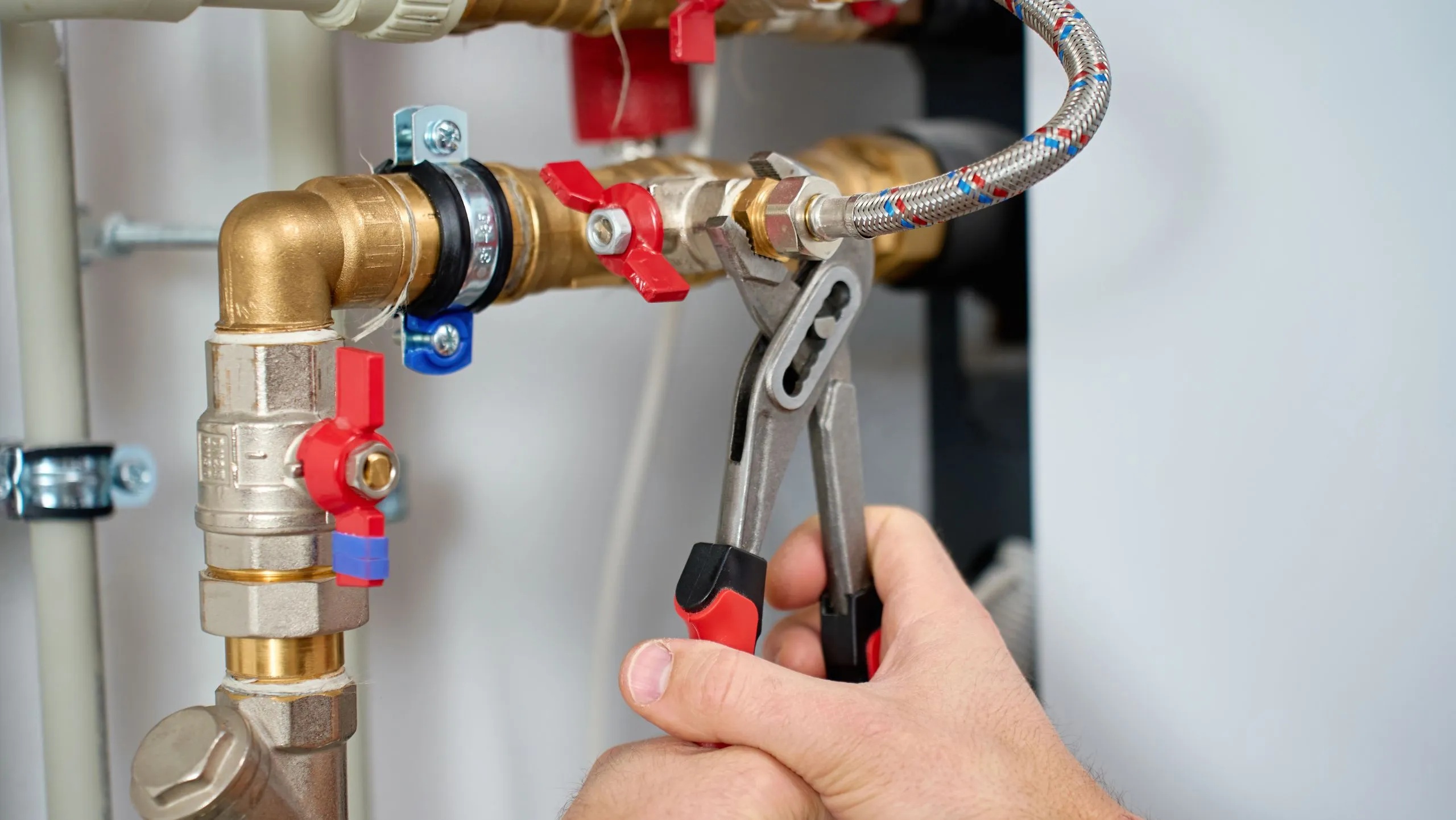
Water waste is one of the easiest problems to overlook because it often happens quietly. A slow leak under a sink or behind a wall does not draw attention, but it can run for months.
Even a small drip can waste thousands of gallons of water per year if left unchecked. That wasted water shows up directly on your bill.
When you stay on top of maintenance, these issues get caught early. A simple inspection usually includes checking fixtures, connections, and pressure levels. Fixing small leaks right away keeps your water usage under control and avoids unnecessary costs.
There is also the issue of water pressure. Too high, and it puts stress on pipes. Too low, and it often points to hidden leaks or blockages. Both situations reduce efficiency and increase long term wear.
Early Detection with Professional Help
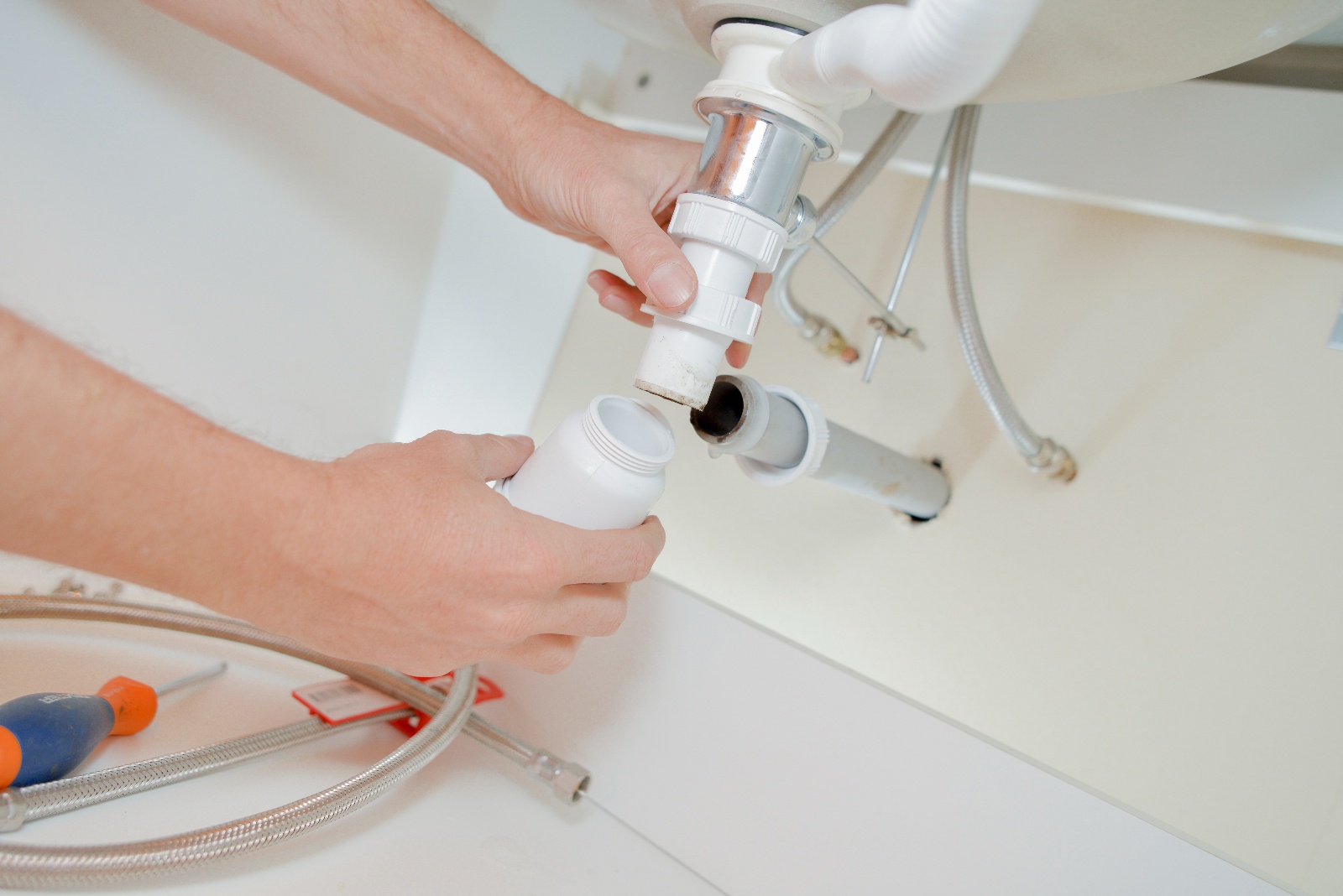
A lot of efficiency problems are not visible unless someone knows where to look, so working with a qualified plumber makes a difference.
A proper inspection is not just about checking for obvious leaks. It usually includes looking at pressure balance, pipe condition, early corrosion, and buildup inside the system. These are the kinds of issues that slowly reduce efficiency without obvious signs.
When these problems are handled early, the system keeps running at normal capacity. When ignored, they often turn into larger repairs or full replacements.
Routine checks also help avoid emergency situations, which tend to be more expensive and disruptive than planned maintenance.
Improving Energy Efficiency in Hot Water Systems
Hot water is one of the biggest energy uses in a home. If the system is not maintained, it has to work harder than necessary.
One of the most common problems is sediment buildup inside the water heater. Over time, minerals settle at the bottom of the tank and create a barrier between the heating element and the water. That forces the system to use more energy to heat the same amount of water.
What maintenance usually includes
Before getting into details, it helps to understand what actually improves efficiency in this part of the system:
- Flushing the tank to remove sediment
- Checking heating elements and valves
- Inspecting for early signs of corrosion
These steps keep the heater running at normal efficiency and prevent unnecessary energy use. A clean system heats water faster and uses less power to do it .
Extending the Life of Plumbing Components
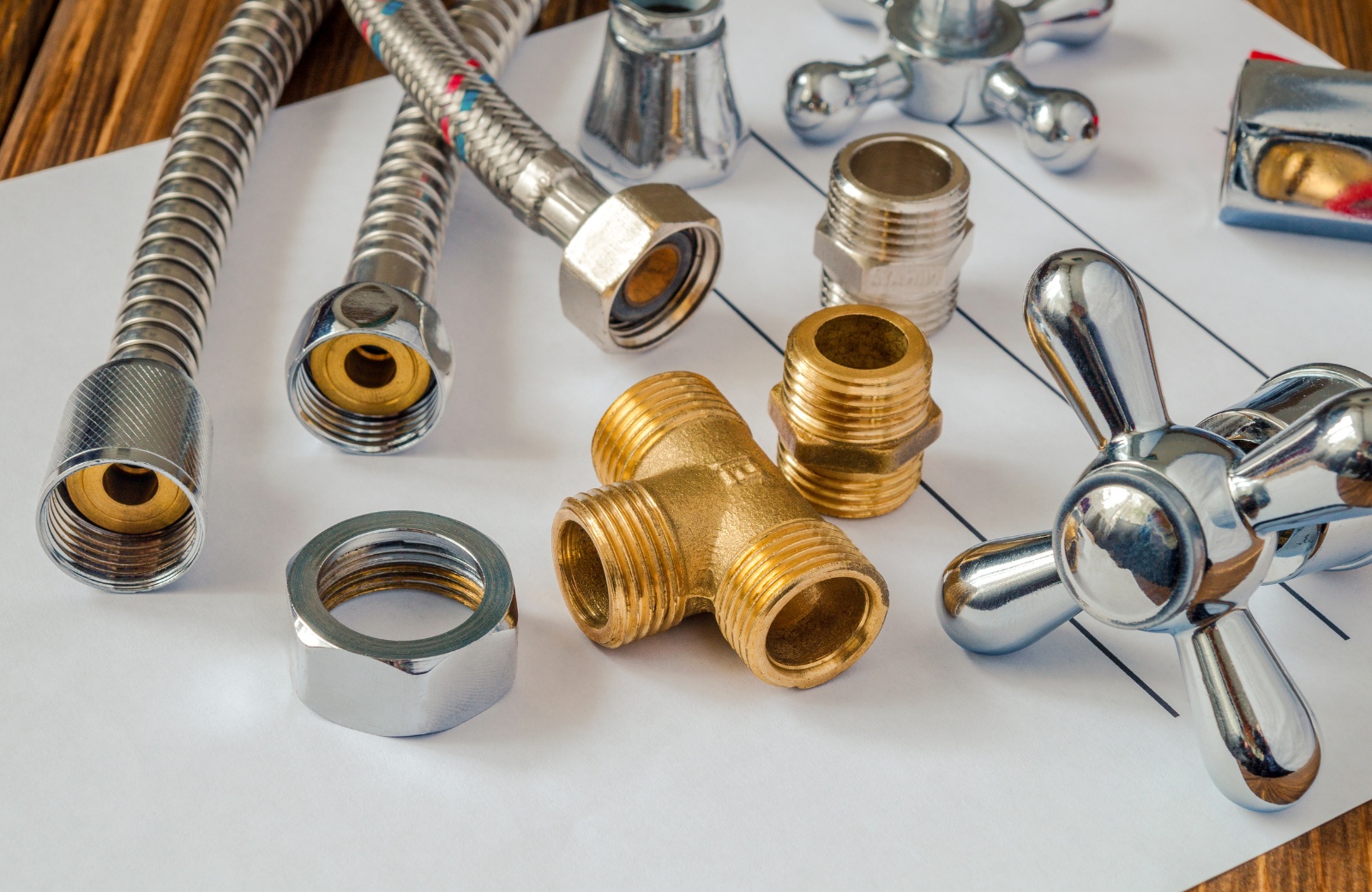
Plumbing systems wear down over time. That part is unavoidable. What you can control is how fast that happens.
When maintenance is done regularly, small issues are fixed before they affect other parts of the system. A worn seal or loose fitting might seem minor, but over time it can lead to leaks, pressure loss, or damage to nearby materials.
Here is a simple breakdown of how maintenance affects lifespan:
| Component | Without Maintenance | With Maintenance |
| Pipes | Corrosion builds up faster | Stay clean and functional longer |
| Water heater | Sediment reduces efficiency and lifespan | Lasts closer to expected lifespan |
| Fixtures | Wear leads to leaks | Maintained and replaced when needed |
Regular care can significantly extend the usable life of plumbing systems and appliances.
That means fewer replacements and more predictable costs over time.
Preventing Clogs and Keeping Water Flow Consistent
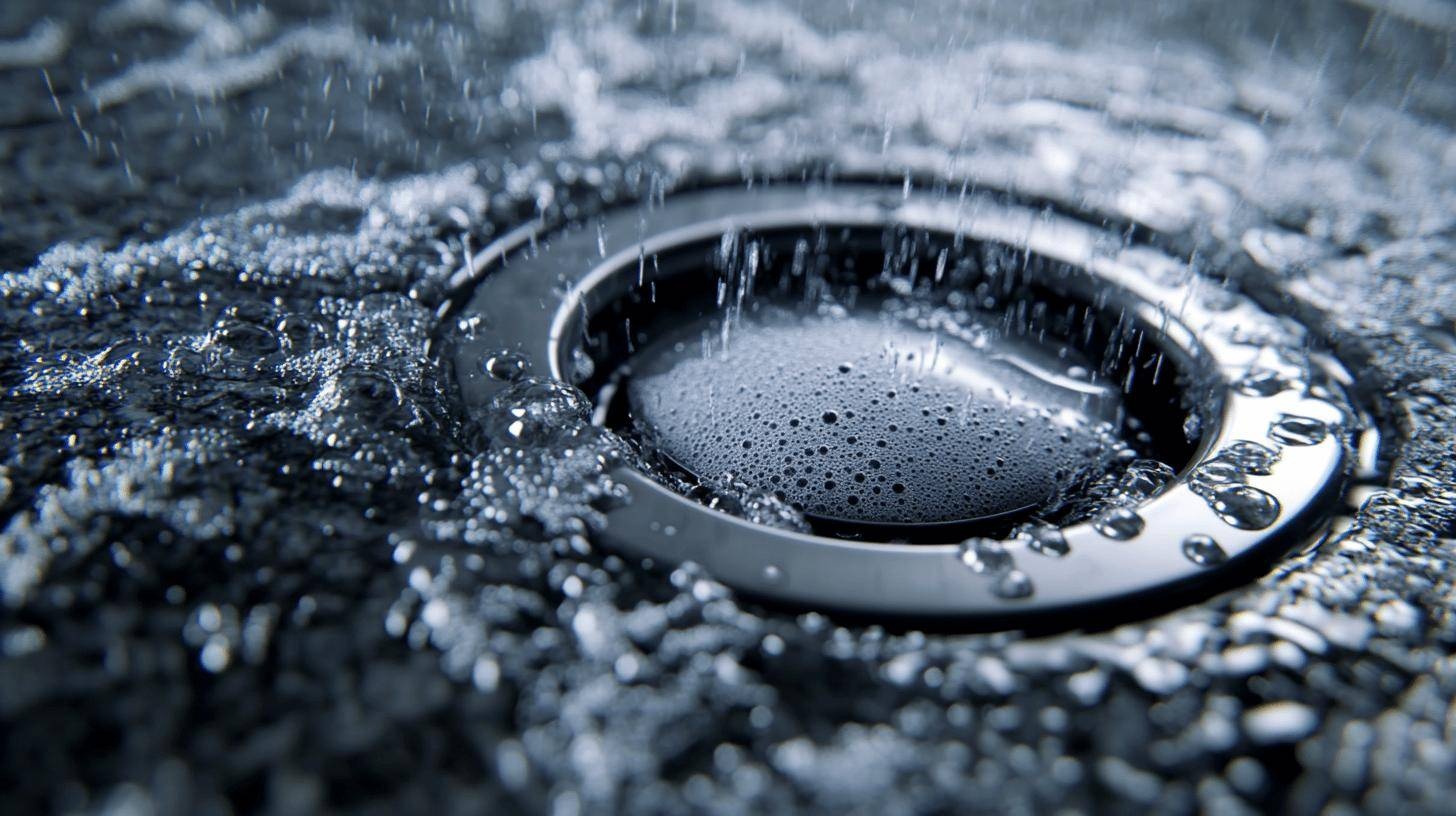
Drain issues are another area where efficiency drops slowly before it becomes obvious. A drain does not usually clog overnight. It builds up over time with grease, soap residue, and debris.
When drains are not maintained, water flow becomes slower. That puts pressure on the system and increases the chance of backups. In some cases, it can even lead to pipe damage.
Signs that maintenance is overdue
It helps to recognize early warning signs before a full blockage happens:
- Water drains slower than usual
- Gurgling sounds from pipes
- Odors coming from drains
Routine cleaning removes buildup before it becomes a problem. It also reduces stress on the system and keeps wastewater moving as it should.
Clean drainage plays a direct role in maintaining overall system efficiency.
Protecting the Structure of the Home
Plumbing problems do not stay contained within pipes. Water finds its way into floors, walls, and foundations if leaks go unnoticed.
That kind of damage is expensive and often takes time to repair properly. What starts as a small leak can lead to mold growth, wood damage, and structural issues.
Regular inspections reduce that risk. When leaks are caught early, they can be fixed before any surrounding materials are affected.
Regular plumbing checks help prevent moisture damage and protect the structure of the home by identifying leaks before they spread into walls or foundations.
This is not just about efficiency. It is also about protecting the long term condition of the property.
Maintaining Water Quality and Consistency
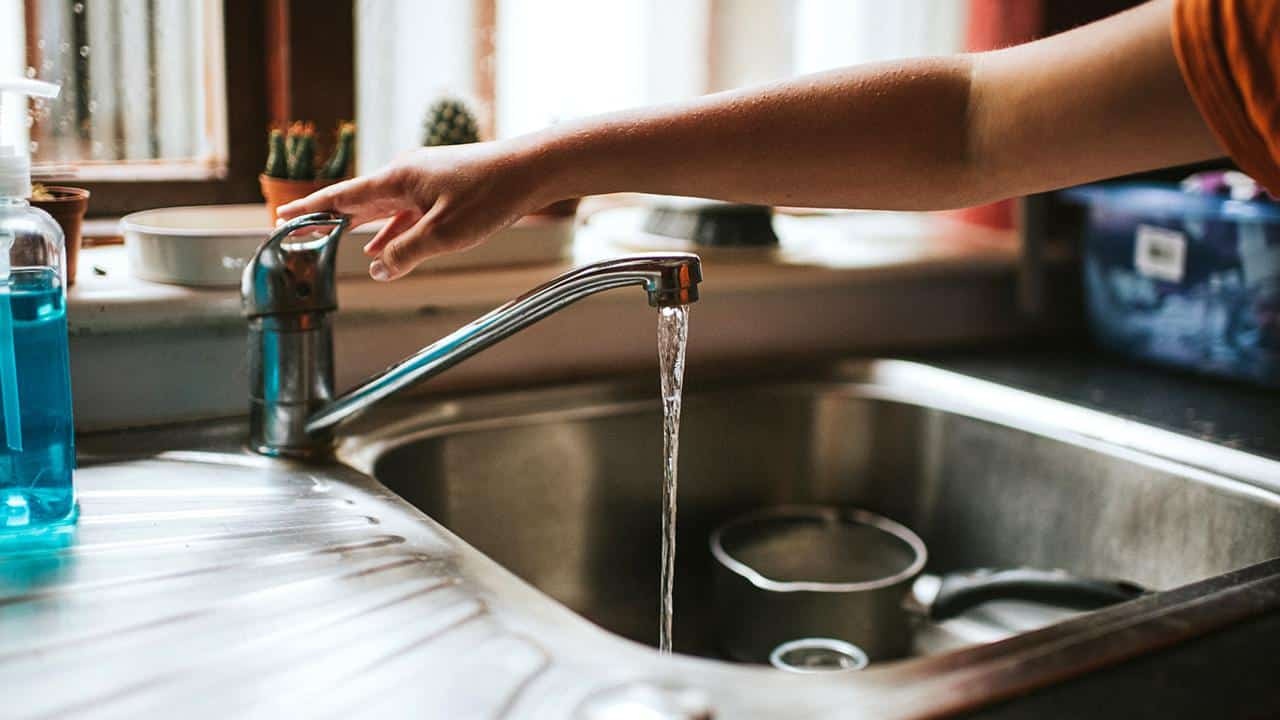
Water quality is something people notice right away when it changes. Discoloration, unusual taste, or reduced pressure are usually signs that something inside the system needs attention.
Mineral buildup and corrosion inside pipes can affect both pressure and water quality if left unchecked. Maintenance keeps pipes clear and ensures water flows properly.
That also helps appliances perform better. Dishwashers, washing machines, and water heaters all depend on steady pressure and clean water to work efficiently.
When the system is clean, everything connected to it runs more smoothly.
Frequently Asked Questions
Final Thoughts
Regular plumbing maintenance is not complicated, but it makes a clear difference over time. It reduces water waste, lowers energy use, and prevents avoidable damage. Most of the benefits come from catching small issues early and keeping the system clean and balanced.
If you ignore maintenance, efficiency drops slowly. Bills increase, components wear out faster, and repairs become more frequent. When you stay consistent with inspections and basic upkeep, the system stays stable and predictable.
That is what efficiency looks like in a real home.