

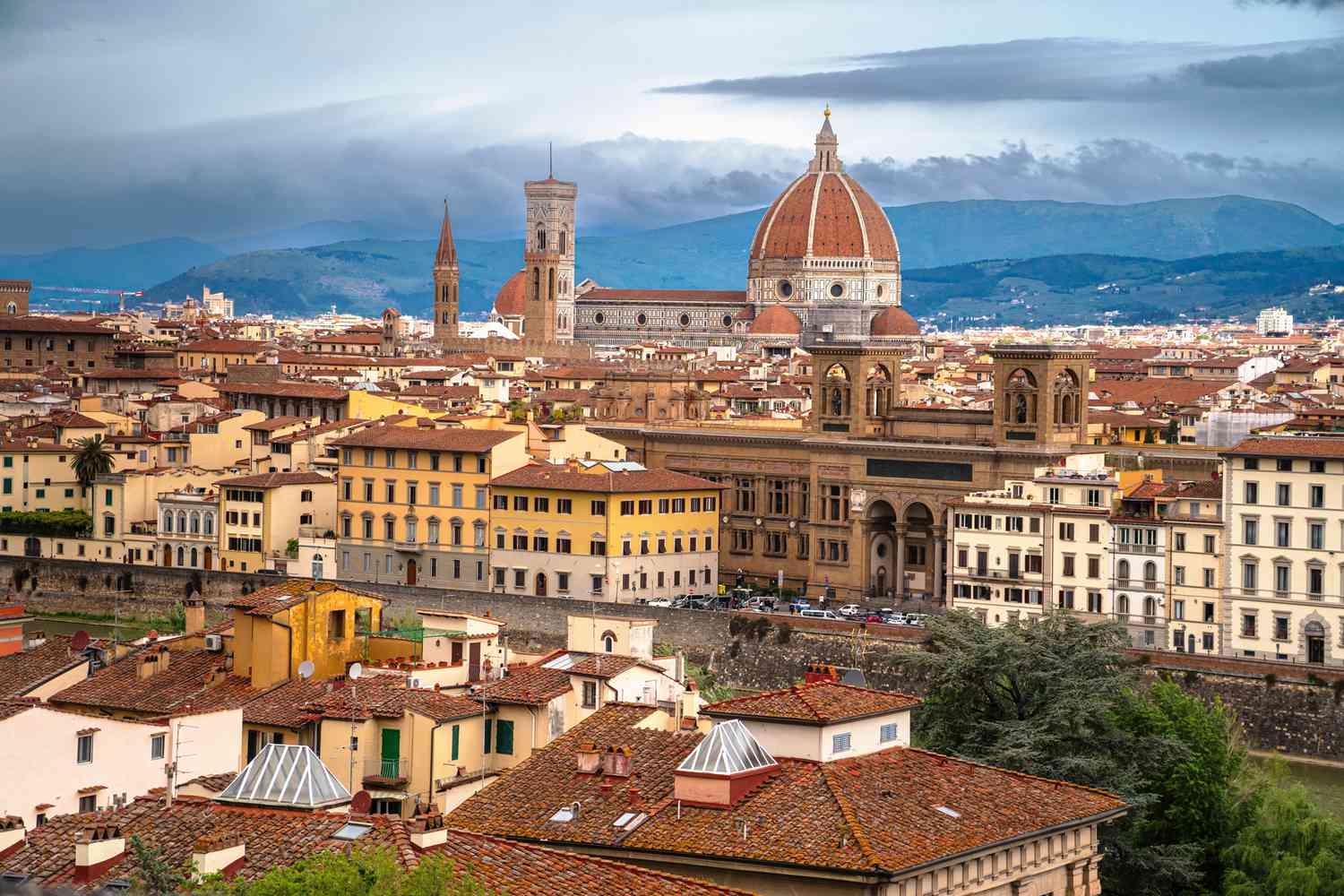
Travelers who return to Italy again and again often realise that ticking off famous sites does not guarantee a deeper connection with the country. Even in beloved cities, the crowds and souvenirs can make authentic encounters feel distant.
Authenticity has become a buzzword, yet you find the real Italy in small towns and rural communities where daily life revolves around local traditions. The term borgo describes fortified villages that date to the Middle Ages or Renaissance, and Italy’s association of I Borghi più belli d’Italia promotes more than 350 such villages.
Visiting them isn’t about escaping tourism but about slowing down, meeting residents and learning how they harvest, cook and celebrate. If you want more than standard tours, you’ll need to book experiences that immerse you in this everyday magic.
Immersive Experiences in Small Towns
Many travellers instinctively head to Rome, Florence and Venice. Those cities are spectacular, but spending all your time there can mean missing out on the warm hospitality of Italy’s small towns. In villages around Umbria, Tuscany and Lazio you can wander past farm fields and stone walls, chat with winemakers and artisans, and hear stories that only locals know.
According to travel experts, spending time in lesser‑known towns such as Allerona, Civita di Bagnoregio or Orvieto allows you to witness how everyday Italians live and connect to the land. The slower pace and absence of mass tourism makes it easier to book hands‑on activities and become part of village life.
Whether you’re interested in rustic cooking lessons, foraging with farmers or learning a craft, these towns are the perfect base.
Foraging, Harvest and Cooking
Local outfitters in central Italy arrange experiences that go far beyond sightseeing. In Umbria and Tuscany you can join truffle hunters and their dogs in the woods and savour a feast afterwards.
Autumn harvest tours allow you to help pick grapes or olives, share lunch with farm workers and watch olives pressed into oil. Villaggio tours even include classes where you cook seasonal dishes with local mothers in Allerona, rolling ravioli and tiramisù by hand.
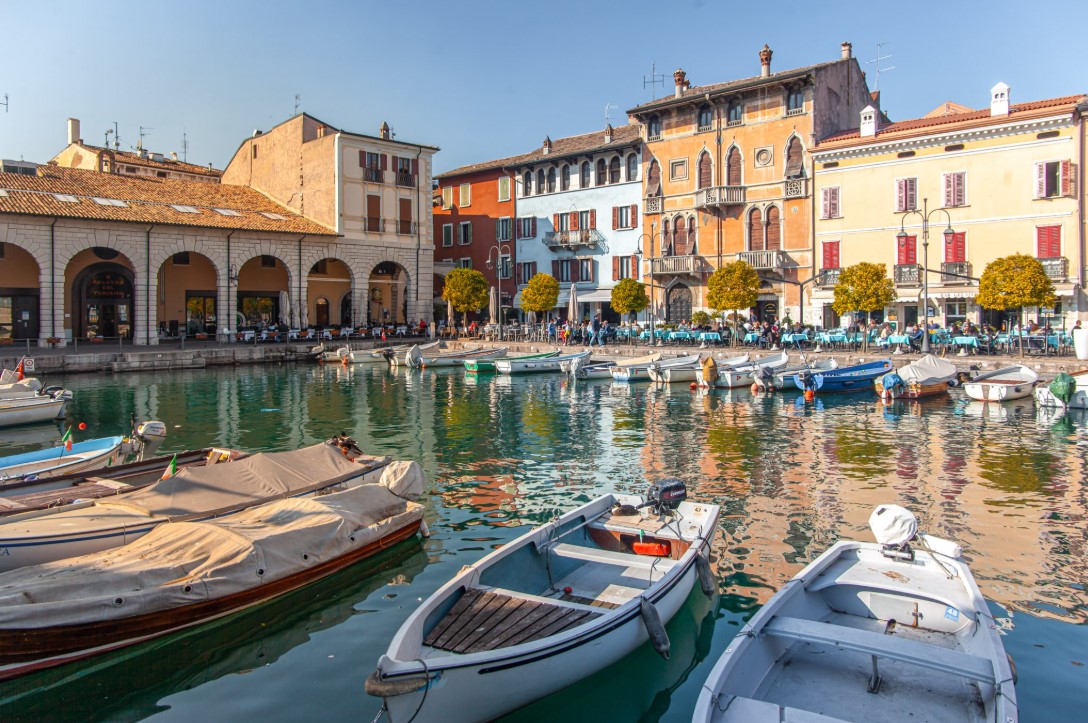
For something urban yet intimate, book a cooking class in Verona that pairs market visits with hands‑on lessons.
These experiences reveal the rhythms of rural life and teach you why Italians are so passionate about seasonal food. Instead of leaving with a bag of souvenirs, you carry home stories and skills.
Rural Stays and Agriturismo
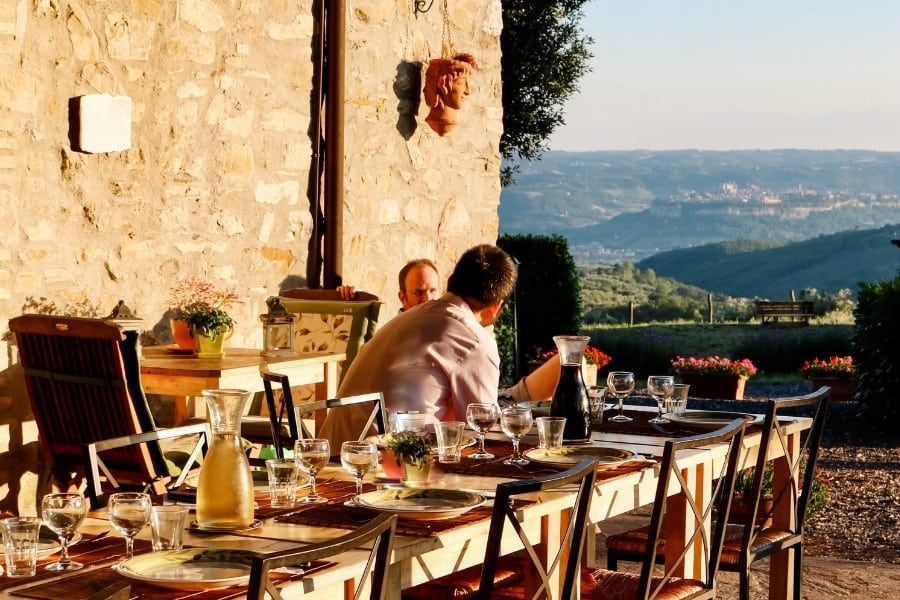
Sleeping in the countryside is another way to ground yourself in Italian culture. Agriturismi are farmhouses that earn more from farming than tourism, ensuring they remain working farms.
Rick Steves notes that these properties range from simple to luxurious and are often outside towns. Hosts might organise truffle hunts, artichoke festivals, wine tastings, olive harvests and pasta‑making sessions.
Family‑run boutique hotels offer a similar sense of place; owners share personal tips and local contacts. A table can help you compare lodging types:
|
Accommodation |
Distinctive Features |
Ideal For |
| Family‑run boutique hotel | Personal recommendations, central location | Travellers wanting local insights |
| Agriturismo (farm stay) | Working farm, seasonal meals, hands‑on experiences | Food lovers and families |
| Boutique winery | Vineyard views, wine tastings, farm‑to‑table meals | Wine enthusiasts and couples |
Choosing the right stay shapes your trip. A week‑long agriturismo stay lets you settle in and join harvests, while a boutique hotel in a hill town gives you flexibility to explore surrounding villages.
Either way, the hosts become part of your journey, sharing stories and connecting you to hidden corners of their region.
Off‑the‑Beaten‑Path Historic Sites and Villages
Beyond the well‑trod centres, Italy is dotted with hill towns and palazzos that feel like time capsules.
Places like Orvieto and Civita di Bagnoregio perch on volcanic rock and reveal layers of Etruscan, medieval and Renaissance history.
Travellers on immersive tours hike through chestnut forests, forage for wild herbs and cook their finds, then explore ancient ruins and Etruscan necropolises. Villas such as Palazzo Doria Pamphilj in Rome or Villa Rufolo on the Amalfi Coast preserve artworks and aristocratic gardens.
Many of these sites are in borghi recognised by I Borghi più belli d’Italia.
Did you know that a borgo is a small fortified town often built along trade routes during the Middle Ages? Today these villages host festivals and workshops that celebrate ancient crafts. Visiting them supports conservation efforts and helps keep traditions alive.
Urban Immersion – Markets, Festivals and Hidden Gems
Major cities also offer authentic experiences when you look beyond headline attractions. Palermo’s Ballarò and Vucciria markets tempt you with seasonal produce, fresh seafood and street‑food classics like arancini and cannoli.
Guided market tours include tastings and insights into Sicilian culinary traditions. Cities such as Siena and Venice host festivals where locals don elaborate costumes and celebrate with historical horse races or masked parades.
In Verona, opera fans can book private performances in the ancient arena.
To engage with city life on a personal level, stay in a family‑run hotel; owners often recommend neighbourhood trattorias, artisan studios and lesser‑known museums.
Look for workshops or classes as well – a cooking class in Rome might begin with shopping for ingredients in Campo de’ Fiori and end with lunch in a chef’s apartment.
Travelling in the off‑season (November to March) means fewer crowds and lower rates, giving you space to appreciate Rome, Florence and Venice without feeling rushed.
Book guided walks to see palaces like Villa Necchi Campiglio or hidden churches; their stories often rival those of better‑known sites.
Conclusion
Italy rewards curiosity. By booking experiences that go beyond standard tours – from joining truffle hunts to cooking with grandmothers, staying on working farms, learning mosaic techniques or exploring ancient hill towns – you immerse yourself in the rhythms of local life.
Travel writers remind us that authenticity is found in small gestures: sharing lunch with harvesters, listening to artisans explain their craft, watching winter sunlight pour through a forgotten chapel.
Planning for these moments requires research, flexibility and respect for the communities you visit. Choose family‑run lodgings, travel off‑season when possible, and support local guides and producers.
When you do, Italy opens up in unexpected ways, and your memories will consist not just of famous landmarks but of friendships, skills and stories that last a lifetime.