

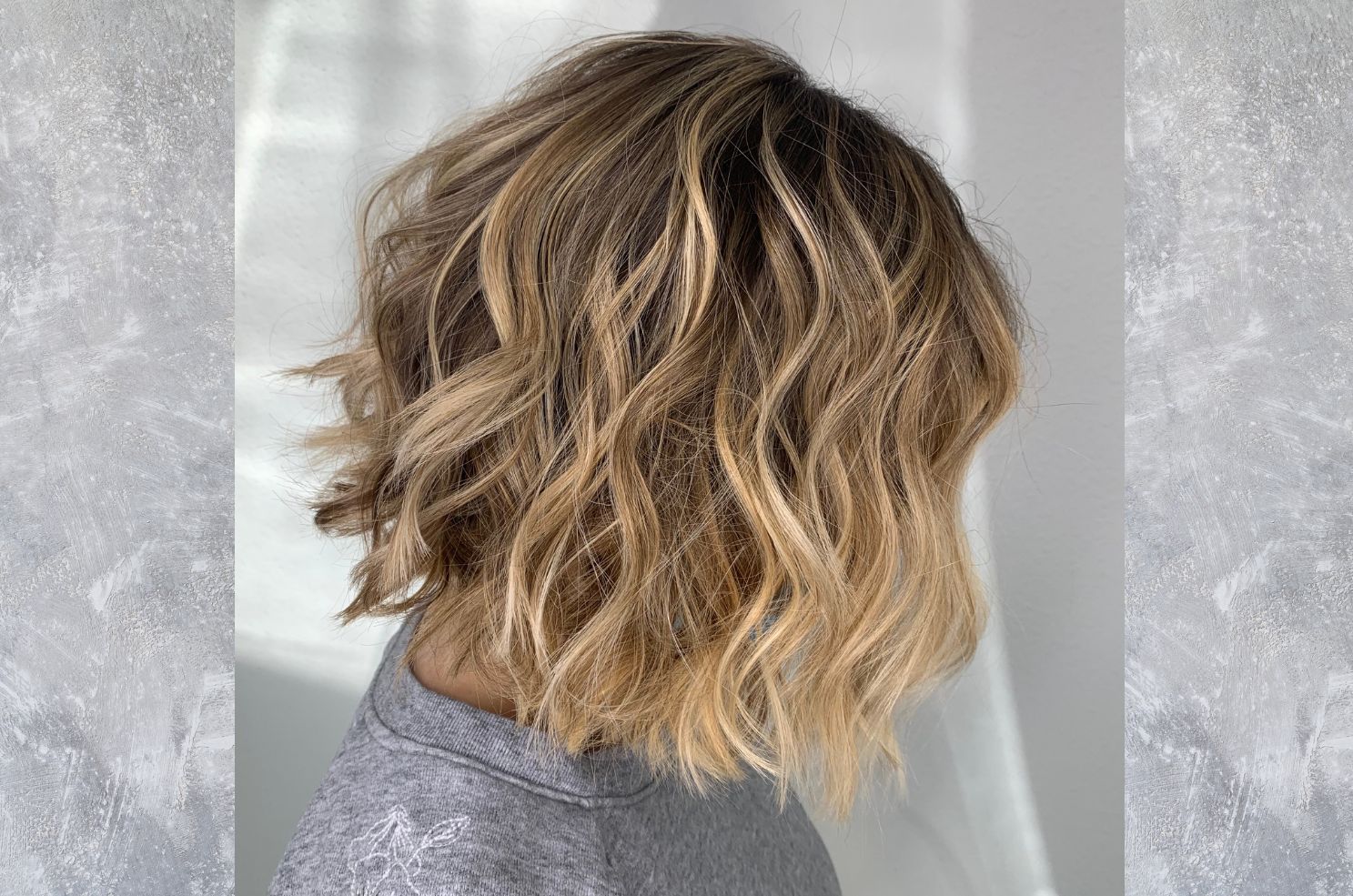
Thin hair can feel limiting, especially when it falls flat no matter what you do. The good part is that fullness is often more about technique than actual hair density. With the right cut, styling habits, and product choices, you can change how your hair looks without drastic treatments.
This isn’t about quick fixes that disappear in a few hours. It’s about stacking small, practical changes that build a consistent, fuller appearance over time. Some work instantly, others improve how your hair behaves long term. The goal is simple: more lift at the roots, more texture through the lengths, and less weight dragging everything down.
Start With the Right Foundation
Before getting into styling tricks, it helps to understand that thin hair reacts strongly to small changes. A heavy conditioner or the wrong haircut can flatten everything. On the other hand, a few adjustments can make your hair look noticeably fuller.
If you want a solid place to explore techniques and products without confusion, take a look at Thathair. It’s useful because it focuses on practical hair solutions instead of trends, which matters when you’re dealing with thin hair.
The key idea here is simple: you’re not trying to force volume. You’re removing what prevents it. That shift alone changes how you approach everything else.
Haircuts That Instantly Add Volume
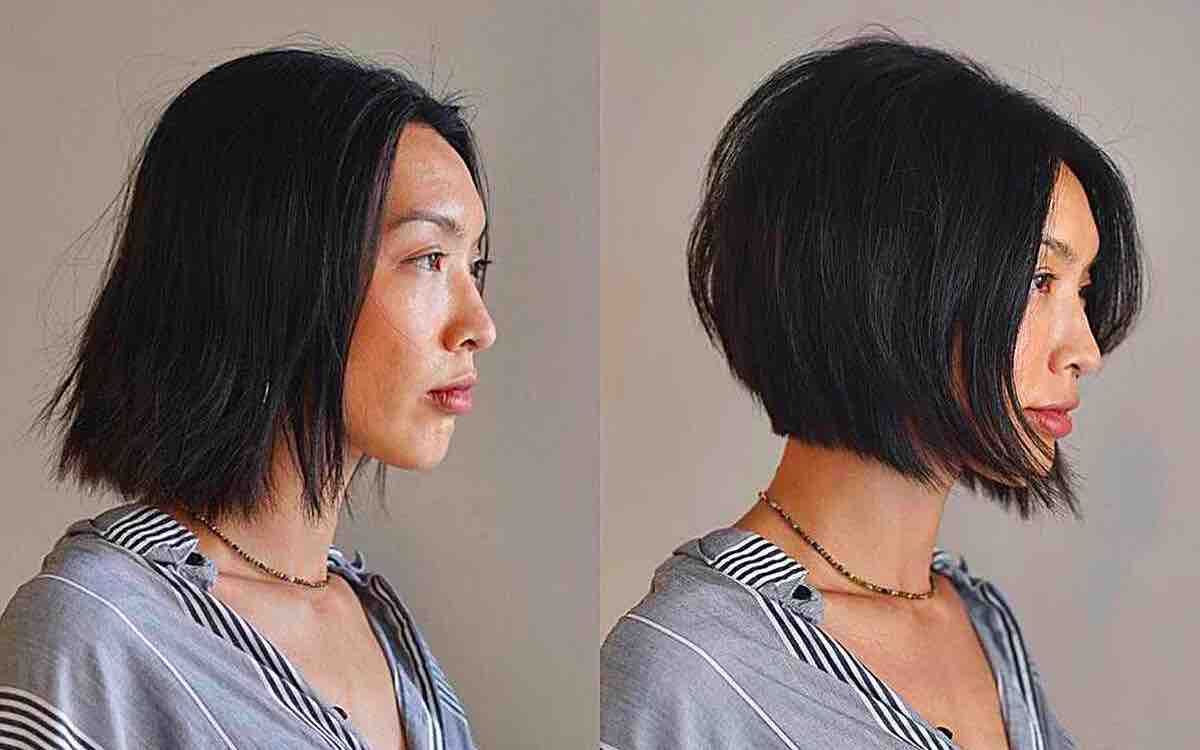
A haircut is the fastest way to make thin hair look fuller. The wrong one spreads your hair out and makes it look sparse. The right one keeps density where you need it.
Shorter styles tend to work better because they reduce weight and allow the roots to lift more easily. Blunt ends are especially useful because they create a thicker edge visually.
Here are a few styles that consistently help:
- Blunt bob that sits at the jaw or collarbone
- Textured lob with minimal layering
- Soft shag with controlled movement
- Pixie cut with volume at the crown
Recent styling advice also points out that blunt cuts and shorter shapes create a stronger outline, which makes hair appear denser overall.
The goal is not just shape. It’s how that shape supports lift and structure.
Smart Styling Techniques That Actually Work
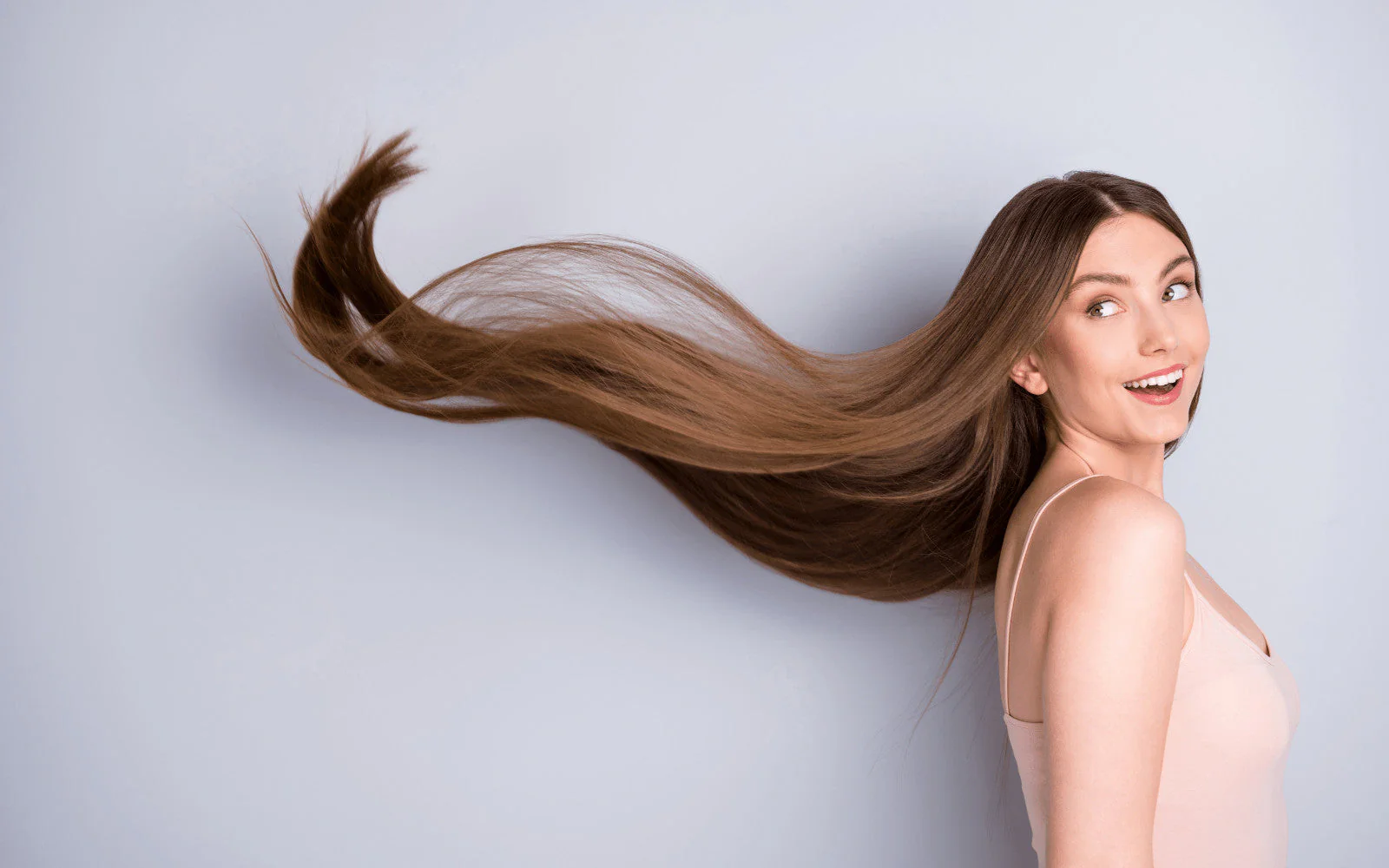
Styling is where most people either gain or lose volume. The same hair can look flat or full depending on how it’s handled after washing.
A few techniques make a noticeable difference right away:
- Blow-dry your hair upside down to lift the roots
- Change your part slightly to avoid flat sections
- Use dry shampoo even on clean hair for texture
- Style against your natural part for extra lift
These methods work because they physically shift the direction of the hair, which creates space at the roots.
Thin hair doesn’t lack volume by default. It loses volume when it lies flat against the scalp.
This is why root direction matters more than adding product.
Choosing Products Without Weighing Hair Down
Products can help or ruin the look of fullness. Thin hair needs support.
Lightweight formulas are essential. Heavy creams or oils tend to collapse volume within hours. Instead, focus on products designed to lift or add texture.
Here’s a simple comparison:
| Product Type | Effect on Thin Hair | When to Use |
| Volumizing mousse | Adds lift and structure | Before blow-drying |
| Dry shampoo | Absorbs oil, adds grip | Between washes or styling |
| Texture spray | Creates movement and fullness | After styling |
| Heavy oils | Flattens hair quickly | Avoid or use sparingly |
Volumizing sprays, mousses, and root lifters are consistently recommended because they add texture without heaviness.
After using any product, check how your hair feels. If it feels coated, it’s probably working against you.
Color Tricks That Create Depth
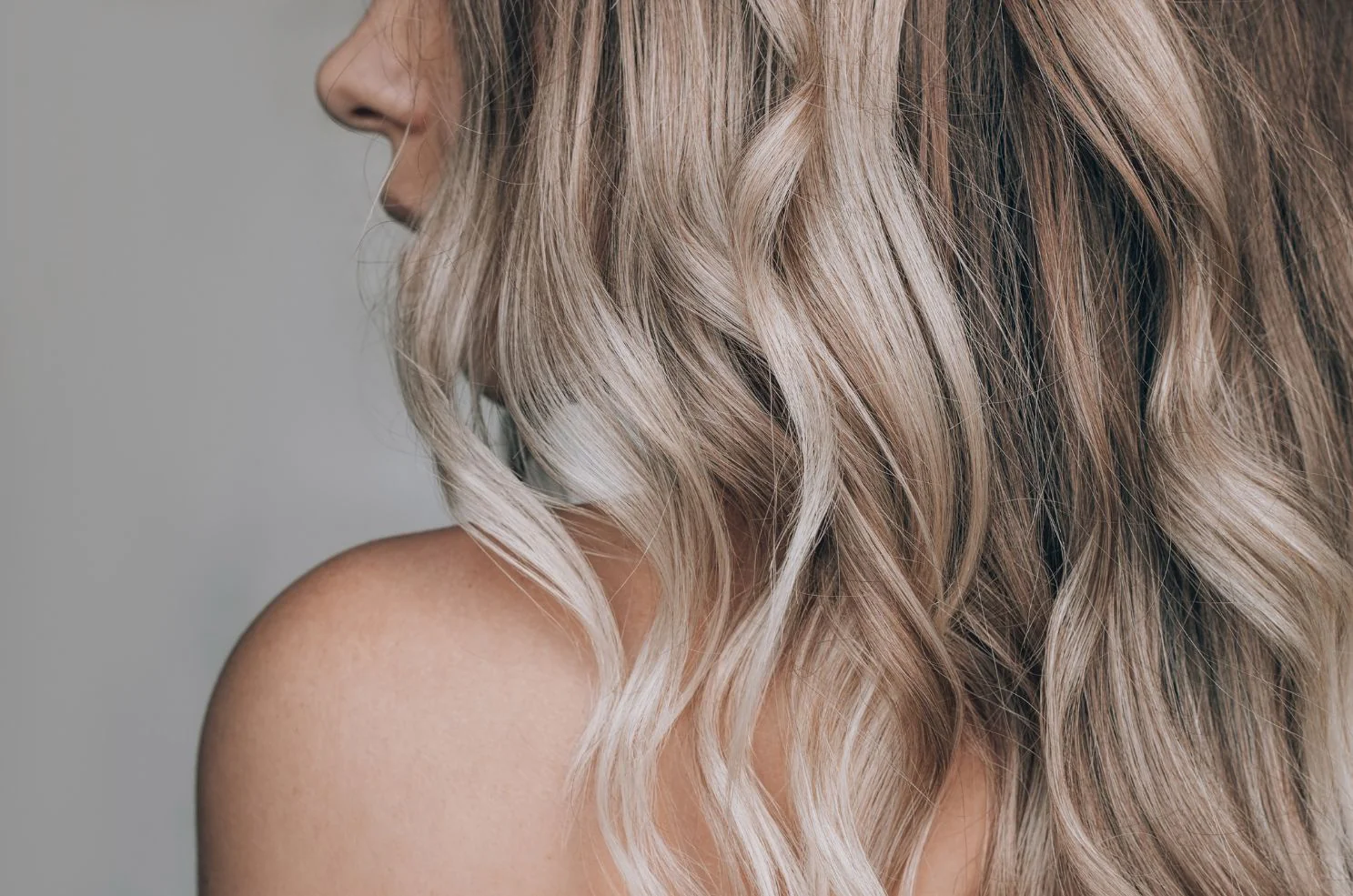
Color can change how thick your hair looks without changing the hair itself. This works by creating contrast and dimension.
Highlights and lowlights are especially useful because they break up flat color and add visual depth.
A single flat color tends to show the scalp more clearly. When you add variation, the eye focuses on dimension instead.
Did you know?
Hair color can slightly lift the hair shaft during processing, which can make strands feel fuller temporarily.
This is not a permanent fix, but it can enhance the overall look when combined with good styling.
Daily Habits That Make a Long-Term Difference
What you do every day has a bigger impact than occasional styling.
Thin hair is more prone to breakage, and when strands break, the hair looks even less dense. Protecting what you have is just as important as styling it.
Focus on these habits:
- Wash hair 2 to 3 times a week to avoid excess oil buildup
- Apply conditioner only to the ends
- Avoid tight hairstyles that pull at the roots
- Use heat tools carefully and always with protection
Healthy habits support stronger strands and reduce breakage, which helps hair maintain a fuller appearance over time.
This is where patience matters. Results here build gradually, but they last.
Scalp Care Is Often Overlooked

A healthy scalp supports better hair behavior. When the scalp is clogged or irritated, hair tends to sit flatter and look weaker.
Simple changes can improve this:
- Massage your scalp for a few minutes while washing
- Use gentle shampoos that don’t leave residue
- Remove buildup regularly if you use styling products
Scalp massage, in particular, helps improve circulation and supports stronger hair growth over time.
Think of it as creating better conditions for your hair to perform well.
Small Styling Tricks That Add Immediate Fullness
Sometimes you just need quick fixes that work in minutes. These don’t replace good habits, but they help when you need volume fast.
A few reliable options:
- Flip your part to the opposite side
- Lightly backcomb at the crown
- Use rollers instead of heat tools for softer volume
- Add a fringe or bangs to frame the face
Even something as simple as adjusting your part can create instant lift by redistributing hair.
These tricks are useful because they don’t require a full routine change.
Bringing It All Together
Making thin hair look fuller is not about one perfect product or a single technique. It’s about combining small, effective choices that support each other.
Start with a haircut that holds structure. Use lightweight products that add lift instead of weight. Pay attention to how you dry and style your hair. Support everything with good daily habits and basic scalp care.
Also read: Hair loss in women
When these pieces come together, the result feels natural. Your hair won’t just look fuller for a few hours. It will behave differently overall.
That’s what you’re aiming for.