

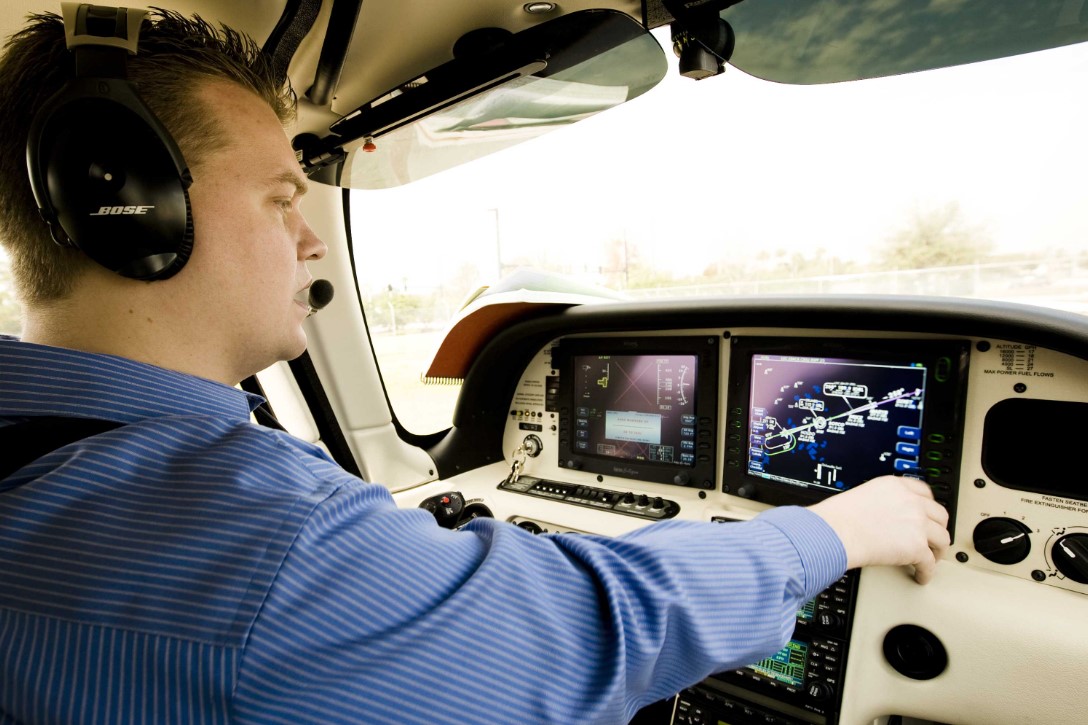
Single Pilot Resource Management training prepares pilots to safely handle flights without a co-pilot by strengthening decision-making, awareness, and workload control. As aviation technology advances and operations shift toward more independent cockpit roles, SRM becomes a core skill set rather than an optional enhancement.
Pilots who train in SRM learn how to evaluate risks, manage distractions, and use available tools effectively. The goal is simple, maintain the same level of safety seen in multi-crew operations, even when flying alone.
What Is Single Pilot Resource Management and Why It Matters
Single Pilot Resource Management, often referred to as SRM, is a structured approach to handling all available resources during flight. These resources include onboard systems, external communication, environmental awareness, and the pilot’s own cognitive capacity.
The concept evolved from Crew Resource Management, but it is adapted for situations where the pilot has no direct in-cockpit support.
Key elements of SRM include:
- Maintaining situational awareness during all phases of flight
- Managing workload to avoid overload in critical moments
- Making clear, timely decisions under pressure
- Communicating effectively with air traffic control and support teams
The importance of SRM has grown alongside the increasing complexity of modern aircraft. Advanced avionics reduce manual workload, but they also introduce new layers of monitoring and interpretation. A pilot must know how to balance automation with active decision-making.
The Evolution of SRM in Modern Aviation
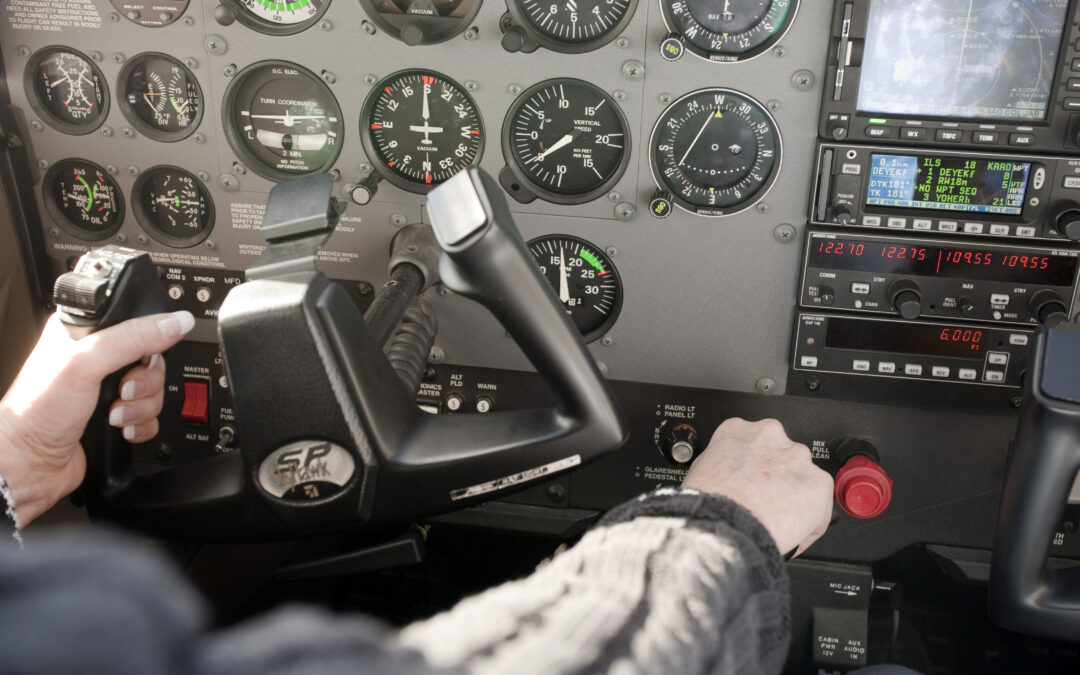
In early aviation, pilots relied heavily on instinct and basic coordination with air traffic control. There were limited tools available, and procedures were not standardized.
By the late 20th century, accident investigations began to highlight human error as a major contributing factor. This led organizations such as the Federal Aviation Administration to promote structured training focused on human performance.
SRM emerged as a necessary adaptation. Instead of relying on a second pilot for cross-checking and support, solo pilots were trained to internally manage the same responsibilities through structured thinking and disciplined procedures.
Today, SRM is integrated into both general aviation and commercial training programs. It is no longer viewed as an advanced concept but as a baseline requirement for safe operations.
Who Benefits Most From SRM Training
SRM training is not limited to one type of pilot. It applies across multiple levels of aviation.
Pilots who benefit the most include:
- Student pilots who are building foundational habits early
- Private pilots who frequently operate alone on cross-country flights
- Commercial pilots in single-pilot certified aircraft
- Operators in remote or regional routes where crew reduction is common
Each of these groups faces different challenges, but the underlying need remains the same, structured decision-making without reliance on a second set of eyes.
Adapting Safety Risk Management Training For Technological Change
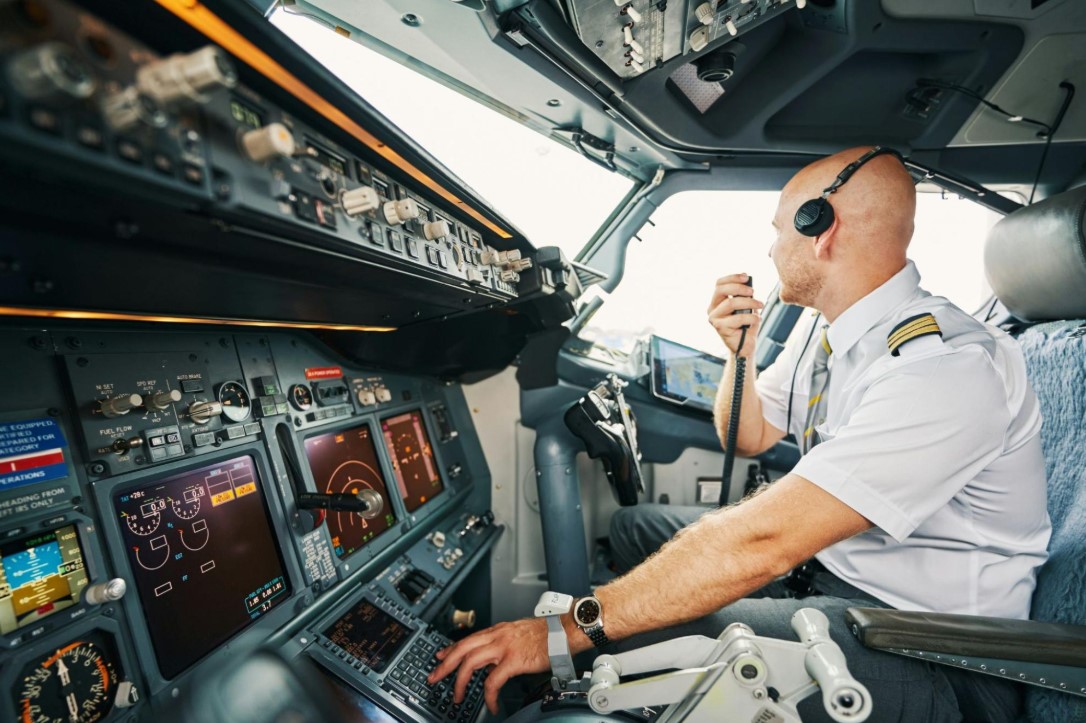
As technology reshapes aviation, altering single pilot resource management training to embrace innovations is pivotal. State-of-the-art instruction now leverages simulators, virtual reality, and real-time analytics to provide engaging, applicable experiences. Simulators can replicate intricate scenarios so pilots practice SRM without live risks.
Additionally, integrating operational data in education yields valuable insight into performance, enabling customized interventions. Analyzing flight records and decision patterns identifies areas for improvement, allowing trainers to tailor sessions specifically.
Mobile apps also allow pilots to engage with SRM material conveniently, reinforcing classroom lessons in real-world settings.
Core SRM Skills Every Pilot Must Master
To apply SRM effectively, pilots need a combination of cognitive and practical skills. These are not theoretical concepts, they are actions that directly impact flight safety.
Before listing them, it is important to understand that these skills work together. Weakness in one area often affects the others.
The most critical SRM skills include:
- Situational awareness, which involves continuously monitoring altitude, weather, traffic, and aircraft status
- Risk assessment, where pilots evaluate conditions before and during flight
- Workload management, ensuring that tasks are prioritized and handled without overload
- Decision-making, especially in time-sensitive or unexpected situations
- Communication, both with external systems and internal self-briefing
For example, during unexpected weather changes, a pilot must quickly assess conditions, communicate with air traffic control, and decide whether to reroute or continue. Each of these actions reflects SRM in practice.
Measuring the Effectiveness of SRM Training
Traditional pass or fail testing does not fully reflect a pilot’s ability to manage real-world situations.
Modern evaluation focuses on continuous performance tracking. Instructors assess:
- Decision quality during simulated emergencies
- Ability to maintain awareness under stress
- Communication clarity and timing
- Adaptability in changing conditions
Regular debriefings also play a key role. Pilots review their decisions, identify mistakes, and refine their approach for future scenarios.
Frequently Asked Questions
Final Perspective
Single Pilot Resource Management training is no longer an optional skill set. It is a core requirement for modern aviation.
Pilots who master SRM are better prepared to handle complexity, manage unexpected situations, and maintain consistent safety standards. As technology continues to change the cockpit environment, structured training and disciplined thinking will remain the foundation of safe single-pilot operations.