

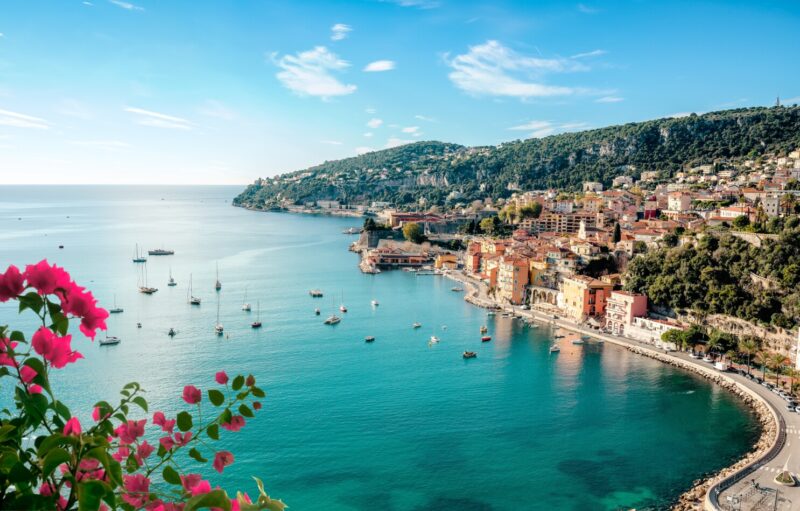
The French Riviera stretches like a sunlit ribbon from Saint-Tropez to Menton, connecting glamorous resorts, quiet coves, and inland villages that all seem a short drive apart, until you’re sitting in traffic. Getting around here isn’t difficult, but it does require timing and a bit of local sense.
Visitors who rely only on taxis or rental cars often spend more time searching for parking than enjoying the view. Locals, on the other hand, combine trains, ferries, and short walks in a rhythm that feels effortless.
This guide helps you move through the Riviera with that same logic: smart connections, easy switches between sea and land, and a few small habits that save both time and money. Whether you’re here for a weekend or a full summer stay, understanding how to travel like a local will make every stop, from Cannes to Nice to Monaco, run more smoothly.
Coastal trains and regional TER lines
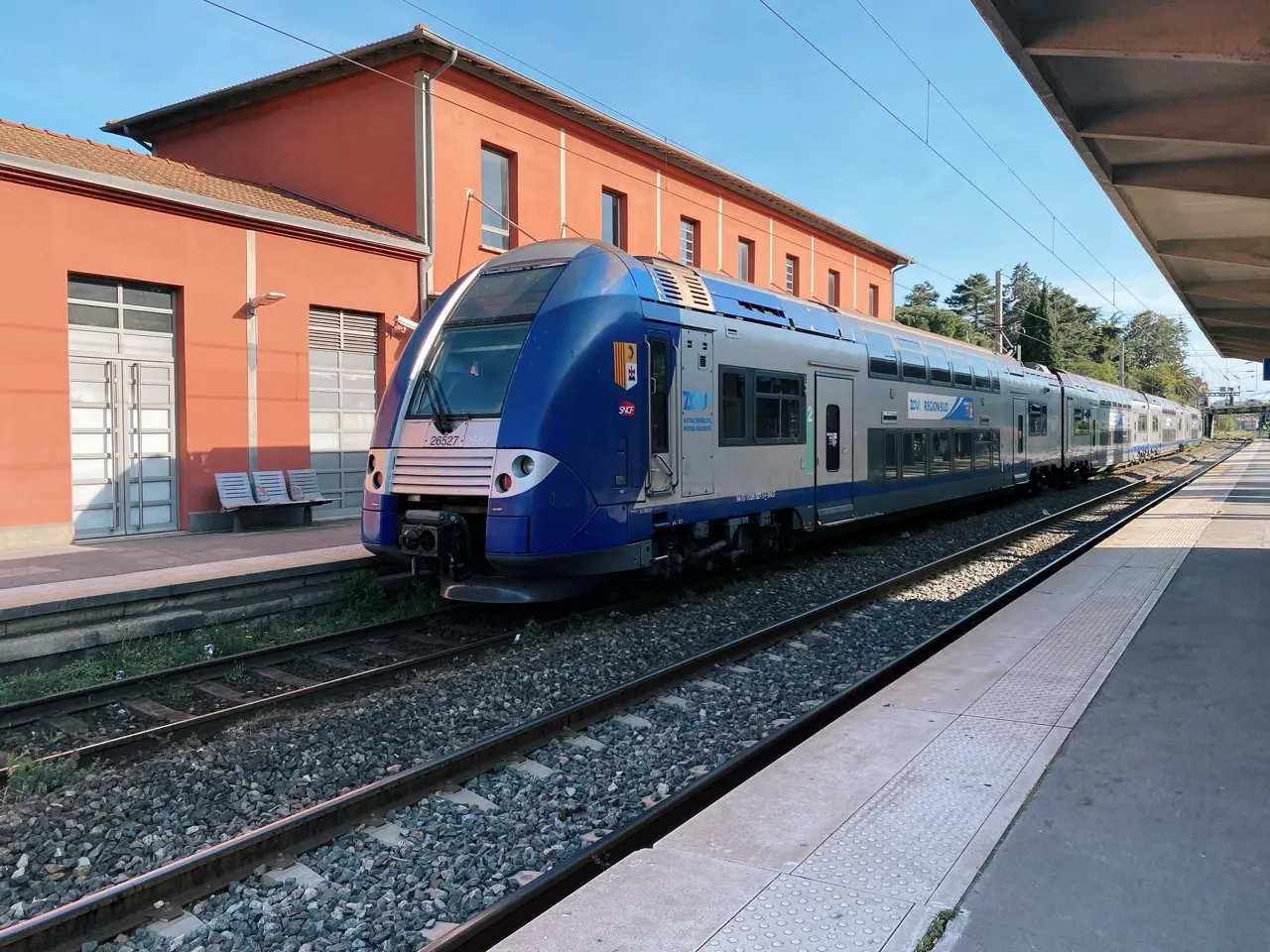
The regional trains (TER Provence-Alpes-Côte d’Azur) are the backbone of getting around between cities on the Riviera, Antibes to Nice to Monaco to Cannes. These trains run frequently, are affordable, and often faster than coastal driving in summer traffic.
- Typical frequency: in peak times, trains run every 20–30 minutes between key stations (e.g. Nice ⇄ Cannes).
- Tickets: buy on SNCF or TER apps; validate before boarding.
- Watch connections: some coastal branches may have gaps of 45–60 minutes – plan ahead.
- Advantages: stress-free views, no parking trouble, and you avoid congested coastal roads.
If you’re staying overnight in different towns, using trains between hubs and combining with local buses or ferries gives you the flexibility locals use. For example, from Nice to Villefranche-sur-Mer you’d hop on a short TER ride rather than fighting narrow hill roads or parking.
In one summer I took the train from Antibes to Villefranche, then hopped a small ferry along the coast – well worth it for ease and views.
Did you know? Some TER trains run right along the water at low tide in spots – giving views of the rocks and sea that road traffic can’t see.
Ferries, sea shuttles, and coastal hops
Along some stretches of the Riviera, especially between Cannes, Antibes, Villefranche, and Monaco, ferries or fast boats operate seasonally. These are appealing not just for the views, but as a way to bypass traffic on the Corniche roads.
Many travelers who want to blend comfort with flexibility also choose private boat transfers or short charters for day trips. Companies such as Navélia yacht charters organize custom routes along the Côte d’Azur, offering a relaxed and direct way to reach islands, secluded beaches, or nearby marinas without the hassle of traffic or parking.
When to take a boat:
- When road traffic is expected to be heavy (late morning or afternoon in summer).
- For point-to-point access to coves or islands (e.g. Îles de Lérins near Cannes).
- As part of scenic loops (Nice ⇄ Villefranche or Nice ⇄ Beaulieu-sur-Mer).
Drawbacks to note:
- Seasonal schedules (often May to September).
- Weather cancellations (watch for wind or sea conditions).
- Sometimes longer total travel time if docking stops are frequent.
Example schedule table:
|
Route |
Approx Time |
Frequency (Seasonal) |
| Cannes → Îles de Lérins | ~20 min | Every 30–60 min |
| Nice → Villefranche | ~15 min | 4–10 boats/day |
| Antibes → Cannes | ~30 min | Several per day |
If you combine the train for backbone legs and boats for scenic hops, you’ll travel efficiently while enjoying water views locals appreciate.
Buses, trams, and local lines ─ inside cities and between villages
Once you’re in a city or town, local buses and trams are your day-to-day tools. In Nice, for example, the tram lines T1 and T2 get you along major north-south axes and even to the airport.
Key tips for using city transit:
- Get a transport pass: daily or multi-day passes often cover buses + trams and are cheaper than single tickets.
- Download apps: local transit apps show live schedules, delays, and route maps.
- Mind the final stops and timing: some rural buses only run a few times per day, especially off-season.
If you stay in Nice and want to visit nearby hilltop villages like Eze or Saint-Jeannet, local buses (or shared shuttles) are often better than hiring a car. The roads up are narrow and parking is minimal.
Car hire, scooters and electric bikes ─ for flexibility with constraints
Renting a car can feel like freedom, but on the Riviera it often becomes more hassle than help – narrow side roads, expensive parking, traffic jams, and pedestrian zones.
Use cases when a car makes sense:
- You’re heading inland to rural Provence, perched hill villages, or dramatic gorges.
- You’re traveling with heavy luggage or mobility constraints that make public transit hard.
If you do rent, prefer a compact or electric vehicle, and book parking in advance (many towns sell “stationnement touristique” access).
Alternatively, scooters or electric bikes are excellent in flatter towns like Antibes or Juan-les-Pins. You can zip through narrow streets, avoid parking hunts, and manage short distances efficiently. Just be confident navigating traffic and watch for pedestrians.

Rideshares, taxis and RTAs ─ when direct is best
Sometimes direct transport wins – especially for early-morning starts, late arrivals, families, or when you’re tight on time.
- Ride-hailing/taxi: Available in cities like Nice, Cannes, and Monaco. Negotiate or confirm route and fare ahead when possible.
- Private transfers: Many accommodation providers or local companies will arrange airport-to-town or town-to-town transfers.
- Regional transport alternatives (RTAs): Some areas have shared shuttles or minibus services connecting villages – check locally.
These options cost more, but can save search time, especially if you have luggage, prefer door-to-door service, or traveling between towns not well served by public transit.
Final thoughts ─ choose what fits your pace
The French Riviera isn’t just about glamour; there’s a logic to how locals move, and matching that logic makes your trip smoother. Use trains for backbone travel, ferries for scenic hops, local transit for everyday, and reserve vehicles or rideshares when no other option fits.
Move deliberately – not hurried but not idle. Let each travel leg become part of the experience, not just the gap between points. With good planning, you’ll get around the Riviera like someone who’s been there before – and enjoy it more.