

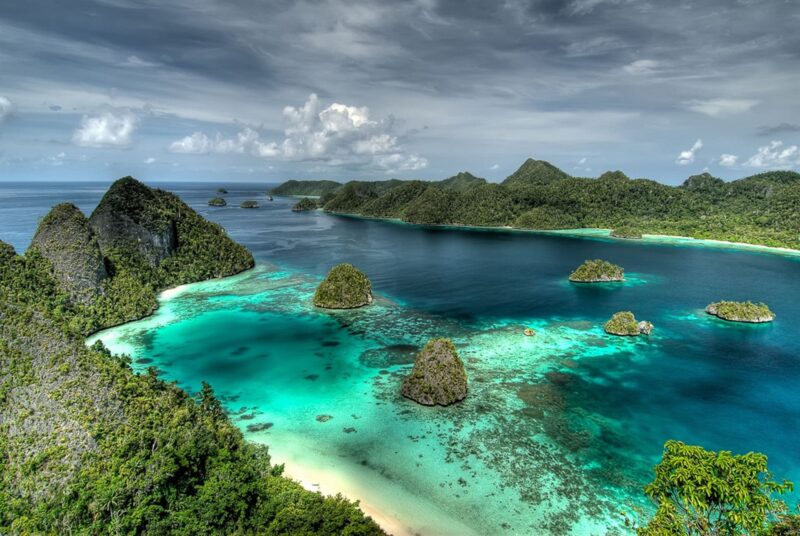
Have you ever dreamed of being somewhere so remote that even your phone stops chirping?
That’s the magic of Raja Ampat, an archipelago off the western tip of West Papua where turquoise seas hug jungle-covered islets and underwater worlds burst with color.
This is more than a pretty postcard; it’s a place that demands a little effort to reach and rewards you with something real, animal life you’ve only seen in nature documentaries, silence that hums, and skies so wide you feel you’re breathing bigger than usual.
If you’re reading this, you’re likely wondering: Is Raja Ampat really worth it? How do you get there? What’s the vibe? Good. Let’s dive in.
We’ll cover how to arrive, where to explore above and below water, how to travel responsibly, and the moments you won’t find on Instagram.
And yes, if you’re thinking of doing something special, I’ll show where the savings and splurges lie too.
Getting In and Getting Around
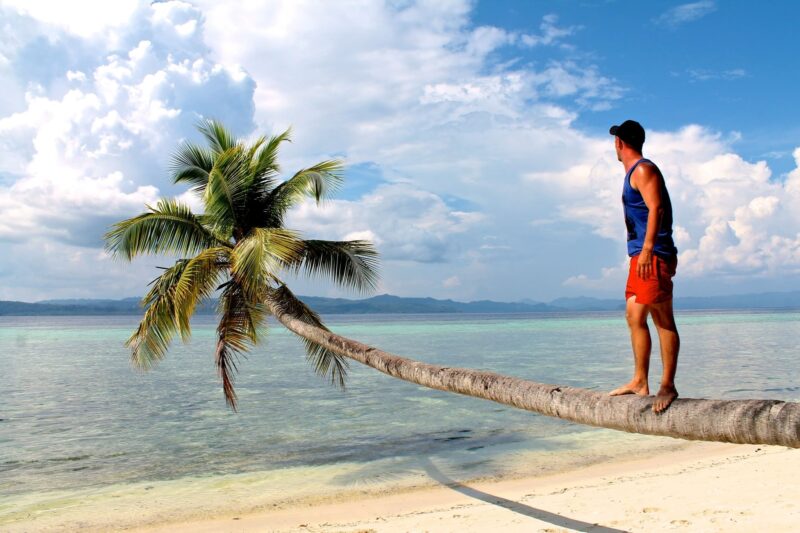
Arriving in Raja Ampat is half the adventure, and the logistic patchwork is part of the promise. Start in the town of Sorong (a gateway on West Papua), fly into the regional hub, take a ferry (or speedboat) to the islands, and suddenly you’re somewhere else.
If you’ve got the budget and the itch for luxury, consider the option of a dedicated charter: think white-sunlight-glinting decks, remote bays, and wake-up calls from seabirds.
A premium choice would be a yacht charter Raja Ampat – tailor-made for freedom, privacy, and island-hopping at your own pace.
Quick table: Transport snapshot
| Leg | Typical Time | Notes |
| Sorong to Waisai ferry | 2–3 hours | Basic, may be crowded or delayed. |
| Sorong to Waisai flight | ~30 minutes | Small aircraft, limited baggage. |
| Island-to-island transfers | Varies | Often arranged by your accommodation; no set schedule. |
Pro tip: Book your first leg (Sorong arrival → main island) in advance, but leave the inner island hop-offs a bit flexible.
Check the tides as things change (sea conditions, local shenanigans) and part of the joy is the unknown.
What to See Beneath the Surface
Here’s where Raja Ampat doesn’t just whisper “amazing” – it shouts it from the coral reefs, the underwater cliffs, the schools of fish shimmering like falling confetti.
The archipelago lies at the heart of the Coral Triangle and hosts something like 75 % of the world’s known coral species and thousands of reef fish.
- Snorkeling sites: Spots like Aljui Channel give you shallow water, clarity, and ease. No need to be a die-hard diver.
- Diving: Whether you’re beginner or advanced, the variety is off-the-charts.
- Wildlife moments: Manta rays, pygmy seahorses, and reef life that seems to perform just for you.
Did you know? Some reef fish species in Raja Ampat are only found here. The diversity is often compared with rain-forests on land – just under the sea.
Note: The “underwater wow” factor is undeniable, but please travel responsibly. Anchoring on reefs, leaving trash, noisy boat arrivals… all of that chips away at the magic.
Locals ask you to follow strict rules; it makes the experience better for everyone (present and future).
Land-and-Sea Variety: What You Shouldn’t Miss
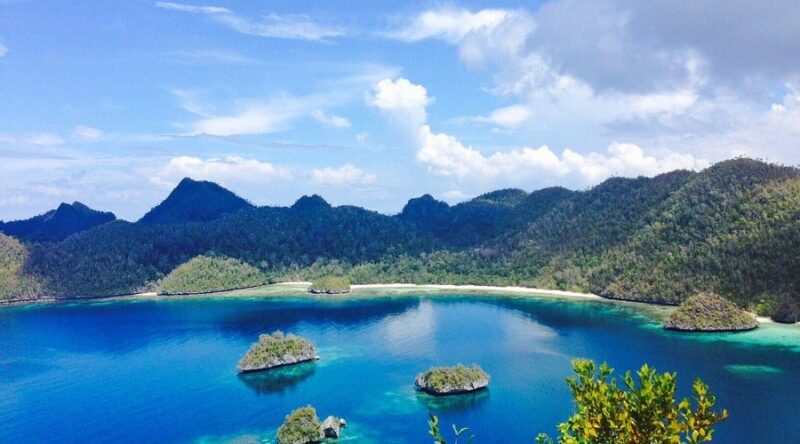
Even if you spent half your time snorkelling, the terrestrial part of the story is rich too. Jungle trails, hidden bays, village visits, and the kind of silence that drapes everything like velvet.
A few highlights:
- The iconic ridge hike on Wayag Islands: climb the limestone, the view from the top renders you momentarily speechless.
- Village homestays: Simple stays run by families. You’ll sleep in thatch-and-wood rooms, wake to roosters, chat with fishermen.
- Mangrove kayaking or stand-up paddle: silent, pre-dawn, reflective.
- Wildlife spotting on land: Birds-of-Paradise (yes, the ones you imagined).
If I had to pick one theme: contrast. One moment you’re immersed in coral, the next you’re sipping coffee (or instant Nescafé) at a village jetty, bare feet skimming seawater, watching a child feed fish.
When to Go and What to Pack
Choosing your window means balancing weather, crowds, and conditions. The prime time is roughly October to April, with January–April often cited for best diving visibility.
The wetter months (July-August) bring wind and rougher seas; that’s fine if you’re hardy and flexible.
Packing essentials for Raja Ampat:
- Reef safe sunscreen (no coral-killing SPF formulas).
- Lightweight long sleeves / rash guard for sun and critters.
- Dry bags/zip-locks: transport is wet and your electronics will expect it.
- Basic medical and seasickness kit: remote locations mean limited pharmacies.
- Cash in Indonesian Rupiah: ATMs are scarce away from big islands.
And hardware aside: pack your curiosity and patience. Expect rustic charm, occasional solar-powered lights, unpredictable schedules. You’re trading flawless resort polish for raw beauty and unforgettable moments.
Costs, Accommodation and Responsible Travel

Let’s talk money. It’s not the cheapest place in Indonesia (the transport alone can drum up costs), but you can tailor your spend. Here are rough tiers:
- Budget homestays: arguably accessible, basic. Fixtures may creak, WiFi may shimmer in and out.
- Mid-range eco-resorts or guesthouses: better amenities, more comfort.
- Liveaboard or yacht-style options: premium. If you go for something like the yacht-charter option above, expect the cost to reflect that luxury.
Accommodation aside, plan for required fees: Visitor permits, marine park entry, boat transfers. These are not mere add-ons—they facilitate infrastructure and conservation.
Sustainable tip:
Choose options that are locally owned, pay fair wages, and honour community rights. Be mindful of waste, especially since remote islands struggle with disposal. Conserving the place means preserving your story for future visits.
Conclusion
So you’ve got the map, you’ve got the vision: turquoise seas, coral forests, remote quiet, raw edges. Raja Ampat isn’t for every kind of traveler, if you crave 24-hour luxury, big-city speed, or familiar chain-hotels, you’ll feel the contrast here. But if you want the kind of journey that shifts something inside you, that rewires what “remote” and “wild” mean, then I’d say: go.
You’ll come away with arms a little sun-kissed, a mind full of moonlit paddling on still water, lungs full of salt and forest air, and a story that doesn’t look like much on your camera roll, but feels like something.
Visit Raja Ampat not just to tick a paradise box, but to remember how big the world still is, and how good it is to find a corner of it where you feel, finally, small in the best way.
Pack light, book smart, love deeply. See you beneath the blue horizons.