


Marketing teams in B2B sectors have spent years fine-tuning paid campaigns, optimizing keywords, and adjusting bidding strategies to squeeze a few more conversions from their ad budgets.
But many have started noticing a pattern.
Ads bring clicks, not necessarily commitment. The people who fill out a contact form after seeing an ad aren’t always ready to buy, or even truly interested.
In contrast, webinars tend to attract a different kind of audience: professionals who want to learn, engage, and evaluate in real time. That’s why so many high-performing B2B teams now rely on webinars as a central part of their lead generation engine.
Why Webinars Work in the B2B World

A webinar isn’t just a digital presentation. It’s an event where the potential customer actively participates, not just observes. That single difference changes everything. Instead of fighting for a fleeting click, you get an hour of focused attention from decision-makers who’ve already opted in.
For companies selling solutions with longer sales cycles – software platforms, analytics tools, logistics systems, or consultancy services – the opportunity to explain value in depth is essential.
Webinars allow that to happen naturally. When done right, they blend education with subtle selling, building trust instead of forcing a pitch.
Many companies now host their sessions through tools like a Virtual Conference Platform to create a professional, interactive environment that mirrors real-world engagement.
The Commitment Factor
Signing up for a webinar requires intent. No one randomly clicks into a 45-minute live session without interest in the subject.
That act of registration filters out casual browsers and keeps only those with real professional curiosity.
Even if only half attend live, the ones who do are far more qualified than those who stumble upon an ad.
And since most webinars require an email address, job title, or company name for registration, they provide higher-quality lead data from the start.
Marketing automation platforms can immediately categorize those leads by role, company size, and industry, enabling better follow-up campaigns.
A Platform for Trust
Webinars build authority. They position the brand as a teacher, not a vendor. Whether the topic covers industry benchmarks, new regulatory changes, or case studies, the company is seen as a source of expertise. That perception matters, especially in B2B markets where relationships often outlast products.
A LinkedIn ad might get a few clicks. A webinar that helps people solve real problems creates long-term advocates.
Comparing Webinars and Ads for Lead Generation

Below is a simple overview showing how webinars and traditional ad campaigns differ in effectiveness at various stages of the funnel.
| Stage of Funnel | Webinars | Paid Ads |
| Awareness | Moderate reach but higher-quality impressions; attendees are self-selected and engaged | High reach but low attention span; passive exposure |
| Interest | Deep engagement; live interaction fosters trust | Limited interaction; often dependent on creative quality |
| Decision | Opportunity for product demos and Q&A | Requires retargeting or additional nurturing |
| Data Quality | High-quality data; verified professionals | Lower quality; many casual or irrelevant clicks |
| Conversion Cost | Higher upfront cost, but lower per-qualified-lead | Lower upfront cost, but higher per-qualified-lead |
The pattern is consistent across industries: ads are great at scale, but webinars win on precision and engagement.
Turning a Webinar into a Lead Magnet
Running a webinar is not about gathering an audience for a sales pitch. The real goal is to offer insight that’s valuable enough to earn attention – and then convert that attention into a relationship.
Choosing Topics That Attract the Right Audience
Topic selection decides the fate of any webinar. It has to strike a balance between industry relevance and business alignment.
For instance, a cybersecurity company might host a session on “How Mid-Sized Businesses Can Meet New Compliance Standards,” instead of directly pitching its software. It positions the brand inside the problem space where decision-makers are already thinking.
Good webinar topics often:
- Address timely industry concerns.
- Offer tangible takeaways (templates, checklists, frameworks).
- Feature real examples or case results.
- Include expert guests to boost credibility.
A strong topic title can also make or break the registration rate. Titles that specify outcomes – like “Reducing B2B Onboarding Time by 40% Through Process Automation” – draw professionals who have that exact pain point.
Building Engagement Before the Event

Lead generation begins long before the webinar goes live. Promotional timing and message consistency matter.
Send teaser content – short clips, speaker highlights, or data points from the upcoming topic – to email lists and LinkedIn communities. These help build anticipation and allow your sales team to start qualifying interest early.
Segmented email campaigns work especially well. For example:
- CEOs and founders might receive messages focusing on strategic insights.
- Managers might see operational benefits or use-case previews.
- Technical specialists could get more detailed outlines or tool demonstrations.
Maximizing Interaction During the Session
A webinar succeeds when participants stay involved. That requires an intentional mix of format and facilitation. Static slide decks are dead weight. Polls, Q&A breaks, and case walkthroughs keep people connected.
Asking the audience about their biggest challenges in real time not only keeps them awake but also gives sales teams direct data for follow-ups.
Simple ways to increase engagement:
- Use short polls every 10 minutes.
- Invite questions mid-way instead of saving all for the end.
- Encourage chat comments to gauge sentiment and curiosity.
- Share quick wins or frameworks attendees can screenshot.
Capturing Leads Effectively
Every registration form is a gateway to valuable data, but it should never feel like a chore. Collect only what’s essential. Overloading forms with unnecessary questions reduces sign-ups. Name, email, company, and role are usually enough. Later nurturing workflows can gather more information.
Integrate your registration platform with your CRM or marketing automation tool. When attendees register, their details should instantly sync to the lead database, triggering:
- Automated thank-you emails.
- Reminder sequences before the event.
- Post-event surveys and resource delivery.
Once the webinar ends, the recording becomes a secondary asset. On-demand viewing often brings in more leads than the live event itself.
Promote replays through email campaigns, newsletters, and LinkedIn posts, tagging the webinar as “on-demand training” or “free professional session.” That language keeps it educational, not promotional.
How to Align Webinars with the Sales Funnel
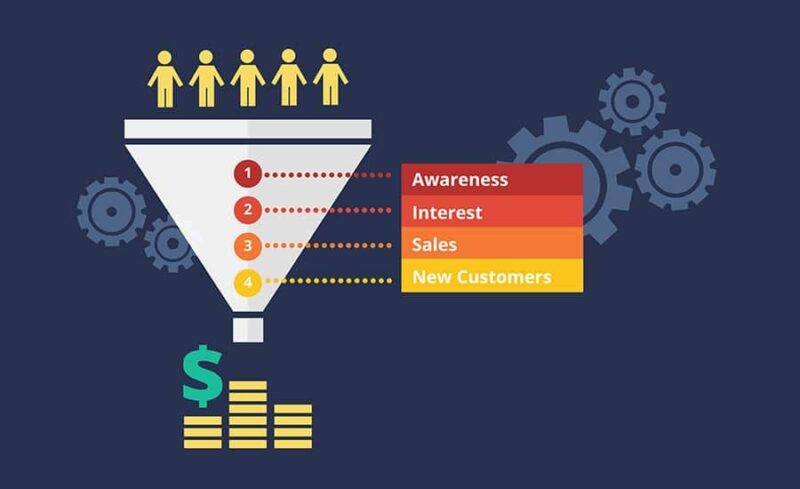
Webinars can fit every stage of the funnel if strategically planned.
Top of Funnel: Awareness Webinars
These aim to attract a broad professional audience around an industry topic. The goal is not to sell but to educate. Metrics to track include registrations, attendance rate, and new contacts.
Example: “Emerging Trends in Data Compliance for 2025.”
Target audience: Analysts, compliance officers, and IT managers.
Outcome: New names added to CRM, high engagement metrics, and topic-specific insights for future campaigns.
Middle of Funnel: Solution Webinars
At this stage, leads already know the problem. The webinar should focus on how your company’s approach or methodology can help. You can include success stories, client case studies, or light product demos.
Example: “How Leading SaaS Teams Reduce Customer Churn Using Predictive Analytics.”
Outcome: Leads who attend this type of webinar often move directly into product trials or consultation requests.
Bottom of Funnel: Product Webinars
Now the audience expects specifics. They want to see how your solution works in practice. This format suits smaller groups where questions and objections can be addressed live.
Example: “30-Minute Walkthrough: Deploying Our Platform Across Multiple Teams.”
Outcome: Conversion to free trials, consultations, or direct purchase discussions.
Using Webinars to Build Long-Term Lead Ecosystems
One webinar rarely transforms a company’s pipeline overnight. But as part of a consistent series, webinars become compounding assets.
Each event attracts a slightly different segment of your target market. Each recording drives steady on-demand traffic. Each speaker guest broadens reach.
Successful B2B marketers treat webinars as ongoing programming rather than one-off events.
Reuse and Repurpose the Content
After the live session ends, the material can be reshaped for multiple channels:
- Blog articles summarizing key insights.
- Short video clips for LinkedIn posts.
- Quote graphics for social sharing.
- Email newsletters linking to the recording.
- Slide decks uploaded to platforms like SlideShare.
Repurposing stretches the life of a single event and keeps the content ecosystem active.
Create Segmented Follow-Up Sequences
Not every attendee should receive the same follow-up. Someone who stayed for 10 minutes has a different level of intent than someone who asked three questions and downloaded the follow-up guide. Tailor post-event messaging based on engagement signals.
Example segmentation:
- Active Participants: Send a personalized email with a demo offer.
- Partial Viewers: Provide a summary and replay link.
- No-Shows: Share a short highlight reel and invite them to future sessions.
Collaborate with Industry Partners
Co-hosted webinars expand reach dramatically. Partner with a complementary brand, association, or influencer within your industry.
Both parties share promotion duties and audience exposure. The result: higher attendance, stronger credibility, and double the leads.
For instance, a CRM company could collaborate with a marketing automation vendor to present “Bridging Sales and Marketing Through Unified Data.”
Both gain qualified leads in their overlapping markets.
Metrics That Prove Webinar ROI
One of the biggest strengths of webinars is measurability. Every action – from registration to question submissions – creates data that helps refine the process.
Key performance indicators include:
- Registration-to-Attendance Rate: Ideal benchmark is 40–50%.
- Average Watch Time: Anything above 35 minutes signals strong engagement.
- Conversion Rate to Next Step: Whether it’s a trial, consultation, or download.
- Post-Event Engagement: Email open rates, replay clicks, and social interactions.
Compare those numbers to ad metrics like click-through rates or cost per lead. Webinars often show a higher cost per attendee but a significantly lower cost per qualified lead.
Common Pitfalls to Avoid
Many B2B teams make similar mistakes when they first shift from ads to webinars.
Treating Webinars as Sales Pitches
Nothing loses attention faster than a 45-minute commercial. Keep the tone informative and evidence-based. Mention your product naturally, not forcefully.
Ignoring Design and Audio Quality
Even a brilliant presentation fails if the visuals are cluttered or the audio cuts out. Invest in professional lighting, microphones, and simple branded slides. A clear setup signals competence.
Forgetting the Follow-Up
The real conversion happens after the event. Failing to follow up quickly wastes momentum. Send personalized emails within 24 hours while interest is still high.
Overcomplicating the Platform
Use a reliable, simple webinar platform that doesn’t require complex installations. Every barrier lowers attendance rates.
Ads Still Have Their Place, But Webinars Build Relationships

Paid ads remain valuable for generating awareness, retargeting website visitors, and keeping your brand visible. But they rarely build genuine relationships. Webinars, on the other hand, give you an hour of someone’s professional attention – a rare commodity in digital marketing.
B2B decisions are based on trust, not impulse. The buyer needs to feel that your company knows their world, their pain points, and the possible solutions. A well-structured webinar demonstrates that expertise in real time.
Final Takeaway
Webinars outperform ads because they connect knowledge with engagement. They attract qualified professionals, foster direct interaction, and create measurable opportunities for follow-up.
In an era where ad fatigue and privacy limits are eroding traditional lead pipelines, webinars bring the human element back to digital marketing.
When executed consistently and strategically, webinars transform from one-time campaigns into a continuous engine of education and trust. They don’t just generate leads – they create informed, loyal customers who actually want to talk to your sales team.