


The first few hours after an arrest are often chaotic, emotional, and confusing. Whether someone is being booked for a misdemeanor or a serious felony, the system moves quickly.
What happens in those early moments often shapes the entire legal process that follows. Immediate legal assistance isn’t just helpful; it’s a safeguard against irreversible mistakes.
The Critical First Hour

Once someone is arrested, the first hour matters more than most people realize. Law enforcement officers begin questioning, collecting statements, and documenting every action. Anything said without legal counsel can later be used in court, even if it seems harmless at the time.
That’s where immediate legal assistance comes in. A qualified attorney knows how to stabilize the situation. They can:
- Stop questioning until proper representation is present.
- Request immediate access to the detained person.
- Review charges and potential evidence right away.
- Advise what to say and, more importantly, what not to say.
In many cases, the attorney’s intervention during that first hour prevents avoidable errors, such as signing inaccurate statements or consenting to searches without warrants.
If someone is detained in Osceola County, calling a trusted service like Bail Bonds Kissimmee can make all the difference in regaining freedom within that critical first hour.
Contacting an Attorney After Arrest

Once an individual is taken into custody, they have the constitutional right to contact an attorney. How quickly that happens often depends on the arresting agency and the local procedures. The process generally unfolds as follows:
- Booking: Personal information, fingerprints, and photographs are taken.
- Initial Detention: The person is placed in a holding cell.
- Notification Rights: Officers must inform the detainee of the right to remain silent and the right to an attorney (known as the Miranda warning).
- Request for Counsel: Once the request is made, questioning should stop until an attorney is available.
In real practice, not everyone knows how to exercise that right properly. Many people talk before a lawyer arrives, often trying to “clear things up.” That’s almost always a mistake. An attorney acts as a filter, ensuring communication happens legally and strategically.
When Public Defenders Step In
If a private lawyer isn’t available, the court will assign a public defender. Public defenders are licensed attorneys employed by the state to represent people who cannot afford private counsel.
They typically become involved during the first court appearance, also known as the arraignment. However, many public defenders also respond to immediate requests when someone explicitly asks for one after being booked.
While public defenders often handle heavy caseloads, their early involvement can still be vital. They can challenge improper detentions, request bail hearings, and make sure no rights are being ignored.
What an Attorney Does Immediately After Being Contacted

When an attorney is called after an arrest, their first goal is stabilization. They start by gathering facts, calming the client, and assessing immediate risks. Here’s a look at what happens behind the scenes in those first few hours.
| Task | Purpose | Typical Timeline |
|---|---|---|
| Contacting the arresting agency | Confirms charges and location of detention | Within 30–60 minutes |
| Visiting the client | Establishes communication and provides legal advice | As soon as access is granted |
| Reviewing evidence | Identifies any early violations of rights | Within first few hours |
| Coordinating with family or bail bondsman | Prepares for possible release | Same day, if possible |
The lawyer will also assess whether law enforcement has followed correct procedures. For example, if the police failed to read the Miranda rights before questioning, any statements made could be excluded from evidence later.
Why Silence Is Often the Best Strategy
Inexperienced detainees often believe they can talk their way out of an arrest. That rarely works. Police questioning is designed to elicit information that supports the case against the suspect. Even casual answers or emotional outbursts can be used in official reports.
Attorneys routinely advise clients to say only one sentence: “I want to speak to my lawyer.” Once that request is made, officers must stop questioning. If they continue, anything said afterward can often be challenged in court.
Remaining silent is not an admission of guilt – it’s a form of protection. The attorney can later communicate the client’s position properly, without self-incrimination.
Bail and Release Decisions
One of the most immediate concerns after an arrest is release. The attorney’s role here is both practical and strategic.
They assess whether bail can be requested, reduced, or waived entirely. Each state has its own guidelines, but in general, attorneys can argue for:
- Release on recognizance: The person is released based on a promise to appear in court.
- Reduced bail: Arguing that the set amount is excessive.
- Bail denial review: If bail is refused, the attorney can request a hearing to revisit the decision.
In some cases, the lawyer may coordinate with a bail bondsman to secure release more quickly. They also prepare family members for the financial and procedural details that come with posting bail.
Early Evidence Collection

Immediate legal assistance doesn’t stop at advice. Attorneys start building the defense within hours of the arrest.
Evidence deteriorates fast – memories fade, surveillance footage gets erased, and witnesses move on. The first 24 to 48 hours are critical for:
- Gathering witness statements.
- Reviewing police reports for inaccuracies.
- Collecting surveillance or dashcam footage.
- Requesting preservation of physical evidence.
An experienced attorney also keeps detailed notes on officer behavior during the arrest. Any irregularity – like an unlawful search or failure to state the reason for arrest – can later form the basis for a motion to suppress evidence.
The Role of Family and Friends
When someone is arrested, family members often feel powerless. In reality, they can make a major difference by acting quickly and communicating efficiently with the lawyer. Their immediate responsibilities include:
- Getting accurate information on where the person is being held.
- Providing the lawyer with identification, prior legal history, or medical conditions.
- Refraining from contacting law enforcement directly about the case.
- Avoiding public discussion, including social media posts.
Families often serve as the bridge between the lawyer and the detained person. They handle logistics – payments, paperwork, and transportation – so the attorney can focus entirely on legal defense.
Court Appearances and Early Hearings
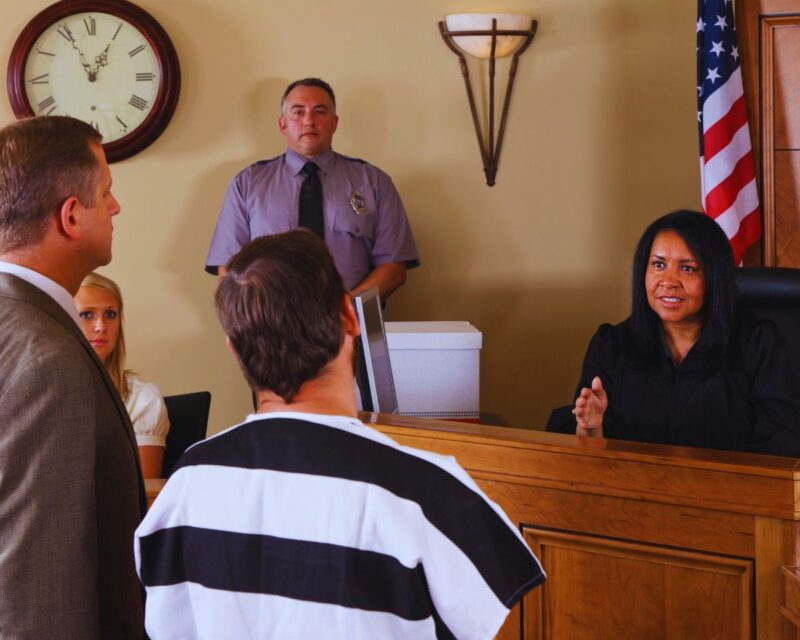
Within 48 to 72 hours of an arrest, the accused usually appears before a judge for arraignment. This is when the charges are formally presented and the plea (guilty, not guilty, or no contest) is entered.
An attorney’s presence during this stage is crucial. They can:
- Request reduced bail or argue for release.
- Ensure that improper charges are not filed.
- Begin formal motions to challenge police conduct.
- Set the tone for how the defense will proceed.
If the accused doesn’t yet have private counsel, a public defender will usually represent them at this initial hearing. From there, either the same lawyer or a retained one continues the case.
Handling Police Misconduct or Rights Violations
Immediate legal involvement also protects against rights violations. Lawyers are trained to identify when procedures go wrong – like arrests without probable cause, illegal searches, or coercive questioning. Early action can lead to evidence being thrown out or even charges dismissed entirely.
Some common rights violations include:
| Violation | Potential Legal Response |
|---|---|
| Arrest without probable cause | Motion to dismiss or suppress evidence |
| Search without a warrant or consent | Exclusion of seized items |
| Failure to provide Miranda warning | Statements deemed inadmissible |
| Denial of access to counsel | Case review for constitutional breach |
Attorneys who act quickly can file emergency motions to preserve their client’s rights, ensuring that any misconduct is documented before it’s too late to prove.
Communication Between Client and Counsel
Attorney-client communication is protected by law. Anything discussed is confidential, meaning it cannot be shared with law enforcement or prosecutors without consent. This protection is what allows people to speak freely and truthfully with their lawyers.
After the initial meeting, attorneys often schedule follow-ups to:
- Review new developments in the case.
- Discuss possible plea deals or diversion programs.
- Explain what to expect in court proceedings.
- Prepare witnesses and character references if needed.
Clients are usually advised not to discuss the case with anyone else, including friends or cellmates. Every word said outside that protected relationship can potentially be used against them later.
The Role of Bail Bondsmen and Legal Coordinators
For those who cannot afford bail, a bail bondsman often becomes part of the early legal process. They charge a percentage of the bail amount – typically 10% – to secure release.
Attorneys sometimes coordinate directly with trusted bondsmen to expedite the process, particularly when the client has no prior experience with the system.
Some law firms also employ legal coordinators, professionals who assist with communication between the attorney, the client, and the family. They track deadlines, manage paperwork, and make sure no procedural steps are missed during the early phase.
When to Expect First Results

Legal processes don’t resolve overnight, but immediate action can shorten delays and prevent escalation. Within the first few days, an attorney typically achieves one or more of the following:
- Obtains a copy of the police report.
- Files a motion to preserve evidence.
- Coordinates release from custody.
- Prepares for the arraignment.
- Opens communication with the prosecution.
While each case differs, those first steps establish momentum. A strong start often influences how lenient the court may be later, especially if the defendant shows cooperation and compliance.
Common Misconceptions About Early Legal Help
People often assume that calling a lawyer right away makes them look guilty. In reality, it’s a constitutional safeguard.
Even innocent people benefit from immediate representation because the legal system isn’t designed around instinct – it’s designed around procedure.
Other misconceptions include:
- “I can explain everything myself.”
Many people try to clarify their situation with police, only to inadvertently admit to minor violations that expand the case. - “I’ll wait until court to get a lawyer.”
By then, evidence may already be shaped against you. Early involvement allows the lawyer to control the flow of information. - “Public defenders don’t care.”
While they face heavy caseloads, most public defenders are experienced courtroom professionals who know how to challenge weak cases quickly.
How Immediate Legal Help Varies by Jurisdiction

Different regions handle post-arrest procedures in slightly different ways. Some urban centers have legal aid programs that send attorneys directly to detention centers.
Smaller counties may require defendants to wait for arraignment before meeting counsel. Regardless of location, however, the constitutional right to legal representation remains absolute once requested.
In federal cases, lawyers must also interact with agencies like the FBI or DEA. Those cases move differently, often involving federal magistrates and stricter deadlines. Immediate counsel becomes even more important there because the scope of charges can expand quickly.
Preventive Measures Before Trouble Starts
Many people don’t think about hiring a lawyer until they need one, but there are advantages to preparing ahead of time. Knowing who to call can cut hours off response time. Keeping the contact details of a reputable criminal defense attorney can make a measurable difference in emergencies.
It’s also useful to know what information to provide if you’re calling for someone else. At minimum, the lawyer will need:
- Full name of the detained person.
- Date, time, and location of arrest.
- Name of the arresting agency.
- Known charges, if available.
- Any health or safety concerns.
Providing clear, accurate details allows the attorney to locate the person quickly and begin advocacy immediately.
What Happens If No Lawyer Is Contacted
When someone doesn’t request legal help right away, they often lose critical opportunities.
Officers can continue questioning, evidence may be collected without challenge, and bail decisions may be made without defense input. Even if the person later hires a lawyer, reversing those early missteps becomes harder.
The court system assumes individuals know their rights, so silence or delay can appear as consent. That’s why most defense attorneys emphasize: call as soon as possible, even if charges seem minor.
The Psychological Side of Immediate Legal Support

Beyond the procedural benefits, early legal assistance provides something else – stability. Being arrested is emotionally taxing. People experience fear, shame, and confusion all at once. Having a professional step in to explain what’s happening restores a sense of control.
Attorneys often take on a supportive role during those first hours. They outline what’s next, what options exist, and what realistic outcomes look like. That clarity reduces panic, which in turn helps clients make better decisions during questioning and court appearances.
The Path Forward After Early Intervention
Once the immediate crisis is handled, bail set, rights preserved, evidence collected, the legal process shifts into preparation. Early assistance transitions into full defense strategy. From there, the lawyer may negotiate plea agreements, prepare for trial, or pursue dismissal based on procedural violations.
Even if the case later resolves through settlement or plea, those first actions often define the outcome. Judges and prosecutors note how quickly counsel got involved and how well the defense presented itself from the start.
Final Thoughts
Immediate legal assistance after an arrest is about more than representation – it’s about control, timing, and protection. The earlier a lawyer steps in, the more leverage they have to influence outcomes.
They ensure that rights are respected, evidence is preserved, and mistakes are prevented before they happen.
Every arrest is disruptive, but quick access to competent legal help can stop it from turning into a lifelong problem. Those first hours matter most, and knowing how to act within them is the single best safeguard anyone can have.