

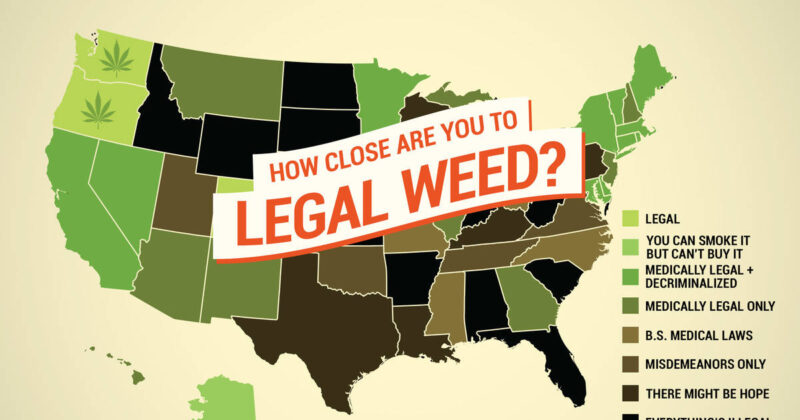
When readers search for “cannabis laws by state,” their aim is often to find a clear, up-to-date guide: which states allow recreational use, which permit medical cannabis, and which still ban it altogether. They may also be looking for possession limits, home cultivation rules, or recent legislative changes.
In responding, this article walks you through the current legal landscape, covering recreational, medical, decriminalized, and prohibited regimes. This will help you understand where cannabis is legal, under what constraints, and what to watch for next.
The Federal Backdrop and Why States Differ
Under federal law, cannabis is still classified as a Schedule I controlled substance, making its possession, sale, or production illegal nationwide, regardless of what state laws permit.. Yet, many states have chosen their own direction. As of mid-2025, 24 states plus Washington, D.C. have legalized recreational use, and nearly 40 allow medical cannabis in some form. A few continue to restrict or ban it entirely.
Illinois is among the states that have fully legalized both medical and recreational cannabis. Adults 21+ may possess up to 30 grams of flower, 5 grams of concentrate, or 500 milligrams of THC in edibles. Licensed businesses operate under state regulation, though local zoning rules may vary.
Visiting a Chicago, il dispensary gives a real sense of how legalization translates into everyday life. Staff there help both recreational consumers and medical patients understand state limits, product categories, and safe-use guidelines.
Below you’ll find a breakdown of the major categories of cannabis law and a state-by-state snapshot of where things stand.
Three Key Legal Tiers ─ Recreational, Medical, and Illegal/Restricted
To make sense of the map, we can segment states into three broad categories. Each has its own restrictions, allowances, and caveats.
1. States with Legal Adult-Use (Recreational) Cannabis
In these states, adults (usually 21+) may legally purchase, possess, and sometimes cultivate cannabis under regulated systems. These states often impose limits on amounts, regulate licensed dispensaries, and levy excise taxes. As of 2025:
- Recreational cannabis is legal in 24 states + D.C.
- Typical possession limits: 1 to 2.5 ounces of flower, plus limits on concentrates or edibles
- Home cultivation allowed in many states, though limits vary
- Some states allow social consumption or licensed “cannabis lounges” (e.g. California’s 2025 law enabling café-style cannabis venues)
These states often attract “cannabis tourism,” meaning individuals travel to consume or purchase cannabis legally, so it’s vital to check local ordinances.
2. States That Permit Medical Use (Only)
Many states fall into this middle category: cannabis is legal when prescribed (or recommended) by a medical provider, but recreational use remains illegal or heavily restricted.
- As of 2025, approximately 39 to 40 states have enacted laws allowing medical cannabis in some form.
- Medical programs vary widely: some allow only oils or low-THC products; others permit flower, edibles, and cultivation.
- In states with only medical rules, recreational possession may still carry criminal penalties or fines.
- Some states have limited “CBD-only” or low-THC laws that permit only non-intoxicating products.
3. States With Prohibition or Severe Restrictions
A small number of states still ban cannabis in nearly all forms:
- As of 2025, five states allow neither recreational nor medical cannabis use.
- In those states, even low-THC or CBD-only exceptions may not exist
- Possession or distribution can result in criminal charges, fines, or jail time
- Some states are moving toward reform or decriminalization, but change remains slow in those jurisdictions
State-by-State Highlights and Notables
Let’s look at a few illustrative states and trends to flesh out how the broad categories play out in practice.
Massachusetts, New York, Illinois (Recreational + Medical)
- Massachusetts ─ Adults may carry up to 1 ounce privately and 10 ounces in a residence. Dispensaries are licensed across the state.
- New York ─ Legalized in 2021; permits up to 3 ounces of cannabis, 24 grams of concentrate, and unlimited home storage within the residence (up to 5 pounds).
- Illinois ─ Recreational use legalized January 2020. Adults 21+ may carry up to 30 grams of cannabis flower, 500 mg of THC in edibles, or 5 g of concentrate.
These states also feature robust regulatory bodies overseeing licensing, social equity programs, and tax collection.
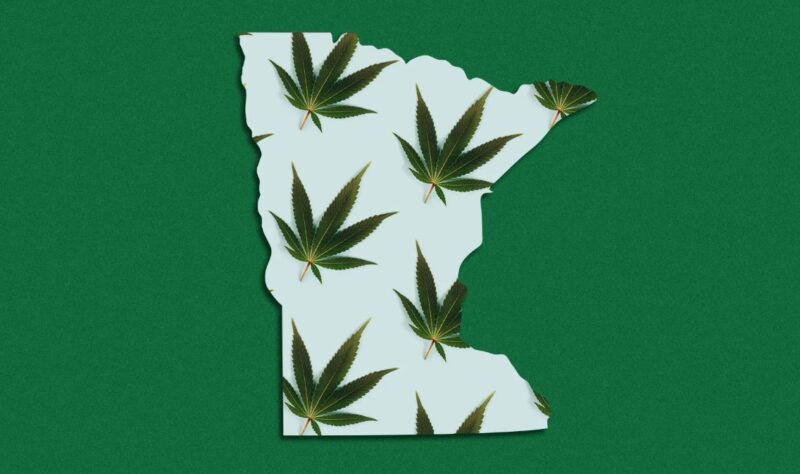
Minnesota (Recent Shift to Recreational)
Minnesota is one of the newer additions. In May 2023, the governor signed a bill to legalize adult-use cannabis. Under the new rules:
- Adults 21+ may possess up to 2 ounces of cannabis flower in public, 8 grams of concentrate, and 800 mg of edibles.
- Home cultivation is permitted (up to eight plants, with a limit on flowering plants).
- Sales to the general public (outside tribal jurisdictions) will begin on September 16, 2025.
This illustrates how legal frameworks are still evolving state by state.
Texas and Other Restrictive States
- Texas ─ Recreational cannabis remains illegal. Even small possession can be a misdemeanor. Medical use is allowed only in limited form (low-THC oil under 1%).
- Several other states maintain strict limitations or outright bans. In some, only CBD or minimal THC products are permitted.
- Some states recently expanded or revised medical programs, but full recreational legalization has obstacles.
Final Thoughts and What’s Next
The cannabis legal map in the U.S. has shifted dramatically over the past decade, and 2025 continues to be a dynamic year. Roughly half of U.S. states now permit adult-use cannabis, and most allow medical use in some form. Yet some states remain firmly opposed, and federal prohibition casts a long shadow.
If you live in, or plan to visit, any state, always check the latest state and local cannabis statutes before purchasing or consuming. For entrepreneurs or policy watchers, keep a close eye on states currently debating reform (such as New Hampshire, Virginia, or Pennsylvania) and on federal proposals like the Cannabis Administration and Opportunity Act.
In short, cannabis legality in the U.S. is far from uniform but understanding the tiers, state-by-state rules, and evolving legislation will help you navigate with confidence.