


Unclean commercial spaces pose health hazards to everyone visiting and working there, while also compromising the business’s potential, as they deter potential investors. Your commercial space’s high-traffic and congested areas require regular cleaning to maintain a healthy and inviting environment.
However, implementing effective cleaning routines with the right cleaning products and equipment is not always a straightforward process, especially for large commercial spaces. Below, we’ll explore a few effective tips on how to maintain a clean commercial property throughout various seasons, creating an inviting and healthy work environment.
Plan Your Cleaning Schedule
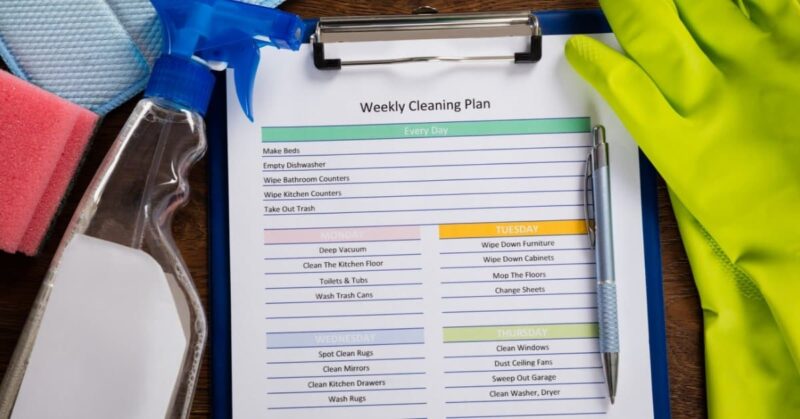
Effective commercial cleaning begins with proper planning and scheduling. Whether you want the cleaning to be done daily, weekly, or monthly, you have to plan for it early on for effective budgeting and time allocation. Additionally, effective cleaning schedules require reliable commercial cleaners to consistently handle the tasks. You can choose local solutions, such as Fort Worth commercial cleaning services, for reliable cleaning that easily aligns with your local climate.
With the help of your cleaning team, schedule cleaning jobs based on the type of space, rooms, or access areas you need cleaned and how often. These should include floor areas in the kitchen, entrances, washroom, and other common areas within your building. The cleaning frequency should be higher in areas that are more frequented than others. This customized schedule will help keep the entire space looking clean and inviting throughout the day, week, or month, depending on the frequency of cleaning for each space.
Consider Environmental Requirements
While commercial cleaning projects are all about improving the health and ambiance of a business space, most are done at the expense of the overall well-being of the environment. When planning your project, ensure you maintain sustainable practices to benefit the planet and also boost your brand’s image. Some of the environmentally conscious cleaning strategies you should consider are:
- Insist on waste reduction: Your preferred cleaning process should include recycling programs and minimize waste production
- Opt for green cleaning products: Select or use only cleaning agents that are free from harmful chemicals and biodegradable.
- Choose energy efficiency: Ensure you use energy-efficient cleaning equipment and schedule your cleaning tasks during off-peak hours, when there are minimal disruptions, to enable seamless cleaning and minimize energy consumption.
Monitor and Adjust Your Cleaning Strategies

As your business grows and structures change over time, so should your cleaning strategies change to align with the new work models and cleanliness demands. You may also use customer feedback and inspection reports to identify cleaning gaps that your strategy isn’t covering yet and make adjustments accordingly.
You can have quarterly or bi-annual cleaning inspections to assess overall cleanliness and address potential issues. When seeking customer feedback on various service aspects, also ask them about their impressions of the cleanliness of your space. Whatever adjustments you make, ensure they meet your customers’ expectations and align with the latest cleaning methods and technologies to streamline your cleaning processes.
Adapt Cleaning to Seasonal Challenges
Seasonal transitions significantly affect cleanliness demands in commercial spaces. Weather plays a huge role, especially in regions with heavy rain, snow, dust, or humidity changes. Floors become dirtier faster, entryways accumulate mud or debris, and HVAC systems work harder, circulating more dust and allergens.
During winter, salt, moisture, and dirt can quickly damage floors if not properly managed. In rainy seasons, mold and dampness risks increase in certain areas. Summer often means increased dust and pollen, which can affect indoor air quality. To handle this efficiently, businesses should introduce seasonal cleaning enhancements such as additional floor protection mats, more frequent deep-cleaning cycles, and regular air-filter checks.
By acknowledging seasonal effects rather than reacting when problems appear, property managers maintain better hygiene, protect infrastructure, and ensure a consistently pleasant experience for everyone using the space.
Maintain High-Traffic Areas with Extra Care
Not all areas in a commercial building face the same intensity of use. Entrances, receptions, hallways, restrooms, break rooms, and elevators often experience the highest traffic, meaning they also collect the most dirt, bacteria, and visual wear. These sections require a heightened level of attention and sometimes a different cleaning approach compared to more private or less frequented spaces.
A strategic way to manage this includes:
- Increasing the cleaning frequency in areas constantly accessed by staff and visitors
- Using durable, hygienic materials and floor coverings that withstand heavy traffic
- Installing hand-sanitizing stations and ensuring surfaces are disinfected throughout the day
- Training staff to report spills, damages, or hygiene concerns promptly
Focusing on these spaces preserves the building’s appearance and protects health and safety while reinforcing a sense of structure, care, and professionalism.
Invest in Professional Deep Cleaning
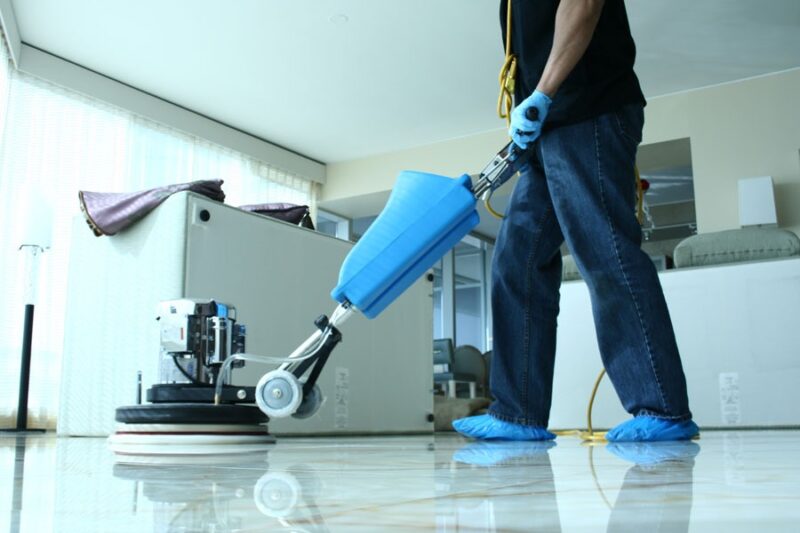
Even with daily maintenance, commercial buildings require periodic deep cleaning to address areas that routine tasks may not fully cover. Deep cleaning eliminates embedded dirt, disinfects hidden surfaces, refreshes flooring, and improves indoor air quality by targeting dust accumulation in less accessible places such as vents, ceilings, behind equipment, or under furniture.
Scheduling deep cleaning at least twice a year or seasonally for extremely busy environments, helps extend the lifespan of building materials and furnishings. It also supports healthier working conditions, especially in industries where hygiene plays an essential role, such as healthcare, hospitality, education, and food-related businesses.
Professional deep cleaning teams bring specialized equipment and expertise, ensuring thorough, safe, and efficient execution without disrupting normal business routines.
Conclusion
By implementing the right cleaning strategies, businesses can effectively manage all cleaning needs throughout the various seasons of the year.
These cleaning strategies will achieve the desired outcome if implemented with the right professional team that understands your business needs and can make adjustments accordingly.
Remember to choose the right team for the best outcome.