

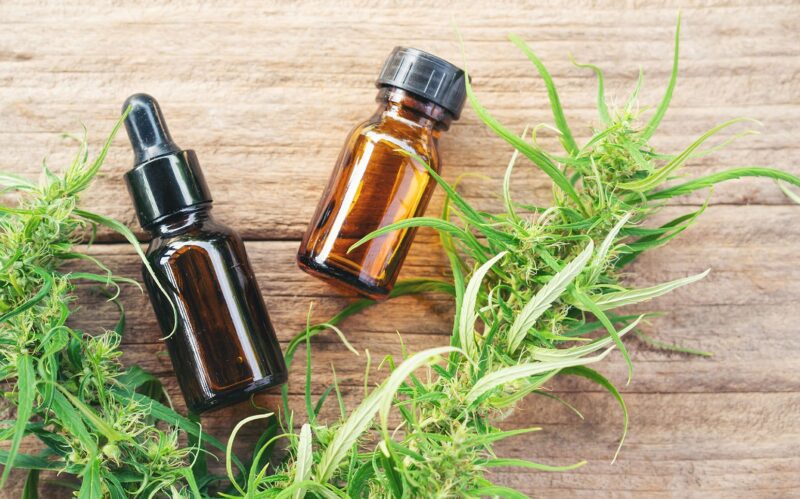
Did you know that liquid herbal extracts were one of the most common forms of medicine in Europe and North America before modern pills existed?
Long before capsules and tablets took over pharmacy shelves, tinctures were the go-to option for delivering concentrated plant compounds in a controlled way.
Today, tinctures are making a strong comeback, not as a trend, but as a practical option for people who want flexible dosing, faster onset, and easier absorption.
This guide is designed to walk you through tincture dosing, onset timing, and real-world use cases in a clear, grounded way that helps you make informed decisions rather than guesswork.
What a tincture actually is and why people choose it
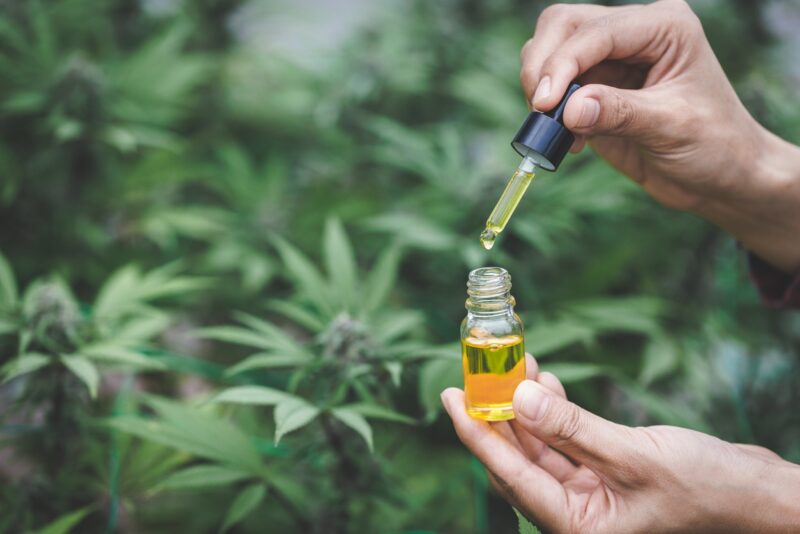
A tincture is a liquid extract made by soaking plant material in alcohol, glycerin, or another solvent to pull out active compounds.
What makes tinctures appealing is how directly they fit into daily routines without complicated preparation.
People often gravitate toward tinctures for a few practical reasons:
- They allow flexible, adjustable dosing without committing to a fixed capsule strength
- They can be taken sublingually, which may speed up absorption
- They are easy to store, transport, and measure precisely
Unlike edibles or capsules, tinctures do not rely entirely on digestion to begin working.
That difference alone shapes how and when people use them. While tinctures are not instant, many users appreciate the balance between faster onset and longer-lasting effects compared to inhalation methods.
When people start researching tinctures seriously, the question quickly shifts from “how do they work” to “where do I actually find reliable ones.”
That is where curated lists of Tag-best fl dispensaries become useful, because they point users toward locations that are consistently rated for product quality, labeling transparency, and staff knowledge.
Platforms like MUV group dispensaries that meet higher standards, which matters when tincture strength, formulation, and consistency can vary significantly.
Understanding tincture dosing without overcomplicating it
Dosing is where most confusion starts, and often where people make avoidable mistakes. Tincture dosing is not about chasing a single “correct” number. It is about finding a range that fits your body, your goals, and your sensitivity.
A few core principles guide responsible dosing:
- Start low, especially if you are new to tinctures
- Increase gradually over several days, not hours
- Pay attention to how you feel rather than rushing outcomes
Most tinctures list concentration per milliliter, which helps you calculate intake more precisely. Droppers are not standardized, so measuring by milliliters instead of “drops” reduces inconsistency.
Sublingual use often leads to stronger perceived effects than swallowing the same amount because absorption begins through oral tissues rather than digestion alone.
Keeping a simple log during the first week can help you recognize patterns and avoid overuse while dialing in a comfortable dose.
Onset time and what actually affects how fast tinctures work
One of the most common questions is how long tinctures take to kick in. The short answer is that it depends on how they are used and on individual biology.
When taken under the tongue and held for 30 to 60 seconds, many people notice effects within 15 to 45 minutes.
When swallowed immediately, onset may take closer to 45 to 90 minutes since digestion becomes the primary pathway.
Several factors influence onset speed:
- Whether the tincture is alcohol-based or glycerin-based
- Whether it is taken sublingually or swallowed
- Body weight, metabolism, and sensitivity
- Whether it is taken on an empty or full stomach
This variability is not a flaw. It is the reason tinctures appeal to people who want options rather than one fixed experience.
Why tinctures are often used in daily routines
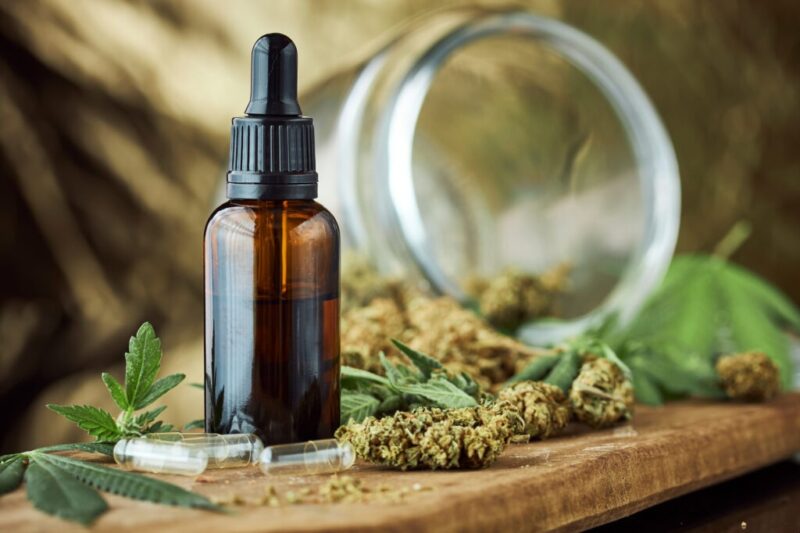
Tinctures tend to fit naturally into structured daily habits because they are discreet and predictable. Many people incorporate them into morning or evening routines where consistency matters more than immediacy.
Common routine-based use cases include:
- Evening wind-down habits focused on relaxation
- Midday balance without heavy sedation
- Gradual support for focus or calm
Unlike formats designed for rapid impact, tinctures support a more measured experience. This makes them appealing for people who want to stay functional while still feeling supported.
The ability to fine-tune timing and dosage also means tinctures can be adjusted as routines evolve, which is something rigid formats rarely offer.
Tinctures compared to other formats
Different consumption methods exist for a reason. Each serves a different purpose. A simple comparison helps clarify where tinctures stand.
| Format | Onset Speed | Duration | Dosing Control | Routine Friendly |
| Tinctures | Medium | Medium to long | High | High |
| Capsules | Slow | Long | Fixed | High |
| Edibles | Slow to medium | Long | Medium | Medium |
| Inhalation | Fast | Short | Low | Low |
Tinctures sit in the middle, offering balance rather than extremes. That balance explains why they remain popular among users who value steady effects without abrupt peaks.
Situations where tinctures may not be the best option
Despite their flexibility, tinctures are not ideal for every scenario. Understanding limitations is just as important as understanding benefits.
Tinctures may be less suitable when:
- Immediate effects are required
- Alcohol sensitivity is a concern
- Precise single-dose consistency is critical
Some people also dislike the taste, even when flavored. In those cases, capsules or other formats may provide a more comfortable experience.
Being honest about these trade-offs helps prevent frustration and reinforces realistic expectations. Tinctures are a tool, not a universal solution.
Safety considerations and responsible use
Responsible tincture use starts with awareness. Even though tinctures are familiar and widely used, they still contain active compounds that deserve respect.
Basic safety guidelines include:
- Avoid mixing tinctures with alcohol unless advised
- Store out of reach of children and pets
- Check for interactions if using other supplements or medications
Did you know?
Alcohol-based tinctures can preserve plant compounds for years when stored properly, which is why they historically served as both medicine and preservation method.
Reading labels carefully and sourcing from transparent producers goes a long way toward minimizing risk and maximizing benefit.
Final thoughts
Tinctures have remained relevant for centuries because they offer something modern users still value: control.
When you understand dosing, onset, and appropriate use cases, tinctures stop feeling mysterious and start feeling practical.
They reward patience, attention, and consistency rather than impulsive use.
That makes them especially well-suited for people who prefer gradual support over dramatic swings.
Like any wellness tool, the key lies in informed use, realistic expectations, and choosing quality sources.
With that foundation, tinctures can become a reliable part of a balanced routine rather than a guessing game.
Frequently Asked Questions
How should tinctures be stored to maintain potency over time?
Tinctures should be stored in a cool, dark place away from direct sunlight and heat. Light and temperature fluctuations can slowly degrade active compounds, especially in clear bottles. Keeping the dropper clean and tightly sealed also prevents oxidation and contamination, which helps preserve consistency across months of use.
Do tinctures lose effectiveness once opened?
Opening a tincture does not immediately reduce effectiveness, but exposure to air over long periods can cause gradual changes. Alcohol-based tinctures generally remain stable longer than glycerin-based ones, often retaining potency for one to three years when stored properly. Checking for changes in smell, color, or separation can help identify degradation.
Can tinctures be used while fasting or during intermittent fasting routines?
Many people use tinctures during fasting because the small liquid volume usually does not trigger a digestive response. However, alcohol-based tinctures may technically break a fast depending on how strict the fasting approach is. For fasting-focused routines, glycerin-based tinctures are often preferred.
Is it possible to build tolerance to tinctures over time?
Yes, tolerance can develop with consistent long-term use, especially at higher doses. Taking short breaks or rotating usage schedules can help maintain sensitivity. This approach is often used by people who rely on tinctures for ongoing support rather than occasional use.
How accurate are droppers for measuring tincture doses?
Droppers vary by manufacturer and are not always calibrated. For greater accuracy, users who need consistent dosing often measure tinctures using a marked oral syringe or milliliter cup. This is especially helpful when working with concentrated formulations or when adjusting doses gradually.