

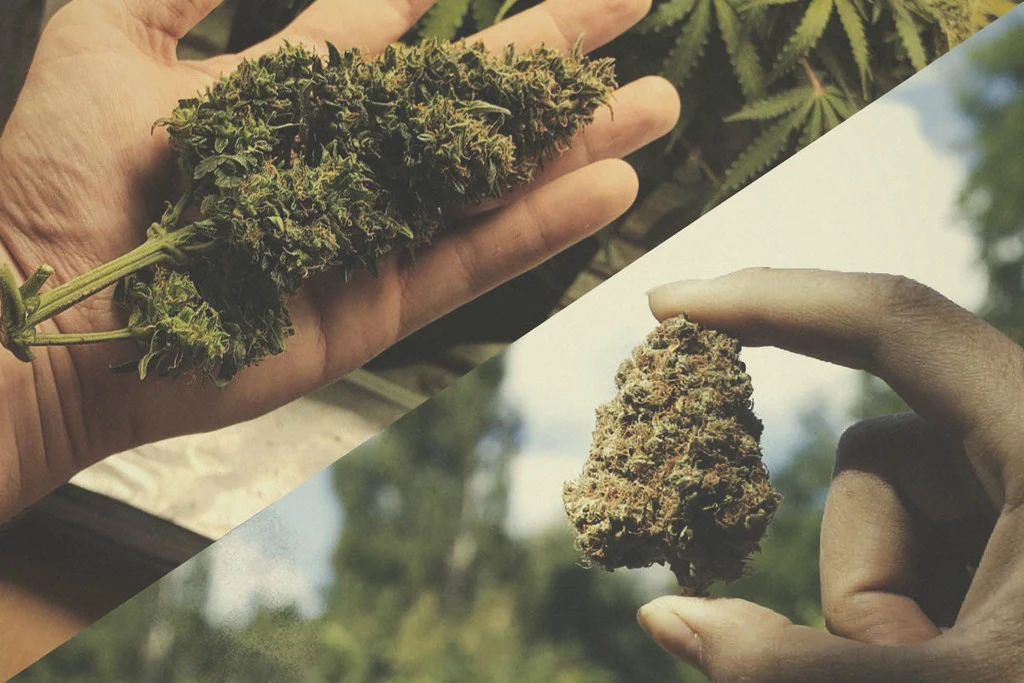
Did you know that the same cannabis strain can look, smell, and yield completely differently depending on where it is grown? Controlled trials and grower reports consistently show wide variation in bud density, terpene expression, and harvest weight when identical genetics are grown indoors versus outdoors. That difference often surprises new growers and still sparks debate among experienced ones.
Choosing between indoor and outdoor cannabis growing is not about which method is better overall. It is about understanding how yield potential, visual appearance, and environmental control shift under different conditions. This guide walks through those differences clearly and practically, with a focus on real-world growing outcomes rather than hype.
The core differences between indoor and outdoor setups
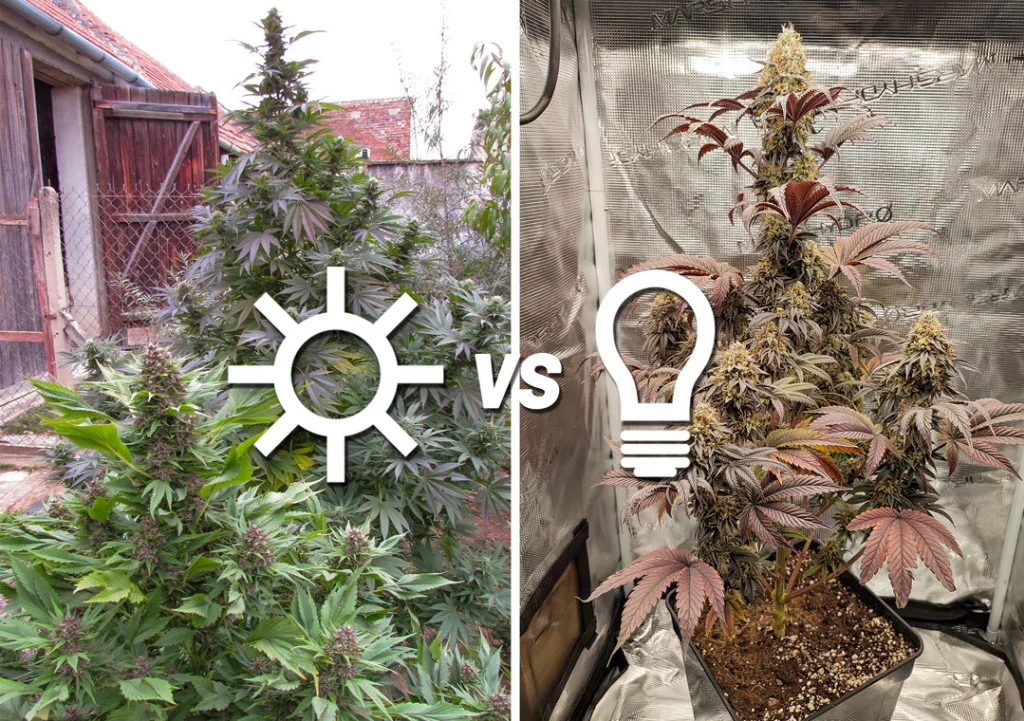
Indoor and outdoor cannabis growing differ first at the structural level. Indoor grows rely on artificial light, controlled airflow, and managed feeding schedules. Outdoor grows depend on sunlight, seasonal weather, and local climate patterns. Those basic differences ripple through every stage of plant development.
Indoor environments allow growers to decide almost everything, including light hours, temperature swings, and humidity levels. Outdoor environments offer far more energy from the sun, but far less control over daily and seasonal changes.
Key structural contrasts include:
- Light source being artificial indoors and solar outdoors
- Climate stability indoors versus variability outdoors
- Space limitations indoors and open root zones outdoors
- Higher setup cost indoors and lower entry cost outdoors
These differences shape yield size, color intensity, terpene retention, and even harvest timing, which the next sections unpack in detail.
Yield expectations and what realistically affects harvest size
Yield is often the first metric growers compare, but it is also the most misunderstood. Indoor cannabis growing usually produces smaller plants with dense, uniform buds. Outdoor cannabis growing often produces larger plants with heavier total yields but more variation across branches.
Indoor yields benefit from optimized light cycles and nutrient precision. Plants focus energy on flower production rather than adapting to environmental stress. Outdoor plants, by contrast, can develop massive root systems and structural growth, especially in long growing seasons.
Factors that most influence yield include:
- Daily light intensity and duration
- Root space and soil volume
- Consistency of feeding and watering
- Stress exposure from heat, wind, or pests
A single outdoor plant can outproduce several indoor plants combined, but indoor harvests are easier to predict and repeat.
Color development and why indoor buds often look different
Bud color is shaped by genetics, temperature shifts, and light spectrum. Indoor cannabis growing gives growers direct control over all three, which often results in brighter greens, deeper purples, and visually uniform flowers. Outdoor cannabis growing exposes plants to natural temperature drops that can also trigger dramatic coloration.
Purple hues, for example, often appear when nighttime temperatures fall during late flowering. Indoors, that effect can be replicated intentionally. Outdoors, it depends on regional climate and timing.
Some growers favor indoor cultivation for strains like Granddaddy Purple cannabis, where controlled conditions help preserve rich coloration and resin structure. When grown outdoors, the same strain may express color later or unevenly depending on weather patterns.
Color alone does not determine quality, but it strongly affects perceived value.
Climate control and environmental stability indoors
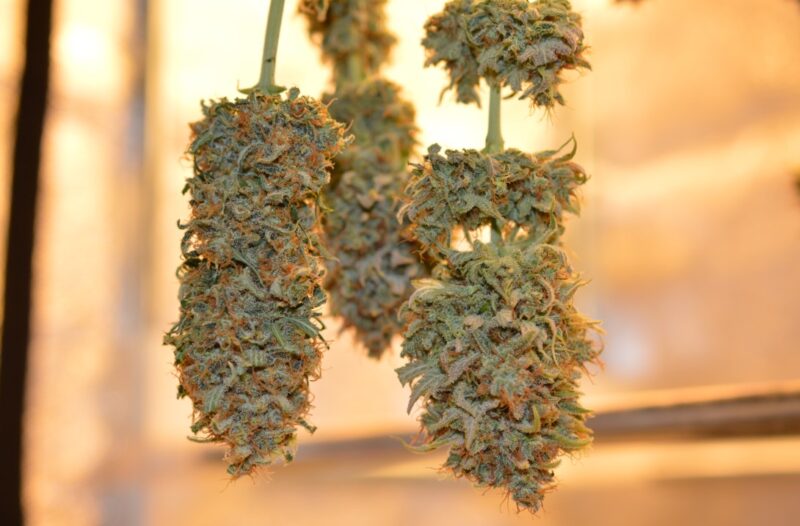
Indoor growing environments are designed to minimize surprises. Temperature, humidity, and airflow are adjusted daily to stay within optimal ranges for each growth stage. This stability reduces stress and supports consistent terpene and cannabinoid development.
Most indoor growers aim for narrow climate targets:
- Vegetative stage temperatures between 22 and 28°C
- Flowering temperatures are slightly lower to protect terpenes
- Humidity was gradually reduced to prevent mold
- Constant airflow to strengthen stems
Because everything is controlled, indoor plants rarely experience environmental shock. That predictability makes indoor cannabis growing ideal for growers focused on repeatable results, testing, or limited plant counts. The tradeoff is higher energy use and equipment maintenance.
Outdoor climate exposure and its impact on plant behavior
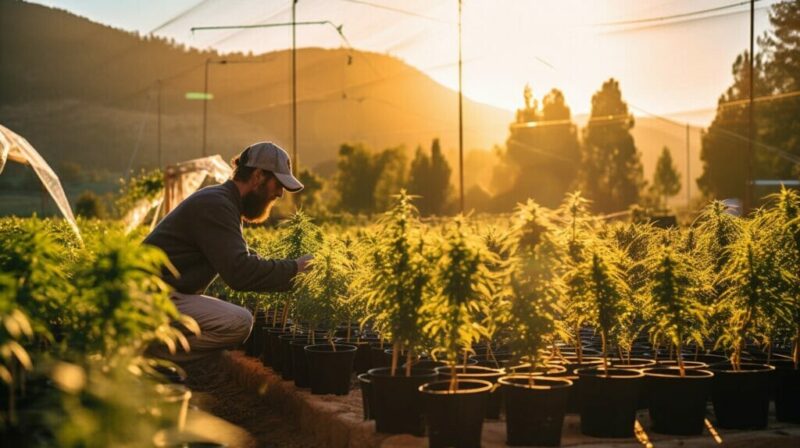
Outdoor cannabis growing connects plants directly to natural rhythms. Sunlight intensity changes daily, seasons dictate growth length, and weather events introduce stress that plants must adapt to. Those stress responses can sometimes increase resin production, but they also increase risk.
Outdoor plants experience:
- Temperature swings between day and night
- Wind that strengthens branches but increases water loss
- Rain that can boost growth or cause mold
- Insects and wildlife pressure
In favorable climates, outdoor cannabis can thrive with minimal intervention. In unpredictable regions, however, growers must monitor weather closely and adjust watering, pruning, and harvest timing quickly. Outdoor success depends heavily on location.
Did you know?
Sunlight delivers a broader light spectrum than most artificial grow lights, which can influence terpene diversity even when total yield is similar.
Comparing indoor and outdoor growing outcomes at a glance
The differences between indoor and outdoor cannabis growing become clearer when viewed side by side. The table below summarizes key outcome areas growers usually care about most.
|
Factor |
Indoor Growing |
Outdoor Growing |
| Yield per plant | Moderate and predictable | High but variable |
| Bud appearance | Dense and uniform | Larger with variation |
| Climate control | Fully controlled | Weather dependent |
| Color consistency | High | Seasonal |
| Operating cost | Higher | Lower |
Indoor grows favor control and repeatability. Outdoor grows favor scale and natural energy. The better option depends on grower goals rather than absolute performance.
Choosing the right method based on goals and limitations
The decision between indoor and outdoor cannabis growing should start with honest constraints. Space, climate, budget, and experience all matter more than trends. Indoor setups suit growers who value precision, privacy, and year-round cycles. Outdoor setups suit those with favorable climates and patience for seasonal rhythms.
Ask yourself:
- Do you need predictable harvest timing?
- Is electricity cost a concern?
- Does your climate support long flowering seasons?
- Are visual uniformity or total yield more important?
Many experienced growers eventually try both methods. Each teaches different skills and reveals how cannabis responds to its environment. Understanding those responses is what leads to better harvests over time.
Cannabis is remarkably adaptable, but it always reflects the conditions it grows in. Indoor and outdoor methods simply highlight different sides of the same plant. When growers align their method with their goals and environment, yield, color, and quality tend to follow naturally.