

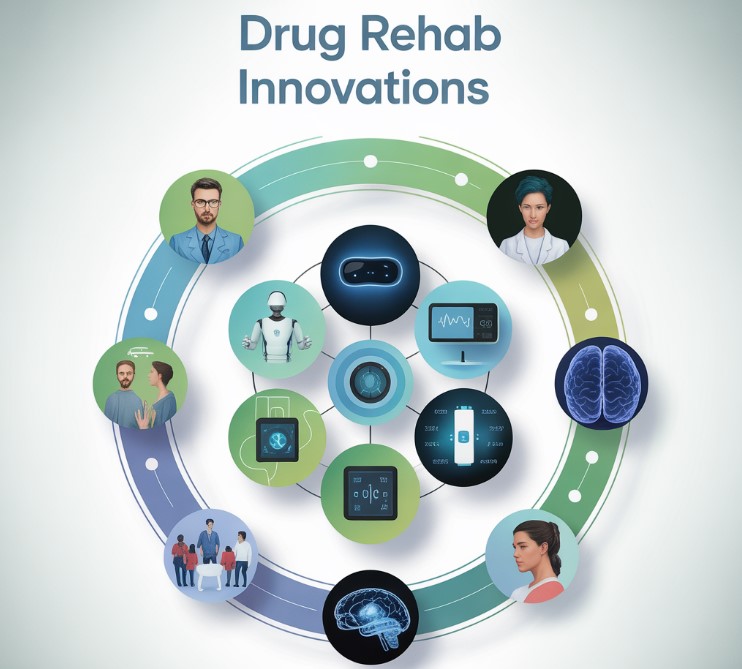
In the past decade, addiction treatment has changed more than it did in the previous fifty years. Mobile health apps now sit beside prescription medications, and therapy can happen through a headset instead of a clinic room.
According to the U.S. National Institute on Drug Abuse, relapse rates for substance use disorders remain comparable to other chronic illnesses, which has pushed researchers to rethink how recovery support is delivered over time. That pressure has fueled a wave of innovation heading into 2026.
What is different now is not just new tools, but how they are combined. Treatment programs are becoming more personalized, more continuous, and more adaptable to real life.
The following guide walks through the most important drug rehab innovations shaping care in 2026, focusing on what they do, how they are used, and why they matter in practice.
Digital therapeutics as structured treatment tools
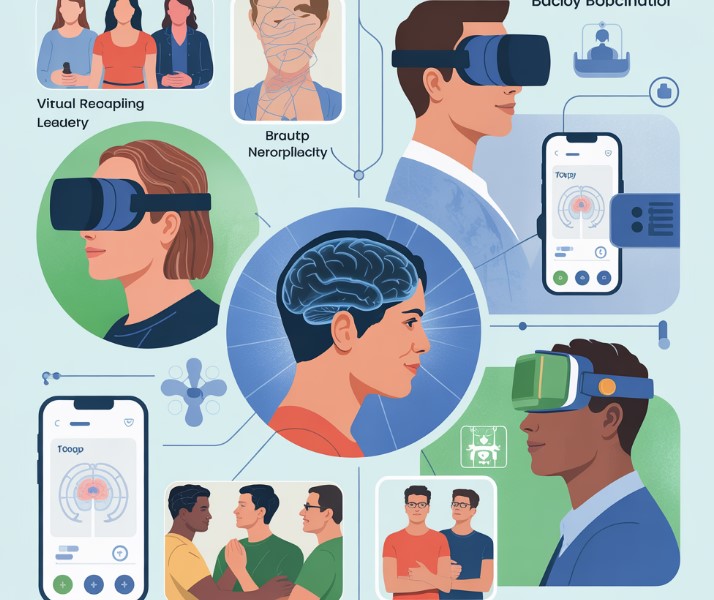
Digital therapeutics are no longer simple wellness apps. By 2026, several FDA-authorized platforms are prescribed alongside traditional addiction treatment. These tools deliver structured cognitive behavioral therapy modules, craving management exercises, and progress tracking through clinically validated software.
Unlike general recovery apps, digital therapeutics follow strict protocols. Clinicians monitor usage, symptom trends, and relapse risk remotely. This allows care teams to intervene earlier when engagement drops or stress increases.
Common functions built into modern digital therapeutics include:
- Scheduled therapy modules that adapt to user progress
- Real-time craving logs tied to personalized coping strategies
- Secure clinician dashboards that flag risk patterns
Research published by NIDA has shown that adherence improves when digital tools are paired with clinician oversight rather than used alone. The result is not replacement of therapy, but extension of it into daily life, where most triggers actually occur.
Digital care for emerging substance use patterns
As treatment tools evolve, so do the substances people seek help for. New patterns of misuse require programs that can adapt quickly, especially for drugs that fall outside traditional opioid or alcohol frameworks. This includes dissociative substances, stimulants, and prescription medications used in nonmedical ways.
Programs addressing ketamine addiction are a good example of this shift. Because ketamine is used both medically and recreationally, recovery often involves navigating complex psychological patterns rather than physical withdrawal alone.
Digital platforms are particularly useful here because they can:
- Deliver psychoeducation specific to less common substances
- Track mood, dissociation, and sleep alongside cravings
- Adjust therapy content without waiting for new facility programs
This flexibility allows rehab systems to respond faster to emerging trends instead of relying on outdated, one-size-fits-all models.
Virtual reality therapy for trigger exposure and skill practice

Virtual reality is no longer experimental in addiction care. By 2026, VR therapy is being used in controlled clinical settings to help patients practice coping skills before facing real-world triggers. The key benefit is exposure without risk.
Patients can rehearse difficult situations such as social pressure, emotional stress, or environmental cues in a therapist-guided VR session. The environment can be paused, repeated, or adjusted based on the patient’s response.
Typical VR therapy applications include:
- Simulated high-risk scenarios with real-time coaching
- Stress regulation training using biofeedback integration
- Rehearsal of refusal and grounding techniques
Studies published in journals such as Frontiers in Psychiatry have shown VR-based cue exposure can reduce craving intensity when combined with standard therapy. VR does not replace counseling, but it adds a safe practice layer that was previously impossible to create.
Long-acting medications changing treatment adherence
Medication adherence has long been one of the weakest points in addiction treatment. Daily pills require consistency during periods when motivation may be lowest. Long-acting medications aim to solve that problem by reducing dosing frequency.
By 2026, extended-release formulations for opioid and alcohol use disorders are more widely available. These include monthly or quarterly injections that maintain therapeutic levels without daily decision-making.
Key advantages of long-acting medications include:
- Reduced risk of missed doses during stress or relapse risk
- Stable blood levels that lower craving variability
- Easier monitoring of adherence by care providers
According to the FDA, long-acting injectable treatments improve retention in medication-assisted treatment programs when compared to oral alternatives. This does not remove the need for therapy, but it stabilizes the biological side of recovery so behavioral work can progress.
Integrating digital tools with medication-based care

The most effective programs in 2026 are not choosing between technology and medication. They are combining them into coordinated treatment systems. Digital platforms now integrate medication schedules, symptom tracking, and therapy content in one interface.
This integration helps clinicians see how biology and behavior interact. For example, a spike in reported stress combined with delayed injection appointments can signal increased relapse risk before substance use resumes.
Common integration features include:
- Medication reminders synced with clinical records
- Side effect and craving tracking linked to dosing cycles
- Automated alerts for missed appointments or symptom spikes
This connected approach reflects a broader understanding of addiction as a chronic condition requiring ongoing management rather than episodic detox and discharge.
Data-driven personalization in rehab programs
Personalization has become a central goal of modern rehab. Instead of fixed program lengths or rigid schedules, data now guides treatment intensity and content. Digital therapeutics collect daily inputs that inform care decisions in near real time.
Variables commonly tracked include sleep quality, mood stability, stress levels, and craving frequency. Over time, patterns emerge that help clinicians tailor interventions more precisely.
Personalized adjustments may involve:
- Increasing therapy frequency during high-risk periods
- Modifying medication timing based on symptom patterns
- Introducing VR sessions when environmental triggers rise
This approach aligns with findings from multiple NIH-supported studies showing that individualized treatment plans improve engagement and outcomes. The focus shifts from compliance to collaboration, which strengthens long-term recovery.
Ethical and access considerations in high-tech rehab
Innovation brings responsibility. As rehab programs adopt advanced tools, ethical questions around privacy, access, and equity become more important. Not all patients have equal access to smartphones, VR equipment, or stable internet connections.
Programs in 2026 are addressing this by:
- Offering device lending or clinic-based digital access
- Using low-bandwidth platforms for rural areas
- Maintaining non-digital alternatives for key services
Data privacy is also under scrutiny. Health systems must ensure that sensitive recovery data is protected under HIPAA and related regulations. Transparency around data use builds trust, which is essential in addiction treatment. Technology works best when it supports dignity rather than surveillance.
What these innovations mean for long-term recovery
Taken together, these innovations signal a shift away from short-term fixes toward sustained support. Recovery no longer ends at discharge. Instead, it continues through digital check-ins, medication stability, and skill reinforcement in daily life.
The practical impact includes:
- Earlier detection of relapse risk
- Greater continuity between inpatient and outpatient care
- More patient autonomy supported by clinical oversight
Addiction treatment in 2026 is not easier, but it is smarter. By blending human care with carefully designed technology, rehab programs are better equipped to meet people where they are, and to stay with them for the long road of recovery.
Frequently Asked Questions
How do clinicians decide which digital tools a patient actually needs?
Treatment teams typically evaluate substance history, relapse risk, tech comfort, and cognitive load before assigning digital tools. Not every patient benefits from every innovation, and overloading treatment can reduce engagement rather than improve it.
Can digital rehab tools be used during inpatient treatment, or only after discharge?
Many programs now introduce digital therapeutics during inpatient or residential care. This allows patients to learn the tools with clinical guidance and continue using the same system seamlessly after discharge.
What happens if a patient stops using a prescribed digital therapeutic?
Most platforms alert clinicians when engagement drops. Rather than penalizing the patient, care teams usually respond by adjusting treatment intensity, exploring barriers, or switching tools to better match the patient’s needs.
Are VR-based therapies covered by insurance in 2026?
Coverage varies by provider and region. Some insurers reimburse VR therapy when it is billed as clinician-led behavioral treatment, while others include it within bundled rehab program costs rather than as a standalone service.
Do long-acting medications affect future treatment flexibility?
In most cases, no. Long-acting formulations are designed to be reversible or time-limited. Clinicians plan dosing schedules carefully so that medication changes or discontinuation remain possible without disrupting overall recovery plans.