

A recent global fraud report found that online payment fraud now costs consumers and merchants tens of billions each year, with card-not-present transactions leading the losses. That raises an uncomfortable question most people only ask after something goes wrong: how safe is online shopping really?
The truth is that passwords alone are no longer enough. Data leaks, reused credentials, and automated attacks make single-layer security fragile. This is where two-factor authentication, commonly known as 2FA, quietly changes the game.
If you shop online, save cards in browsers, or keep payment details stored with merchants, 2FA plays a much bigger role than most people realize. It does not just protect logins. It protects payments, stored financial data, and the trust behind every click that says “Buy now.”
What 2FA Actually Does During Online Shopping
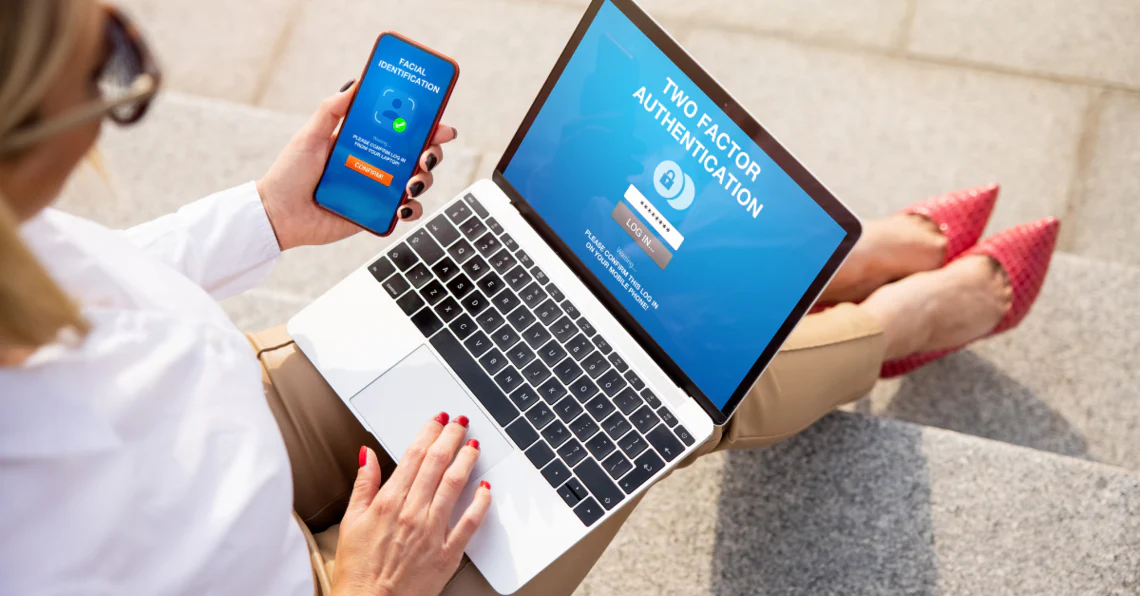
Two-factor authentication adds a second verification step before access is granted. Instead of relying only on something you know, like a password, it requires something you have or something you are.
In online shopping, this second step usually appears at key risk points. Logging in to your account, confirming a payment, changing saved card details, or accessing order history may all trigger it.
Common 2FA methods used by retailers and payment processors include:
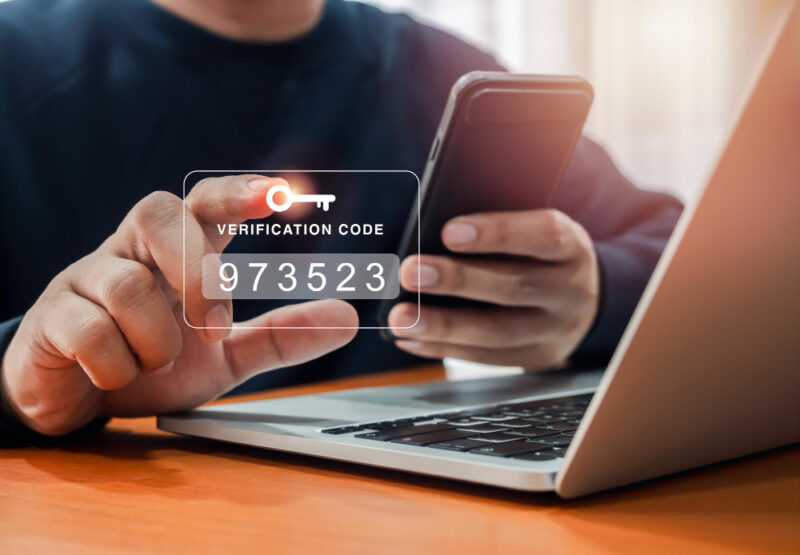
- One-time codes sent via SMS or email
- App-generated codes from authenticator apps
- Push approvals through banking or payment apps
- Biometric confirmation on supported devices
The key idea is simple. Even if someone steals your password, they cannot complete the transaction without the second factor. That gap is often enough to stop fraud entirely.
Why Passwords Alone Fail In Modern Payment Environments
Passwords were never designed to protect financial ecosystems operating at today’s scale. Most online shoppers reuse passwords across multiple sites, often unknowingly exposing their payment accounts to chain-reaction breaches.
When a retailer or service experiences a data leak, attackers frequently test those same credentials across major shopping platforms. This technique works because human behavior is predictable.
2FA disrupts this pattern by breaking automated access. Even if credentials are valid, the attacker hits a wall.
Important weaknesses of password-only shopping accounts include:
- Credential stuffing from past data breaches
- Phishing attacks that capture login details
- Malware that records keystrokes or saved passwords
- Guessable passwords tied to personal information
2FA does not eliminate risk completely, but it dramatically narrows the window of opportunity attackers rely on.
Where 2FA Protects More Than Just Checkout Pages
Many people assume 2FA only matters at the moment of payment. In reality, it safeguards much more than checkout screens.
Online shopping accounts store sensitive data long after a purchase ends. Saved cards, billing addresses, phone numbers, order history, and refund options all represent value to attackers.
2FA protects these areas by adding friction to actions that could otherwise be abused, such as:
- Viewing or exporting saved payment methods
- Changing shipping or billing addresses
- Accessing order invoices and receipts
- Initiating refunds or chargebacks
Did you know?
Most account takeovers do not aim to make purchases immediately. They often start by harvesting stored data for later fraud or resale. 2FA interrupts that early access phase.
2FA And Platforms That Handle High-Risk Transactions
Not all online platforms carry the same level of financial risk. Services involving recurring payments, stored balances, or rapid withdrawals demand stronger safeguards.
This is especially relevant in sectors where payments move quickly and reversibility is limited. For example, users researching alternative digital platforms often compare security practices carefully, including how authentication is handled.
When reviewing resources such as the gamblingpro.pro curated non GamStop list, many users look beyond features and bonuses and focus on whether platforms enforce layered security like 2FA for accounts and transactions. That scrutiny exists because high-risk payment environments attract more sophisticated fraud attempts.
Across industries, the pattern is consistent. The higher the transaction risk, the more critical proper authentication becomes for user protection.
How 2FA Secures Saved Cards And Digital Wallets
Saved cards are one of the most attractive targets for fraud. They remove friction for legitimate users, but also reduce barriers for attackers if accounts are compromised.
2FA adds a checkpoint before those cards can be misused. Even if someone gains account access, triggering a payment often requires additional confirmation tied to the legitimate user.
Typical protections include:
- Re-authentication before using a saved card
- Transaction confirmation through banking apps
- Step-up authentication for large or unusual purchases
This layered approach means saved cards are not just protected by a static login, but by ongoing verification tied to behavior and risk signals.
Over time, this reduces unauthorized charges and helps merchants avoid costly disputes.
Different Types Of 2FA Used In Online Payments
Not all two-factor methods offer the same level of protection. Some are better suited for convenience, while others prioritize security.
Here is a simple comparison used across online shopping environments:
| 2FA Method | Security Level | Common Use Case |
| SMS code | Moderate | Low-risk purchases |
| Email code | Moderate | Account access |
| Authenticator app | High | Payments and account changes |
| Banking app approval | Very high | Card verification |
| Biometrics | High | Mobile checkout |
SMS and email codes remain popular, but app-based authentication is increasingly preferred for payment security due to resistance against interception.
Common Misconceptions About 2FA In Online Shopping
One widespread myth is that 2FA makes shopping slower or more inconvenient. In practice, modern implementations are fast and often seamless.
Another misconception is that 2FA only benefits merchants. In reality, it protects consumers from financial loss, identity misuse, and lengthy dispute processes.
Clarifying a few common misunderstandings:
- 2FA does not store extra personal data
- It does not give merchants access to your phone
- It rarely triggers for everyday low-risk purchases
- It reduces false declines by confirming legitimacy
Once users experience account recovery without fraud stress, the value of 2FA becomes clear.
Why 2FA Is Becoming A Standard, Not A Bonus
Regulators, banks, and payment networks increasingly view 2FA as a baseline requirement rather than an advanced option. Strong customer authentication rules across many regions reflect this shift.
Merchants that adopt 2FA see fewer chargebacks, lower fraud rates, and stronger customer trust. Shoppers benefit from safer accounts and faster resolution when something goes wrong.
As online shopping continues to evolve, layered authentication is no longer a technical detail in the background. It is one of the most practical tools for protecting everyday digital payments.
Understanding how 2FA works and using it wisely makes online shopping not just easier, but meaningfully safer.