

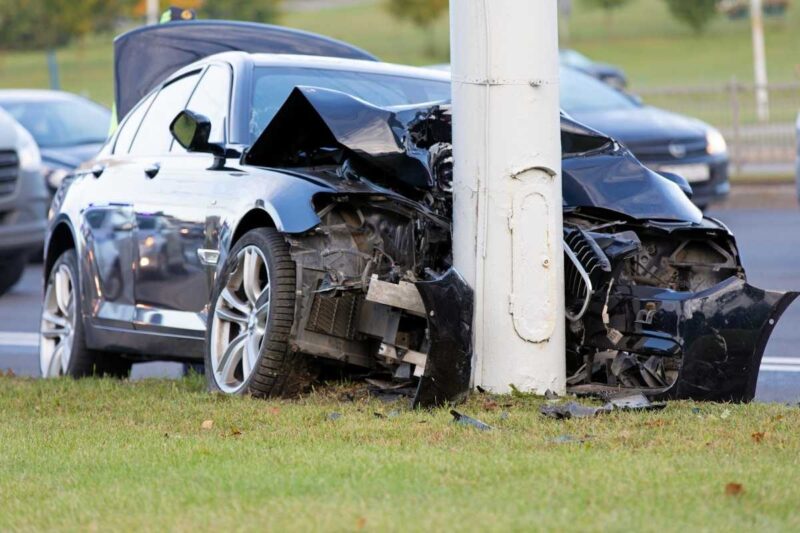
Did you know that a large share of reported crashes involve only one vehicle, yet many drivers still assume fault is automatic in these situations?
A single car accident can feel deceptively simple on the surface.
No other drivers to argue with, no visible collision partner, just damage, shock, and a long list of questions that follow.
What actually matters in those first minutes and days is not just what happened, but how you respond to it.
The steps you take can affect your safety, your insurance claim, and how liability is ultimately viewed.
Understanding what to do after a single car accident and how liability works helps remove uncertainty when your nerves are already stretched thin.
This guide walks through the process calmly and practically, focusing on real decisions you may face and how to handle them without panic or guesswork.
What counts as a single car accident

A single car accident refers to any crash where only one vehicle is directly involved, but that does not always mean the cause was simple or purely driver error.
These accidents can include collisions with stationary objects, rollovers, road departures, or sudden maneuvers to avoid hazards.
The label describes the structure of the crash, not responsibility.
Many drivers are surprised to learn that single-vehicle accidents often involve external factors that are outside the driver’s control, such as poorly maintained roads, missing signage, or unexpected debris.
Liability depends on identifying those factors clearly and documenting them early.
Common examples include:
- Skidding off the road due to untreated ice or oil
- Hitting a pothole that causes loss of control
- Swerving to avoid an animal or falling object
Understanding this distinction early helps frame how you approach reporting and insurance discussions.
Immediate steps to take at the scene
After ensuring your own safety, your actions at the scene matter more than most people realize.
Even without another driver present, documentation and calm decision-making protect you later.
Start by checking for injuries and moving to a safe location if possible.
Call emergency services if anyone is hurt or if the vehicle is blocking traffic.
A police report can be useful even when damage seems minor, as it creates an official record of conditions and timing.
At the scene, focus on:
- Taking photos of the vehicle, surroundings, and road conditions
- Noting weather, lighting, and visibility
- Collecting contact details from any witnesses nearby
Avoid speculating about fault out loud. Stick to observable facts and let the documentation speak for itself.
Why reporting the accident still matters
Some drivers hesitate to report a single car accident, especially if no one else was involved. This hesitation often leads to complications later.
Insurance companies rely on timely and accurate reports to assess claims, and delays can raise red flags.
Reporting creates a clear timeline that supports your version of events. It also allows external conditions to be acknowledged while they are still verifiable.
If damage worsens or injuries appear later, having a report on file becomes especially important.
Key reasons reporting matters include:
- Preserving evidence of road or environmental hazards
- Protecting against disputes about timing or cause
- Meeting policy requirements that may mandate prompt notice
Skipping this step can limit options even when circumstances were not entirely your fault.
How liability is evaluated in single vehicle crashes
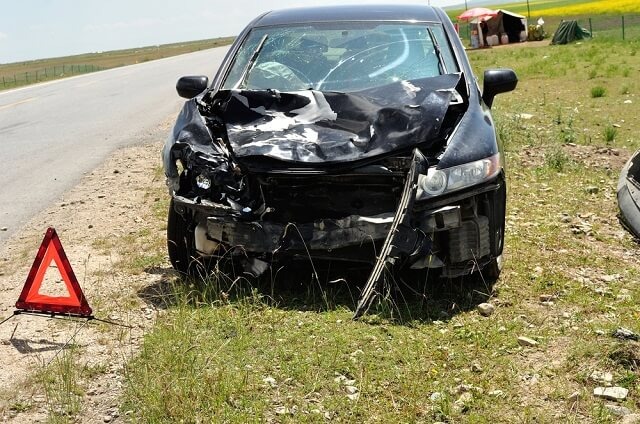
Liability in a single car accident is not automatically assigned to the driver, despite common assumptions.
Insurers and investigators look at causation, not just outcome.
They assess whether a reasonable driver could have avoided the crash under the same conditions.
Factors considered often include vehicle condition, road maintenance, signage, weather, and third-party actions.
For example, poor drainage causing hydroplaning or construction debris left in the roadway may shift responsibility.
Evaluators typically examine:
- Maintenance records for roads or nearby properties
- Weather reports and hazard warnings
- Vehicle inspection results
This process explains why thorough documentation at the scene can influence how liability is ultimately determined.
Insurance coverage and how claims are handled
Insurance coverage plays a central role after a single car accident, but the type of coverage matters.
Collision coverage usually applies regardless of fault, while comprehensive coverage may apply if the damage resulted from events like falling objects or animals.
Understanding what your policy includes helps set realistic expectations.
Liability coverage generally applies to damage you cause to others, which may not be relevant here unless property was damaged.
A simplified breakdown:
| Coverage type | What it typically covers |
| Collision | Damage to your vehicle from impact |
| Comprehensive | Non-collision events like debris or weather |
| Medical payments | Injury-related expenses |
After filing a claim, insurers evaluate evidence before confirming payouts, so clarity and consistency remain essential.
When injuries appear later
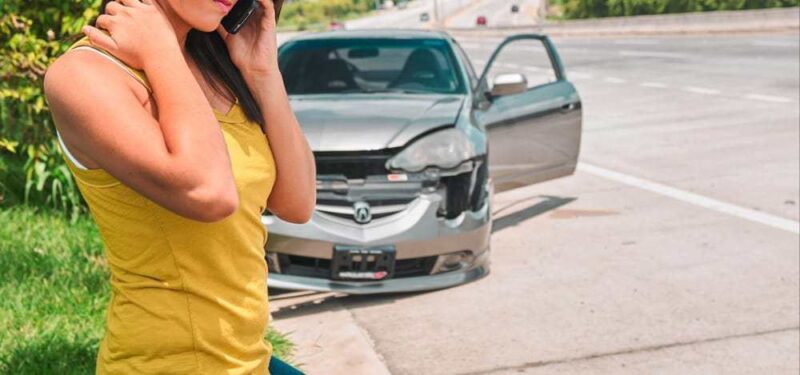
Not all injuries are obvious immediately after a crash. Adrenaline can mask pain, and symptoms may develop hours or days later. This delay is common and does not invalidate your experience, but it does complicate documentation.
Seeking medical attention promptly after symptoms appear is important. Medical records establish a connection between the accident and the injury, which is critical for insurance or legal purposes.
Be mindful of:
- Headaches, dizziness, or neck stiffness
- Back pain or reduced mobility
- Emotional symptoms like anxiety or sleep disruption
Ignoring these signs or waiting too long to seek care can make it harder to show that the accident was the cause.
Situations where responsibility may extend beyond the driver
Single car accidents can still involve other responsible parties even when no second vehicle is present. Property owners, municipalities, or contractors may bear responsibility for unsafe conditions that contributed to the crash.
This is especially relevant when hazards were known or should have been addressed. Poor lighting, unmarked construction zones, or defective guardrails can all play a role.
Examples where liability may extend include:
- Neglected road maintenance
- Improperly secured loads falling into traffic
- Faulty vehicle components under warranty
Identifying these factors requires careful review, but doing so can change how fault and compensation are handled.
Mistakes that can hurt your claim
Many issues arise not from the accident itself but from small missteps afterward. These mistakes are often made out of stress or misinformation, not intent.
Common pitfalls include:
- Admitting fault without full information
- Failing to document conditions clearly
- Missing reporting deadlines
Another frequent mistake is minimizing injuries or damage in early statements. It is better to say you are unsure than to make definitive claims that may not hold up later. Accuracy and patience are far more helpful than speed.
Conclusion
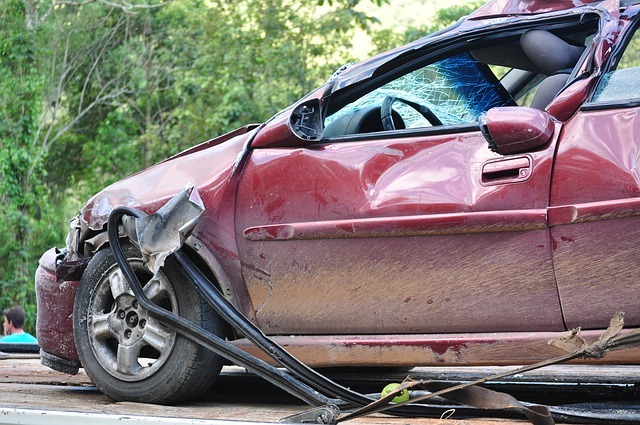
A single car accident can feel isolating, but the process that follows does not have to be confusing or overwhelming.
Understanding what to do after a single car accident and how liability works gives you structure at a time when clarity matters most.
By focusing on safety first, documenting conditions carefully, and recognizing that fault is not always automatic, you protect both your well-being and your options.
Liability is shaped by facts, not assumptions, and your actions in the hours and days after the crash help define those facts.
With a steady approach and informed decisions, you can move forward without unnecessary stress or missed opportunities.