

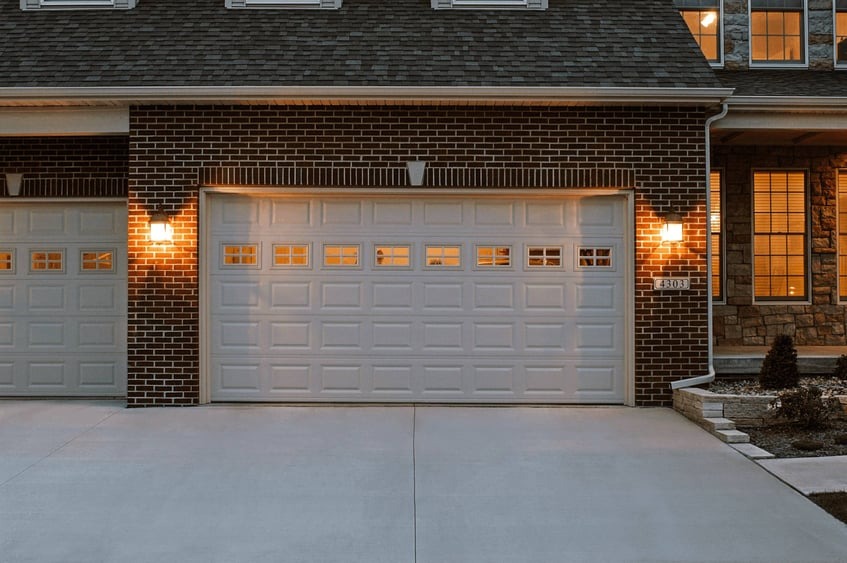
Choosing the right garage door material affects durability, maintenance costs, and daily convenience.
Steel, wood, and aluminum doors all behave differently over time, especially under real weather conditions.
A good decision depends on climate, budget, and how the garage is used.
This guide explains how each material performs in everyday situations so homeowners can avoid expensive mistakes and pick a door that will last.
Main Differences Between Steel Wood and Aluminum Doors
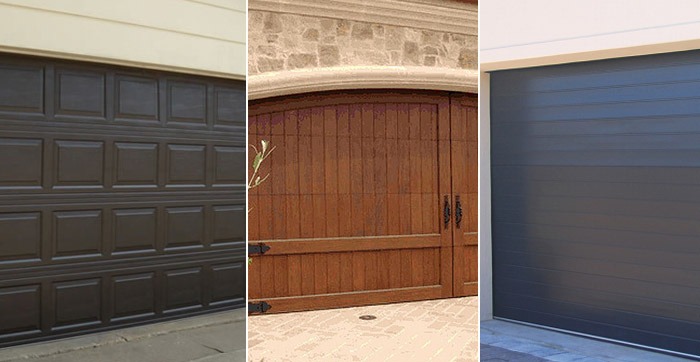
Garage door materials differ most in strength, weight, insulation options, and maintenance needs.
Steel remains the most widely used because it balances durability and cost, while wood offers traditional appearance and aluminum provides lightweight performance.
The core differences become clear in daily use:
- Steel doors resist harsh weather and regular wear better than most materials.
- Wood doors provide natural strength and appearance but need ongoing maintenance.
- Aluminum doors resist corrosion and remain lightweight for smooth operation.
Many homeowners choose steel for attached garages because insulation options are widely available. Aluminum often works well for detached garages where energy efficiency matters less.
Installation quality matters as much as the door itself. When homeowners look into new garage doors installation services, proper measuring and balancing often prevent long-term problems such as premature spring failure or track misalignment.
A door that fits correctly operates more smoothly and reduces strain on rollers and openers, especially with heavier materials like wood.
Even the best material performs poorly if installation ignores insulation gaps, framing issues, or weight distribution.
Durability and Weather Resistance in Real Conditions
Durability depends heavily on local weather and how often the door is used. Steel doors handle wind, rain, and temperature changes well and are usually the strongest option.
Wood and aluminum behave differently outdoors.
Steel typically performs best when exposed to severe weather, but thinner panels may dent from impacts such as bicycles or tools.
Aluminum avoids rust and works well in humid climates, though thinner panels can dent more easily than steel.
Wood remains strong but reacts to moisture and temperature changes if finishes deteriorate.
Aluminum and fiberglass doors often perform best in humid climates because they resist corrosion and moisture damage.
In coastal or rainy areas, aluminum often lasts longer than unprotected steel.
In cold regions, insulated steel doors usually provide the most reliable performance.
Maintenance Requirements Over Time
Maintenance needs often decide which material homeowners keep long term. Steel and aluminum require far less upkeep than wood.
Steel doors usually need occasional cleaning and minor rust prevention if the finish gets scratched. Aluminum doors often require little more than periodic washing because they do not need sealing or painting.
Wood doors demand regular attention:
- Surfaces usually need repainting or refinishing every few years
- Sun exposure can fade finishes and dry the material
- Moisture can lead to swelling or cracking
- Poor maintenance can lead to rot or warping that requires expensive repairs
Wood can last decades with proper care, but neglect often shortens lifespan significantly.
Homeowners who want minimal maintenance usually prefer steel or aluminum for this reason alone.
Insulation and Energy Efficiency
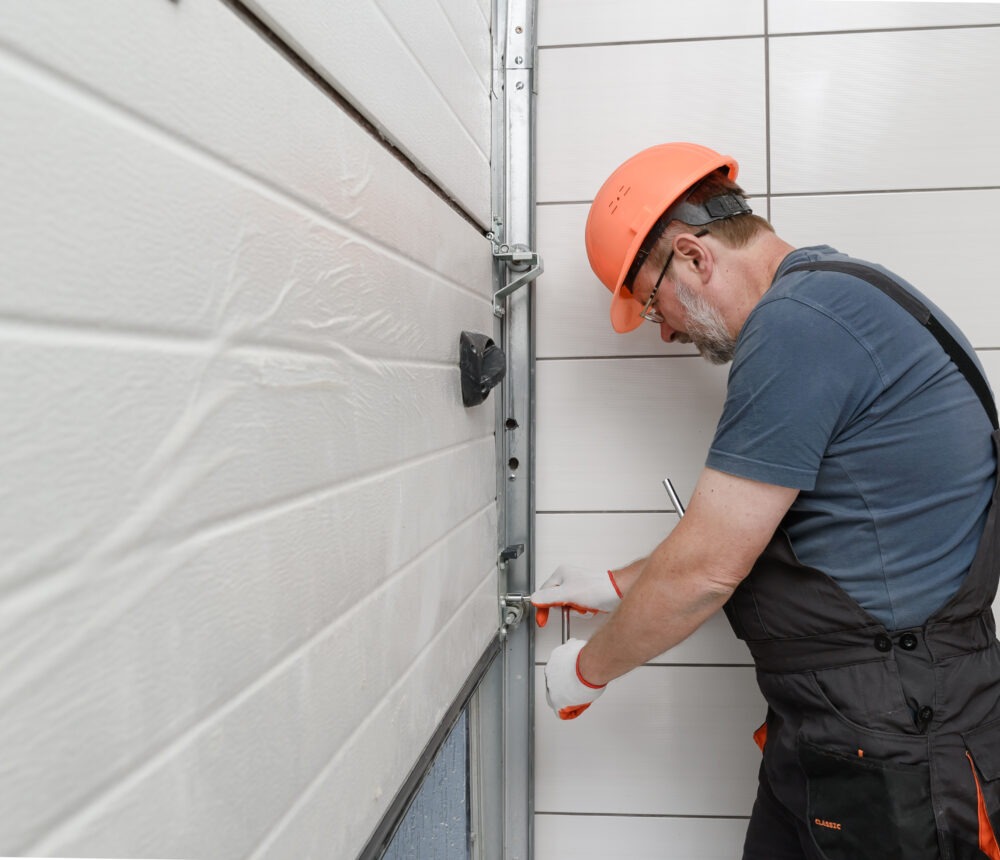
Insulation becomes important when the garage shares a wall with the house. Poor insulation can increase heating and cooling costs.
Insulated steel doors usually provide the best energy efficiency because manufacturers can build layered panels with foam insulation.
Aluminum doors generally provide less insulation unless built with thermal breaks.
Wood doors can be insulated, but performance varies depending on construction.
Did you know?
Garages attached to living space benefit most from insulated doors because temperature transfer can raise energy costs during winter and summer.
Detached garages usually do not justify expensive insulation packages unless the space is heated.
Weight and Hardware Wear
Garage door weight affects springs, rollers, and openers more than many homeowners expect. Heavy doors shorten hardware lifespan.
Wood doors usually weigh the most, which increases stress on springs and hinges. Steel doors fall in the middle, while aluminum doors are typically the lightest.
Heavier doors often lead to:
- Faster spring wear
- Noisier operation
- More opener strain
- Higher maintenance costs
Most springs are designed for around 10,000 cycles, so frequent use accelerates replacement needs regardless of material.
Lightweight aluminum doors usually extend opener life, especially in homes where the garage door opens several times daily.
Price Ranges and Expected Lifespan
Garage door costs vary widely depending on size and insulation levels. Steel usually remains the most affordable option while wood tends to cost the most.
| Material | Typical Price Range | Expected Lifespan |
| Steel | $750 to $3,500 | 15 to 20 years |
| Wood | $1,500 to $10,000 | 15 to 30 years |
| Aluminum | $600 to $2,000 | 10 to 20 years |
Steel offers the lowest cost for most homeowners, while wood often costs significantly more both upfront and over time.
Higher-end insulated steel doors often fall into the middle price range and deliver good long-term value.
Repairs and Typical Problems
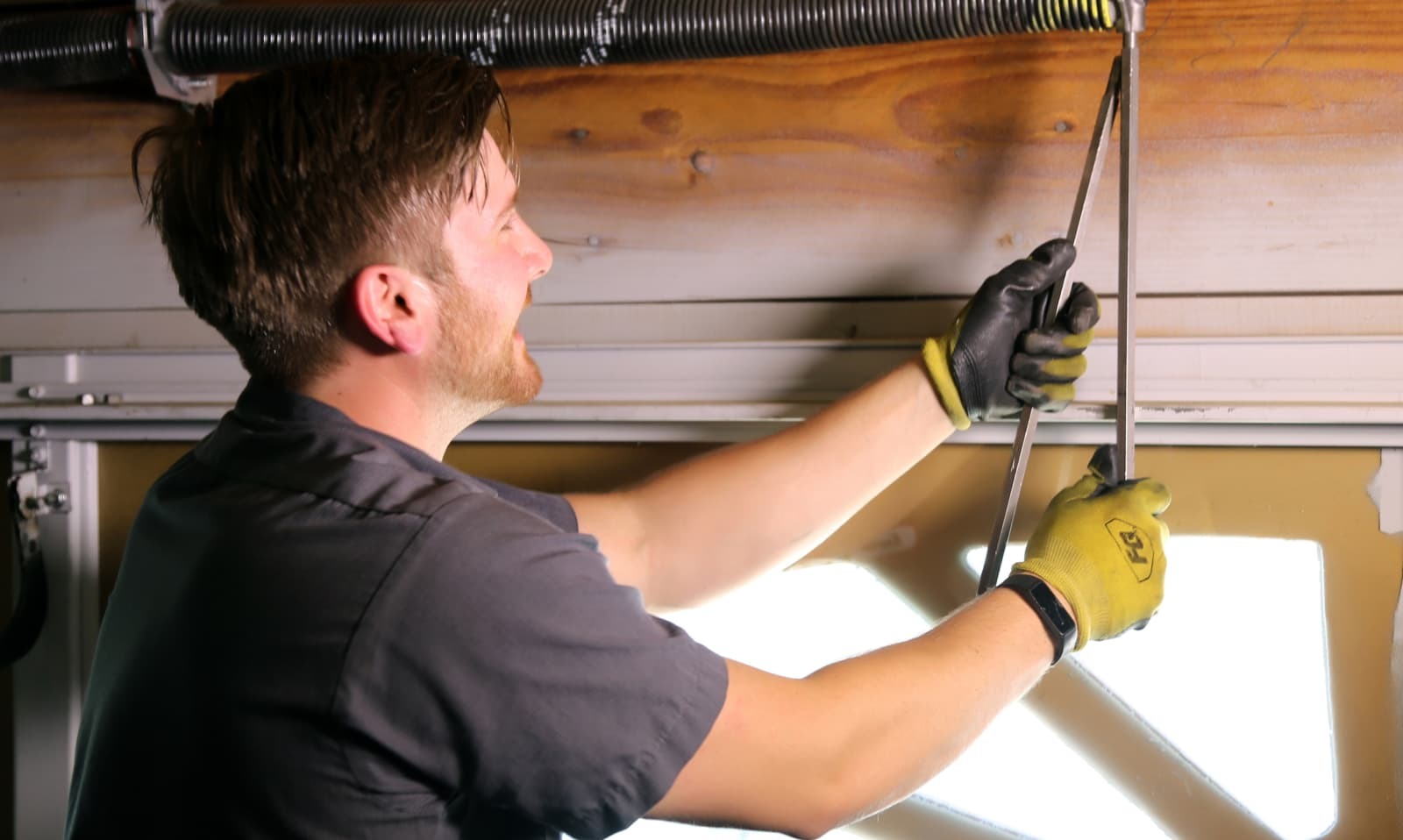
Most garage door repairs involve hardware rather than panels, but material still affects repair costs.
Average garage door repairs often range around a few hundred dollars depending on the problem.
Common material-related problems include:
- Steel doors sometimes develop dents that require panel repair
- Wood doors often need refinishing or panel replacement
- Aluminum doors may bend or flex in strong wind
Steel dents are usually cheaper to fix than wood damage because individual panels can often be replaced.
Wood repairs usually cost more because matching stains or finishes can be difficult.
Aluminum repairs tend to involve panel replacement if bending occurs.
Matching Materials to Home Style and Climate
Material choice should match the home as well as the environment. Wood works well with traditional architecture while aluminum and steel fit modern designs.
Each climate favors different materials.
Cold climates often benefit from insulated steel doors that retain heat efficiently. Hot sunny climates often work well with steel or aluminum finishes that reflect heat. Humid regions often favor aluminum because rust resistance improves long-term reliability.
Older homes with uneven openings often benefit from custom wood doors because they can be built to fit unusual dimensions.
Low-maintenance households usually prefer steel or aluminum because upkeep remains predictable.
Conclusion
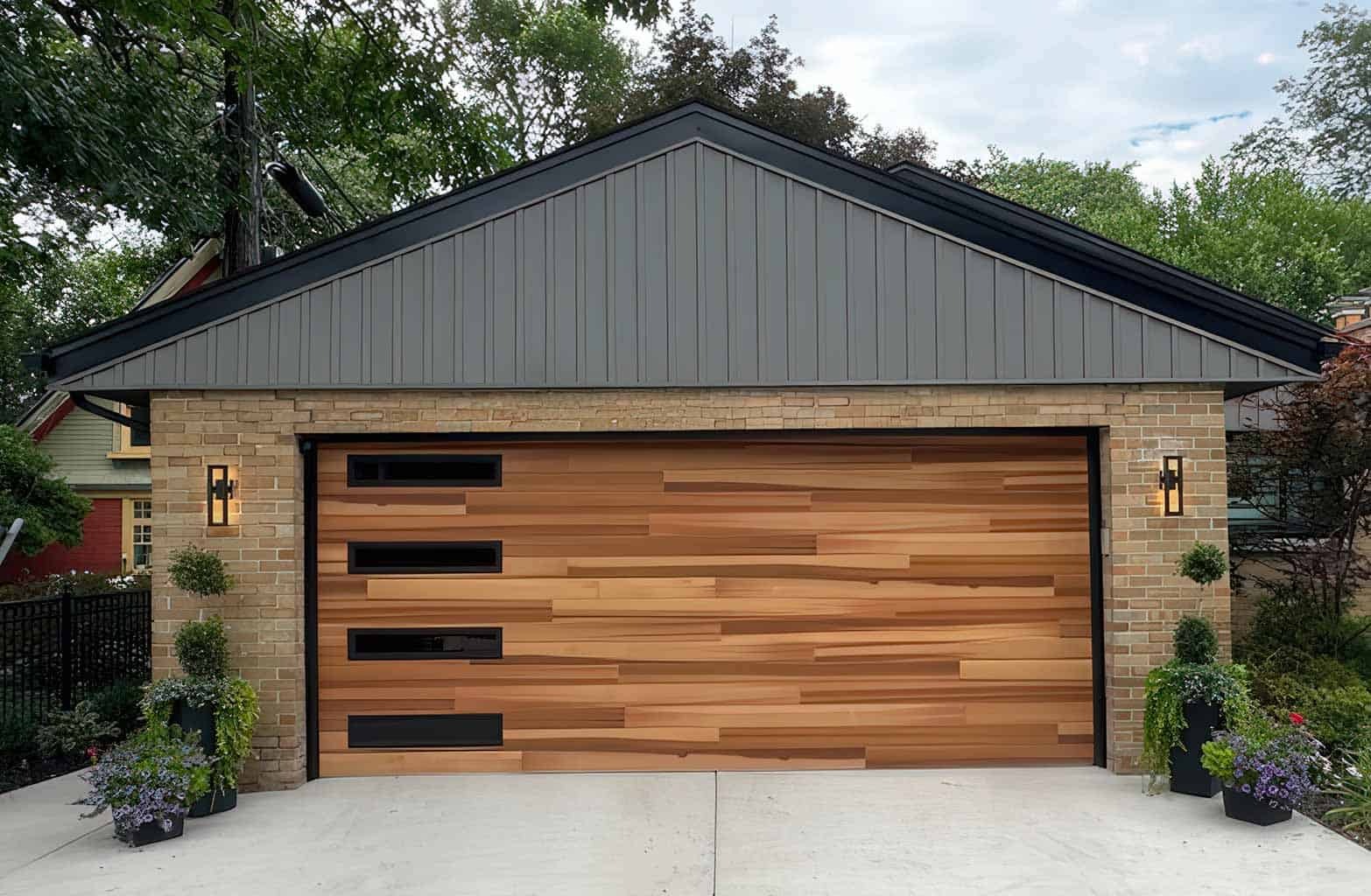
Choosing between steel, wood, and aluminum garage doors depends on priorities rather than a single best option.
Steel usually provides the best balance of durability, insulation, and cost. Wood works best when appearance matters more than maintenance. Aluminum suits humid climates and lighter-duty use.
A realistic choice considers climate, budget, and how often the garage door operates. A well-matched material usually performs better and lasts longer than an expensive door chosen for appearance alone.
Frequently Asked Questions
Which garage door material is the quietest during operation?
Insulated steel doors usually operate more quietly because the layered panels reduce vibration and sound transfer. Aluminum doors can sometimes produce more vibration noise because the panels are lighter and thinner.
Noise also depends on rollers and tracks, but heavier insulated doors often feel smoother and quieter in everyday use.
Can sunlight damage a garage door over time?
Strong sun exposure can gradually affect all garage door materials. Wood doors may dry out and lose finish protection, while painted steel and aluminum surfaces may fade after years of direct exposure.
Homes facing west or south often see faster color fading. Lighter colors usually resist fading better than darker finishes.
Are modern steel garage doors made to look like wood?
Many steel doors are now manufactured with textured finishes that imitate natural wood grain. This allows homeowners to get a traditional appearance without the maintenance required by real wood.
Steel doors with wood style finishes are often chosen for traditional homes where real wood would require too much upkeep.
Is aluminum a good choice for garages with large windows?
Aluminum is commonly used for garage doors with glass panels because the lightweight frame supports large window sections without excessive weight.
Can a garage door material affect manual operation during power outages?
Lighter doors are usually easier to lift manually when the opener is disconnected. Aluminum doors often require less effort to operate because they weigh less than wood or insulated steel models.