

Ask most property owners whether asbestos is still a real concern in 2026, and many will shrug it off as a problem from another era. Yet inspection data across multiple countries continues to show the same pattern: asbestos exposure risk remains closely tied to building age, not to how modern the space looks today.
Renovations, cosmetic upgrades, and energy retrofits often mask older materials that were never removed. The result is a quiet mismatch between perceived safety and actual risk. This gap matters because asbestos-related illnesses are still diagnosed decades after exposure, long after the dust has settled.
Understanding why age still matters, and why preparedness lags behind, is the first step toward making smarter decisions for homes, workplaces, and investment properties.
Why building age still predicts asbestos exposure risk
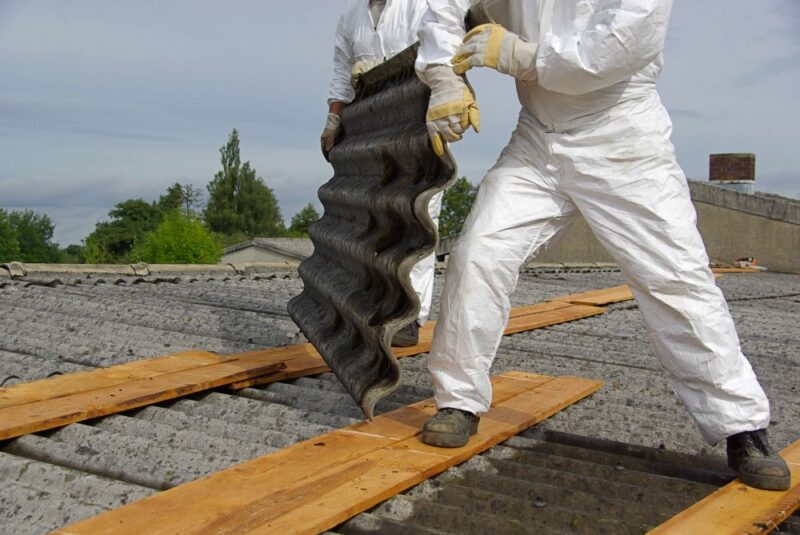
Older construction continues to be the strongest indicator of asbestos presence, even in 2026. Buildings constructed before the late 1980s frequently used asbestos in insulation, floor tiles, roofing, pipe lagging, and fireproofing materials. While many regulations banned new use decades ago, removal was rarely mandatory unless renovations occurred.
What complicates matters is that asbestos does not degrade in a visible or obvious way. Materials can appear intact for years until disturbed by drilling, sanding, or demolition. Key reasons age still matters include:
- Widespread historical use across residential, commercial, and industrial buildings
- Long service life of asbestos-containing materials
- Limited documentation for older renovations and partial removals
This combination means age remains a reliable risk signal, even when buildings appear modernized on the surface.
The False Sense of Safety Created by Renovations and Upgrades
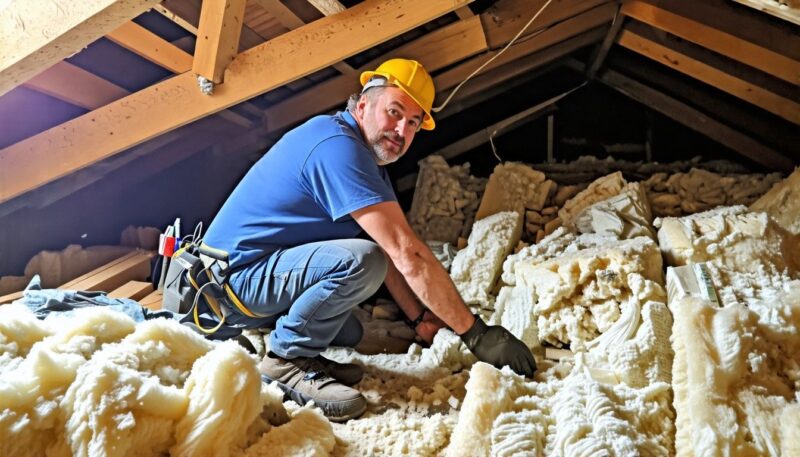
Renovations often create confidence that a building is safe, but this confidence is not always justified. Cosmetic updates like new flooring, drywall, or ceiling systems frequently cover older materials instead of removing them. Energy efficiency retrofits can also disturb hidden asbestos without proper assessment.
Many owners assume that if asbestos was present, it would have been addressed during past work. In reality, older renovations were not always subject to today’s standards, and testing was not consistently required. Common misconceptions include:
- Assuming newer finishes mean safer structures
- Believing previous owners handled all hazardous materials
- Trusting visual inspection over documented testing
Without proper surveys, renovations can actually increase exposure risk by disturbing materials that were previously stable and contained.
Legal Exposure and Liability Owners Often Overlook
Beyond health risks, asbestos carries legal consequences that many owners underestimate. Liability does not disappear just because exposure happened years ago or because a property changed hands. In cases involving tenants, employees, or contractors, responsibility often traces back to ownership and duty of care.
Legal accountability is very important here, especially when health impacts emerge later. In such situations, discussions with an asbestos lawyer tend to focus less on blame and more on documentation, disclosure, and whether reasonable precautions were taken at the time. These cases often hinge on what an owner knew or should have known based on the building’s age and use. Legal risk tends to rise when:
- No asbestos survey was conducted before renovation
- Occupants were not informed of known risks
- Proper containment or abatement procedures were skipped
Preparation protects not just health, but long-term legal standing as well.
How Asbestos Exposure Still Occurs
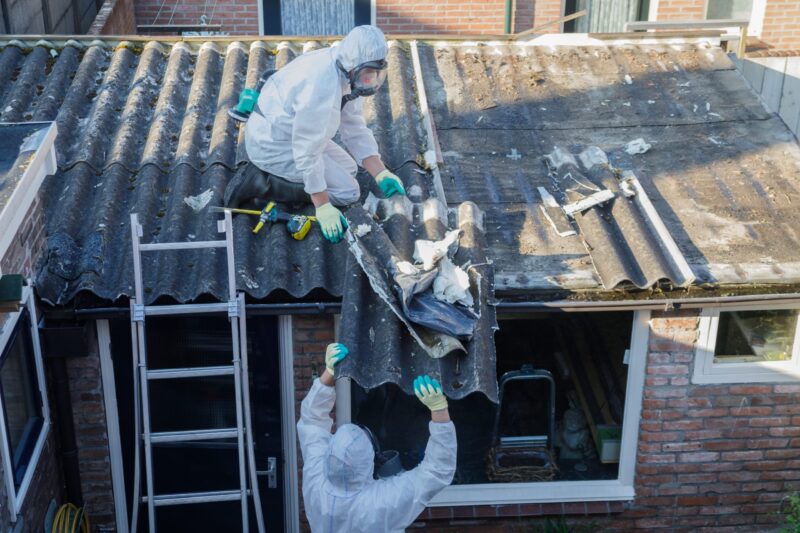
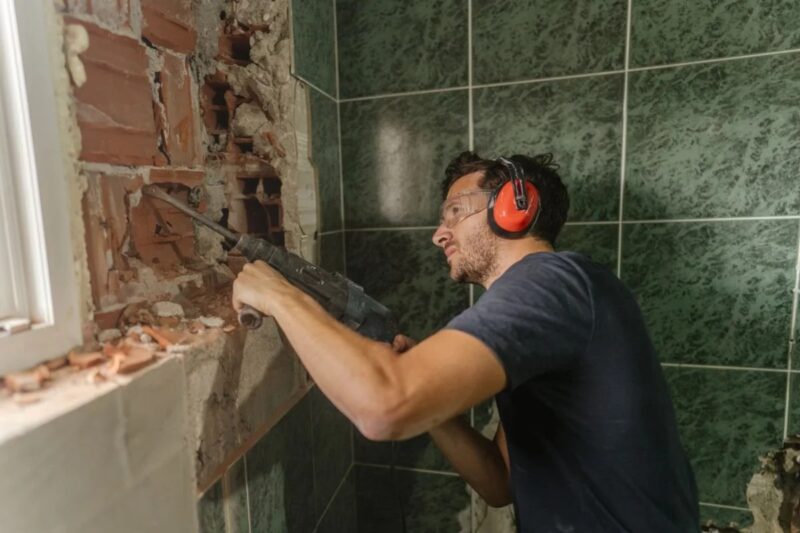
Asbestos exposure in 2026 rarely comes from dramatic demolition scenes. Instead, it often occurs during routine activities that seem harmless. Maintenance work, small repairs, or system upgrades can release fibers if materials are disturbed. Everyday exposure scenarios include:
- Drilling into walls to install wiring or shelving
- Replacing old flooring or ceiling tiles
- Servicing HVAC or plumbing systems in older buildings
- DIY projects without prior material testing
Since asbestos fibers are microscopic, exposure is usually unnoticed at the time it occurs. This invisibility contributes to ongoing risk, especially when work is done without protective measures or professional oversight. Awareness of these everyday triggers is critical for prevention.
Why Many Owners Remain Unprepared
Information about asbestos is widely available, yet preparedness remains uneven. One reason is psychological distance. Many owners view asbestos as a historical issue, disconnected from modern property management. Others rely on assumptions rather than documentation.
Cost concerns also play a role. Testing and professional surveys are often seen as optional expenses, particularly when no immediate renovation is planned. This short-term thinking overlooks the higher costs associated with accidental exposure or regulatory violations. Factors driving unpreparedness include:
- Underestimating the likelihood of disturbance
- Confusion about current regulations
- Belief that asbestos only exists in industrial buildings
Preparedness requires shifting from reactive thinking to preventive planning, something many owners still delay.
What Modern Regulations Require in 2026
Asbestos regulations have evolved, but they are often misunderstood. In most regions, asbestos is not required to be removed simply because it exists. The obligation usually arises when materials are disturbed, renovated, or pose a clear risk. Below is a simplified overview of common regulatory expectations in 2026:
| Requirement area | Typical expectation |
| Building surveys | Required before major renovation or demolition |
| Disclosure | Mandatory for known asbestos in leased or sold properties |
| Worker protection | Training and controls when exposure is possible |
| Waste handling | Licensed removal and disposal only |
Understanding these requirements helps owners plan ahead instead of reacting under pressure when work is already underway.
The Role of Inspections and Asbestos Surveys Today
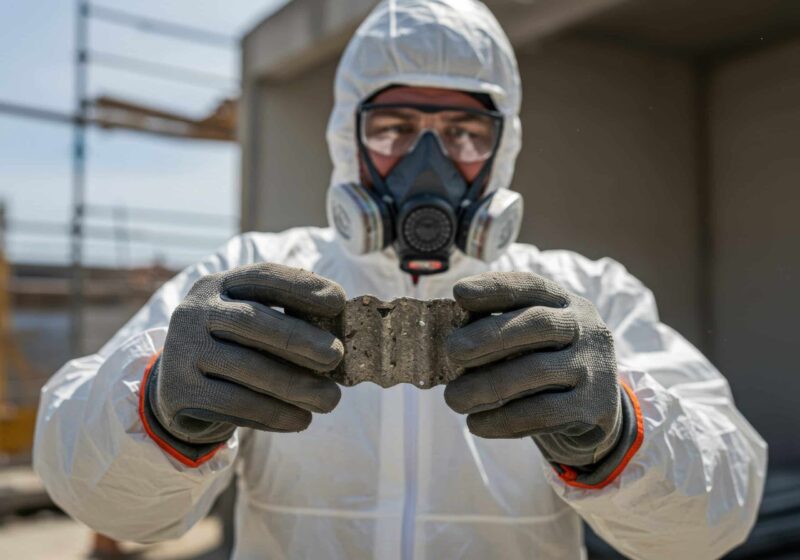
Inspections remain the most effective preparedness tool. A professional asbestos survey identifies where materials are located, their condition, and whether they pose immediate or future risk. This information allows owners to manage asbestos safely rather than rushing into unnecessary removal.
There are typically two survey types: management surveys for ongoing use and refurbishment or demolition surveys for planned work. Choosing the right one depends on building use and future plans. A proper survey provides:
- A clear inventory of asbestos-containing materials
- Risk assessments based on condition and location
- Guidance for maintenance and renovation planning
This proactive step often reduces both health risks and unexpected costs over time.
Important fact: Asbestos is considered hazardous only when fibers become airborne, which is why intact materials can remain in place under controlled management plans.
Practical Steps Owners Can Take to Reduce Risk

Preparedness does not always mean immediate removal. In many cases, it means informed management. Owners who take structured steps can significantly lower exposure risk without disrupting building use. Effective actions include:
- Commissioning an asbestos survey for older properties.
- Keeping clear records accessible to contractors and staff.
- Labeling known asbestos-containing areas discreetly.
- Establishing protocols for maintenance work.
- Reviewing plans before any drilling, cutting, or demolition.
These steps turn asbestos from an unknown threat into a managed risk. The key is consistency, not one-time action.
Why Preparation Matters More Than Ever
As buildings age further, the gap between construction era and current use continues to widen. More properties built during peak asbestos use are now being renovated for modern needs, increasing the likelihood of disturbance. At the same time, awareness of long-term health effects continues to grow.
Preparedness in 2026 is less about fear and more about responsibility. Owners who understand the link between building age and exposure risk are better positioned to protect occupants, contractors, and themselves. They avoid rushed decisions, legal uncertainty, and preventable harm. Ultimately, asbestos remains a manageable issue, but only for those willing to acknowledge that age still matters, even in buildings that look brand new.