

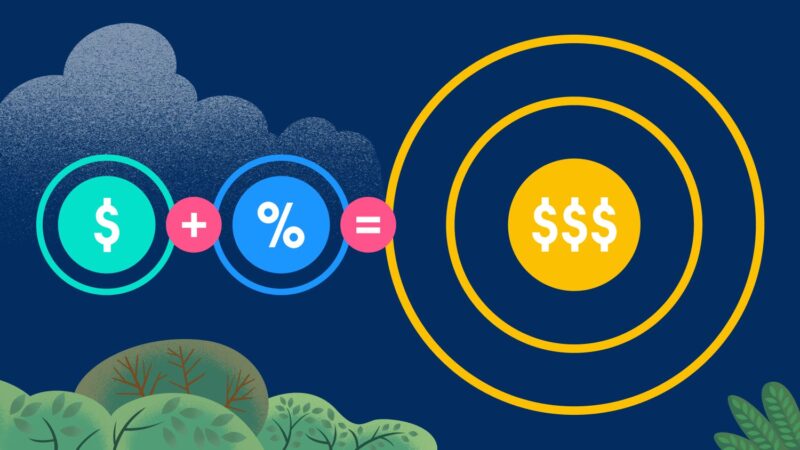
Pricing is one of the most delicate balancing acts in business. Set your prices too high, and you risk driving away potential customers. Set them too low, and you undercut your margins or even lose money on every sale.
The ideal pricing strategy does both: it fully covers your costs while still appealing to new buyers. Achieving that requires knowing your numbers, understanding customer psychology, and adjusting your approach as markets shift.
Start With a Clear Understanding of Your True Costs

Before deciding on any price, you need to know exactly how much it costs you to deliver your product or service. That means looking beyond the obvious direct costs.
- Direct costs include materials, labor, and manufacturing or service delivery expenses.
- Indirect costs include overheads like rent, marketing, utilities, equipment depreciation, and even your own time if you’re a founder-operator.
For example, if you sell a handcrafted item for $100 but your total costs per unit come to $80, your profit margin is only 20%. If you discover that hidden costs—like packaging, transaction fees, and returns—add another $10 per sale, your real margin drops to 10%. That’s often not sustainable long-term.
A full cost analysis prevents you from pricing based on guesses or emotion. You can’t attract customers effectively if your business isn’t financially sound first.
Define Your Minimum Viable Price (MVP)
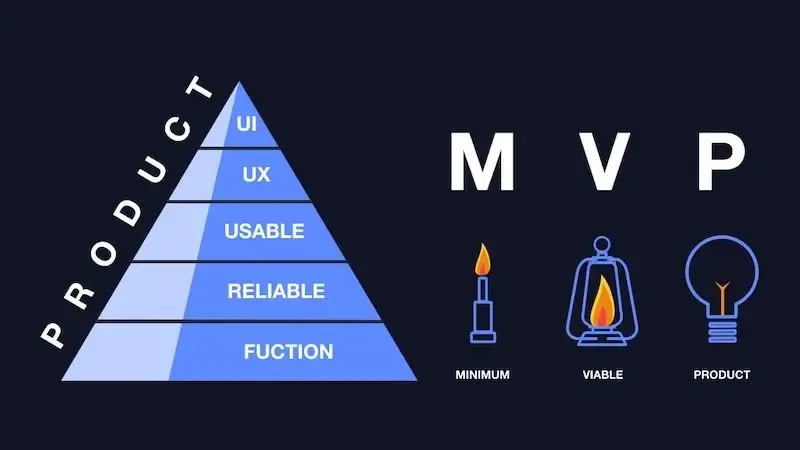
Once you know your total costs, calculate your minimum viable price — the lowest amount you can charge without losing money. This acts as a financial “floor” under your pricing decisions.
Formula:
Total Unit Cost + Desired Profit Margin = Minimum Viable Price
Example:
If your total cost per product is $40 and you want a 25% margin, your minimum viable price is $50.
Having this number ensures every discount or promotion still leaves you profitable.
How Customers Perceive Value
Customers don’t buy based on your cost structure — they buy based on perceived value. That’s why two similar products can sell for wildly different prices.
If you want to set prices that attract new customers, you must identify what makes your offer stand out. Ask:
- What pain does your product solve better than anyone else?
- How do customers describe the benefit of your service?
- What price points do competitors use, and what gaps exist between them?
Understanding perceived value allows you to justify a higher price to some customers or offer entry-level versions to attract price-sensitive ones.
Combine Cost-Based and Value-Based Pricing

The most sustainable pricing models use both cost-based and value-based thinking.
- Cost-based pricing ensures every sale covers expenses.
- Value-based pricing ties the price to how much your product is worth to the customer.
For instance, if you provide a service that saves a client $10,000 annually, pricing it at $1,500 makes strong sense even if your internal cost is $700. Customers will see a clear net gain.
This hybrid model lets you maintain profitability while still appealing to both loyal and first-time buyers.
Use Competitive Benchmarking — But Don’t Copy Blindly
Competitor pricing offers context, not instruction. A lower price may grab attention, but it often signals lower quality or desperation. Conversely, premium pricing can reinforce credibility — if backed by strong differentiation and customer experience.
Gather real data on your top five competitors:
| Competitor | Average Price | Unique Feature | Perceived Value |
| A | $49 | Fast shipping | Convenience |
| B | $59 | Better quality | Reliability |
| C | $45 | Discounts | Affordability |
Position yourself strategically. If your offering outperforms on quality or service, you can comfortably price above the median while still attracting value-focused buyers.
Offer Tiered Pricing or Bundled Options
Tiered pricing gives customers choice — and psychologically encourages them to upgrade.
For example:
- Basic Plan: Covers essentials, lower price, lower margin.
- Standard Plan: Balanced features, optimal value for most buyers.
- Premium Plan: Includes extras for high-end users who value exclusivity.
Bundling can also increase perceived value without cutting margins. Group complementary products or services so that the combined offer feels like a deal even when priced higher than the base item.
Make Room for Smart Promotions
Discounts can drive new customer acquisition, but should never eat into your core profit. Use limited-time offers, loyalty programs, or referral discounts instead of permanent markdowns.
Track how each promotion affects both new customer sign-ups and repeat purchase rates. If a discount leads to long-term customer value (LTV), it’s a strategic investment — not a loss.
Review Pricing Regularly and Adjust for Market Shifts

Your pricing strategy should evolve as your business grows. Inflation, supply chain costs, competitor changes, and customer expectations can shift fast. Conduct quarterly reviews of:
- Profit margins
- Conversion rates
- Competitor pricing
- Customer feedback
Adjust gradually rather than with sudden, large jumps, especially if your customer base is price-sensitive.
When to Get Expert Help
For small and medium-sized businesses, strategic financial guidance can make or break pricing decisions. Many growing firms turn to advisory partners who specialize in business finance and governance recruitment to strengthen their leadership and pricing frameworks.
This is where organizations like Ned Capital Recruitment come in. Their expertise in connecting companies with experienced non-executive directors (NEDs) helps ensure that pricing, cash flow management, and growth strategies are overseen by professionals who understand sustainable profitability.
Having the right board or advisor can introduce fresh perspectives on pricing — from psychological pricing frameworks to data-driven margin optimization — ensuring your model remains both competitive and resilient.
Balance Growth Goals With Long-Term Profitability
Pricing should not only sustain your operations today — it must also fuel your business growth tomorrow. Too many companies set prices that win short-term market share but slowly erode long-term profit. The real challenge is learning how to grow without undermining your own financial foundation.
When expanding, it’s tempting to drop prices aggressively to lure customers away from competitors. While this can spike sales, it often attracts the wrong kind of customers — those who switch brands at the first cheaper option. A better approach is value-driven pricing: keep your prices aligned with what your product genuinely delivers, and use loyalty programs, bundled offers, or subscription discounts to reward long-term engagement instead of one-time purchases.
Businesses that balance short-term traction with stable margins tend to outlast those built on perpetual underpricing. This balance requires regular financial evaluation, transparent reporting, and a disciplined pricing policy reviewed by experienced oversight — a role often filled by non-executive directors (NEDs) or external governance specialists.
The Bottom Line

Setting prices that both cover costs and attract customers is not a one-time formula. It’s a system built on three principles:
- Know your real costs — never guess your margins.
- Price for perceived value, not just survival.
- Evolve continuously as your market changes.
The businesses that thrive in 2025 will be those that view pricing as an active strategy, not a static decision. When your numbers support your growth and your customers still feel they’re getting fair value, you’ve achieved the pricing balance that every successful brand aims for.