

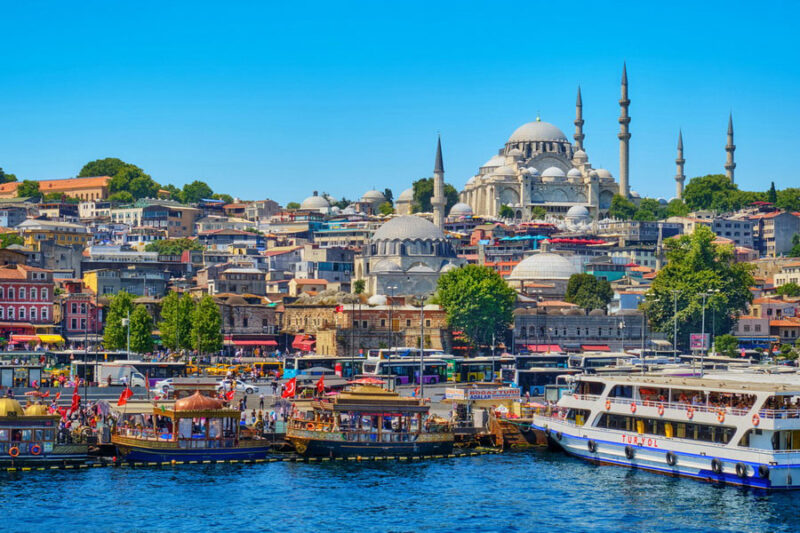
Turkey receives more than 50 million international visitors in a typical year, yet many travelers still arrive feeling slightly out of sync with the country. Too hot, too crowded, or unexpectedly expensive are common refrains.
The truth is that Turkey rewards good timing more than most destinations. Its size, varied geography, and layered seasons mean that the experience can change dramatically from one month to the next. If you have flexibility in 2026, choosing the right window can shape everything from your comfort level to how much you spend and how deeply you connect with the place.
This guide breaks down weather patterns, crowd levels, and pricing trends so you can decide when Turkey feels right for you, not just when flights are cheapest.
Find Out About Turkey’s Seasons Before You Choose Dates
Turkey stretches across several climate zones, which makes broad generalizations risky. The Mediterranean and Aegean coasts follow a classic hot summer and mild winter pattern, while central Anatolia deals with colder winters and sharp temperature swings. The Black Sea coast stays greener and wetter, and eastern regions can feel alpine for much of the year. Because of this, timing matters more than destination marketing photos suggest.
Seasonal patterns influence more than temperature. They affect domestic travel, school holidays, ferry schedules, and even how late restaurants stay open. Planning with seasons in mind helps avoid mismatches between expectations and reality.
Key seasonal influences to keep in mind:
- Summer heat dominates inland and coastal areas from late June through August.
- Spring and autumn bring more balanced weather across most regions.
- Winter travel is quieter but more limited outside major cities and ski areas.
Understanding this baseline makes every later decision easier.
Spring in Turkey ─ Balanced Weather and Rising Energy (March to May)
Spring is often considered the most comfortable time to visit Turkey, especially for first-time travelers. Temperatures gradually warm without reaching summer extremes, making walking-heavy cities and archaeological sites far more enjoyable. Rainfall tapers off by April in most regions, and landscapes turn visibly greener, particularly around the Aegean and Marmara regions.
Crowds begin to return in April, but they are generally manageable until late May. Prices follow the same pattern, starting lower and climbing steadily as international demand builds. This is also a period when domestic tourism remains moderate, which keeps popular destinations from feeling overwhelmed.
Spring works especially well if you plan to visit multiple regions. Coastal towns, historic interiors, and major cities all feel accessible without seasonal stress.
Spring advantages include:
- Mild daytime temperatures ideal for sightseeing.
- Moderate accommodation prices early in the season.
- Fewer cruise-related crowds before summer peaks.
Summer in Turkey ─ Peak Season With Trade-Offs (June to August)
Summer brings Turkey’s most intense contrasts. Coastal resorts thrive, nightlife peaks, and ferry routes run at full capacity. At the same time, temperatures in many regions climb above comfortable levels, especially inland. In places like Istanbul, walking midday can feel exhausting by July, while ancient sites offer little shade.
Crowds are unavoidable during this period. European school holidays, domestic travel, and cruise arrivals all converge. Prices respond accordingly, particularly for beachfront hotels and short domestic flights. However, summer also delivers a distinct energy that many travelers actively seek.
If summer is your only option, planning details become crucial. Early starts, coastal breezes, and smart logistics can make the experience far more pleasant. Reliable mobile connectivity helps manage bookings, navigation, and transport changes on the move, which is why many travelers rely on an eSim for Turkey with unlimited data during high-season travel when flexibility matters most.
Summer realities to consider:
- Higher accommodation and transport prices.
- Strong nightlife and festival atmosphere.
- Heat management becomes part of daily planning.
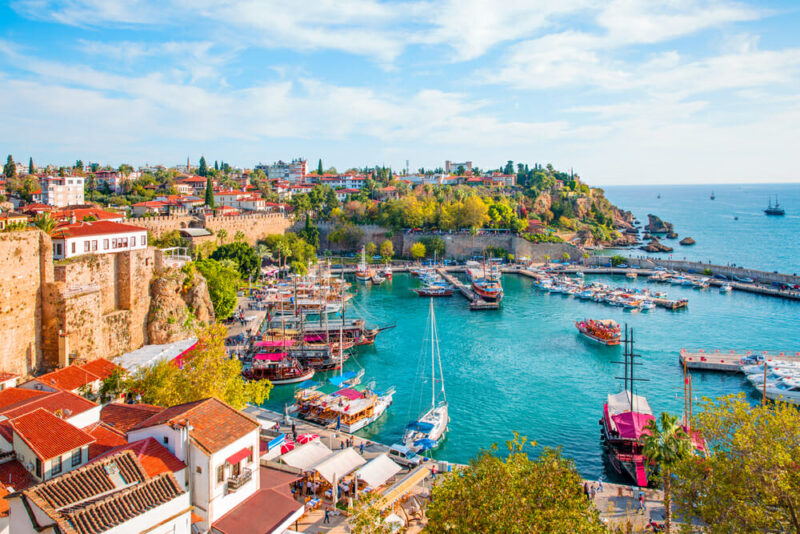
Autumn in Turkey ─ Comfortable, Cultural, and Cost-Efficient (September to October)
Autumn quietly rivals spring as the best overall time to visit Turkey. September still feels summery along the coast, but the oppressive heat fades. By October, temperatures settle into a comfortable range across most regions, making it easier to explore both cities and rural areas without rushing.
Crowds thin noticeably after August, particularly in resort towns. Domestic travel slows, international tour groups decrease, and popular attractions regain a calmer rhythm. Prices follow suit, especially for hotels that remain open after peak season.
Autumn is especially rewarding for cultural travel. Museums, historic neighborhoods, and traditional markets feel more authentic when they are not overloaded. Food culture also shines during this period, with harvest-driven dishes and local produce appearing across menus.
Autumn benefits include:
- Warm seas with cooler air temperatures.
- Reduced crowd pressure at major attractions.
- Better value for mid-range and boutique hotels.

Winter in Turkey ─ Quiet Cities and Selective Travel (November to February)
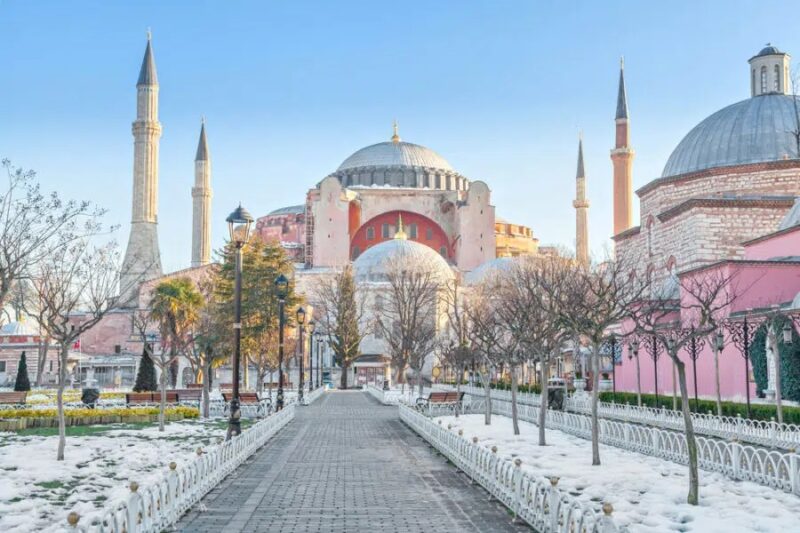
Winter travel in Turkey surprises many visitors. While coastal areas slow dramatically, cities like Istanbul remain lively year-round. Cooler temperatures make sightseeing more comfortable, and crowds drop to their lowest point outside of holidays.
Snow affects central and eastern regions, sometimes disrupting transport but also opening ski tourism opportunities. Cappadocia takes on a dramatically different character under winter conditions, quieter and visually striking. Prices during winter are typically at their lowest, excluding New Year periods.
This season suits travelers who prioritize atmosphere over beach weather. Museums, cafes, and local neighborhoods become the focus, and interactions often feel more relaxed and personal.
Winter considerations:
- Limited ferry services and reduced coastal operations.
- Lowest accommodation prices outside holidays.
- Weather variability requires flexible planning.
Price Trends in 2026 ─ What to Expect
Pricing in Turkey follows predictable seasonal cycles, but inflation and demand shifts make timing more important than ever. Flights rise sharply from June through August, and accommodation rates can double in resort areas. Shoulder seasons offer the best balance of comfort and value.
The table below shows general pricing trends based on season, assuming standard tourist routes and mid-range travel choices.
|
Season |
Accommodation |
Flights |
Overall Value |
| Spring | Moderate | Moderate | High |
| Summer | High | High | Medium |
| Autumn | Moderate | Moderate | High |
| Winter | Low | Low | Medium to High |
Outside of summer, travelers often gain access to better rooms, more flexible booking terms, and promotional offers that disappear during peak demand.
Timing Your Turkey Trip in 2026
Turkey does not have a single perfect season, but it has several very good ones if you choose intentionally. Spring and autumn consistently offer the strongest balance of weather, crowd levels, and pricing. Summer delivers energy and intensity at a cost, while winter rewards patience and curiosity.
Instead of asking when Turkey is best in general, ask when it is best for how you want to travel. Aligning timing with expectations is what turns a good trip into a memorable one. In 2026, flexibility remains your greatest advantage, and Turkey remains a destination that gives back far more when you arrive at the right moment.