

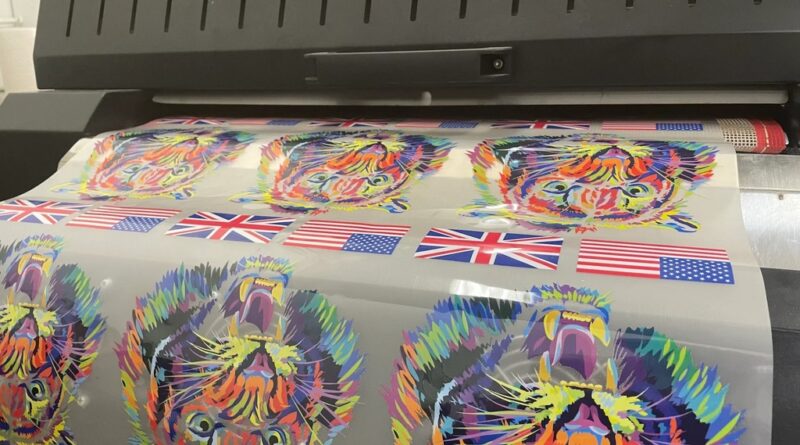
Direct-to-film (DTF) gang sheets have transformed how print shops and clothing brands manage bulk printing.
A gang sheet is essentially a large, continuous roll or sheet of film that contains multiple designs arranged in a single, optimised layout.
Instead of printing each design individually as a separate job, you print one long sheet that contains everything you need—whether that is fifty identical chest logos or a complex mix of neck labels, sleeve prints, and full-back designs.
Once printed, you simply cut the designs apart and press them onto garments as required.
This method significantly reduces production time, manual labour, and material waste.
It is one of the main reasons why dtf gangsheets have become a go-to solution for t-shirt printers, merchandise creators, and custom apparel brands looking to streamline their workflow.
Why Choose DTF Gang Sheets?
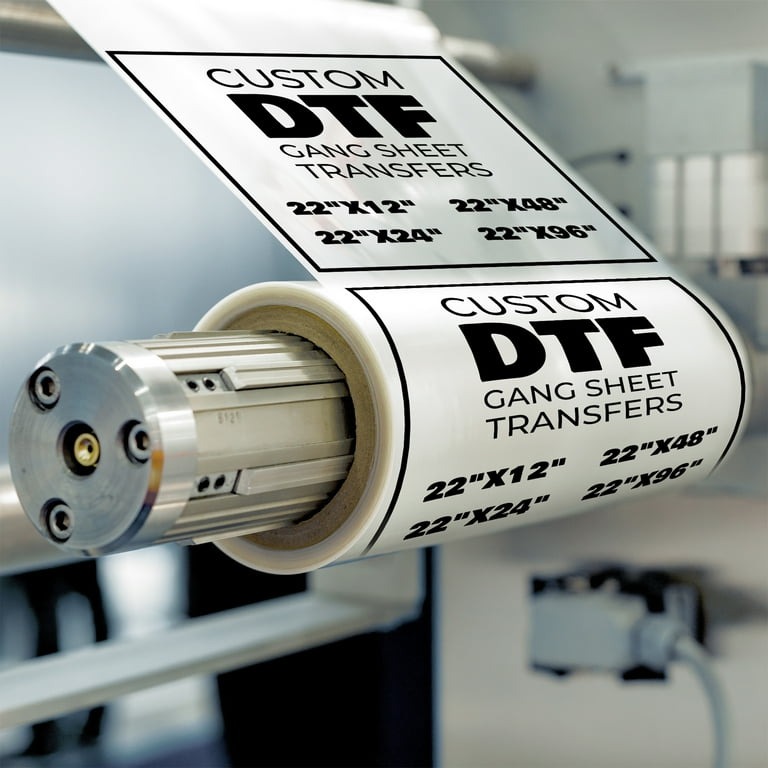
Efficiency and Cost Savings Gang sheets allow you to print multiple designs at once, making the process far more efficient than printing individual transfers.
You maximise the printable space by arranging various logos, graphics, and artwork together, often fitting dozens of images onto a single metre of film.
This reduces film waste, lowers ink usage, and decreases overall production time. For businesses handling frequent or varied orders, this translates into substantial cost savings and faster fulfilment.
Consistent Quality Every Time All designs printed on a gang sheet share the same colour profile, curing conditions, and print quality.
This ensures every garment in a batch looks identical regardless of size or fabric type.
For uniforms, sports kits, corporate wear, and event merchandise, consistency is a critical requirement that builds customer trust.
Faster Production Speed matters in modern garment printing, particularly for print-on-demand brands or businesses offering same-day or next-day services.
Gang sheets dramatically reduce setup and printing time. With designs arranged and printed in one go, production becomes quicker and more predictable, allowing you to say “yes” to tight deadlines.
Mastering the Art of File Preparation
To truly benefit from gang sheets, understanding file preparation is essential. The quality of the final print is directly tied to the quality of the uploaded file.
For the best results, artwork should always be exported at high resolution—typically 300 DPI (dots per inch)—to ensure crisp edges and vibrant colours.
Furthermore, designs must be saved with a transparent background, usually as a PNG or PDF file.
Creating a gang sheet also requires a strategic approach to layout. Designers should leave a small “safe zone” or gap between each image (usually about 10mm) to allow for easy cutting with scissors or a guillotine later.
By mastering these preparation steps, you avoid pixelation and ensure that every inch of the paid-for film is utilised effectively, preventing the disappointment of unusable prints.
When Should You Use DTF Gang Sheets?
Gang sheets are ideal for:
- Clothing brands launching new seasonal collections
- Merch for festivals, gigs, and events
- Custom uniforms for schools or sports teams
- Corporate branded apparel and promotional gifts
- Print-on-demand product ranges
- Multi-size orders containing identical graphics
Whether you’re running a small studio or a high-volume print shop, gang sheets help maintain efficiency across small and large orders alike.
How the DTF Gang Sheet Process Works
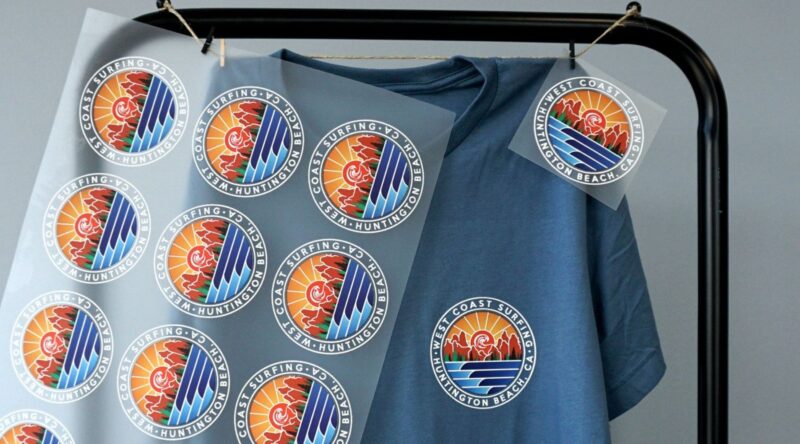
- Artwork Arrangement Your designs are placed onto one large template, ensuring that space is used as efficiently as possible. You can include many separate designs, duplicates, or size variations.
- Printing The full layout is printed onto a PET film using specialist DTF inks. The printer creates a mirror image of your artwork, ensuring it reads correctly once pressed.
- Powdering and Curing A layer of hot-melt adhesive powder is applied to the wet ink, then cured in a heat tunnel to create a ready-to-press transfer.
- Cutting Once cured, the gang sheet can be cut into individual pieces or stored as full sheets depending on your production method.
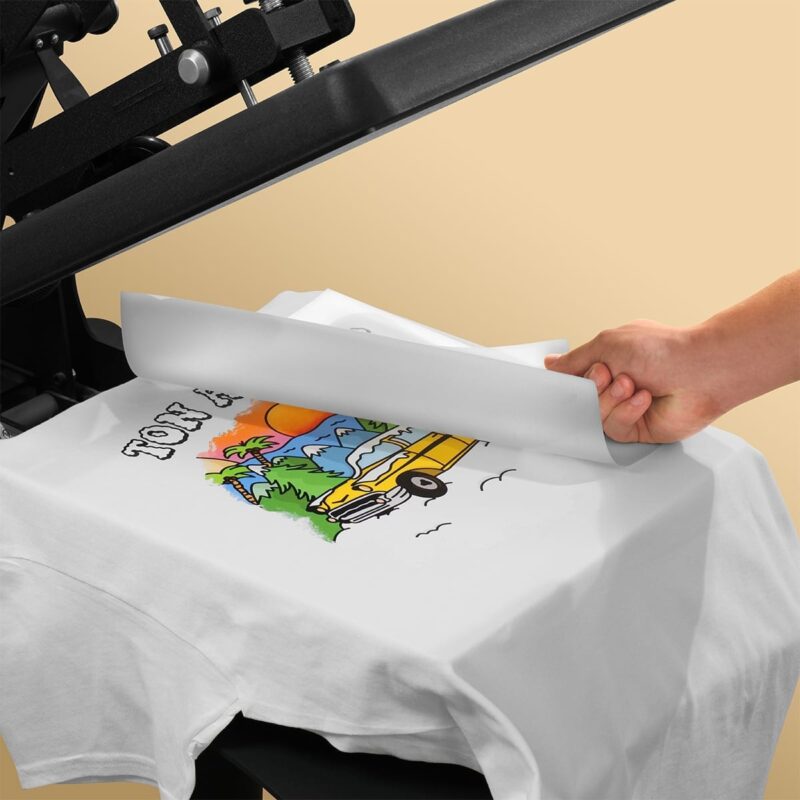
- Heat Press Transfer The transfers are applied to garments using a heat press. Pressing times and temperatures are consistent, making the process fast and reliable.
This streamlined workflow is one of the reasons DTF printing is overtaking more traditional methods like vinyl weeding or screen printing for small and medium-sized apparel production.
Strategic Inventory Management
One often overlooked benefit of gang sheets is how they revolutionise inventory management.
Instead of holding stock of pre-printed t-shirts that may never sell (tying up cash and space), businesses can simply store the gang sheets.
The film takes up minimal space and has a long shelf life.
This allows for a reactive business model: you only press the shirt when the customer buys it.
This “print-on-demand” capability drastically reduces financial risk, allowing brands to offer a wider variety of designs without the fear of being left with dead stock.
Key Benefits of Using DTF Gang Sheets
Reduced Waste Because you control the entire layout, you can fill every inch of the sheet with artwork.
This maximises material usage and reduces waste.
Lower Production Costs Printing multiple designs at once lowers your material and energy costs.
It also reduces manual labour because fewer individual sheets need to be handled.
Versatility DTF transfers can be applied to cotton, polyester, blends, denim, and even leather.
This flexibility makes gang sheets suitable for wide-ranging product lines.
High Durability DTF prints are known for their stretch resistance and long-lasting vibrancy.
When pressed correctly, they withstand repeated washing without cracking or fading.
Tips for Getting the Most from Gang Sheets

- Plan your artwork layout carefully to maximise space; rotate images to fit gaps.
- Use consistent press settings to avoid under- or over-pressing.
- Store sheets flat in a cool, dry place to prevent creasing or humidity damage.
- Label cut pieces for better organisation during high-volume jobs.
- Run test presses on each new fabric type for accuracy.
Good organisation and consistent pressing techniques ensure high-quality results every time.
Who Benefits Most from Gang Sheets?
Gang sheets are particularly useful for:
- Start-up clothing brands needing low-cost bulk production
- Event merchandise suppliers requiring fast turnaround
- Schools and sports teams ordering mixed sizes
- Corporate apparel providers
- Print-on-demand shops offering varied designs
In each case, the main advantages are reduced cost, better organisation, and faster turnaround.
Why Use DTF Gangsheets from a Reliable Supplier?
The quality of the film, ink, and powder used by your supplier dictates the longevity of your product. Ordering high-quality gang sheets ensures:
- Better colour accuracy and vibrancy
- Stronger adhesion to difficult fabrics
- Long-lasting prints that survive the wash test
- Fewer production issues like peeling or ghosting
- Consistent results across large orders
For reliable, professional-grade materials, you can explore dtf gangsheets which offer per-metre ordering.
This gives you complete flexibility whether producing a small batch or a large collection.
Conclusion
DTF gang sheets are one of the most efficient and cost-effective ways to manage bulk printing.
They allow you to create multiple designs in a single print run, reduce waste, ensure colour consistency, and significantly speed up production.
By shifting to this method, businesses can scale their operations without investing in expensive printing hardware.
Whether you’re a small clothing startup, a print shop expanding services, or a business creating event merchandise, gang sheets offer a practical and scalable solution.
By choosing a reputable supplier and using smart layout and pressing techniques, you can improve output quality, reduce costs, and deliver products quickly and reliably.
To get started, explore the options available and begin transforming your garment printing process today.