

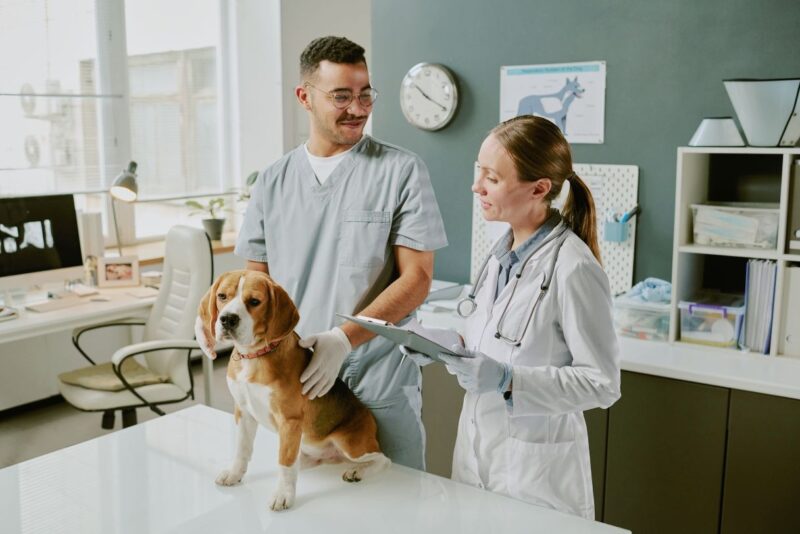
It is tempting to pick the closest clinic and call it a day, especially when life is busy. Location does matter, but veterinary care is not the same as grabbing groceries.
This is a long term relationship that can span years, sometimes decades. The clinic you choose will guide preventive care, spot early warning signs, and support you during stressful moments.
A good veterinary clinic becomes familiar with your pet’s baseline behavior, medical history, and subtle changes over time.
That continuity can make a real difference in diagnosis and treatment outcomes.
Convenience helps with routine visits, but trust, communication, and medical standards matter far more when your pet is sick or injured. Taking a bit of time upfront saves stress, money, and emotional strain later.
The good news is that with a little structure and the right questions, you can make a confident choice from the very beginning and avoid that uncomfortable second guessing later.
Start with reputation and transparency in your local area

One of the most reliable starting points is reputation, but not just star ratings alone. Look for detailed reviews that mention how the staff communicates, how emergencies are handled, and whether follow ups feel thorough. Patterns matter more than individual complaints.
In many communities, clinics like Long Beach Animal Hospital are often recommended not only because of location, but because pet owners consistently mention clear explanations, realistic treatment plans, and a sense of partnership rather than pressure.
When a clinic openly explains pricing, diagnostic options, and timelines, it signals confidence and respect for clients.
Transparency is a core part of trust, and it aligns closely with what veterinary boards and professional guidelines consider best practice.
A clinic that welcomes questions before your first appointment is usually one that values informed pet owners.
Evaluate the medical team and their experience
A clinic is only as strong as the people working inside it. Beyond credentials on a website, pay attention to how the team functions together.
Are veterinarians supported by licensed technicians? Is there visible coordination during appointments? Experience shows in small details.
During your first interaction, notice whether the veterinarian explains reasoning behind recommendations or simply lists procedures.
Good clinicians balance medical expertise with clear, calm communication. They acknowledge uncertainty when it exists and explain alternatives rather than presenting a single path.
Services offered and how well they fit your pet’s needs
Not every clinic needs to offer everything, but the range of services should match your situation.
A young healthy pet has different needs than a senior animal or one with chronic conditions. Ask what is handled in house and what requires referral.
Common services to clarify include:
- Preventive care and vaccination protocols tailored to lifestyle
- Diagnostic tools such as blood work, ultrasound, or digital imaging
- Dental care and anesthesia monitoring standards
- Emergency or after hours care options
A clinic that clearly outlines what they do well and where they refer out shows professionalism. Overpromising is often a warning sign.
Thoughtful referrals are not a weakness, they are part of responsible care.
Clinic environment, hygiene, and stress handling

Your senses can tell you a lot during a visit. Cleanliness is obvious, but so is how stress is managed. Veterinary clinics are inherently stressful places for animals, so watch how staff handle nervous pets and anxious owners.
Look for signs of low stress handling, such as quiet voices, gentle restraint, and allowing pets time to acclimate.
Separation of waiting areas for cats and dogs is another positive indicator. These practices are supported by behavioral research showing that reduced stress improves exam accuracy and overall outcomes.
Did you know? Elevated stress hormones in pets can temporarily alter heart rate, hypertension, and even blood test results, which can complicate diagnosis if not managed properly.
Understanding pricing, estimates, and communication style
Money is an uncomfortable topic, but avoiding it helps no one. A trustworthy clinic discusses costs openly and provides written estimates before treatment whenever possible.
That does not mean the cheapest option, but a clear explanation of value.
Here is a simple way to compare communication around pricing:
| What to look for | Why it matters |
| Written estimates | Prevents surprises and builds trust |
| Multiple options | Allows informed decision making |
| Clear follow up costs | Helps plan long term care |
After reviewing an estimate, the staff should invite questions without pressure.
Clinics that rush this conversation often create anxiety later. Transparency here is a strong marker of ethical practice.
Emergency preparedness and continuity of care

Even if your pet is healthy, emergencies happen. Ask how urgent cases are handled and whether the clinic has protocols in place.
Some clinics offer extended hours, while others partner with local emergency hospitals.
What matters most is that this information is clearly explained before you need it. A clinic that plans for emergencies demonstrates responsibility and respect for clients. Continuity of care also matters. Ask how medical records are shared if referral is needed and whether follow ups are coordinated.
Smooth transitions reduce errors and stress, especially during critical situations.
Continuity of care refers to the consistent and coordinated management of a patient’s health over time, across different services and providers.
In veterinary medicine, this reduces diagnostic delays and improves treatment outcomes.
Making the final decision with confidence
After gathering information, trust your instincts, but ground them in facts. A good clinic feels collaborative rather than transactional.
You should leave feeling informed, not overwhelmed. The first visit is not just about vaccines or exams, it is about establishing a relationship built on communication and mutual respect.
If something feels rushed or unclear, it is okay to pause and ask more questions. Choosing a veterinary clinic is an investment in your pet’s quality of life.
Taking the time to evaluate experience, transparency, environment, and communication helps ensure that when you walk through that door, you are not just close to home, you are in capable hands that truly care.