

Lead generation has always been essential to business growth. At its core, it is about identifying potential customers and capturing their interest in a product or service.
What has changed is how this process is carried out.
For years, businesses relied on methods like cold outreach, trade shows, and broad advertising campaigns. While these approaches could still produce results, they were often inefficient. Companies spent significant time and resources reaching people who were not necessarily interested or relevant.
Today, expectations are different. Businesses need to move faster, target more precisely, and base decisions on real information rather than assumptions. This is where data scraping has become increasingly valuable. Instead of casting a wide net, companies can now identify specific individuals or organizations that are more likely to convert into customers.
How Modern Tools Simplify the Process
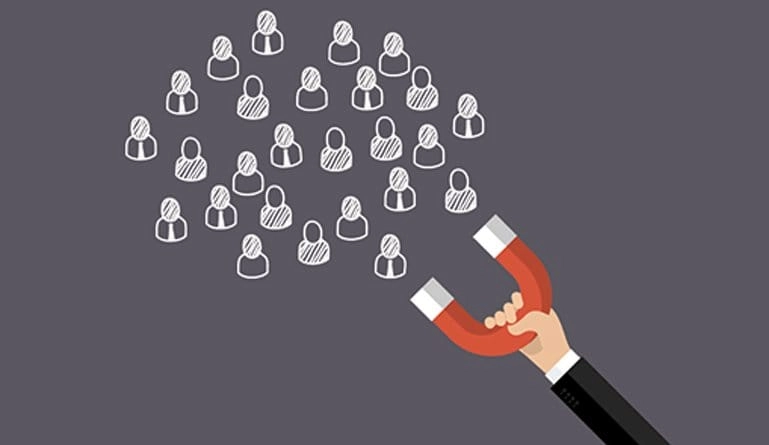
The complexity of data scraping used to be a barrier. It often required technical expertise and custom-built solutions, which limited its use to larger organizations.
That is no longer the case.
Modern platforms like Scrap.io have made the process accessible to a much wider range of users. Instead of building systems from scratch, businesses can use ready-made tools to extract, organize, and manage data efficiently.
This shift has opened the door for startups and smaller teams to compete with larger players. With the right tools, even non-technical users can build targeted lead lists and integrate them into their workflows without needing advanced skills.
Data Scraping in a Practical Sense
Data scraping refers to extracting information from websites and converting it into structured data that can be analyzed and used for decision-making.
In the context of lead generation, this means gathering useful details such as contact information, company profiles, and market signals from publicly available sources. The key difference compared to traditional research is speed and scale.
Rather than manually searching for each lead, businesses can automate the process and build large, relevant datasets in a fraction of the time. This allows teams to shift their focus away from repetitive data collection and toward more valuable activities like strategy, outreach, and conversion.
Why Traditional Methods Are No Longer Enough

Traditional methods still exist—but they struggle to keep up with modern expectations.
The main issue isn’t that they don’t work. It’s that they lack precision.
When businesses rely on outdated approaches, they often face:
- High costs with unclear ROI
- Limited ability to target specific audiences
- Slow data collection and outdated information
In contrast, data-driven approaches allow companies to act on real-time insights instead of assumptions. This shift is one of the main reasons data scraping has become so valuable.
The Real Value: Efficiency Meets Insight
One of the strongest advantages of data scraping is how it combines efficiency with insight. It is not just about collecting information faster – it is about collecting better information.
Automated data extraction significantly reduces the time spent on manual research, allowing teams to focus on engaging with leads rather than searching for them. At the same time, the data gathered provides a deeper understanding of the market.
Businesses can identify patterns, track trends, and even analyze competitor activity. This creates a more informed approach to lead generation, where decisions are guided by evidence instead of guesswork.
Another important factor is timing. With access to real-time or frequently updated data, companies can act quickly – often reaching potential customers before competitors do.
Where Valuable Lead Data Comes From
One of the reasons data scraping is so effective is the sheer volume of publicly available information online. Businesses are no longer limited to a single source when building their lead database.
Relevant data can be found across a wide range of platforms, including company websites, directories, social networks, and online marketplaces. Each source offers a different perspective, and when combined, they provide a more complete view of potential customers.
This multi-source approach allows businesses to move beyond basic contact information. They can understand who their prospects are, what they do, and how they behave – making outreach far more relevant and effective.
A Clear Comparison: Old vs Modern Lead Generation
To better understand the impact of data scraping, it helps to compare it directly with traditional approaches:
| Aspect | Traditional Lead Generation | Data Scraping Approach |
| Speed | Slow, manual processes | Rapid, automated collection |
| Targeting | Broad and generalized | Highly specific and data-driven |
| Cost | High due to labor and campaigns | Lower through automation |
| Data Quality | ხშირად outdated or incomplete | Continuously updated |
| Scalability | Limited by resources | Easily scalable across markets |
This comparison highlights a clear shift. Data scraping does not just improve lead generation – it transforms it into a more predictable and scalable process.
Turning Data Into Real Results
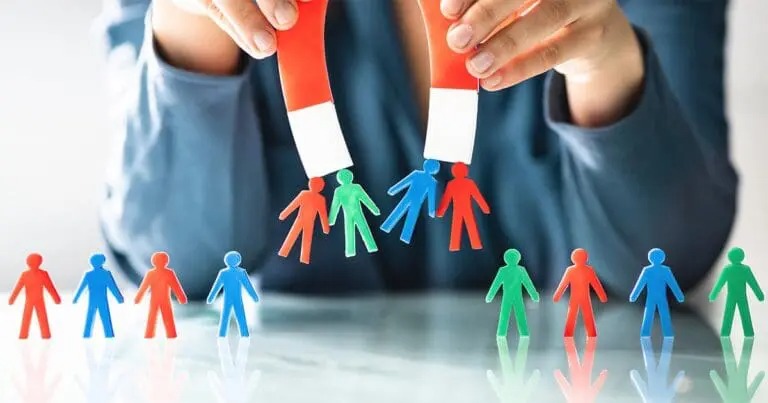
Collecting data is only part of the equation. The real value comes from how that data is used.
Businesses that succeed with data scraping typically focus on refining their targeting and personalizing their outreach. Instead of sending generic messages, they tailor communication based on specific insights gathered from the data.
For example, knowing a company’s size, recent activity, or industry position allows for more relevant conversations. This level of personalization improves engagement and increases the likelihood of conversion.
Additionally, structured data can be easily integrated into CRM systems, making it easier to track, manage, and nurture leads throughout the sales process.
Challenges and Responsible Use
While data scraping offers clear advantages, it also comes with responsibilities.
Businesses should be mindful of:
- Data accuracy and cleaning
- Compliance with platform rules
- Ethical use of publicly available data
Responsible use is essential, not just for legal reasons, but also for maintaining trust and long-term credibility.
Final Thoughts
Data scraping has redefined how businesses approach lead generation. What was once a slow and uncertain process is now faster, more targeted, and far more scalable.
By leveraging structured data and modern tools, companies can focus their efforts where they matter most – connecting with the right people at the right time.
In a competitive environment, that difference is not just an advantage. It is often the deciding factor between growth and stagnation.