

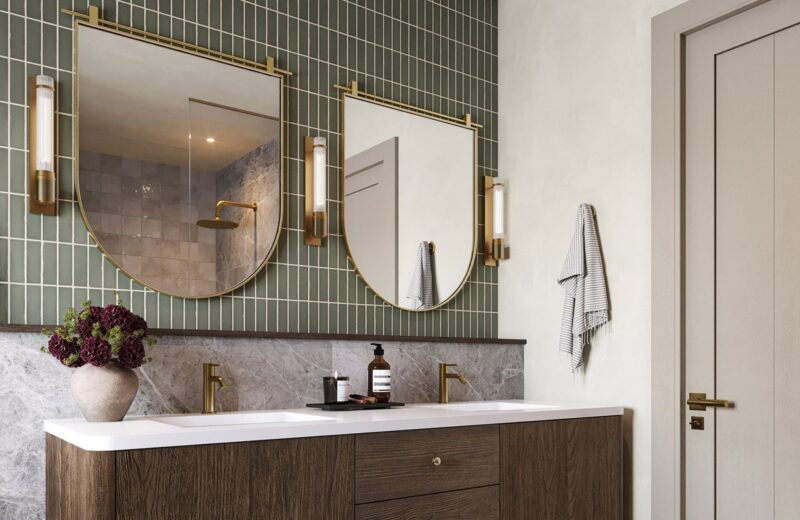
Sharing a bathroom with another person can be surprisingly emotional. At first, adding a second sink feels like an easy fix for toothbrush traffic jams and rushed mornings.
Then you sketch it out, look at your floor plan and suddenly start wondering: is a double sink bathroom vanity actually worth the space, money and plumbing, or is it just a pretty idea from Pinterest?
Part of the confusion comes from how often the phrase double vanity gets thrown around in real estate listings and remodeling shows.
It sounds like a must-have for couples, almost a relationship upgrade disguised as a piece of furniture. In reality, the answer is much more nuanced.
For some households, it is genuinely life changing. For others, it eats up countertop space, complicates cleaning and makes a small bathroom feel even tighter.
This article breaks down when a double sink bathroom vanity really helps, when it quietly makes things worse and how to decide which side of that line your home falls on.
When a double sink vanity actually helps couples
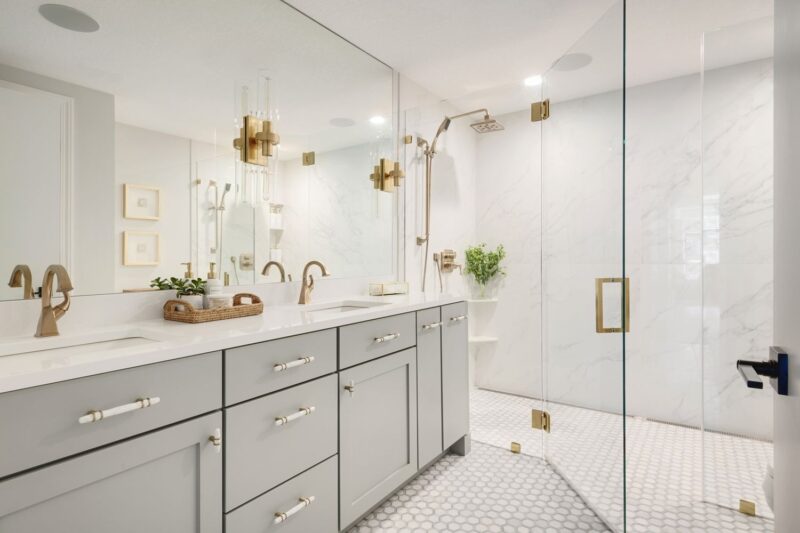
The classic argument in favor of two sinks is simple: if you and your partner often use the bathroom at the same time, sharing one tiny bowl can get old fast.
If one person is on an early shift while the other is getting ready for a later start, having two separate stations can reduce that background tension that nobody talks about but everybody feels.
It also helps when you have very different habits.
Maybe one of you likes a perfectly clear countertop with everything put away, while the other keeps a small army of skincare bottles and hair tools within reach.
Separate sinks with dedicated drawers and cabinets allow each of you to set up your own system without having to negotiate every bottle.
That sense of personal territory is not about being dramatic.
It is about avoiding small, daily annoyances that add up over years.
There is also a psychological benefit. In many homes the primary bathroom is one of the few truly adult spaces.
Walking into a room where the vanity clearly has two defined, well organized stations can feel like a small luxury at the start and end of the day.
You do not have to wait your turn to wash your face, and you are not constantly dodging your partner at the mirror.
The tradeoffs people forget to talk about
For all those benefits, a double sink vanity is not a free upgrade. The biggest tradeoff is countertop space.
Two bowls, two faucet sets and the plumbing that goes with them claim a lot of real estate.
On a shorter vanity, this can leave you with very little free surface between and beside the sinks.
Those beautiful wide empties you see in photos sometimes turn into two narrow strips where everyday items have nowhere to land.
Cleaning gets more complex too. Two sinks mean two drains that can clog, two sets of fixtures that collect water spots and twice as much area that needs wiping.
If your partner is not as diligent about wiping down their side after shaving or brushing, you may discover that what you gained in separate stations you lost in extra work.
Plumbing costs are another factor. Roughing in and connecting two sinks is simply more expensive than one.
If the bathroom is already built with one drain and one water line location, running new plumbing across the vanity wall can add a noticeable amount to your budget.
This is especially true if you are working with a slab foundation or a concrete floor where moving pipes is more invasive.
Finally, there is the issue of space. In a small master bath, squeezing in a double instead of choosing a single wide sink can make the whole room feel crowded.
Your hips might brush the counter when you move around, or the area in front of the vanity might feel too narrow for two people to stand there comfortably at the same time.
In those cases, the second sink does not feel like a luxury. It feels like a mistake.
How bathroom type changes the answer
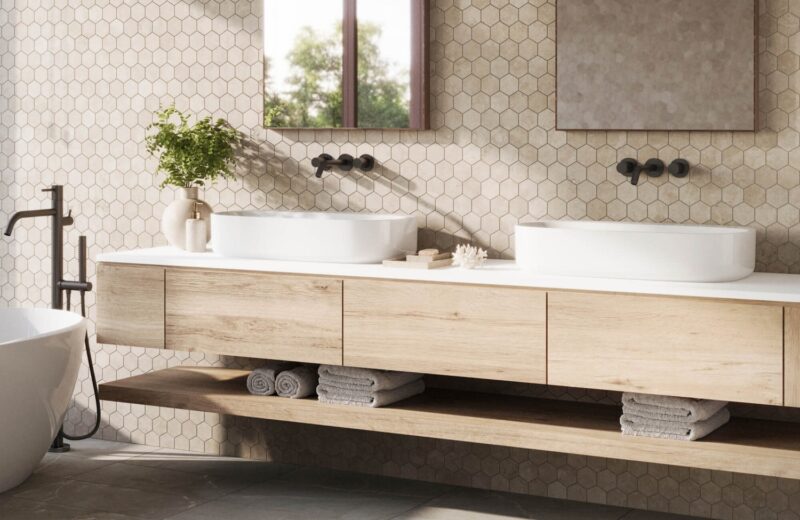
The same double sink that feels like a dream in one house can feel like a nuisance in another, largely because of the type of bathroom you are dealing with.
In a small master bath that barely fits a shower, toilet and vanity, a double is often too much.
Even if your contractor manages to cram two basins into a 48 inch cabinet, you may end up with bowls so close together that your elbows constantly bump.
The visual effect can be cluttered instead of calm, especially if there is no room for storage around or under the vanity.
In a full sized primary bath with a decent footprint, a double sink starts to make more sense.
If you can comfortably fit a 60 or 72 inch vanity with two sinks, actual counter space between them and decent drawers below, the layout can work well.
Here, the double can feel proportional to the room and genuinely support two people moving through their routines without dodging each other.
Jack and Jill bathrooms, which connect two bedrooms, are where a double vanity is almost expected.
Two sinks in this context help siblings get ready for school at the same time, and a shared counter can still leave room for personal zones.
The key is making sure the walkway between vanity, door and any separate tub or toilet compartment stays wide enough for kids to move without constant collisions.
Guest baths fall into a different category. In many homes guests do not use the bathroom heavily or with the same intensity that full time residents do.
A single well designed sink with a generous countertop and simple storage often serves visitors better than a cramped double.
It looks welcoming and is easier to keep decluttered between visits.
When one big sink is actually the better choice
There are plenty of scenarios where you are better off skipping the second sink entirely in favor of a single basin with more room around it.
If your bathroom is modest in size, a single large bowl with wide counter wings on either side can feel more luxurious than two tiny bowls squeezed together.
It gives you a place to set down hair tools, skincare and toothbrush chargers without stacking everything on top of each other.
A single sink can also unlock better storage. Without a second drain and trap to work around, your cabinet interior becomes simpler.
You can install wider drawers, full height pull outs or a combination of shelves and bins that actually work for the way you store things.
For many couples, being able to tuck clutter away cleanly is more important than having two separate basins.
Visually, one sink often looks calmer. Your brain reads fewer vertical interruptions in the countertop and fewer faucet elements, which makes the whole vanity wall feel less busy.
In smaller rooms that can be a big advantage, especially for resale. Many buyers would rather see one elegant sink with obvious storage than a double that feels forced.
A simple quiz to decide if a double sink vanity is worth it
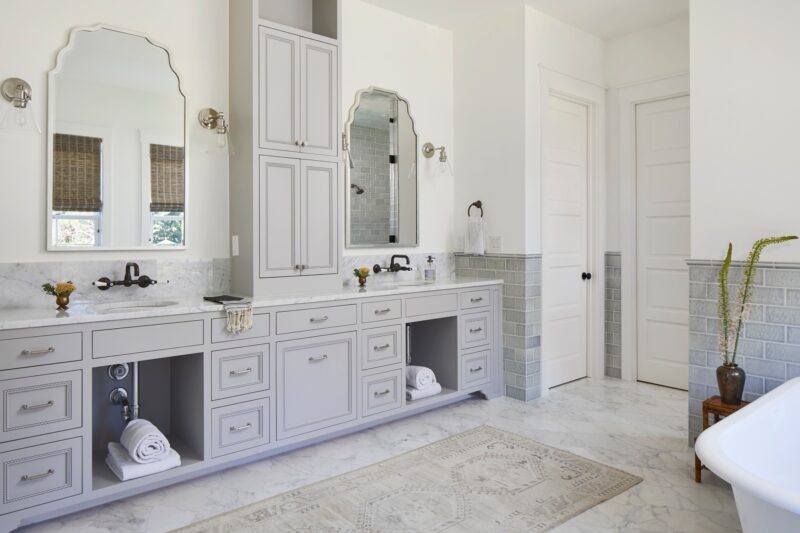
If you are torn between one and two sinks, walk through these questions honestly with your partner. Your answers will usually make the decision clearer.
- How often are both of you actually at the bathroom sink at the same time on a typical weekday morning or evening?
- Would gaining a second sink reduce real conflict, or would better storage and a slightly larger single vanity solve most of the frustration?
- Is your bathroom large enough that two adults can comfortably stand shoulder to shoulder in front of the vanity without feeling squeezed or blocking the doorway?
- Are you willing to give up some clear countertop space between and beside the sinks in exchange for having two basins, or is open counter area more important to you?
- Does your budget comfortably cover the extra plumbing and fixtures that come with a second sink, or would that money make a bigger difference elsewhere in the room, such as in the shower, tile or lighting?
- If you plan to sell within a few years, are buyers in your area likely to expect a double in a primary bath of your size and price point, or would a single high quality vanity still feel competitive in local listings?
- How honest can you both be about your habits around cleaning and clutter, and will two sinks mean twice the mess to wipe down, or will it genuinely help each of you manage your own space better?
If most of your answers point toward frequent shared use, a generous room size and a budget that can handle extra plumbing without stress, a double sink vanity is more likely to pay off in daily comfort and in buyer appeal later.
If instead you realize that your space is tight, your routines rarely overlap or you care more about open counters and storage than about the symbolism of two basins, a single wide sink is probably the smarter, calmer choice.
Final thoughts
The question of whether a double sink bathroom vanity is worth it for couples does not have a one size fits all answer.
It depends on your floor plan, your habits, your budget and your long term plans for the home.
Two sinks can absolutely make mornings easier and give each of you a bit of personal territory in the room you use to start and end your day.
They can also steal space, add cost and increase maintenance if the bathroom is not large enough or the layout is not carefully planned.
The most important step is not picking a side in the abstract debate, but looking honestly at how you live.
Picture your actual mornings, your actual bathroom and your actual tolerance for clutter and cleaning.
When you frame the decision that way, the right choice usually becomes obvious, and you can design a vanity that supports your relationship instead of simply adding more fixtures to the wall.