
Have you ever wondered how your smartphone could become part of a scientifically backed plan to support recovery from addiction?
For millions of people worldwide living with substance use challenges, digital tools are increasingly becoming a component of comprehensive care.
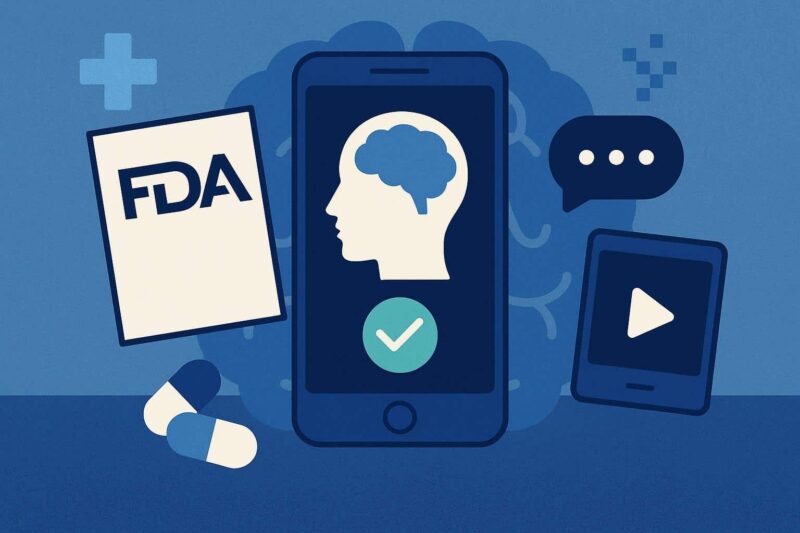
In the United States, the Food and Drug Administration (FDA) has started authorizing apps that act as prescription digital therapeutics.
These aren’t just “apps for tracking habits.” They are clinically evaluated software tools designed to treat or manage substance use disorder (SUD) and related conditions.
Unlike typical wellness apps, FDA authorization means these digital therapeutics have met rigorous criteria for safety and efficacy.
In this practical guide, we’ll explore what it means for an app to be FDA-authorized, which addiction recovery support apps have earned this distinction, how they fit into broader recovery strategies, and what to consider when thinking about using them.
What “FDA Authorization” Really Means for Apps

When an app gets FDA authorization, it means the product has gone through a formal regulatory review as a medical device intended for a therapeutic purpose.
This is far more than a basic health or mindfulness app that simply offers tips. To reach this level:
- Developers must provide evidence that the app produces meaningful clinical benefit based on research and trials.
- The software must show safety and measurable outcomes in specific populations and conditions.
- The FDA evaluates it under the Software as a Medical Device (SaMD) framework.
One important distinction is that most FDA-authorized addiction recovery apps are prescription digital therapeutics (PDTs).
This means a licensed provider prescribes them as part of a treatment plan, much like medication or therapy.
They are meant to complement traditional outpatient programs and not replace therapy or clinician oversight.
Because these apps have passed regulatory review, providers and patients can have confidence that what they use is grounded in clinical evidence, not just good intentions.
That level of trust matters when you’re navigating recovery and looking for every sustainable advantage.
Key Examples of FDA-Authorized Addiction Recovery Apps
In the relatively young field of digital therapeutics, a handful of apps have earned FDA authorization specifically for addiction-related treatment.
These are not general recovery trackers but clinically validated programs that support behavioral change and coping skills.
1. reSET and reSET-O
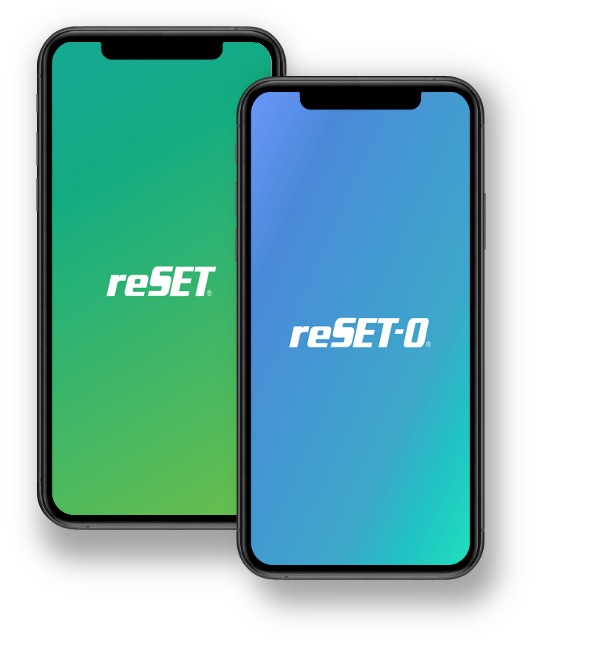
Originally developed by Pear Therapeutics and now under PursueCare, reSET and reSET-O are among the most well-recognized FDA-authorized digital therapeutics for addiction recovery. Designed as 90-day programs, they deliver structured cognitive behavioral therapy (CBT) modules through a smartphone interface.
- reSET focuses on a range of substance use disorders, including alcohol, cocaine, marijuana, and stimulants.
- reSET-O expands this approach specifically to opioid use disorder (OUD).
- Both apps offer interactive lessons, skill-building exercises, and behavior reinforcement tools.
- They are intended to be used alongside outpatient care and clinician supervision.
What sets these apart is that they function much like digital homework tied to evidence-based therapy. Patients work at their own pace through CBT-based lessons with contingency management elements designed to reinforce progress.
Did you know?
The use of CBT in digital therapeutics like reSET is grounded in decades of research showing that structured behavioral interventions can reduce relapse risk and enhance coping skills.
2. How Connecting Traditional Care with Digital Tools Works
These digital therapeutics are not standalone treatments. Instead, they are prescribed and integrated into a larger care plan.
Clinicians track patients’ self-reported cravings, behaviors, and completion of exercises.
That data can help inform adjustments in overall treatment, whether that means medication-assisted treatment, counseling, or therapy.
If you or someone you know needs structured drug help, combining FDA-authorized digital therapeutics with proven clinical care can be a powerful strategy for long-term recovery.
These digital tools work best when part of a personalized treatment journey that includes medical oversight, emotional support, and community engagement.
How These Apps Fit Into Addiction Recovery Programs
FDA-authorized addiction recovery apps are designed to complement evidence-based care, not replace it.
When incorporated thoughtfully, they can reinforce coping strategies, support habit change, and provide structured engagement between therapy sessions.
Here’s how they typically fit into a recovery plan:
- Prescription and onboarding
A healthcare provider assesses appropriateness and writes a prescription for the digital therapeutic. This ensures clinical oversight. - Structured therapeutic content
Users complete modules based on CBT, fluency training, and behavioral reinforcement. These build skills for identifying triggers and managing cravings. - Feedback loop with providers
Many apps allow patient-reported data to be shared with clinicians. This helps guide face-to-face or telehealth therapy, making sessions more targeted. - Incentive mechanisms
Some incorporate contingency strategies that reward positive behaviors like lesson completion or negative drug screens, helping boost engagement.
Because addiction often involves complex psychological and social factors, the structured environment of a digital therapeutic provides daily interaction that bridges gaps between therapy sessions and appointments.
This consistency is one of the reasons these tools can help sustain motivation and build reliable routines.
Comparing FDA-Authorized Apps and Other Recovery Tools
It’s useful to contrast FDA-authorized digital therapeutics with more common recovery apps or supportive tools.
Not every app on the market has gone through the clinical validation process required for FDA authorization.
| Feature | FDA-Authorized Digital Therapeutics | General Recovery Apps |
| Clinical evidence required | Yes | No |
| Prescription needed | Usually | Not required |
| Intended therapeutic use | Treat or manage specific disorders | Supportive or educational |
| Regulatory review | FDA authorization | Not regulated |
| Clinical integration | Yes | Optional |
FDA-authorized tools meet high standards of evidence and safety. General recovery apps can be valuable for peer support or habit tracking, but they are not evaluated as medical interventions.
Understanding this distinction helps people choose tools that align with their goals and clinical needs.
What to Consider Before Using an FDA-Authorized App
Before integrating an FDA-authorized app into a recovery plan, there are practical questions to work through with your provider. These apps are powerful, but match their use to your individual situation.
- Is the app appropriate for your specific type of substance use disorder?
Not every app is suitable for all conditions. Some are specific to opioid use disorder, others to broader substance use. - How will it fit with your current care plan?
Digital therapeutics are designed to supplement therapy, not replace counseling, medication, or community support. - What are the requirements for engagement?
Apps often have structured timelines and completion expectations. - Does your clinician have experience with digital therapeutics?
Not all providers are familiar with integrating these tools yet. Guidance can improve outcomes.
As you and your care team evaluate these questions, remember that FDA authorization means you’re considering a clinically validated tool rather than an unsupervised app.
The Evidence Behind Digital Therapeutics for Substance Use

Digital therapeutics like reSET and reSET-O are rooted in cognitive behavioral therapy, one of the most studied behavioral health approaches.
CBT helps individuals identify patterns of thought that contribute to harmful substance use and equips them with new coping mechanisms.
Research on digital therapeutics shows promise for sustaining engagement and reinforcing clinically supported strategies. While the field is still evolving, FDA-authorized apps represent an important step in medicine’s digital transformation.
As technology advances and regulatory pathways for digital therapeutics expand, we can expect more sophisticated and targeted software-based treatments. This evolution helps bring evidence-based care into the daily lives of people who may otherwise struggle to access consistent support.
Supporting Recovery with Regulated Digital Tools
The integration of FDA-authorized apps into addiction recovery programs represents a meaningful shift in how technology complements therapy.
These tools are not magic bullets, but they serve as clinically validated components of comprehensive care.
By reinforcing coping skills, providing structured lessons, and offering data that supports clinician oversight, they help bridge gaps between appointments and empower users to stay engaged with their recovery process.
Alongside traditional outpatient therapy, peer support groups, medication-assisted treatment, and social support networks, FDA-authorized digital therapeutics offer a promising option in the broader toolkit for recovery.
Frequently Asked Questions
Are FDA-authorized addiction recovery apps covered by insurance?
Coverage depends on the insurer. Some US health plans reimburse prescription digital therapeutics, while others require out-of-pocket payment.
How is user data protected in FDA-authorized recovery apps?
These apps follow medical data regulations such as HIPAA, using encryption and controlled access for patient information.
Can FDA-authorized recovery apps be used outside the United States?
FDA authorization applies only in the US. Availability elsewhere depends on local medical regulations and approvals.
Are these apps meant for early recovery or long-term support?
They are most often prescribed during early or mid-stage recovery, but suitability depends on clinical assessment.
How much daily use is typically required?
Most programs recommend brief daily engagement, designed to fit into normal routines rather than require constant use.