

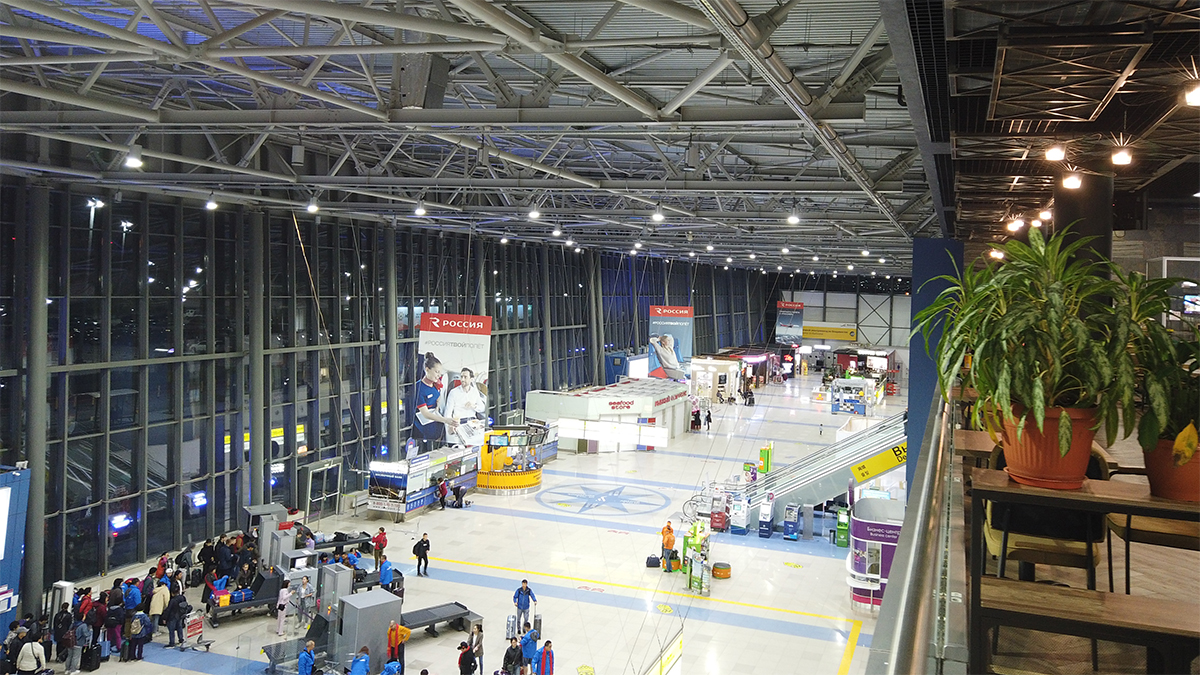
Walk into a warehouse, aircraft hangar, indoor sports hall, or manufacturing plant, and one thing becomes obvious fast: lighting carries a lot of the workload. In large facilities with tall ceilings, poor lighting creates problems that show up everywhere, from missed labels and slow picking times to eye strain, safety risks, and uneven work quality. High bay lighting exists for a reason.
It is built for spaces where standard fixtures simply do not reach far enough or distribute light well enough.
For facility managers, contractors, operations teams, and owners, choosing the right setup is not only about brightness. Mounting height, beam spread, glare control, fixture spacing, maintenance access, and energy performance all shape how well a system works day after day.
What High Bay Lighting Actually Means
High bay lighting refers to fixtures designed for ceilings generally above 20 feet. For example, anyone researching LED high bay options for tall-ceiling spaces will usually notice how product lines split into different outputs, form factors, and commercial-grade builds.
In many real-world facilities, mounting heights land somewhere between 25 and 45 feet, though some spaces go even higher.
A regular office or retail fixture would struggle in that kind of environment. Light would scatter, fade before reaching the floor properly, or create patchy coverage. High bay fixtures are made to push usable light down into active work zones while keeping distribution controlled.
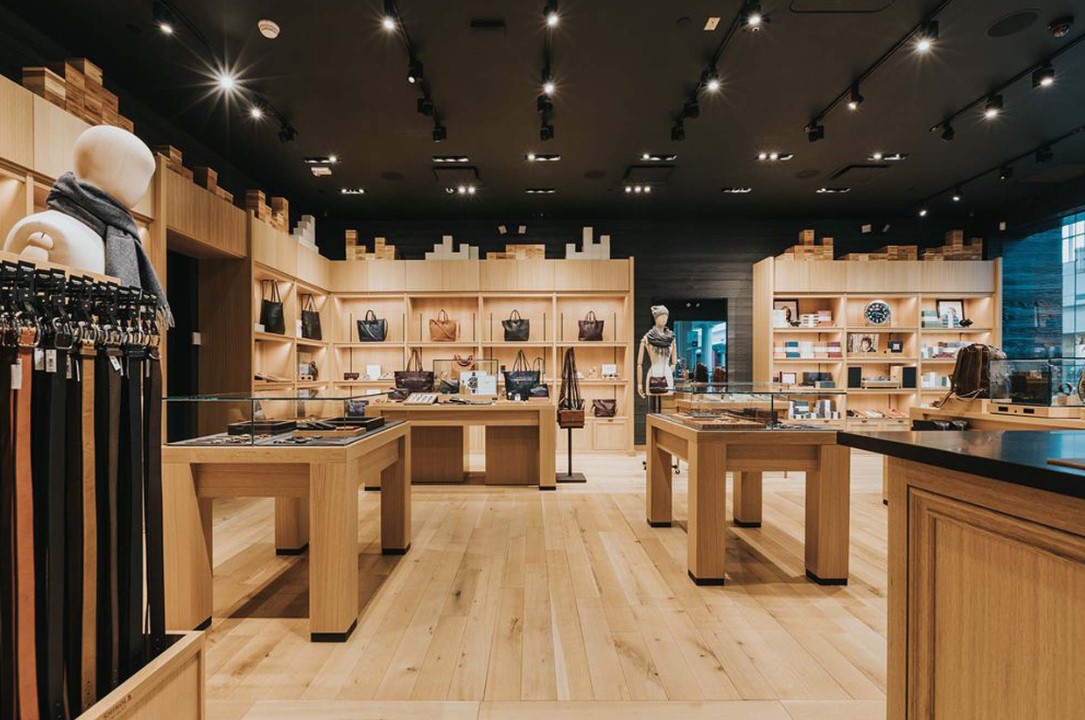
Common facilities that use high bay lighting include:
- Warehouses and fulfillment centers
- Manufacturing plants
- Distribution hubs
- Gymnasiums and indoor courts
- Convention halls
- Cold storage buildings
- Aviation maintenance spaces
- Large retail stockrooms
Ceiling height is the first clue, though floor activity matters just as much. A storage area with occasional foot traffic needs a different result from a packaging line where workers read small print for hours.
Core Design Factors That Shape Performance
Mounting Height
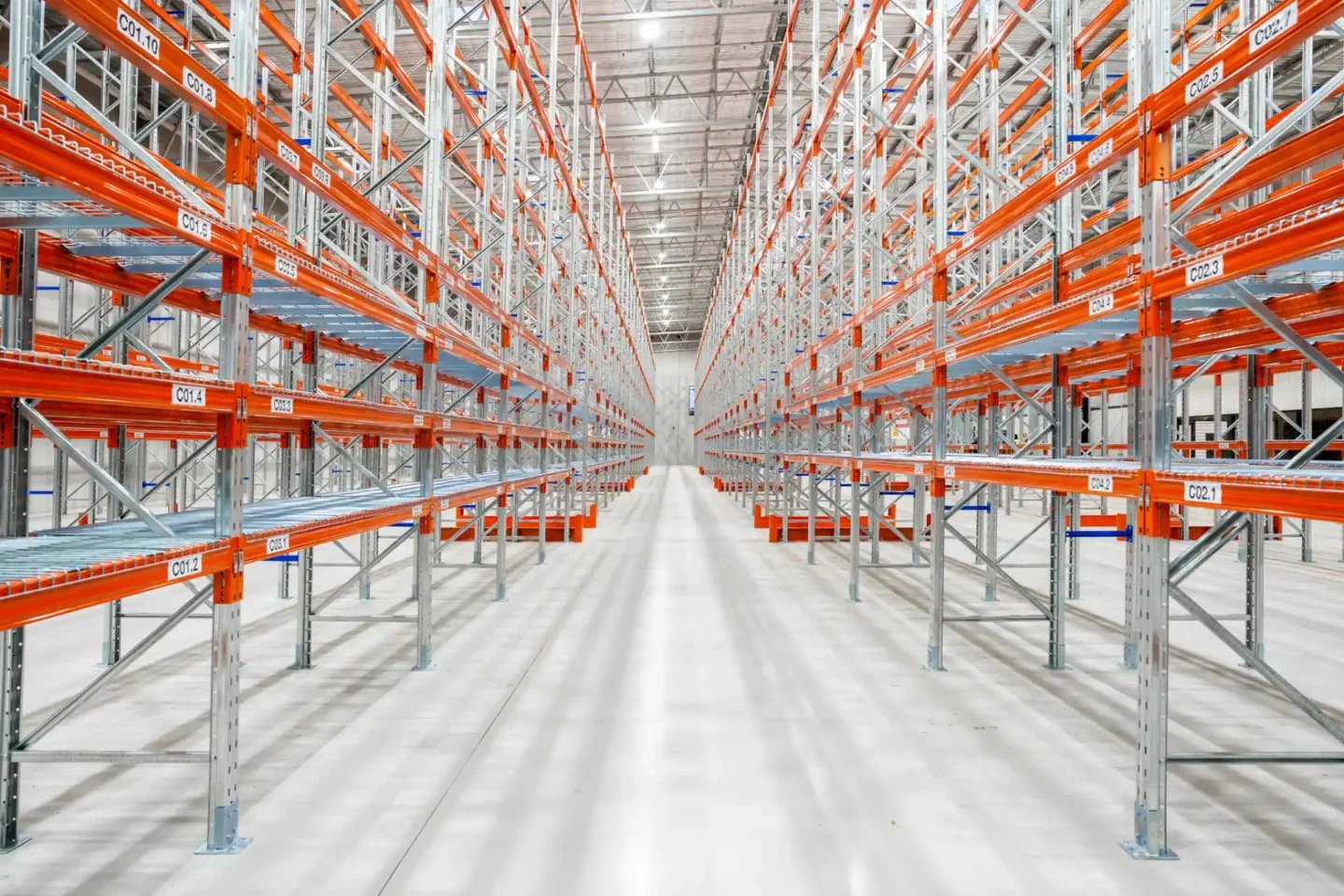
Mounting height influences nearly every design choice. A fixture installed at 22 feet needs a different beam pattern from one mounted at 38 feet. Put a wide beam too high, and the floor may look washed out in some places and dim in others. Put a narrow beam too low, and the light can feel spotty and intense.
Beam Angle
Beam angle controls how light spreads. Narrow beams concentrate light into tighter zones, which works well for very tall mounting heights or aisle-focused layouts. Wider beams suit open floor plans where broad, even coverage matters more.
Aisled warehouses often benefit from optics designed for linear rows. Open industrial floors usually need wider distribution.
Lumen Output
Lumens measure how much visible light a fixture produces. Higher ceilings usually require higher lumen packages, though raw output alone never tells the full story. Optics, spacing, reflectance, and task type all matter.
Color Temperature
Many facilities use lighting in the 4000K to 5000K range. That tends to support alertness and visual clarity without feeling too yellow.
- 4000K often feels balanced and neutral
- 5000K feels cooler and sharper
- Lower color temperatures can feel softer, though they are less common in industrial spaces
Color Rendering
Color rendering matters more than many buyers expect. In areas where workers identify wires, labels, packaging, finishes, or warning markings, decent color accuracy helps reduce mistakes.
Glare Control
A bright fixture is not automatically a useful one. Excess glare can make work harder, especially in facilities with polished floors, metal racks, screens, or frequent upward viewing angles. Lenses, reflectors, shielding, and proper placement all help keep glare in check.
LED vs Older Technologies
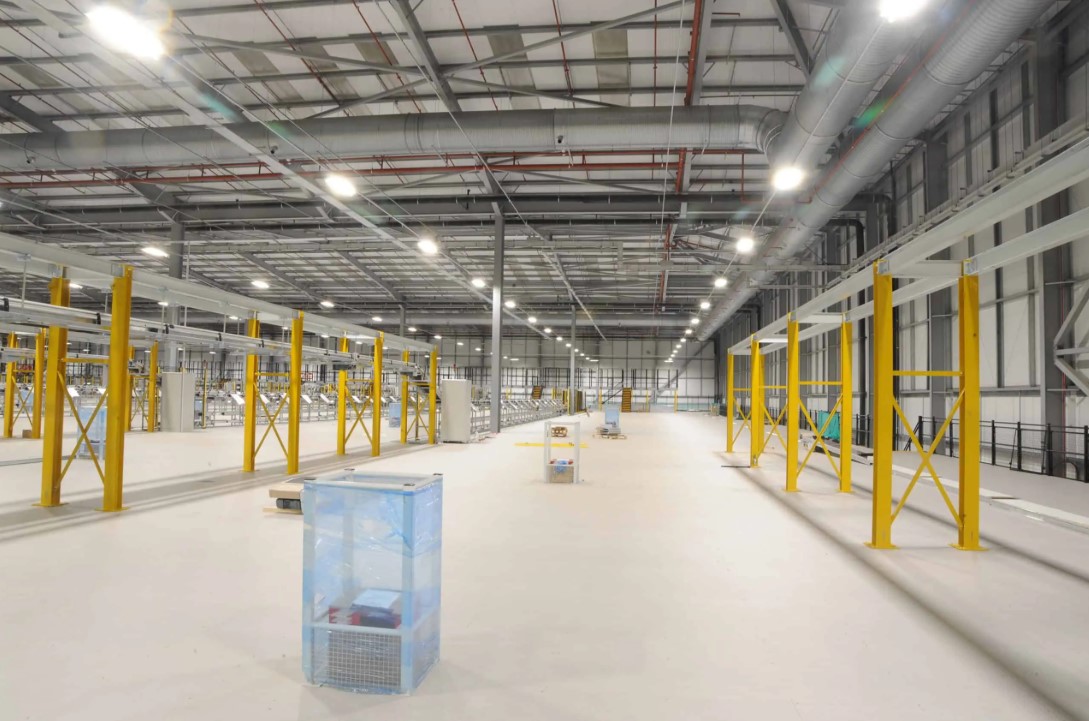
In many large facilities, LED has become the go-to option for a pretty practical reason: it solves a long list of headaches.
Older systems such as metal halide or fluorescent high bays can still be found in legacy buildings. They often bring slower warm-up, more frequent relamping, higher energy use, and noticeable lumen depreciation over time. Anyone who has walked into a warehouse with half the metal halide fixtures at different brightness levels knows the vibe. It is rough.
LED high bay systems usually offer:
- Faster full output
- Better energy efficiency
- Longer service life
- More stable light quality
- Easier control integration
- Lower maintenance frequency
Maintenance savings matter a lot in tall buildings. Changing one failed lamp may require a lift, labor scheduling, a shutoff plan, and temporary disruption below.
Practical Applications by Facility Type
Warehouses and Distribution Centers
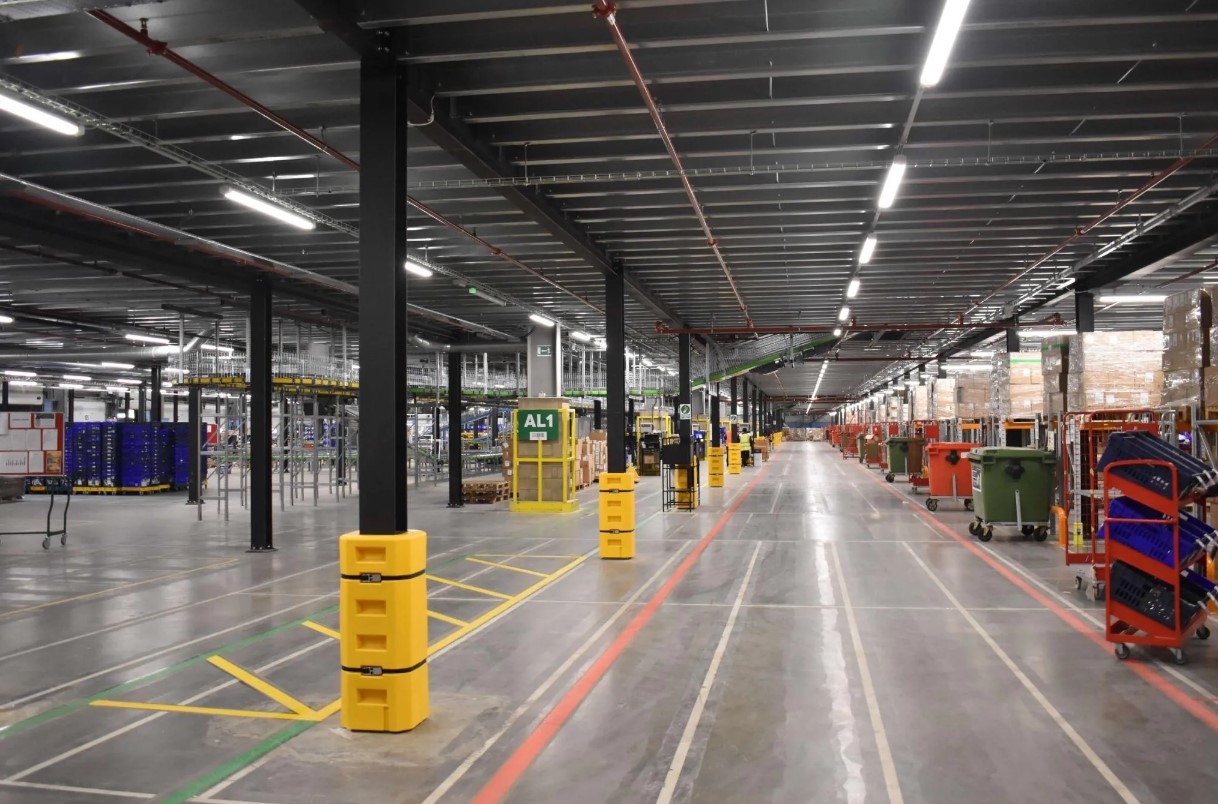
Warehouses often need strong vertical illumination as well as floor lighting. Workers must see labels on racks, scan barcodes, and move safely through long aisles. Optics designed for aisle patterns can improve visibility without wasting light across unused upper space.
Manufacturing Facilities
Manufacturing spaces vary widely. Some need broad ambient light across open production zones. Others need extra task lighting layered onto high bay coverage. In facilities with moving equipment, reflective surfaces, or inspection stations, glare control becomes especially important.
Sports Facilities and Gymnasiums
Sports lighting needs even coverage, visual comfort, and good durability. Players, referees, and spectators all experience the space differently. Fixtures placed too low or with poor shielding can create distracting brightness when people look upward during play.
Cold Storage and Harsh Environments
Cold storage spaces benefit from fixtures that handle low temperatures reliably. Moisture resistance, sealed housings, and dependable startup performance matter here. Service calls in refrigerated environments are expensive and annoying, so durability counts.
Sample Lighting Priorities by Space Type
| Space Type | Priority | Design Focus |
| Aisle warehouse | Rack visibility | Narrow optics, row alignment |
| Open factory floor | Even task visibility | Balanced spacing, glare control |
| Gymnasium | Visual comfort during upward viewing | Shielding, uniform coverage |
| Cold storage | Reliability and maintenance reduction | Sealed fixtures, durable drivers |
Controls and Energy Strategy
Controls can make a strong system even stronger. Motion sensors, occupancy sensors, daylight harvesting, and zoning help cut waste in spaces that are not active all day.
For example, a distribution center may keep shipping lanes at full output during peak hours while dimming overflow storage zones until movement is detected. A facility with skylights can use daylight-responsive controls near perimeter areas.
Control strategy works best when planned from the start. Adding it later is possible, though it often gets clunkier and more expensive.
Final Thoughts
High bay lighting supports the way large facilities function every hour of the day. Good design helps people work safely, move efficiently, and see what they need without strain or guesswork. Ceiling height starts the conversation, though the best results come from looking deeper at layout, tasks, environment, controls, and maintenance realities.
A strong lighting plan does not need to be flashy. It needs to be accurate, durable, and suited to the space it serves. In a large facility, that goes a long way.