

Have you ever noticed how most home emergencies never feel sudden in hindsight? A leaky ceiling, a dead router, a furnace that quits on the coldest night of the year, they almost always leave clues long before something fails.
According to insurance industry data, routine maintenance can prevent a large share of household damage claims, yet it is one of the most commonly skipped responsibilities. The problem is not effort, it is timing.
Knowing what to check and when turns home maintenance from a stressful reaction into a predictable system.
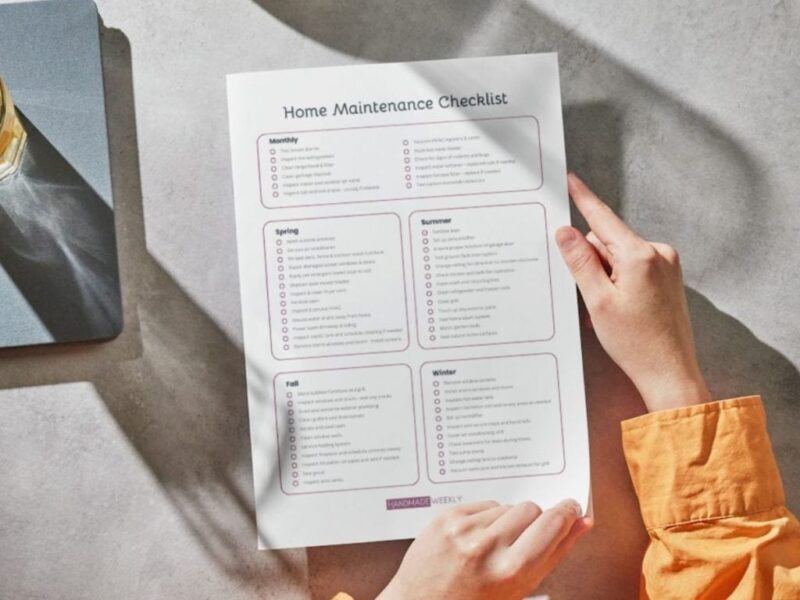
This guide breaks that system down into monthly, seasonal, and annual actions you can actually keep up with, especially in a modern, tech driven home.
Why a structured home maintenance checklist actually works
Most homeowners know maintenance matters, but vague reminders like “check the house more often” rarely lead to action. A structured checklist works because it reduces mental load. Instead of wondering what might go wrong, you follow a clear routine that fits into your calendar.
In tech focused households, systems are interconnected. A small issue in one area can ripple into others, such as moisture problems affecting smart sensors or unstable power impacting network hardware. Treating your home like a system rather than a collection of rooms helps prevent those chains of failure.
A good checklist also creates predictability. Monthly tasks stay light, seasonal tasks align with weather shifts, and annual tasks focus on deeper inspection.
Key advantages of a structured approach include:
- Fewer emergency repairs and surprise expenses
- Better performance of smart home and electrical systems
- Longer lifespan for major components and appliances
Once the rhythm is established, maintenance becomes routine rather than reactive.
Monthly maintenance essentials for modern homes
Monthly checks are about early detection. You are not fixing major issues here, you are spotting small changes before they escalate. These tasks should take no more than an hour once you know what to look for.
Start with a quick visual sweep of key areas. Look for signs of moisture, unusual noises, or changes in performance from appliances and connected devices. Smart homes make this easier because many systems already collect data for you.
A focused monthly checklist might include:
- Checking HVAC filters and replacing if airflow looks restricted
- Inspecting visible plumbing connections for moisture or corrosion
- Testing smoke detectors and smart alarms for responsiveness
- Reviewing router placement and signal strength in high use rooms
Did you know: Many smart thermostats track HVAC runtime. A sudden spike in usage can be an early sign of inefficiency or a mechanical issue, even before comfort drops.
Keeping monthly tasks light makes consistency realistic, which is where most maintenance plans succeed or fail.
Roof, exterior, and structural checks that should not wait
The exterior of your home absorbs the most environmental stress, yet it is often ignored until damage becomes obvious. Small exterior issues tend to grow quietly, especially in areas you do not see every day.
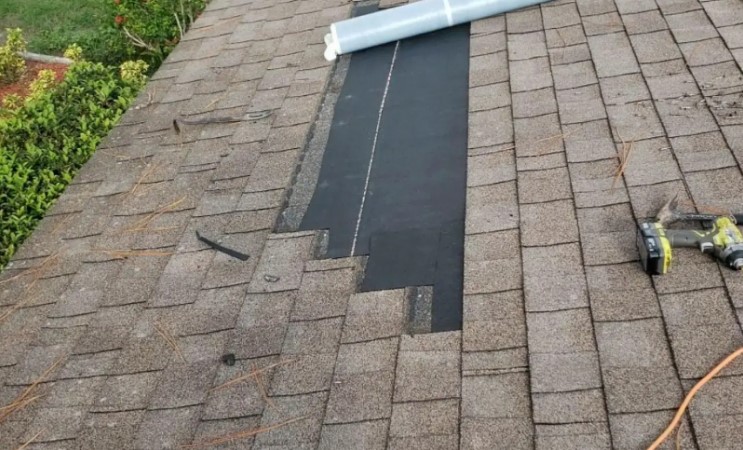
Within the first third of your maintenance routine, it makes sense to include periodic visual roof and exterior checks. Missing shingles, lifted flashing, or minor leaks can affect insulation, wiring, and even indoor air quality. When early signs appear, addressing them promptly through a professional roof repair service can prevent water intrusion from impacting attic wiring, ceiling mounted devices, or insulation that supports energy efficiency.
Exterior focused tasks to revisit regularly include:
- Scanning rooflines and gutters after storms
- Checking siding and exterior walls for cracks or warping
- Ensuring exterior outlets and smart cameras remain sealed and stable
Catching these issues early protects not only the structure, but also the technology that depends on a dry, stable environment.
Seasonal maintenance aligned with weather and system load
Seasonal maintenance bridges the gap between light monthly checks and deeper annual inspections. Each season places different demands on your home, and timing tasks accordingly reduces strain on systems.
Spring and fall are transition seasons where you prepare for heavier HVAC use. Summer and winter focus more on load management and protection from extremes. Aligning tasks with seasons helps you work with your home rather than against it.
A seasonal checklist example:
- Spring: clean gutters, inspect exterior seals, update smart irrigation schedules
- Summer: check cooling efficiency, shade exposed devices, test surge protection
- Fall: prepare heating systems, seal drafts, update firmware on key devices
- Winter: monitor humidity levels, protect exposed pipes, verify backup power readiness
Seasonal work is where you prevent the slow buildup of stress that shortens system lifespan. It is also the best time to recalibrate smart systems to match changing conditions.
Interior systems that deserve regular attention

Inside the home, maintenance often focuses on comfort, but it also directly affects performance and safety. Electrical, plumbing, and climate systems all interact with modern technology in subtle ways.
Small interior issues often show up as inconsistencies rather than failures. A room that never reaches set temperature or a smart plug that disconnects intermittently can indicate underlying problems.
Monthly or seasonal interior checks should include:
- Verifying outlet stability in high load areas
- Checking under sinks and behind appliances for slow leaks
- Confirming smart lighting responds consistently across rooms
These checks protect both traditional infrastructure and connected devices. Stability in basic systems is what allows smart technology to function reliably over time.
Annual deep maintenance and system reviews
Annual maintenance is where you zoom out and assess the big picture. These tasks take more time but only need to happen once a year. They often involve professional inspections or deeper testing.
Think of annual maintenance as a full system audit. You are confirming that everything installed is still appropriate for how the home is being used today. This is especially important in tech heavy households where usage patterns change quickly.
Annual priorities typically include:
- Professional HVAC inspection and efficiency testing
- Electrical panel review and load assessment
- Water heater flushing and safety valve testing
- Reviewing home network capacity and device security
This is also the right time to retire outdated devices or upgrade components that no longer meet your needs. Annual reviews keep your home aligned with your lifestyle.
Using data and smart tools to simplify maintenance
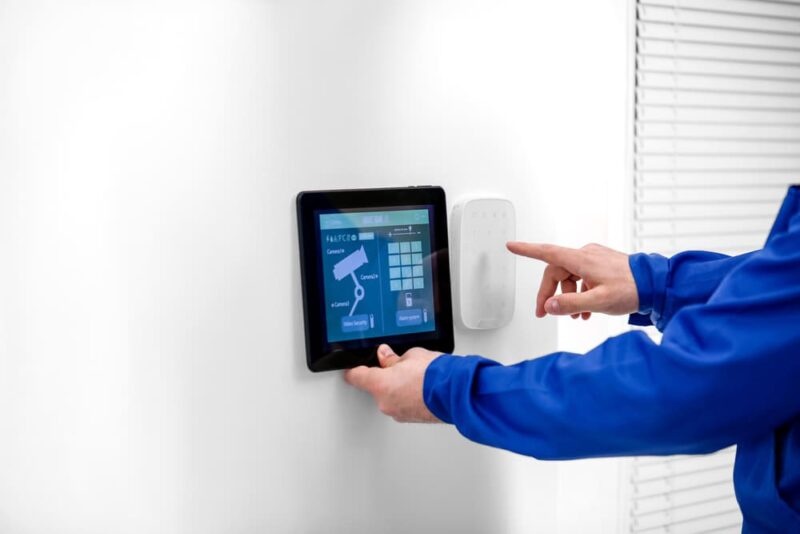
One advantage of modern homes is data. Smart devices can act as early warning systems if you pay attention to what they report. Energy dashboards, usage logs, and error notifications all tell a story.
Instead of ignoring alerts, treat them as maintenance prompts. A spike in energy use or repeated device disconnects often points to physical issues, not software bugs.
A simple way to use data effectively:
- Review energy and system reports once a month
- Flag unusual patterns rather than isolated spikes
- Pair digital insights with physical inspection
This approach turns your home into a self reporting system. Maintenance becomes proactive rather than reactive, which is the core goal of any good checklist.
Common maintenance mistakes that create bigger problems
Many homeowners make maintenance harder than it needs to be. The most common mistake is waiting for visible failure before acting. By then, damage is often compounded.
Another mistake is treating each issue in isolation. A moisture problem, a network issue, and a power fluctuation might all stem from the same underlying cause.
Avoid these pitfalls:
- Skipping small checks because nothing feels urgent
- Overloading outlets or circuits without reviewing capacity
- Ignoring manufacturer maintenance recommendations
Consistency matters more than intensity. Small, regular actions outperform occasional deep cleanups every time.
Building a checklist you will actually follow
The best maintenance checklist is one you can stick to. Overloading it with tasks guarantees burnout. Start with the essentials, then expand once habits form.
Keep your checklist accessible. A shared digital note or calendar reminder works better than a printed list tucked away in a drawer.
A sustainable checklist follows three rules:
- Tasks are grouped by frequency, not urgency
- Each task has a clear purpose
- Completion feels achievable, not overwhelming
When maintenance becomes routine, it fades into the background, exactly where it belongs.
Closing Thoughts
Staying ahead of home maintenance is less about effort and more about structure. A monthly, seasonal, and annual checklist creates rhythm, reduces stress, and protects both your home and the technology that runs it.
Small, regular actions prevent costly surprises and extend the life of systems you rely on every day.
When your home is treated like a living system rather than a static space, maintenance stops feeling like a chore and starts feeling like control.