


Weekly planning can easily turn into a checklist habit. Open a calendar, write a few tasks, and hope for the best. But for many, that routine doesn’t hold up once the week hits full speed.
What works better is a rhythm that shifts with the seasons. The way you plan in January shouldn’t look the same as in July. Energy, daylight, routines, and priorities all change – and your planning habits should move with them.
Seasonal planning rituals anchor your week in something bigger than your to-do list. They help you stay grounded in your goals while adjusting to real life. Here’s how to build a system that makes sense for where you are, not just what you’re supposed to be doing.
The Case for Seasonal Planning
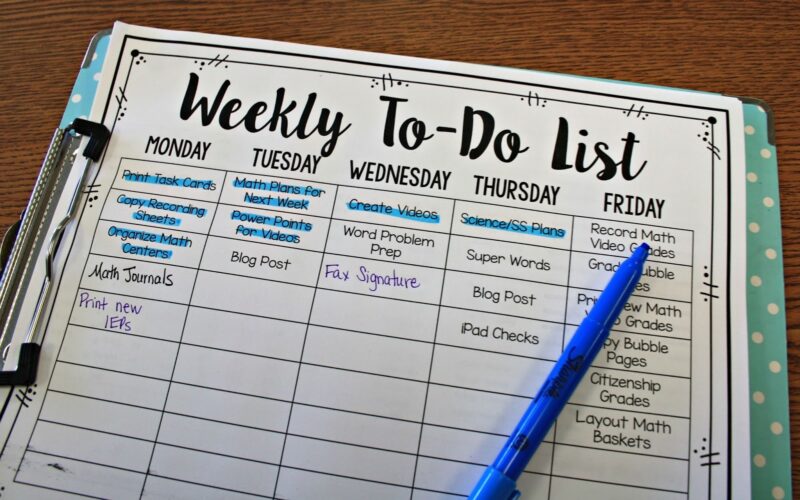
Every season carries its own tempo. Spring invites momentum. Summer brings distraction and lightness. Autumn refocuses attention. Winter calls for restoration.
When you design your weekly rhythm around those shifts, planning stops feeling like a chore and starts feeling like maintenance for your mental ecosystem.
You’re not reinventing your life every three months – you’re tuning it. Think of it as calibrating a compass, not rewriting the map.
The case for seasonal planning extends beyond calendars; it’s also about tuning in to what supports your well-being, whether that’s rest, exercise, or using male sex toys for stress relief.
Core Benefits
- Better energy alignment: You plan around natural peaks and dips in motivation.
- Reduced burnout: You anticipate busy stretches before they hit full force.
- More flexible routines: You adjust to shifting daylight, weather, or family patterns.
- Sharper focus: You build checkpoints to reflect, reset, and redirect effort.
Step 1: Seasonal Reset Rituals

Before you can plan the week, you need to understand what season you’re operating in. Each season deserves its own reset ritual – a short personal check-in to clear the mental clutter before new commitments pile up.
Spring
Spring is the time for expansion. It’s when you should question the limits you’ve set for yourself during slower months.
- Clean out your workspace – digital and physical.
- Create one new system, not ten. Maybe a new project tracker or a recurring reminder that reflects where you want to go next.
- Ask: “What deserves my energy now that didn’t six months ago?”
Summer
Summer isn’t lazy – it’s light. Planning should feel easy.
- Focus on maintenance, not ambition. Review goals weekly but don’t overpack days.
- Use a single-page visual for the week ahead instead of complex systems.
- Set boundaries around work hours. Schedule unstructured time.
Autumn
Fall brings focus. Use that to tighten the reins on your habits.
- Audit your calendar for recurring commitments that no longer make sense.
- Break down big goals into weekly checkpoints.
- Pick one key area to improve efficiency, such as email management or morning routines.
Winter
Winter calls for silence and depth. It’s less about doing, more about preparing.
- Review what worked over the past year.
- Simplify routines to the essentials.
- Replace high-intensity habits with ones that restore balance – like journaling or morning walks.
Step 2: The Weekly Anchor Session
How It Works
- Choose a consistent time: Sunday afternoon or Monday morning work best.
- Set the mood: No screens for the first 10 minutes. Just notebook, pen, and clarity.
- Ask three grounding questions:
- What truly matters this week?
- What can wait until next week?
- What can I delegate or drop?
Practical Structure
| Step | Action | Purpose |
|---|---|---|
| 1 | Review last week | Note wins, frustrations, and carryovers |
| 2 | Identify top 3 priorities | Define focus, not volume |
| 3 | Schedule focus blocks | Protect deep work time |
| 4 | Add recovery slots | Prevent burnout midweek |
| 5 | Visualize the outcome | Keep perspective aligned |
Step 3: The Seasonal Planning Framework
The best planning rituals aren’t rigid – they evolve with you. Here’s a flexible framework for syncing your week with the current season.
Weekly Template
Each week should have five anchors:
- One focus goal – something meaningful, not urgent.
- Two support goals – tasks that reinforce your focus.
- Three recovery rituals – moments that restore energy.
- Daily check-ins – short, consistent reviews.
- Weekly wrap-up – reflection before planning the next week.
Seasonal Adjustments
- Spring: Plan for variety. Mix high-activity goals with creative experiments.
- Summer: Protect downtime. Let spontaneous events replace structured meetings occasionally.
- Autumn: Refine systems. Add structure where summer loosened things.
- Winter: Plan slower, deeper work. Avoid overloading your schedule.
Step 4: Use Environmental Cues

Your surroundings either support or sabotage your rhythm. Adjusting your space can make planning more natural and less forced.
Spring Environment
- Add a plant or open your workspace window.
- Use bright post-it colors for weekly priorities.
- Display one motivational quote somewhere visible.
Summer Environment
- Move your workspace near natural light.
- Keep your setup portable if you’re working remotely or traveling.
- Use a smaller planner – simplicity matches the season.
Autumn Environment
- Use darker tones and warm lighting to anchor focus.
- Display your quarterly goals visually – chart, board, or note.
- Keep a “not to do” list nearby to prevent overcommitment.
Winter Environment
- Soften lighting and introduce comfort cues – blankets, warm tea, slower music.
- Reduce digital clutter – clean your desktop weekly.
- Keep your weekly planner handwritten instead of digital for a tactile reset.
Step 5: Incorporate Reflection Habits

Without reflection, planning is just repetition. Build short, structured check-ins that fit your pace.
Daily Micro-Reflection (5 minutes)
- “What went right today?”
- “Where did I waste energy?”
- “What’s one thing to improve tomorrow?”
Weekly Reflection (15 minutes)
At the end of each week, look back before you plan ahead.
- Note what felt rewarding or draining.
- Identify one pattern you want to change.
- Archive old to-do lists instead of deleting them to visualize progress.
Seasonal Reflection (30 minutes)
At the turn of each season, expand your review:
- What habits still serve your long-term goals?
- What routines feel outdated or rigid?
- Where have you been consistent without realizing it?
Step 6: Build Seasonal Ritual Triggers

Consistency often depends on cues, not willpower. Triggers help you shift into planning mode automatically.
Example Triggers
- Spring: A Sunday morning coffee before writing your weekly plan.
- Summer: Planning outdoors or during travel.
- Autumn: Pairing weekly planning with a podcast or routine task.
- Winter: Lighting a candle before reflecting on the week.
Small rituals signal to your brain that it’s time to plan. Over time, the cue itself becomes the habit.
Step 7: Plan for Transitions
Every season brings change – new schedules, light shifts, emotional patterns. Anticipating transitions keeps your week from collapsing when life pivots.
Calendar Transitions
- Add a “buffer day” every season to adjust systems.
- Use transition weeks to revisit priorities before starting new cycles.
- Keep a separate “flex day” at the end of each month for catch-up or review.
Emotional Transitions
- Spring and fall may heighten ambition; balance it with calm rituals.
- Summer and winter may slow focus; use shorter lists and visual cues.
- If energy drops midseason, revisit your initial reflection questions.
Step 8: Build Seasonal Playlists and Tools
Planning should feel immersive, not mechanical. Seasonal soundtracks or tools can help create atmosphere.
Sample Playlist Ideas
| Season | Sound Type | Example Mood |
|---|---|---|
| Spring | Ambient nature | Flow and clarity |
| Summer | Lo-fi beats | Energy and movement |
| Autumn | Acoustic or jazz | Focus and depth |
| Winter | Piano or instrumental | Calm and introspection |
Tool Rotation
Rotate tools to keep things fresh:
- Spring: digital calendar syncs.
- Summer: lightweight notebooks.
- Autumn: detailed planners or Kanban boards.
- Winter: journaling templates and daily logs.
Step 9: Time-Blocking With Seasonal Awareness

Time-blocking isn’t just about filling slots. It’s about knowing when your energy is high or low. Seasonal awareness fine-tunes your blocks to match how you function.
Morning Blocks
- Spring: Use early energy for creative projects.
- Summer: Start slower, push key work into mid-morning.
- Autumn: Pack mornings with structured tasks.
- Winter: Use mornings for reflection and light planning.
Afternoon Blocks
- Spring: Collaborate or brainstorm.
- Summer: Shift to lighter admin work.
- Autumn: Schedule meetings or planning.
- Winter: Wind down earlier; add reading or learning blocks.
Evening Blocks
- Keep evenings restorative across all seasons.
- Include activities tied to sensory reset: music, cooking, journaling, or quiet walks.
Step 10: Protect Your Weekly Reset
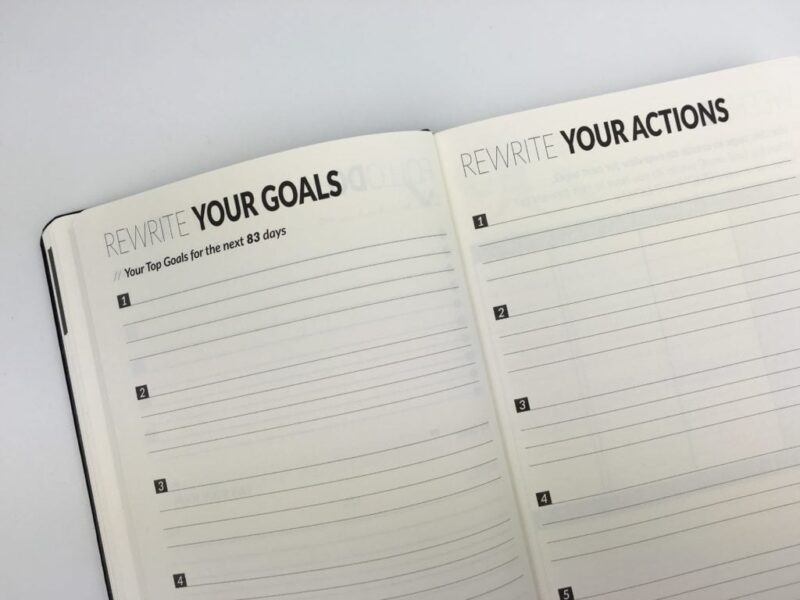
A weekly reset is useless if you don’t protect it. Treat it like a non-negotiable meeting with yourself. Use the same level of respect you’d offer a client appointment.
What to Include in a Weekly Reset
- Review your top three goals.
- Check emotional and physical energy.
- Realign your workspace and digital tools.
- Visualize how the coming week feels when done right.
Common Mistakes to Avoid
- Letting the reset slip when “busy.” That’s when it’s most needed.
- Overplanning every hour. Leave breathing room.
- Ignoring seasonal fatigue signals, as your energy is feedback, not failure.
Step 11: Create a Yearly Seasonal Map
All weekly planning ties back to the larger picture. A yearly map gives your rituals context. It doesn’t have to be complex. Think of it as a seasonal story arc for your time.
| Season | Focus Theme | Core Intention |
|---|---|---|
| Spring | Growth | Start new projects or habits |
| Summer | Presence | Enjoy and sustain momentum |
| Autumn | Refinement | Improve systems and structure |
| Winter | Restoration | Reflect and rebuild energy |
Pin the map somewhere visible. Every Sunday, glance at it before you start your planning ritual. It keeps your week aligned with your year.
Step 12: Keep It Human
Planning is personal. The point isn’t to control every hour, but to support yourself with rhythm and care. Seasonal rituals make planning human again, less like self-management, more like self-alignment.
When you stop forcing one-size-fits-all systems and start listening to natural cycles, your week begins to feel less like a scramble and more like choreography. Some weeks will still fall apart, and that’s fine. What matters is that you always have a structure waiting to catch you.
Quick Recap Table
| Element | Purpose | Duration | Seasonal Adaptation |
|---|---|---|---|
| Seasonal Reset | Clears old clutter | 1 hour | Tailor tone and focus |
| Weekly Anchor Session | Aligns priorities | 45 min | Adjust based on energy |
| Reflection | Tracks patterns | 15–30 min | Expand or simplify |
| Ritual Triggers | Build consistency | Ongoing | Change cues each season |
| Yearly Map | Connects big picture | 30 min | Update quarterly |
Closing Thoughts
A strong week doesn’t start with ambition; it starts with awareness. Planning through the lens of seasons creates a living system that evolves with you, not against you. The rituals you build now become your personal operating rhythm.
Some weeks, you’ll glide. Others, you’ll crawl. But as long as your system respects where you are in the cycle, you’ll always find your way back to balance.