

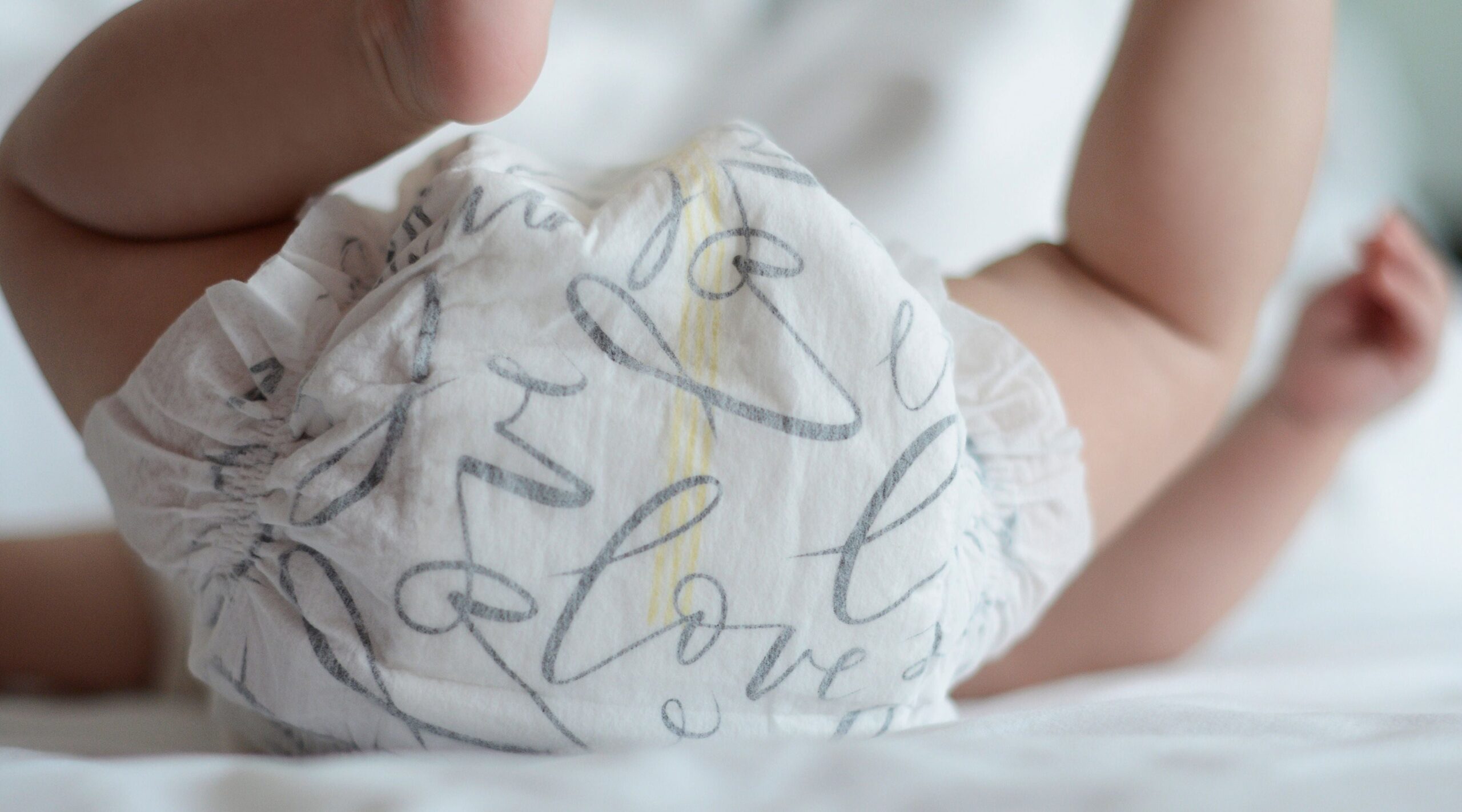
Bringing a newborn home comes with a long list of tiny decisions that suddenly feel huge. Diapers sit near the top of that list.
You will go through a lot of them, you will think about them more than expected, and the right choice can make everyday life a whole lot easier.
Start with the basics
Newborn diapers are made for babies in the earliest stage of life, usually up to about 10 pounds, though sizing varies by brand.
Some babies wear newborn size for several weeks. Others skip it quickly and move into size 1 almost right away.
Many newborn diapers also include features designed for early care, such as:
- A softer inner lining
- A cutout or dip around the umbilical cord area
- A snugger fit for smaller legs
- Wetness indicators
- Stretchy waist panels for a closer fit
Not every baby needs every feature. “Many parents start by comparing a few disposable diapers for newborns before settling on the fit and absorbency that works best for their baby. A lot depends on birth weight, body shape, skin sensitivity, and how often blowouts happen in your house.
Newborn diaper features worth checking first
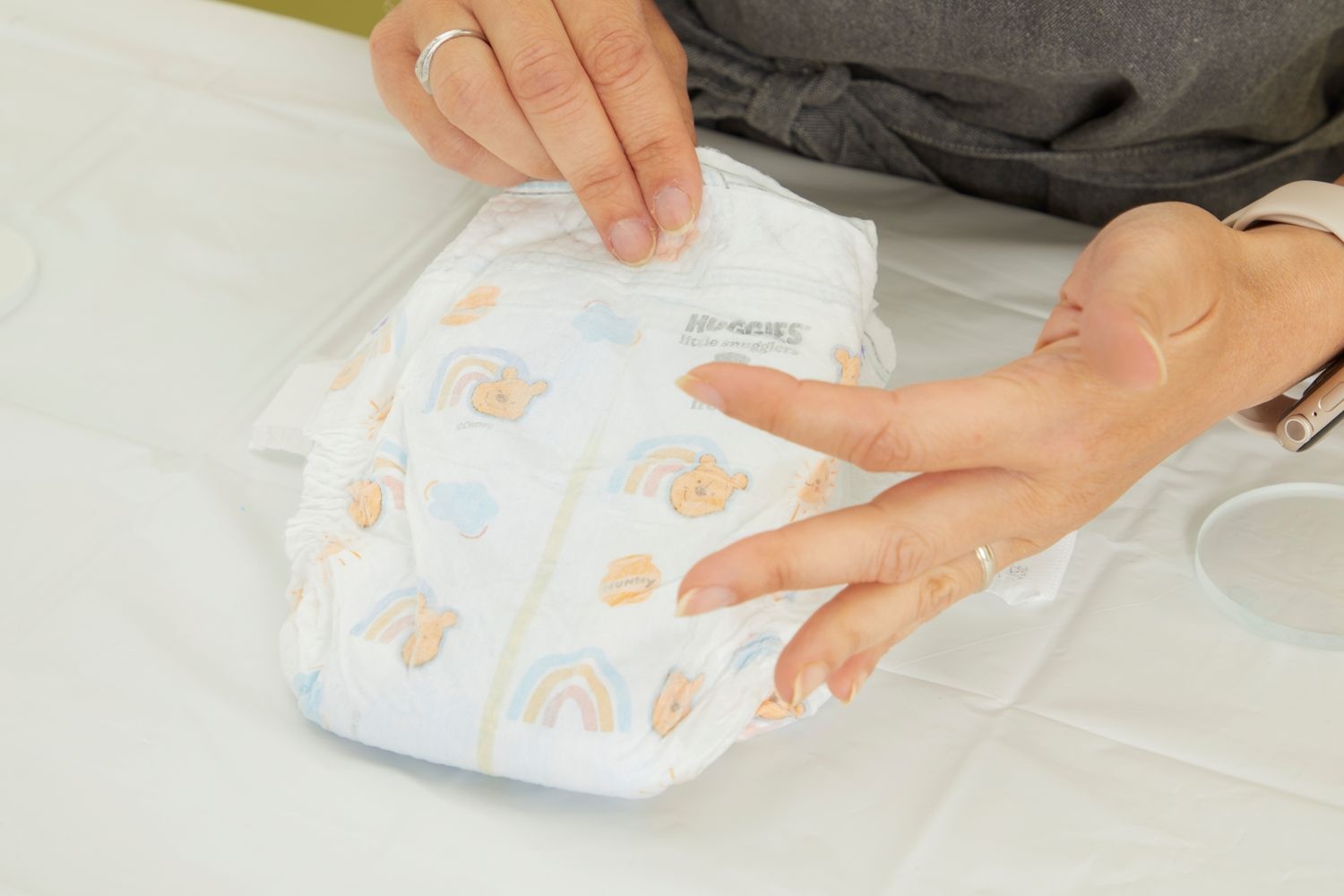
Before picking a brand based on packaging or popularity, look at what matters in daily use.
Fit
Fit is everything. A diaper that is too loose leaks. A diaper that is too tight can leave marks and irritate skin.
Look for:
- A secure fit around the legs
- A waistband that sits comfortably without digging in
- Enough room for movement without sagging
- No major gaps at the back or thighs
A few red flags tell you quickly that fit is off. If you see repeated leaks, red marks that linger, or tabs that barely close, size or shape may be wrong.
Absorbency
Newborns pee often, and some brands handle moisture better than others. Good absorbency helps protect skin and reduces leaks between changes.
For daytime, most standard newborn diapers do the job well if changed often. Overnight can be trickier, especially once your baby starts sleeping in slightly longer stretches. Some parents keep one brand for day and another for night.
Softness
You do not need a diaper that feels like luxury bedding, but rough materials are not ideal for brand-new skin. Soft inner layers usually matter more than how plush the outer shell feels in your hand.
Umbilical cord space
During the early healing period, the diaper should not rub against the stump. Many newborn diapers have a lower front panel or a curved cutout for that reason. If a diaper does not, folding the front down can help.
Wetness indicator
A wetness indicator is one of those features that sounds minor until you are exhausted and second-guessing every diaper check. It can be genuinely useful in the newborn stage.
Disposable vs cloth for newborns
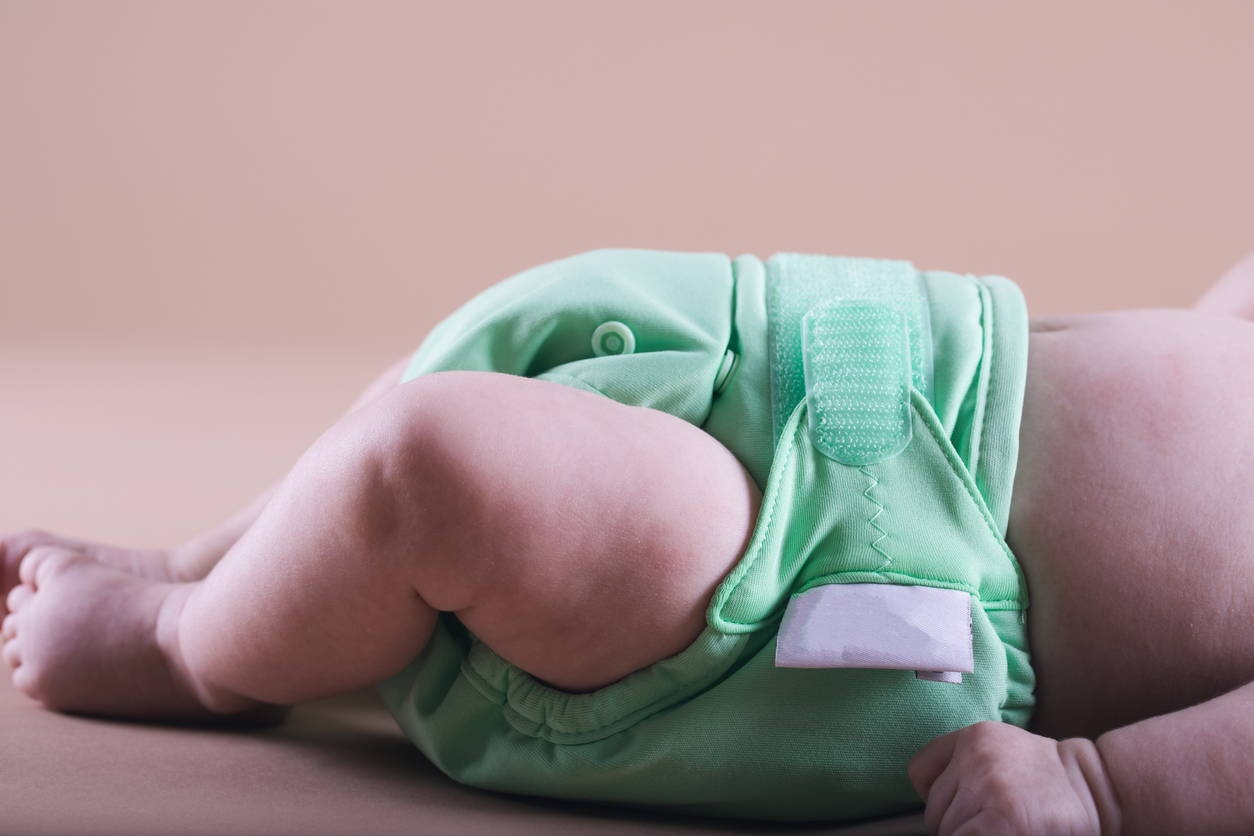
Some families know exactly which route they want. Others need a little room to figure it out.
Here is a quick side-by-side comparison:
|
Factor |
Disposable Diapers |
Cloth Diapers |
|
Convenience |
Very high |
Lower at first |
|
Laundry load |
Minimal |
Heavy |
|
Upfront cost |
Lower |
Higher |
|
Long-term cost |
Higher over time |
Often lower over time |
|
Skin monitoring |
Easy to check quickly |
Easy, but more handling |
|
Travel use |
Very easy |
Less simple |
|
Fit for tiny newborns |
Often excellent |
Can vary by system |
For many new parents, disposable diapers feel easier in the first month simply because life is already busy enough. Some families switch to cloth later, once feeding, sleep, and recovery feel less intense.
How many diapers should you actually buy?
Do not stockpile one brand too aggressively before birth. Babies grow fast, and diaper fit can surprise you.
A safer approach:
- Buy a few small packs from 2 or 3 brands
- Keep one box of newborn size
- Keep one box of size 1
- Wait and see what fits your baby best
- Save receipts when possible
Newborns often use 8 to 12 diapers a day. Even so, buying mountains of one style too early can backfire.
Signs a diaper is working well

A good diaper usually fades into the background. That is the goal.
You are probably on the right track when:
- Leaks are rare
- Skin stays calm
- Tabs fasten easily
- Blowouts are not constant
- Your baby seems comfortable during wear
- Changes feel quick instead of frustrating
No diaper is perfect every single time. Newborn poop has a way of testing every brand on the market. Still, repeated problems usually mean something needs to change.
Signs it is time to switch brands or size
Sometimes parents assume all diapers are basically the same. In real life, one brand may fit your baby beautifully while another fails by lunchtime.
Switch size when you notice:
- Frequent leaks despite proper fastening
- Tabs pulling too tightly
- Red marks around the waist or thighs
- Diaper looking low-rise or too short
- Blowouts happening up the back often
Switch brand when you notice:
- Persistent rash without another clear cause
- Poor fit around your baby’s leg shape
- Material that feels stiff or irritating
- Weak absorbency
- Strong fragrance you do not like
Fragrance-free, hypoallergenic, and “clean” claims
Diaper marketing can get a little noisy. Words like “pure,” “clean,” and “natural” sound reassuring, though labels do not always tell the full story.
For many parents, the most helpful approach is simple:
Focus on practical priorities
- Fragrance-free if your baby has sensitive skin
- Soft inner lining
- Good absorbency
- Reliable fit
- No ingredients or materials that seem to trigger irritation
A diaper does not need perfect branding language to work well. Real-world performance matters more than front-of-box promises.
How to test diapers without wasting money
A little trial period can save you money and frustration.
Try a simple testing plan
Pick 2 or 3 brands and judge each one over a few days based on:
|
What to Track |
What to Look For |
|
Leaks |
Around legs, waistband, overnight |
|
Blowouts |
How often, how severe |
|
Skin reaction |
Redness, rash, rubbing |
|
Ease of use |
Fast tabs, simple fit |
|
Baby comfort |
Fussing during wear, tight marks |
|
Value |
Cost per diaper compared with performance |
You can even keep a short note on your phone. Sleep deprivation has a way of erasing details.
Budget matters, and that is normal
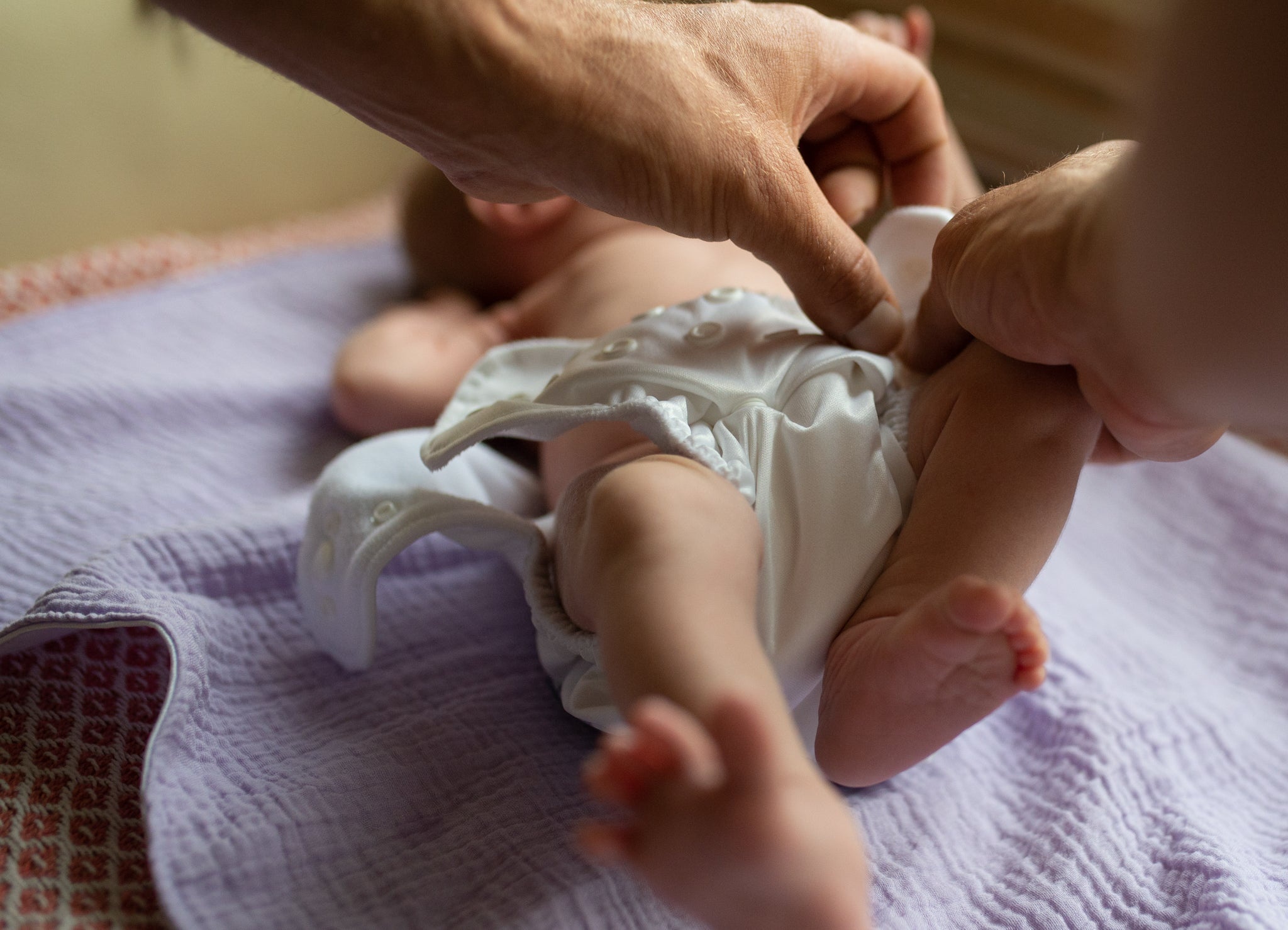
Diapers add up fast. Choosing a lower-cost option does not mean you are cutting corners. Plenty of affordable brands perform well.
A smart budget-minded plan often looks like:
- Use a reliable mid-range or store brand for daytime
- Save a more absorbent option for nights or outings
- Buy in bulk only after testing
- Watch cost per diaper, not just box price
Sometimes the cheapest diaper ends up costing more because of outfit changes, extra laundry, and wasted time.
Diapering tips that make life easier in the newborn stage
A few small habits can make diaper changes smoother.
Helpful everyday habits
- Change diapers frequently, especially after poop
- Pat skin dry gently before putting on a fresh diaper
- Use barrier cream if your baby is rash-prone
- Keep the diaper below the umbilical stump until healed
- Fasten snugly, but not tightly
- Point a baby boy’s penis downward before closing the diaper to reduce upward leaks
Little details matter a lot when you are changing diapers ten times a day.
Final thoughts
Picking newborn diapers does not require perfection. It requires a bit of trial, a little observation, and permission to change course when something is not working. Start with fit, softness, absorbency, and skin comfort. Buy small amounts first. Watch how your baby responds.
Also read: Reason why your baby feels uncomfortable
A good diaper makes one part of newborn life feel calmer, cleaner, and easier to manage. In the first weeks, that counts for a lot.