


Many people are surprised when a beautifully designed custom mug starts fading after only a few weeks of dishwasher use. Heat, detergents, and water pressure slowly wear down poorly bonded designs, especially when the wrong printing method or materials are used. If you want custom mugs that actually last, the process matters far more than the artwork itself.
Creating dishwasher safe custom mugs is not complicated, but it does require attention to materials, printing methods, and curing techniques. A few practical decisions during the making process determine whether a mug keeps its color for years or begins peeling after a dozen washes.
This guide explains how to make custom mugs that stay vibrant, clean easily, and survive regular dishwasher cycles without fading.
Choosing the Right Mug Base
Before worrying about artwork or printing, the foundation matters. The type and coating of the mug determine how well designs bond to the surface and how they respond to repeated washing cycles.
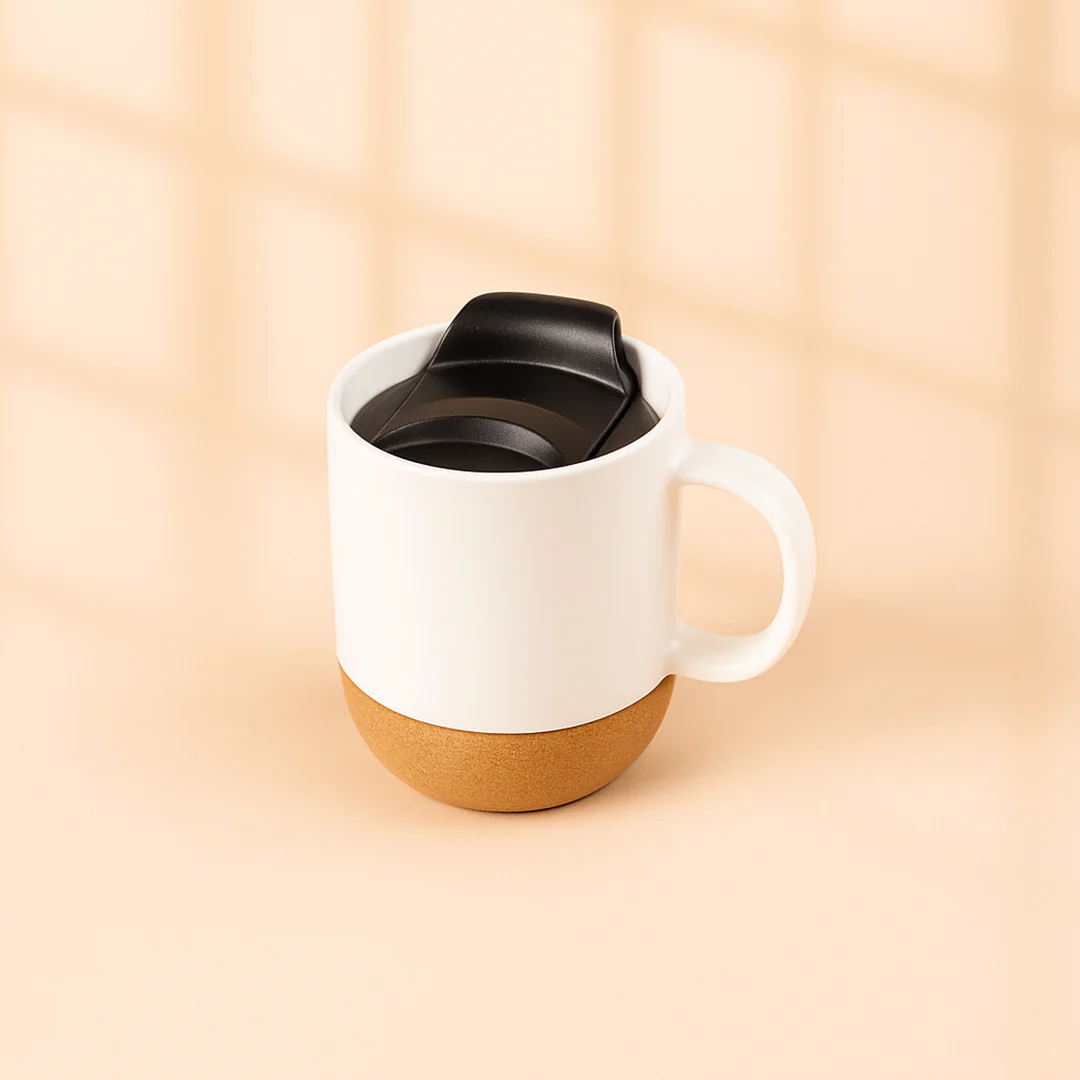
Most durable custom mugs start with polymer coated ceramic mugs designed for sublimation or heat transfer printing. These coatings allow inks or transfers to chemically bond with the mug surface rather than just sitting on top.
Some reliable mug bases include:
- Polymer coated ceramic mugs hold color longer because inks penetrate the coating during heat transfer, creating a permanent bond.
- Stoneware mugs are thicker and resist heat stress better, which reduces cracking and coating damage over time.
- High quality white ceramic mugs reflect printed colors accurately and help prevent dull looking designs after curing.
Cheap uncoated mugs often cause fading because the design sits on the surface instead of bonding with it. Dishwasher safe custom mugs almost always start with coated ceramics.
Selecting Designs That Print Cleanly
The visual design plays a surprising role in durability. Fine lines and extremely thin details wear down faster because less ink bonds to the mug surface. Balanced artwork with solid areas usually lasts longer in everyday use.
When preparing artwork, simple shapes and bold contrasts often outperform intricate designs. Many creators use vector graphics because they scale cleanly and print with consistent edges. If you want faith inspired artwork that prints sharply, collections like Christian SVG files are popular because vector based graphics maintain clear lines after heat transfer and repeated washing.
Before printing, make sure your design:
- Uses solid fills instead of thin strokes where possible.
- Avoids ultra small text that may degrade with time.
- Matches the printable area recommended by the mug manufacturer.
Well prepared artwork reduces uneven bonding and helps keep colors vibrant even after hundreds of dishwasher cycles.
Sublimation Printing for Maximum Durability
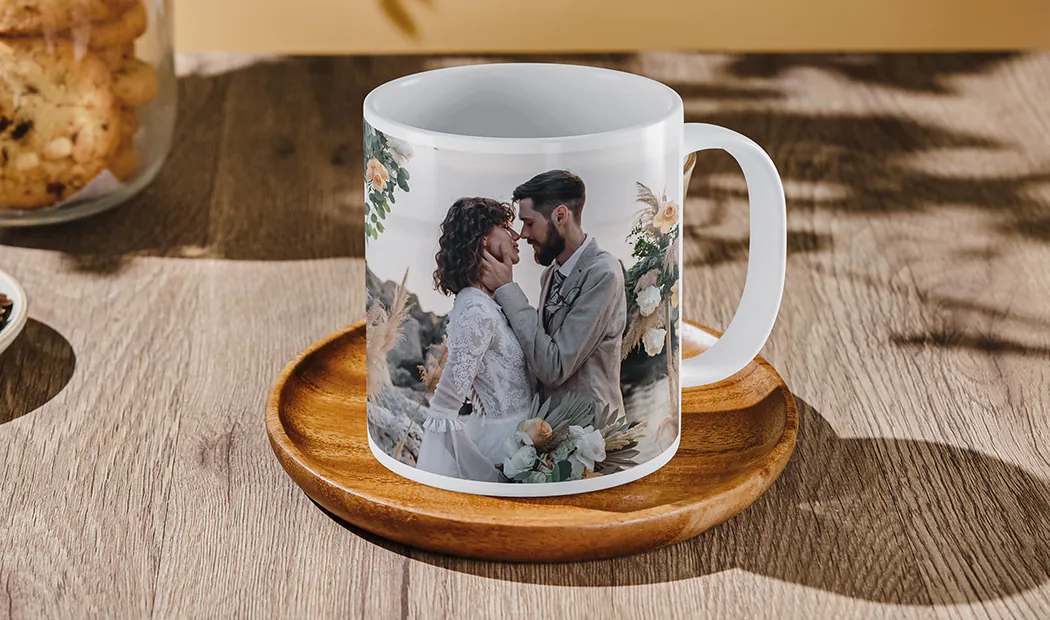
Sublimation printing remains one of the most reliable methods for making dishwasher safe custom mugs. The process uses heat and pressure to turn dye into gas, allowing it to bond directly with the mug coating.
This chemical bonding process is what gives sublimated mugs their reputation for long lasting color.
Typical sublimation steps include:
- Printing the design with sublimation ink on transfer paper.
- Wrapping the transfer tightly around the mug.
- Heating in a mug press at about 190 to 205 degrees Celsius for several minutes.
- Allowing the mug to cool gradually.
The ink becomes part of the coating instead of forming a surface layer. Because of this, sublimated designs rarely peel or crack even after years of washing.
Sublimation works best on light colored polymer coated mugs.
Vinyl and Heat Transfer Methods
Vinyl and heat transfer vinyl can produce attractive custom mugs, but durability depends heavily on technique and material quality. Poorly applied vinyl often lifts at the edges during dishwasher cycles.
Good vinyl applications require careful preparation and strong adhesives.
Key steps that improve vinyl durability include:
- Cleaning the mug with isopropyl alcohol removes oils that weaken adhesive bonding.
- Using permanent outdoor grade vinyl increases heat resistance.
- Applying firm pressure eliminates air pockets that allow water to penetrate.
- Allowing the adhesive to cure for at least 24 to 48 hours strengthens the bond.
Vinyl mugs may last for moderate dishwasher use, but heavy cycles eventually weaken adhesive layers. Hand washing extends their lifespan significantly.
Why Proper Curing Matters
Many fading problems happen because mugs are not cured correctly after printing. Heat and time allow inks or adhesives to stabilize and bond permanently to the mug surface.
Insufficient curing leads to premature fading even when good materials are used.
Typical curing requirements vary by method:
|
Method |
Typical Temperature |
Typical Time |
| Sublimation | 190 to 205 C | 3 to 5 minutes |
| Oven baked transfers | 160 to 180 C | 20 to 30 minutes |
| Vinyl adhesive curing | Room temperature | 24 to 48 hours |
These ranges come from common manufacturer guidelines and should always be confirmed for specific materials.
Curing should never be rushed. Designs that look finished immediately after printing may still need hours or days before they become fully dishwasher safe.
Dishwasher Settings That Reduce Fading
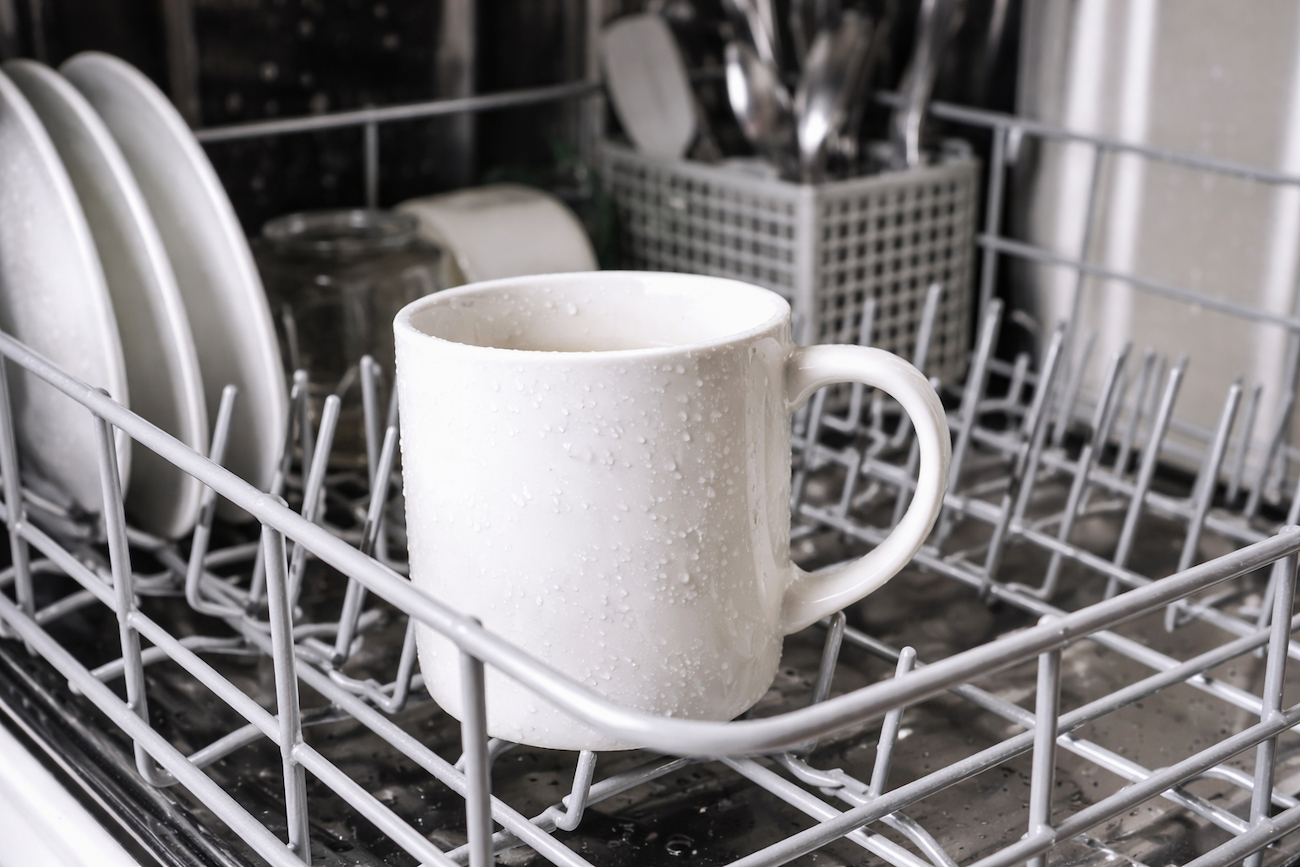
Even durable custom mugs benefit from careful dishwasher use. High heat and aggressive detergents gradually break down coatings and inks over time.
Gentler washing conditions extend the life of custom mugs significantly.
The following practices help reduce fading:
- Using normal temperature cycles instead of high heat reduces coating stress.
- Avoiding heavy duty detergent pods prevents chemical damage to coatings.
- Placing mugs on the top rack keeps them away from heating elements.
- Leaving space between mugs allows better water flow and reduces impact damage.
According to the U.S. Department of Energy dishwasher temperatures typically reach 50 to 65 degrees Celsius during normal cycles, which is hot enough to stress weak coatings over time.
Durable mugs handle these temperatures well, but poor coatings degrade quickly.

Testing Mug Durability Before Selling
Anyone making mugs for sale should test durability before offering products to customers. A mug that looks perfect on day one may fail after repeated washing.
Simple durability tests reveal problems early.
A practical testing routine includes:
- Running the mug through 10 to 20 dishwasher cycles before selling.
- Inspecting edges and fine details for fading.
- Checking for peeling or lifting after drying.
- Comparing colors before and after testing.
Dishwasher safe – means the decoration remains intact after repeated machine washing under normal household conditions. It does not guarantee permanent resistance to wear.
Manufacturers and sellers often define dishwasher safe differently. Testing ensures realistic expectations.
Common Mistakes That Cause Fading
Many fading problems come from avoidable mistakes during production. Small shortcuts often reduce durability dramatically.
The most common issues include:
- Using non sublimation mugs for sublimation printing leads to weak bonding and rapid fading.
- Applying vinyl without proper cleaning leaves oils that weaken adhesion.
- Removing transfer paper too quickly causes uneven bonding.
- Using incorrect heat press temperatures prevents full ink transfer.
- Skipping curing time allows adhesives to weaken during washing.
Attention to detail makes the difference between professional quality mugs and short lived designs.
Conclusion
Custom mugs that survive dishwasher use depend on a combination of the right mug base, proper printing methods, and careful curing. Sublimation on polymer coated ceramic mugs remains the most reliable approach for long term durability, but other methods can also perform well when applied correctly.
Design preparation and testing play a major role in preventing fading. Simple adjustments like choosing solid artwork, allowing full curing time, and testing mugs before regular use can extend the life of a custom mug dramatically.
Durable custom mugs reward careful work. When materials and techniques are matched properly, designs stay vibrant through hundreds of dishwasher cycles instead of fading after a few weeks.