

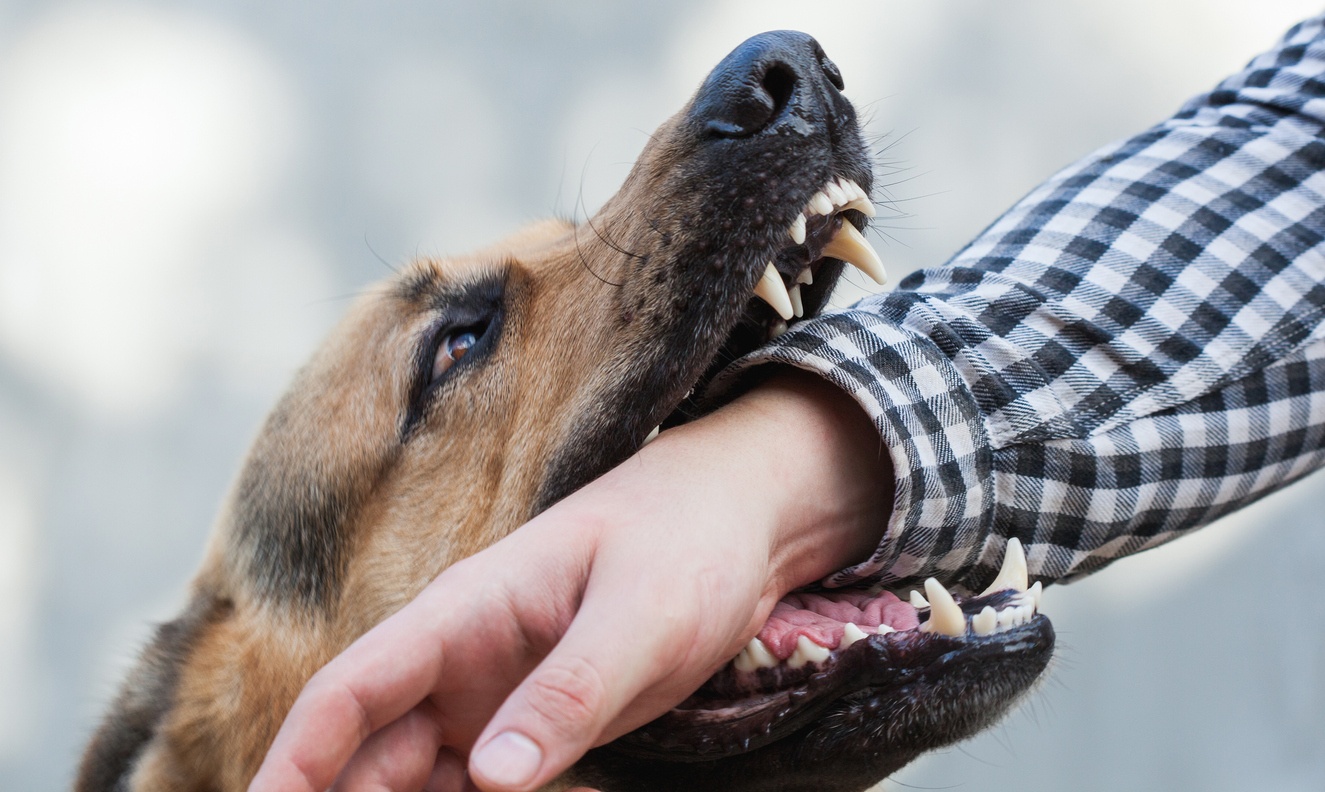
Insurance companies use specific tactics to reduce dog bite settlements, including disputing liability, blaming the victim, and pushing quick, lowball offers. These strategies are designed to protect their bottom line, not your recovery. Understanding them before you file a claim puts you in a stronger position.
Many victims do not realize how fast insurers begin building a case against them after a bite is reported. An experienced dog bite lawyer can identify these tactics early and help you avoid costly mistakes. The right legal support often makes a significant difference in the final settlement amount.
Here are the common tactics that an insurance company use to reduce dog bite settlements:
1. Disputing Liability from the Start

The first move many insurers make is to question whether their policyholder is actually responsible for the bite. They may argue the dog had no prior history of aggression or that local leash laws do not apply. This forces the victim to prove liability rather than the insurer accepting it upfront.
2. Blaming the Victim for the Incident
Insurers frequently argue that the victim provoked the dog or ignored visible warning signs. Under comparative negligence rules, placing even partial blame on you can reduce your payout significantly. They may pull witness statements, social media activity, or footage to support this argument.
3. Downplaying the Severity of Your Injuries
Adjusters review medical records closely, looking for gaps in treatment or pre-existing conditions they can point to. They may claim your injuries were minor, or that ongoing pain is unrelated to the bite itself.
Dog bites result in hundreds of thousands of medical visits annually, many involving serious tissue and nerve damage that requires ongoing care.
Consistent medical documentation from the day of the incident forward is your strongest defense against this tactic. Never skip follow-up appointments, as gaps in care give adjusters room to argue your injuries were not serious.
4. Undermining Medical Documentation to Weaken Your Claim

Insurance companies do not just review medical records—they actively look for ways to discredit them. Any inconsistency, delay in treatment, or missing documentation can be used to argue that your injuries are less serious or unrelated to the incident.
Adjusters often focus on:
- Gaps between appointments
- Lack of specialist referrals
- Missing or incomplete records
- Delayed initial treatment
By highlighting these issues, insurers attempt to break the connection between the dog bite and your injuries.
This tactic allows them to reduce the perceived severity of your condition and limit compensation for both immediate and ongoing care.
5. Pushing for a Quick Settlement Before You Know Your Full Damages
After a bite, insurers often reach out fast with an early offer before you fully understand the extent of your injuries. These offers are almost always far below what your claim is actually worth.
Once you sign a release, you cannot return for additional compensation even if complications develop later.
Quick Settlement vs. Waiting for Full Assessment
Taking a quick settlement feels easier in the moment, but often costs you more in the long run. A fast offer rarely accounts for future medical costs, lost earning capacity, or long-term pain.
Waiting until you have a complete picture of your damages almost always results in a higher and fairer outcome.
6. Structuring Conversations to Build a Case Against You

Insurance adjusters are trained to guide conversations in ways that benefit their case. Their questions are often designed to produce responses that can later be used to minimize your claim.
They may:
- Ask leading or repetitive questions
- Request recorded statements early in the process
- Compare your answers against medical records
- Highlight inconsistencies over time
Even small differences in wording can be used to challenge your credibility. This tactic allows insurers to create doubt about your injuries or how the incident occurred, ultimately reducing the value of your claim.
7. Using Your Own Words Against You
Adjusters are trained to ask questions that lead you to minimize your injuries. A recorded statement made early in the process can be used to contradict your later claims.
Even casual comments like saying you are feeling okay or that you returned to work can be framed as proof that your injuries were not serious.
What to Avoid Saying to an Insurance Adjuster:
- “I’m feeling better.”
- “It wasn’t that bad.”
- “I didn’t see a doctor right away.”
- “Maybe I startled the dog.”
8. Minimizing the Long-Term Impact of Your Injuries
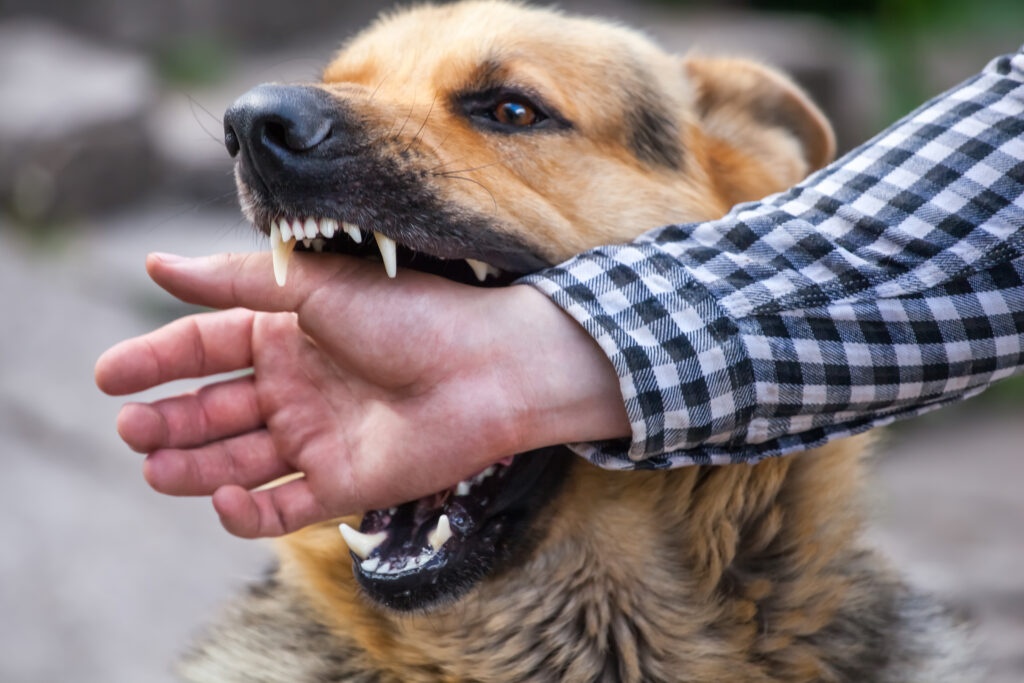
Beyond disputing immediate damages, insurers often attempt to downplay the lasting effects of a dog bite.
They may argue that long-term complications are unlikely, unrelated, or exaggerated.
Common targets include:
- Future medical procedures
- Rehabilitation or therapy needs
- Psychological effects such as anxiety or PTSD
- Impact on your ability to work
By minimizing these factors, insurers aim to limit compensation to short-term costs only.
This approach ignores the broader impact the injury may have on your life and financial stability.
9. Disputing Future and Long-Term Damages
Insurers push back hardest on future costs like ongoing therapy, scarring treatment, and lost earning capacity.
They may argue that psychological effects such as anxiety or PTSD are not connected to the incident.
Victims with permanent scarring or nerve damage often face the strongest resistance when claiming long-term compensation.
What You May Be Owed vs. What Insurers Often Challenge
Victims are typically entitled to emergency medical bills, lost wages, physical pain, and scarring treatment.
Insurers frequently dispute future therapy costs, long-term lost earning capacity, emotional distress, and permanent disfigurement value.
Knowing what is at stake helps you push back when adjusters try to narrow your claim.
Steps to Take After a Dog Bite
Taking the right steps early protects both your health and your claim.
- Seek medical attention immediately and keep every record.
- Photograph the scene, your injuries, and gather witness contact details.
- Avoid speaking directly with the dog owner’s insurance adjuster.
- Do not accept any settlement offer before understanding your full damages.
- Keep a journal tracking pain levels, treatment, and how the injury affects daily life.
- Consult a legal professional before signing any documents or releases.
Final Perspective

Insurance companies handle dog bite claims with a focus on minimizing payouts, using structured tactics to shift blame, question evidence, and limit damages.
Recognizing these strategies allows you to approach your claim more carefully and avoid common mistakes, such as accepting early offers or providing statements that weaken your position.
A claim should reflect not only immediate injuries but also long-term physical, emotional, and financial impacts. Thorough documentation, patience, and informed decision-making are essential to achieving a fair outcome.