

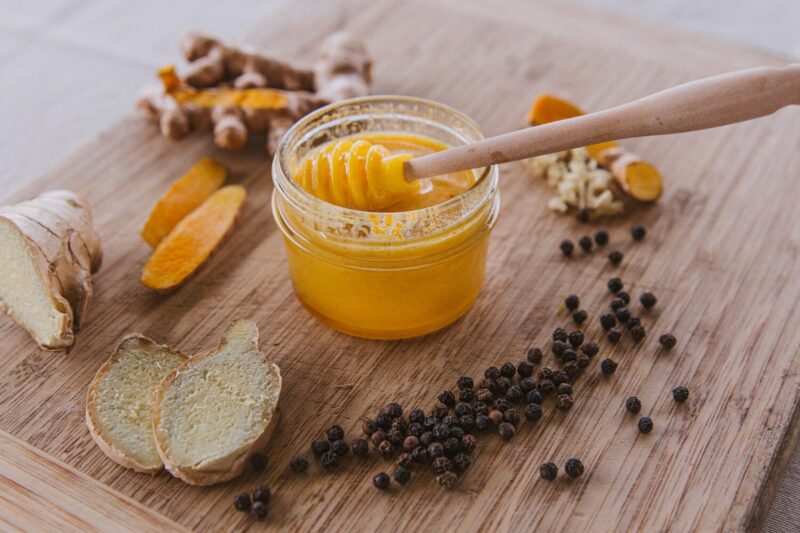
Interest in functional foods has grown steadily as people look for simple ways to support everyday health without extreme dietary changes.
Among combinations that frequently appear in wellness routines is orange turmeric honey, a blend that brings together citrus compounds, turmeric’s bioactive elements, and honey’s natural carbohydrate matrix.
Rather than being viewed as a cure or supplement replacement, this combination is commonly used as a food-based addition to meals, drinks, or morning rituals.
Its appeal lies in familiarity, moderate sweetness, and compounds that have been studied individually for their biological roles.
Understanding why people use it requires looking at how these ingredients interact nutritionally, how they are metabolized, and where expectations should remain realistic.
Nutritional Components
| Component | Primary Nutritional Role | Why It Matters |
| Honey | Natural carbohydrates | Supports quick energy availability |
| Turmeric | Curcuminoids | Interacts with inflammatory pathways |
| Orange compounds | Flavonoids and vitamin C | Contributes antioxidant support |
| Organic acids | Digestive influence | Supports absorption and palatability |
This table highlights why people see the combination as complementary. No single ingredient dominates. Instead, the nutritional value comes from interaction and balance, not isolated potency.
What Makes Orange, Turmeric, and Honey a Functional Combination
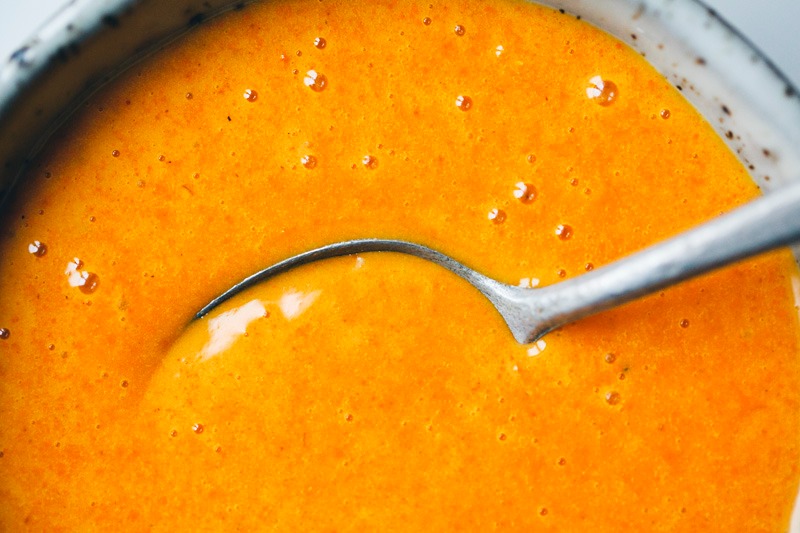
Each component in orange turmeric honey contributes a different nutritional role. Oranges provide flavonoids such as hesperidin, alongside vitamin C and organic acids that influence absorption and antioxidant activity.
Turmeric contributes curcuminoids, especially curcumin, which has been studied for its interaction with inflammatory signaling pathways.
Honey acts as both a carrier and an energy source, supplying glucose and fructose in a form that supports rapid absorption.
What draws people to this combination is balance. Honey moderates turmeric’s bitterness, while citrus adds acidity that enhances flavor and stability.
Nutritionally, the blend delivers carbohydrates, polyphenols, and micronutrients in small but meaningful amounts.
Common reasons people use it include:
- Supporting daily energy intake without refined sugar
- Adding plant-derived antioxidants to routine meals
- Using food-based approaches instead of isolated extracts
- Improving palatability of turmeric in everyday nutrition
The emphasis is usually consistency, not intensity.
Why Orange Turmeric Honey Appears in Daily Nutrition Routines
From a nutritional perspective, people tend to use it in warm beverages, yogurt, oatmeal, or diluted in water.
These formats allow for gradual intake and align with digestive rhythms.
Honey’s carbohydrate profile supports quick energy availability, while turmeric and citrus compounds contribute bioactive elements that are metabolized over time.
Importantly, usage patterns reflect moderation. It is rarely consumed in large doses.
Instead, people integrate it into existing habits, which aligns with how nutritional benefits from polyphenols and plant compounds are typically observed, through repeated, low-level exposure rather than acute dosing.
Curcumin, Bioavailability, and the Role of Food Matrices
Curcumin, turmeric’s most studied compound, is known for limited bioavailability when consumed alone.
This limitation is one reason turmeric is traditionally used within meals rather than as a standalone ingredient.
When combined with honey and citrus, the food matrix changes how curcumin behaves during digestion.
Honey’s sugars stimulate digestive enzyme release, while citrus acids influence solubility.
Although this does not transform curcumin into a highly absorbable compound, it supports more consistent exposure at low levels.
From a nutritional standpoint, this is often enough to justify inclusion in daily food patterns.
Rather than chasing maximum absorption, many users focus on:
- Gentle, repeated intake instead of high doses
- Combining turmeric with fats or warm liquids
- Using whole-food formats rather than isolated powders
- Aligning consumption with meals to support digestion
This reflects a food-first philosophy rather than a supplement-driven one.
Antioxidant and Inflammatory Pathways, What the Science Suggests

Research on turmeric, citrus flavonoids, and honey frequently focuses on oxidative stress and inflammatory signaling.
These processes are part of normal physiology, but they can become dysregulated under chronic stress, poor sleep, or metabolic strain.
Compounds found in orange turmeric honey interact with these pathways indirectly, mainly through antioxidant activity and modulation of cellular signaling.
It is important to avoid exaggeration. Food-based antioxidants do not “turn off” inflammation, nor do they act like pharmaceuticals.
Instead, they contribute to the body’s broader redox balance.
Polyphenols from plant foods support antioxidant defenses by influencing enzyme activity and cellular signaling, not by acting as direct scavengers in isolation.
This distinction matters. People who use orange turmeric honey generally do so to support long-term dietary quality, not to manage acute conditions or replace medical treatment.
Energy, Blood Sugar Response, and Practical Use
Honey’s carbohydrate profile explains part of its popularity.
Unlike refined sugars, honey contains trace minerals, enzymes, and phytochemicals that slightly alter glycemic response.
When combined with turmeric and orange compounds, the overall effect is still a source of sugar, but one that many find easier to tolerate in small amounts.
People often use orange turmeric honey:
- Before light physical activity
- In the morning with warm water or tea
- As a sweetener replacement in simple meals
- During periods of mental fatigue
The key is portion size. A teaspoon delivers quick energy without overwhelming blood sugar regulation in most healthy individuals.
Used excessively, it behaves like any other sugar source. Used moderately, it fits within balanced nutrition patterns.
Digestive Comfort and Traditional Use Patterns
Historically, turmeric and honey have both been used in food traditions linked to digestion. While modern nutrition relies on biochemical explanations, traditional usage patterns often align with digestive comfort rather than disease treatment.
Orange turmeric honey is commonly used after meals or with warm liquids, which supports gastric motility and subjective comfort.
Citrus acids can stimulate saliva and digestive secretions, while turmeric’s bitterness triggers digestive reflexes.
People often report using it:
- After heavier meals
- During periods of reduced appetite
- When transitioning between dietary patterns
- As a gentle addition rather than a primary focus
These uses reflect experiential benefits rather than measurable clinical outcomes, which is consistent with how most functional foods operate.
Flavor Chemistry Plays a Role
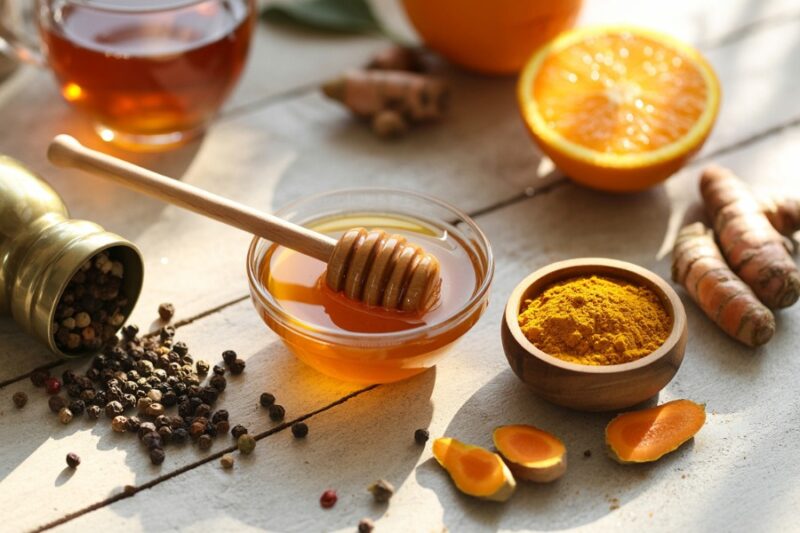
Did you know that turmeric’s earthy bitterness and orange’s acidity influence taste receptors linked to digestion?
Bitter and sour flavors stimulate vagal nerve activity, which can influence digestive readiness. Honey’s sweetness balances these signals, making the combination palatable without eliminating the sensory cues entirely.
This flavor balance explains why people are more likely to consume turmeric regularly when paired with citrus and honey.
Nutrition adherence often depends as much on sensory experience as on nutrient composition. Foods that taste balanced are more likely to become habits, and habits are where nutritional impact accumulates.
Setting Realistic Expectations in Everyday Nutrition
One of the most important reasons people continue using orange turmeric honey is realism. It fits into meals without demanding drastic changes or unrealistic promises.
It does not detoxify, cure inflammation, or replace medical care. What it does offer is a way to enrich everyday nutrition with plant compounds, mild sweetness, and familiar flavors.
Used consistently and moderately, it supports dietary diversity. Used occasionally, it adds variety. The value lies in integration, not elevation.
For people focused on sustainable nutrition habits, that distinction matters more than any single health claim.
In the end, orange turmeric honey is best understood as food, not treatment, flavorful, functional, and grounded in how people actually eat.