

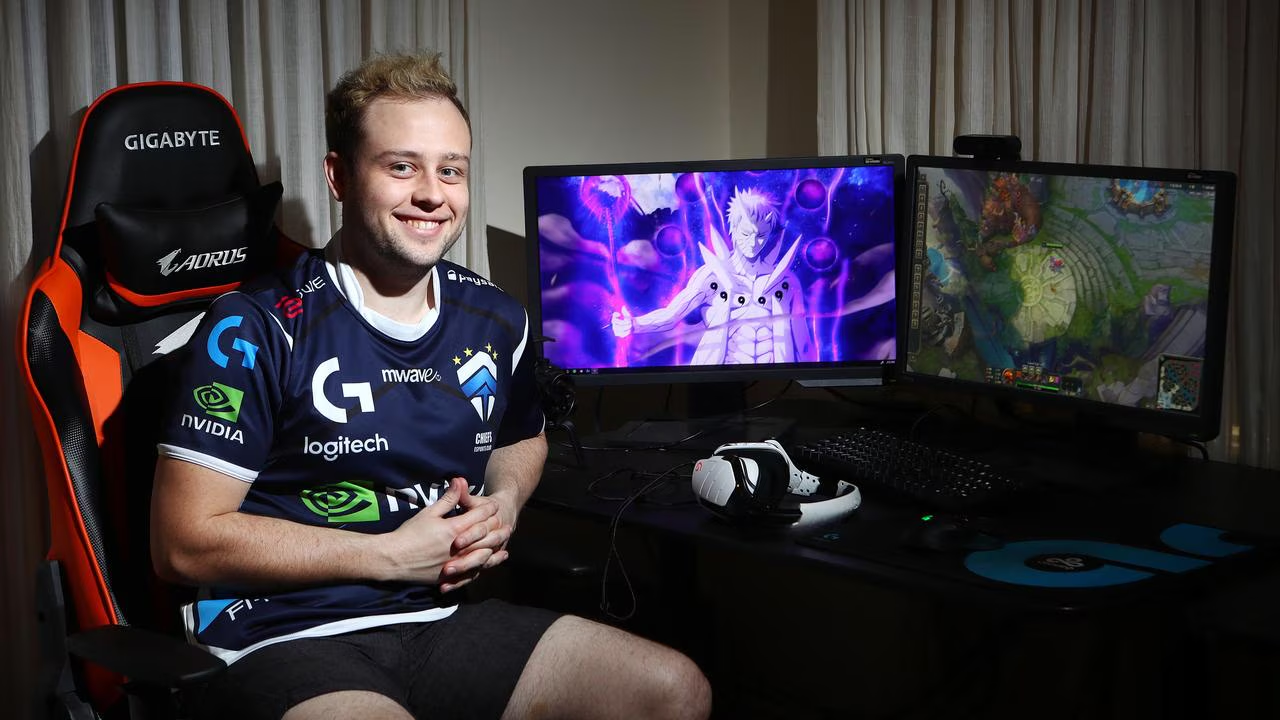
Professional gaming sounds fun, and it is, but it’s not the laid-back lifestyle people imagine. It’s closer to being an athlete than a casual player. You’re not just playing for fun anymore, you’re training, competing, and constantly trying to stay ahead of people who are just as obsessed as you are.
The reality is, turning gaming into a career takes structure, discipline, and a lot of patience.
If you’re thinking about going pro, it helps to understand what that actually looks like day to day. Not the highlight reels, but the grind behind them.
What being a professional gamer really looks like
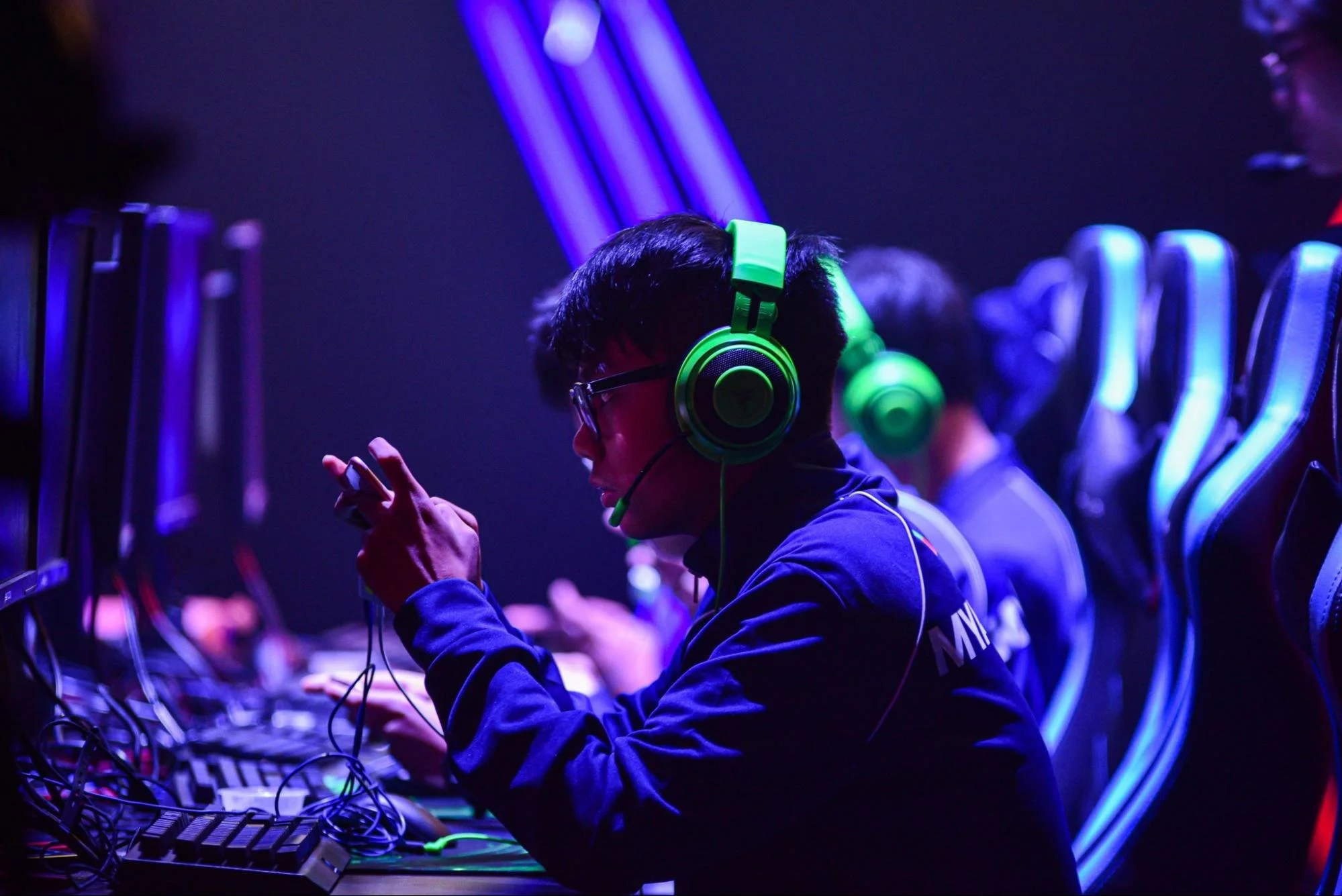
Before anything else, it’s important to reset expectations. A professional gamer is not someone who just plays a lot. It’s someone who competes, improves strategically, and treats gaming like a job.
A typical day might involve practice sessions, reviewing gameplay, coordinating with teammates, and working on specific weaknesses. Many players also stream or create content on the side, which adds another layer of responsibility.
Some even build small income streams early on. For example, players who grind titles like CS2 sometimes look for ways to sell cs2 skins as a way to monetize their inventory while building toward something bigger.
So yeah, it’s gaming, but it’s also routine, pressure, and long-term planning.
How much you actually need to train
This is where things start to feel real. If you want to compete seriously, your training has to be consistent and intentional.
Research shows that elite esports players train around five hours a day on average, which adds up to roughly 35 to 40 hours a week. In more intense periods, especially before tournaments, that number can go even higher, sometimes reaching 5.5 to 10 hours daily .
But here’s the key difference:
- Playing for fun is reactive
- Training is structured and goal-driven
Focused practice beats endless grinding. Always.
If you’re just queuing games without thinking about what you’re improving, progress will be slow. Real improvement comes from reviewing mistakes, practicing mechanics, and pushing your limits deliberately.
The skills that actually matter
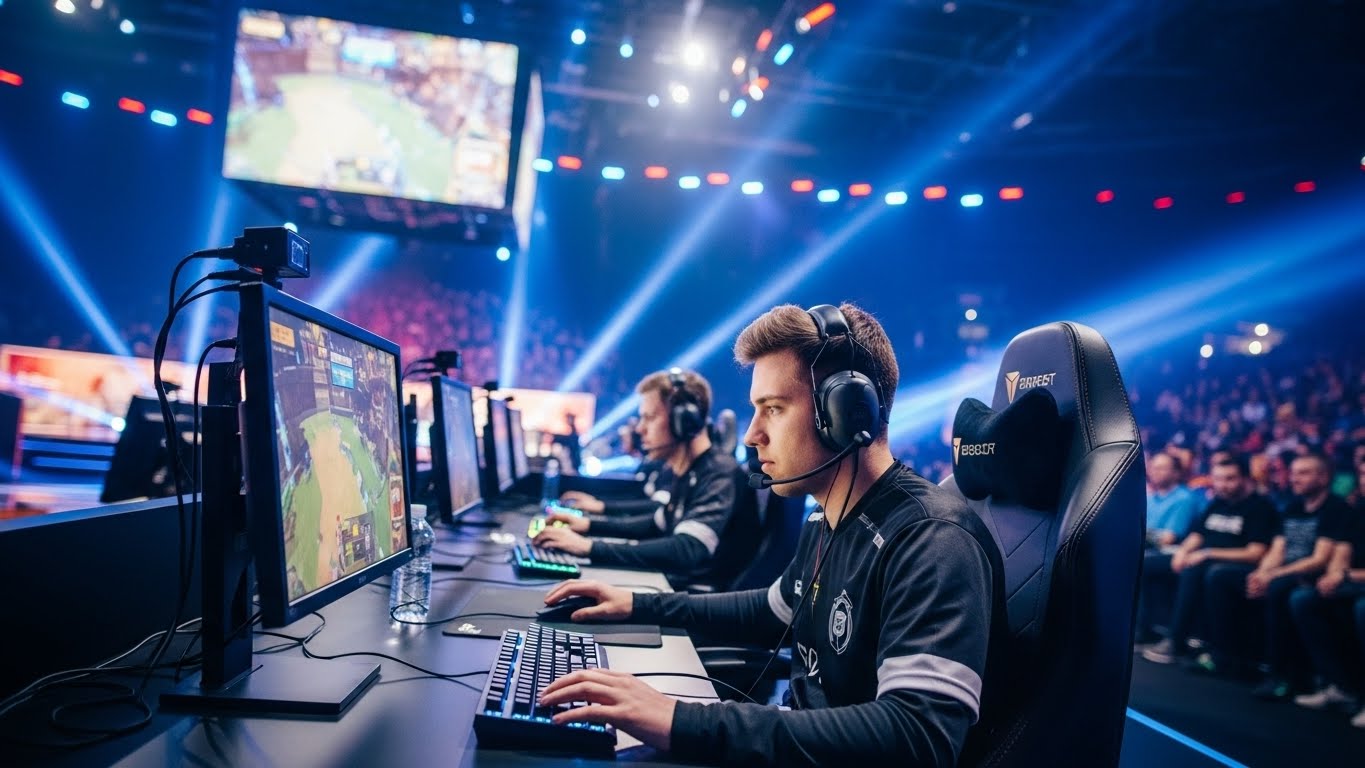
A lot of people assume that fast reflexes are everything. They’re important, sure, but they’re only one piece of the puzzle.
At a high level, professional gaming is a mix of mechanical skill, decision-making, and mental control. You need to react quickly, but you also need to think ahead and stay calm under pressure.
Here’s how those skills usually break down:
- Mechanical skill: aim, movement, precision
- Game sense: predicting opponents, positioning, strategy
- Mental strength: staying composed after mistakes
What separates good players from great ones is consistency. Anyone can have a good game. Professionals perform well even when things aren’t going their way.
Why physical health matters more than you think
This part surprises a lot of people. Gaming might look passive, but at a competitive level, your physical condition directly affects performance.
Studies show that professional players often include around an hour of physical exercise in their daily routine, and many believe it improves their gameplay . Exercise has even been linked to better reaction times and improved focus in gaming contexts .
Here’s a quick look at how lifestyle factors connect to performance:
| Factor | Impact on Gameplay |
| Sleep | Faster reaction time and better decision-making |
| Exercise | Improved endurance and mental clarity |
| Posture | Reduced fatigue during long sessions |
After a while, you realize your body is part of your setup. If it’s not working well, neither are you.
The mental side no one talks about enough
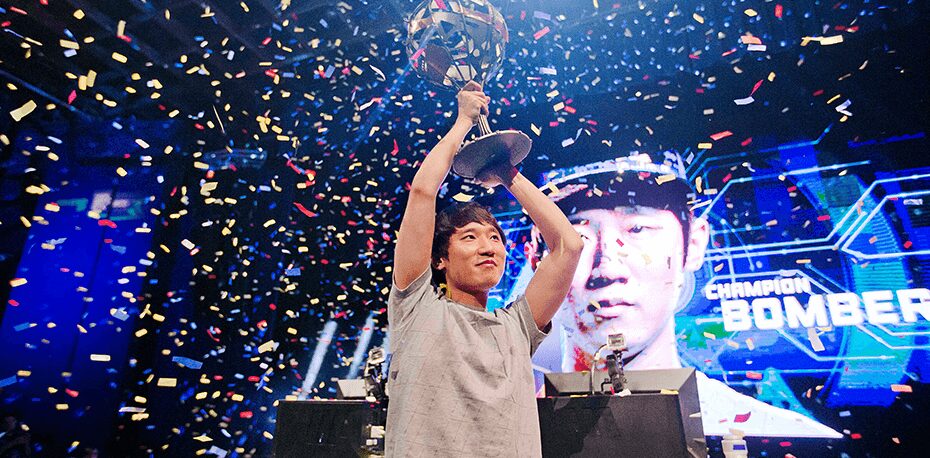
This might be the hardest part of going pro. The pressure builds up quickly, especially once you start competing seriously.
You’re expected to perform consistently. Mistakes are visible. Losses hit harder when they matter. Over time, that can lead to burnout, frustration, and even loss of motivation.
There’s also the reality that esports training often involves long hours of sitting and intense focus, which can lead to fatigue and even health issues if not managed properly .
Did you know
Some esports players spend over 5 to 11 hours daily in front of screens, increasing both mental and physical strain.
Learning how to reset mentally is just as important as improving your aim. Without that balance, progress eventually stalls.
How people actually go pro
There’s no single path, but most players follow a similar progression, even if they don’t realize it at first.
It usually starts with ranked play. If you consistently reach top ranks and stay there, that’s your first signal. After that, players often move into smaller teams, amateur tournaments, and online competitions.
From there, visibility becomes important. Streaming, social media, and networking all play a role in getting noticed.
It’s not a straight line. Some players get picked up quickly, others grind for years. The common factor is persistence and consistent performance over time.
Other careers in gaming you should consider
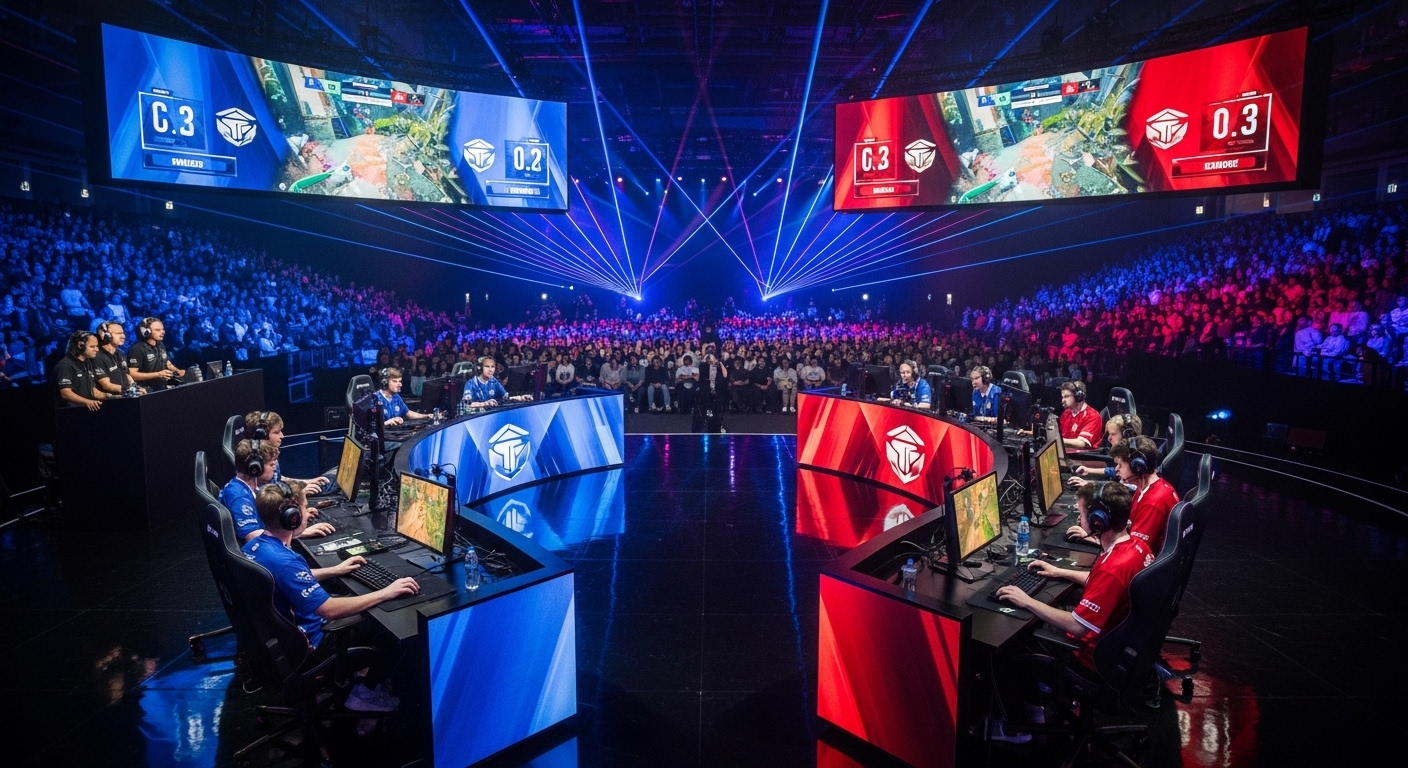
Here’s something people don’t talk about enough. Going pro isn’t the only way to build a career in gaming.
The industry is bigger than just players. There are opportunities in content creation, coaching, analysis, and broadcasting. In many cases, these paths are more stable and still keep you close to the scene.
For example, someone with deep game knowledge but average mechanics might thrive as a coach or analyst. Someone who enjoys entertaining people might do better as a streamer.
Sometimes, success in gaming isn’t about being the best player. It’s about finding where you fit.
Is professional gaming worth it
That depends on what you’re expecting from it.
If you’re looking for something easy or quick, this probably isn’t it. The competition is intense, and the margin for success is small. But if you genuinely enjoy improving, competing, and pushing yourself, it can be incredibly rewarding.
Also read: How to Build a Gaming PC
At the end of the day, professional gaming is not just about talent. It’s about discipline, consistency, and how you handle both wins and losses.
If you’re willing to treat it seriously and stay realistic about the journey, you give yourself a real shot. And that’s already more than most people ever do.