

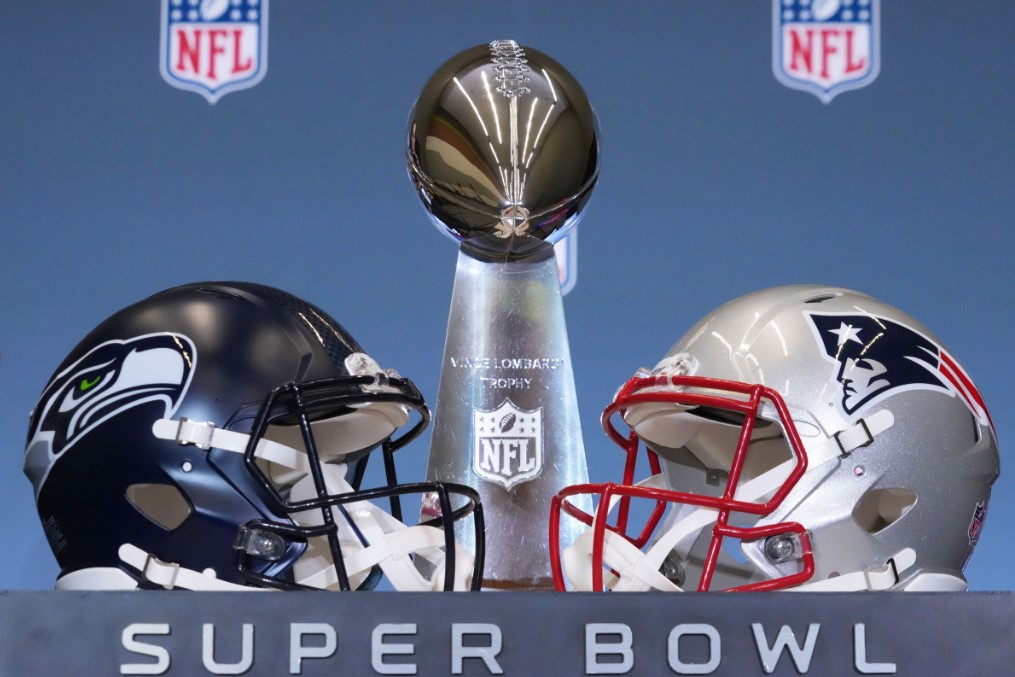
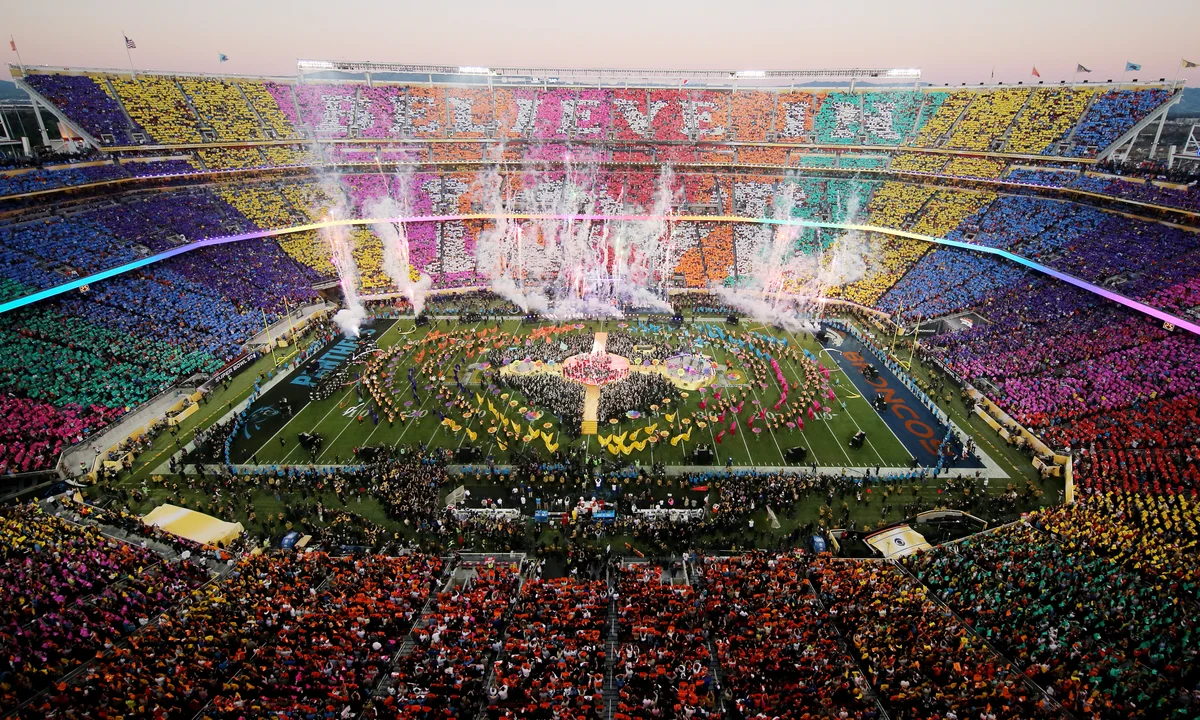
Super Bowl LX – the 60th championship game of the National Football League – has captured global attention as both a sporting spectacle and a pop-culture phenomenon.
From record-breaking ad campaigns to a Halftime Show that’s ignited cultural conversations, this year’s game is trending across platforms, news outlets, and social feeds alike.
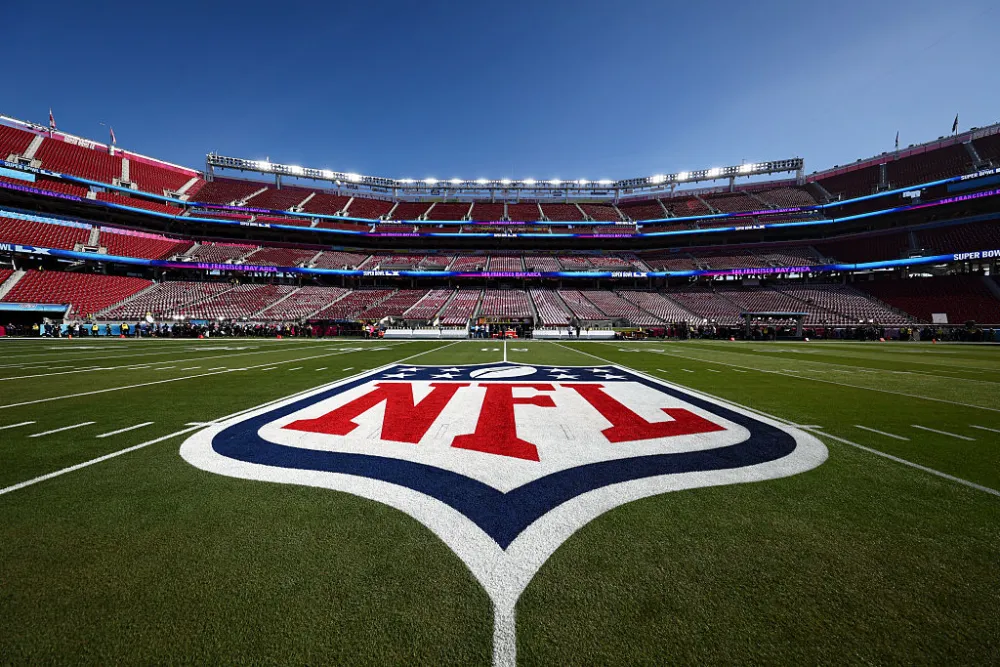
With the Seattle Seahawks facing the New England Patriots at Levi’s Stadium in Santa Clara, conversations extend well beyond the final whistle.
Ahead, we explore nine reasons why Super Bowl LX has become one of the most talked-about events of the year, stirring discussions far outside traditional football fandom.
1. Historic Matchup and Record Betting Buzz
The 60th Super Bowl pits the Seattle Seahawks against the New England Patriots, two storied franchises with passionate fanbases. This matchup has stirred debates about legacy, momentum, and which era of football strategy will prevail. The Seahawks, celebrating their 50th anniversary, are adorned with a commemorative patch that nods to their loyal fanbase and history of resilience.
Meanwhile, the Patriots – perennial contenders under head coach Mike Vrabel – add weight to the narrative through their reproducible competitiveness. The blending of historical legacy and present-day performance has bolstered interest in NFL betting lines, from point spreads to over/under estimates and player performance odds. That analytical twist has turned even casual observers into weekend statisticians, discussing probabilities, upset scenarios, and historical betting patterns.
To quantify the betting energy, analysts note that billions in wagers are expected, reinforcing just how much this matchup has dominated conversation and attention.
2. Cultural Collision on Game Day
Super Bowl LX isn’t just a game – it’s a cultural crossroads. This year’s event reflects broader societal discussions around identity, politics, and representation. In addition to the on-field spectacle, grassroots movements and protest actions have emerged nearby, drawing attention to civil liberties and community concerns.
Simultaneously, alternative entertainment options have surfaced. Conservative group Turning Point USA announced its own “All-American” halftime show headlined by Kid Rock, positioning itself as a counterpoint to mainstream pop culture narratives – a phenomenon that mirrors political polarization and media segmentation.
This collision of sport, societal voice, and cultural performance has created a layered dialogue where Super Bowl LX resembles a national moment of reflection and celebration, not just Sunday entertainment.
3. Explosive Advertising and Commercial Buzz
Super Bowl commercials have evolved into a tradition of their own – and for 2026, brands are investing record sums to make noise before, during, and after game day. Advertisers spend millions on 30- and 60-second spots designed not merely to sell, but to spark culture talk, often with celebrity leads and cinematic storytelling.
Brands going all-in this year include:
- Budweiser ─ “American Icons” featuring a Clydesdale and bald eagle motif.
- Uber Eats ─ Continued food-centric Super Bowl storytelling with original content.
- Pepsi ─ Polar bear cola rivalry spot directed by Taika Waititi.
- Redfin & Svedka ─ Bold creative approaches tied to AI and lifestyle narratives.
These campaigns aren’t just ads – they drive weeks of speculation, preview reactions, and social media memes, creating a second headline cycle all their own.
4. The Halftime Show – Bad Bunny and Backlash
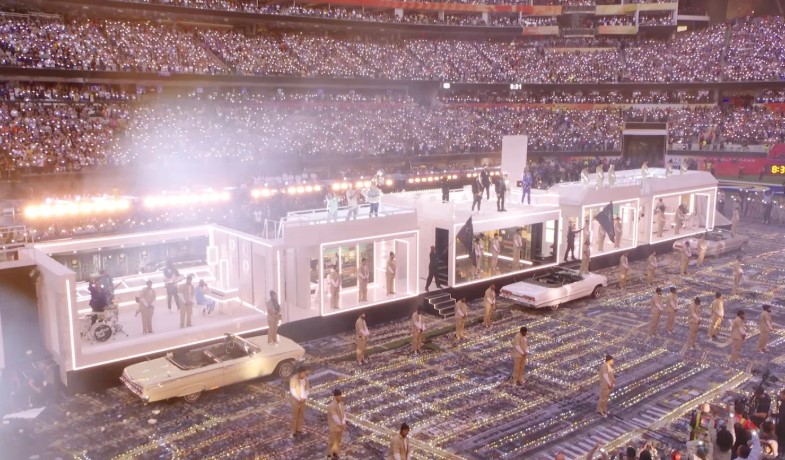
One of the most talked-about reasons for this year’s Super Bowl fever is the Halftime Show headlined by reggaeton megastar Bad Bunny. Announced well ahead of game day, his selection marks not only a musical highlight but a cultural milestone – spotlighting Latino representation on one of the world’s most-watched stages.
This choice has also provoked controversy: proponents praise the artistic milestone, while critics launched petitions urging alternative performers like George Strait.
Adding another layer, conservative outlets have counter‐programmed with alternative halftime entertainment. These varied reactions have kept the conversation alive across multiple spheres – from entertainment news to political talk – making the Halftime Show itself an event well before kickoff.
Did you know?
Super Bowl commercials often become part of pop culture long after the game ends because viewers actively seek them out – rewatching, ranking, and sharing them more than regular TV ads.
This unique viewer engagement makes advertising at the Super Bowl one of the most impactful moments in global marketing. Unlike typical commercial breaks, Super Bowl ads generate discussion and social media traction, creating a second entertainment experience parallel to the game itself.
5. A Celeb-Powered Lineup Before Kickoff
Celebrities are lending star power long before kickoff, helping generate buzz on social media and broadcast tie-ins.
|
Celebrity |
Role |
| Green Day | Opening performance honoring Super Bowl history. |
| Bon Jovi | Team intro and hype lead. |
| Charlie Puth | National Anthem performer. |
| Coco Jones | Pre-game music highlight. |
These celebrity appearances help turn the Super Bowl into a broader cultural event. By involving music icons from different genres, the NFL bridges sports fans and entertainment audiences. This blend increases social media engagement, drives diverse demographic interest, and fuels speculative conversation about both the game and its auxiliary performances.
6. Global Audience Reach and Fandom
Super Bowl LX isn’t just a U.S. event; it’s a global spectacle. With broadcasts spanning NBC, Telemundo, Peacock, and international feeds, audiences around the world are tuning in or streaming the festivities. The NFL’s expanded media reach includes NFL Game Pass and global partnerships, making Sunday’s game accessible across continents and platforms.
This global footprint means fans in Europe, Asia, Africa, and Latin America are part of pre-game polls, halftime debates, and commercial discussions on par with American audiences. Social platforms amplify this reach, with international memes, multilingual reactions, and cultural interpretations adding to the chatter. The result is a celebration of sport that doubles as an international moment – shared virtually across time zones and cultures.
7. Tailgating, Parties, and Food Culture
Super Bowl celebrations extend far beyond the stadium. Tailgating and watch parties have become mini-events in their own right, spawning themed recipes and social media trends during game week. Pinterest boards fill with creative snack ideas and themed food tables, while TikTok and Instagram reels showcase party hacks, DIY decor, and culinary twists inspired by team rivalries or Halftime Show motifs.
Food isn’t just fuel – it’s part of the tradition. Fan gatherings blend communal dining with friendly rivalry, making Super Bowl Sunday as much about shared moments and snacks as about touchdowns and field goals.
8. Fandom, Debates, and Online Superstorms
Super Bowl LX buzz has created what online communities refer to as fan storms – extended threads of constant dialogue spanning forums, comment sections, and social feeds. Conversations range from strategy breakdowns and player predictions to cultural debates and personal watch party polls. Platforms like Reddit, Twitter, and TikTok have seen trending hashtags related not only to the game but to ads, halftime expectations, and pre-game analysis.
This creates an expansive experience where fans aren’t just spectators – they’re participants, weighing every decision, play odds, and stylistic choice. The result is a massively interconnected web of interaction that keeps Super Bowl chatter alive from kickoff through post-game commentary.
9. The Economics and Legacy of Super Bowl Culture
Finally, Super Bowl LX represents a major economic engine. Cities hosting events see spikes in tourism, hospitality demand, and local festivities. The broader ecosystem – from Pro Bowl week celebrations to media tie-ins and corporate partnerships – demonstrates the Super Bowl’s growth beyond a single championship game.
Brands align themselves with the event for sustained visibility, not fleeting attention, and advertising dollars reflect that commitment. The lasting legacy of Super Bowl ads, halftime performances, and cultural dialogues makes this annual event a cornerstone of modern entertainment economics.
Conclusion
Super Bowl LX has transformed into more than a championship football game. It’s become a cultural touchpoint that blends sports legacy, advertising spectacle, social discussion, and global audience participation.
With celebrity moments, commercial creativity, meaningful halftime performances, and fan engagement that spans continents, this edition of the Super Bowl has captured attention like few before it.
Whether analyzed through betting buzz, viral memes, or commercial narratives, the reasons people are talking about Super Bowl LX reflect its role as a shared moment in worldwide pop culture – a true cultural phenomenon bathed in sport.